Free shipping for order over $50

Free shipping for order over $50
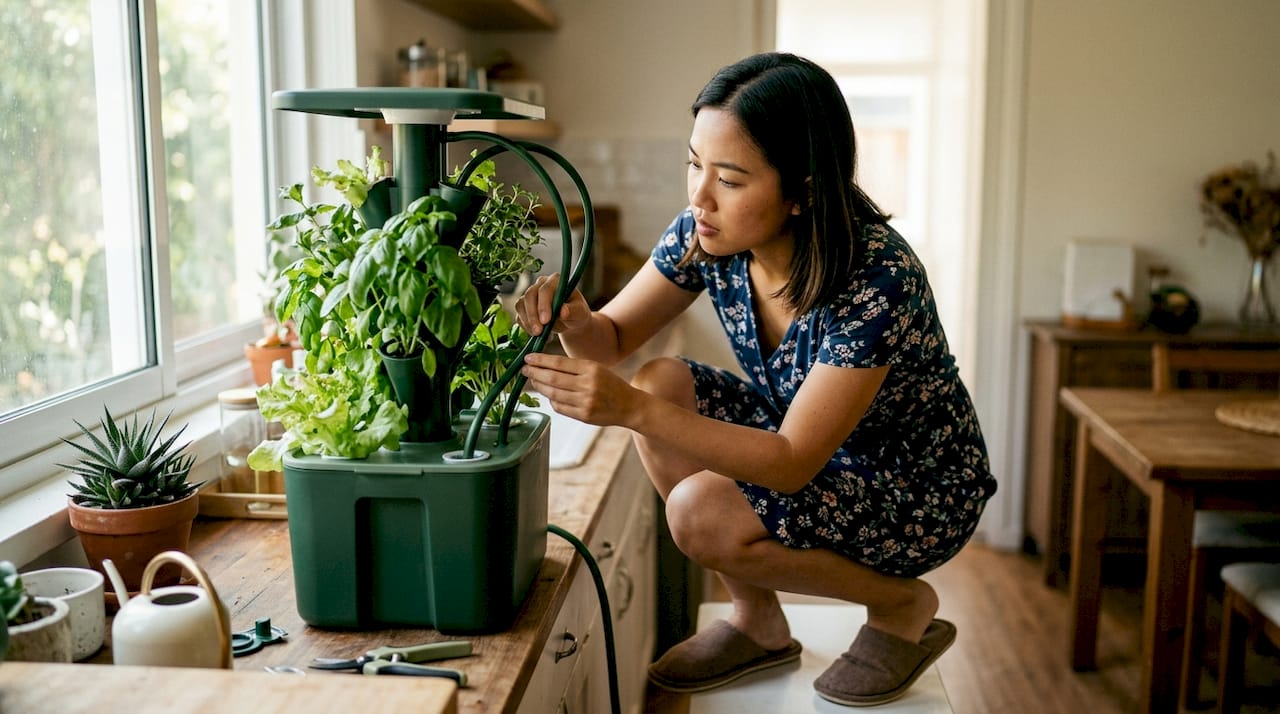
Hydroponics is a soil-free growing method where plants feed directly from nutrient-rich water, making it the most practical approach for Singapore’s land-scarce urban apartments. This buy hydroponic supplies Singapore guide covers everything you need to get started: which system fits your space, which components to buy first, where to source them locally, and how to avoid the mistakes that kill most beginner setups. A complete starter system costs SGD 100–500, which puts productive home growing within reach for most budgets. Brands like Sprout-lab offer modular kits that let you grow up to 56 plants in a compact footprint, rated 4.9/5 from over 25,000 completed orders.
The single biggest mistake beginners make is buying a system before measuring their space. Singapore HDB flats and condos typically offer a balcony, a kitchen windowsill, or a spare corner indoors. Each location demands a different system type.
Vertical and tiered systems work best on balconies with direct sun exposure. They stack growing sites upward instead of outward, so a 1-square-meter footprint can support dozens of plants. Modular systems for small spaces are purpose-built for exactly this constraint.
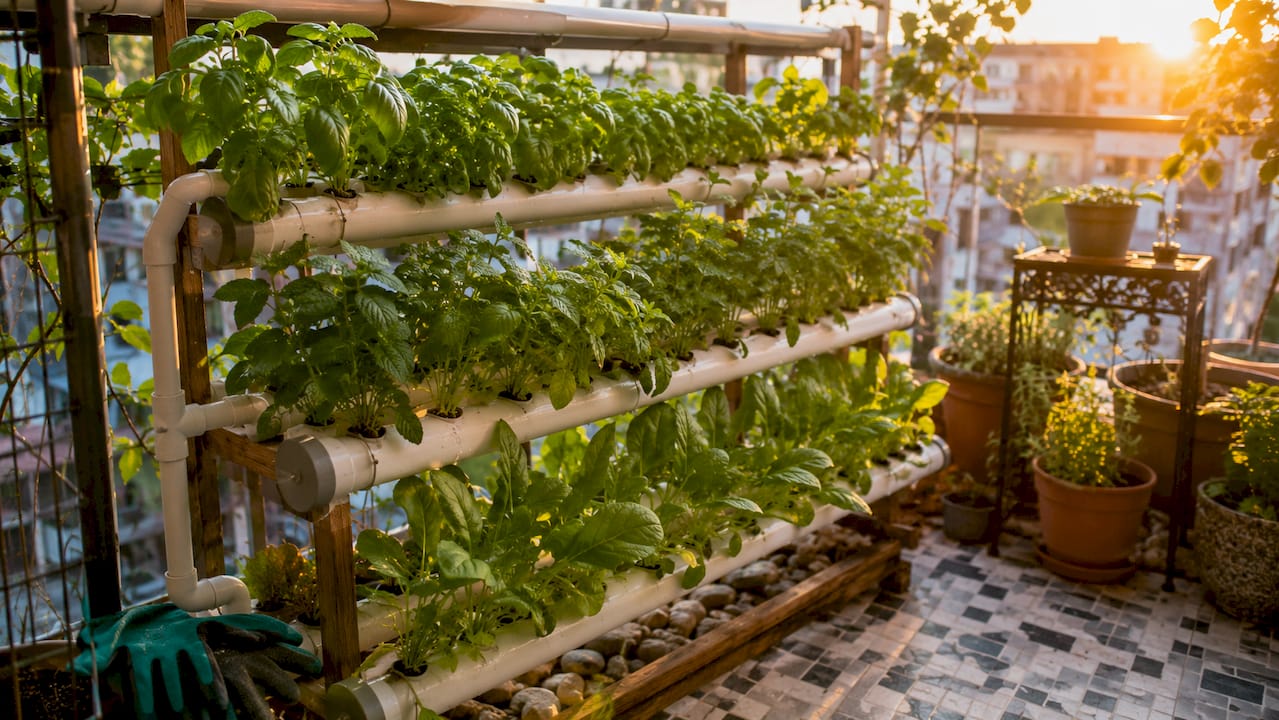
Nutrient Film Technique (NFT) suits herbs and leafy greens grown indoors. A thin film of nutrient solution flows continuously over bare roots in a tilted channel. NFT systems are lightweight and easy to expand one channel at a time.
Deep Water Culture (DWC) grows plants with roots submerged in an oxygenated reservoir. DWC produces fast growth but requires a reliable air pump. In Singapore’s heat, warm water holds less oxygen, so skimping on oxygenation hardware is a direct path to root rot.
Drip systems are the most forgiving for beginners with irregular schedules. A timer controls nutrient delivery, and larger reservoirs reduce how often you need to refill. Larger reservoirs or better circulation reduce daily maintenance friction, which matters when you are managing a busy work week.
Key factors to assess before buying:
Pro Tip: Set up a small fan near your growing area before you buy anything else. Singapore’s humidity sits high year-round, and moving air is the cheapest disease prevention you can add to any setup.
The core components of any home hydroponic system fall into five categories: structure, growing media, water circulation, nutrients, and pH management. Buying all five from the start prevents the most common beginner failure: a system that grows plants for two weeks and then crashes.
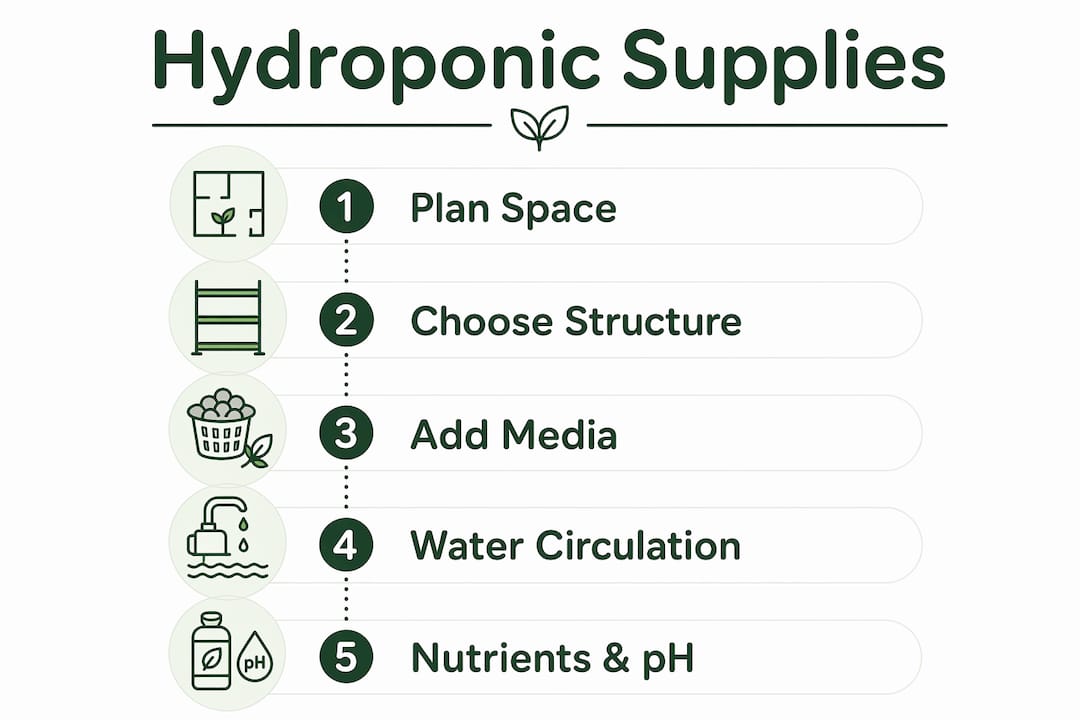
The structure is your reservoir, net pots, and channels or towers. Growing media fills the net pots and anchors plant roots. Clay pebbles and coco coir are the two most widely available options in Singapore. Clay pebbles cost SGD 10–30 and reuse well after cleaning. Coco coir retains more moisture, which suits seedlings but can cause overwatering in mature plants if drainage is poor.
Submersible water pumps run SGD 30–60 for small systems. Air pumps add SGD 20–40. Both are non-negotiable. Oxygenation and humidity management are the hidden critical success factors in Singapore apartments, more than kit size or plant count.
Local Singapore suppliers stock nutrient solutions labeled Solution A and Solution B, formulated for leafy vegetables and herbs grown at home scale. A complete nutrient set costs SGD 30–70. You also need a pH meter (or test kit) and pH Up/Down solutions. Hydroponic plants absorb nutrients only within a narrow pH window, typically 5.5–6.5. Skipping pH management is the fastest way to see yellowing leaves that look like nutrient deficiency but are actually a lockout problem.
| Supply | Estimated cost (SGD) | Priority |
|---|---|---|
| Submersible water pump | 30–60 | Essential |
| Air pump and air stone | 20–40 | Essential |
| Clay pebbles or coco coir | 10–30 | Essential |
| Nutrient solution (A & B) | 30–70 | Essential |
| pH meter and adjustment solutions | 20–50 | Essential |
| Grow lights (if indoors) | 40–120 | Situational |
Pro Tip: Buy a starter kit for your first grow rather than sourcing every component separately. Kits bundle compatible parts and reduce the risk of buying a pump that is too weak for your reservoir size.
For a curated starting point, Sprout-lab’s hydroponic plant care range covers nutrients, media, and system components suited to Singapore conditions.
A phased approach prevents the most expensive beginner error: buying a large system before you understand the maintenance it requires. Starting small and expanding while gaining skills is the proven path for Singapore urban growers.
Avoid buying oversized systems for your space. A 56-plant modular setup sounds impressive, but a 12-site system you manage well outperforms a large one you neglect. For a practical walkthrough of passive system setup, Sprout-lab’s guide covers the exact steps for apartment growers.
Pro Tip: Keep a simple weekly log of your reservoir pH, water level, and plant appearance. Three data points per week is enough to catch problems before they become crop losses.
Singapore’s climate creates specific failure modes that overseas hydroponic guides do not address. Knowing them before you buy saves money and frustration.
Prioritizing airflow, oxygen availability, and moisture control in your system design matters more in Singapore than following popular overseas setup trends. Local conditions demand local solutions.
For plant selection that suits Singapore’s year-round warmth, check Sprout-lab’s guide to fast-growing greens suited to compact urban gardens.
Buying hydroponic supplies in Singapore requires matching your system type to your space, sourcing locally to avoid import regulations, and prioritizing oxygenation and airflow above all other hardware choices.
| Point | Details |
|---|---|
| Budget SGD 100–500 to start | A complete beginner system with pumps, media, and nutrients fits this range. |
| Source supplies locally | Local purchasing avoids NParks and SFA import compliance requirements. |
| Oxygenation is non-negotiable | Air pumps prevent root rot in Singapore’s warm, low-oxygen water conditions. |
| Start small, then expand | A 6–12 site system you manage well outperforms a large neglected setup. |
| pH management prevents most crop failures | Test and adjust nutrient solution pH to the 5.5–6.5 range every few days. |
The part no guide told me upfront: the climate is your biggest variable, not your system choice. I spent the first month focused on which NFT kit to buy and almost no time thinking about airflow. My first crop of kangkong looked healthy for three weeks, then collapsed to root rot overnight. The culprit was a poorly ventilated corner with stagnant air and a reservoir I had left uncovered.
What actually changed my results was adding a fan, covering the reservoir with black-out material, and switching to a slightly larger air pump. None of those changes cost more than SGD 40 combined. The lesson: cheap climate management beats expensive equipment every time in Singapore.
I also learned to value local suppliers over online imports. The nutrient formulations sold by Singapore-based farm shops are calibrated for the crops people actually grow here: leafy greens, herbs, and chili. Generic overseas nutrient sets work, but local Solution A and B blends take less tweaking to hit the right growth rate.
My honest advice for anyone starting out: buy less than you think you need, run one successful small system first, and treat your first harvest as tuition. The indoor growing guide for Singapore from Sprout-lab helped me understand how to manage the stable year-round conditions here, which is genuinely different from seasonal growing advice written for temperate climates.
— Luna
Sprout-lab builds hydroponic systems specifically for the constraints Singapore apartment growers face: limited floor space, high humidity, and schedules that do not allow daily maintenance.
Their modular setups scale from compact 6-site starter configurations up to 56-plant systems, all designed to fit balconies and indoor corners without major renovation. Every kit ships with compatible components, so you avoid the pump-and-reservoir mismatch that trips up first-time buyers. Sprout-lab carries a 4.9/5 rating from over 25,000 completed orders, with customers reporting faster germination and noticeably healthier plants compared to soil growing. Their garden systems for busy people page shows the full range, with options suited to every budget and space size. For growers who want a low-effort entry point, the passive hydroponic setup guide walks through the simplest configurations available.
A starter hydroponic system in Singapore costs SGD 100–500. Individual components like pumps run SGD 20–60 and nutrient sets cost SGD 30–70.
NFT and drip systems suit most Singapore apartments because they are lightweight and easy to size down. DWC works well too, but requires a strong air pump to compensate for warm water’s low oxygen levels.
Buying locally requires no special permit. Importing plant-related materials may require prior approval from NParks or SFA, so sourcing from Singapore-based suppliers is the simpler and safer option.
Leafy greens like kangkong, lettuce, and spinach, plus herbs like basil and mint, grow fastest in Singapore’s warm indoor conditions. They also tolerate the nutrient formulations most commonly sold by local suppliers.
Most small systems need a pH and water level check every two to three days. Reservoir cleaning every two to three weeks prevents algae and biofilm buildup that can damage roots.