Free shipping for order over $50

Free shipping for order over $50
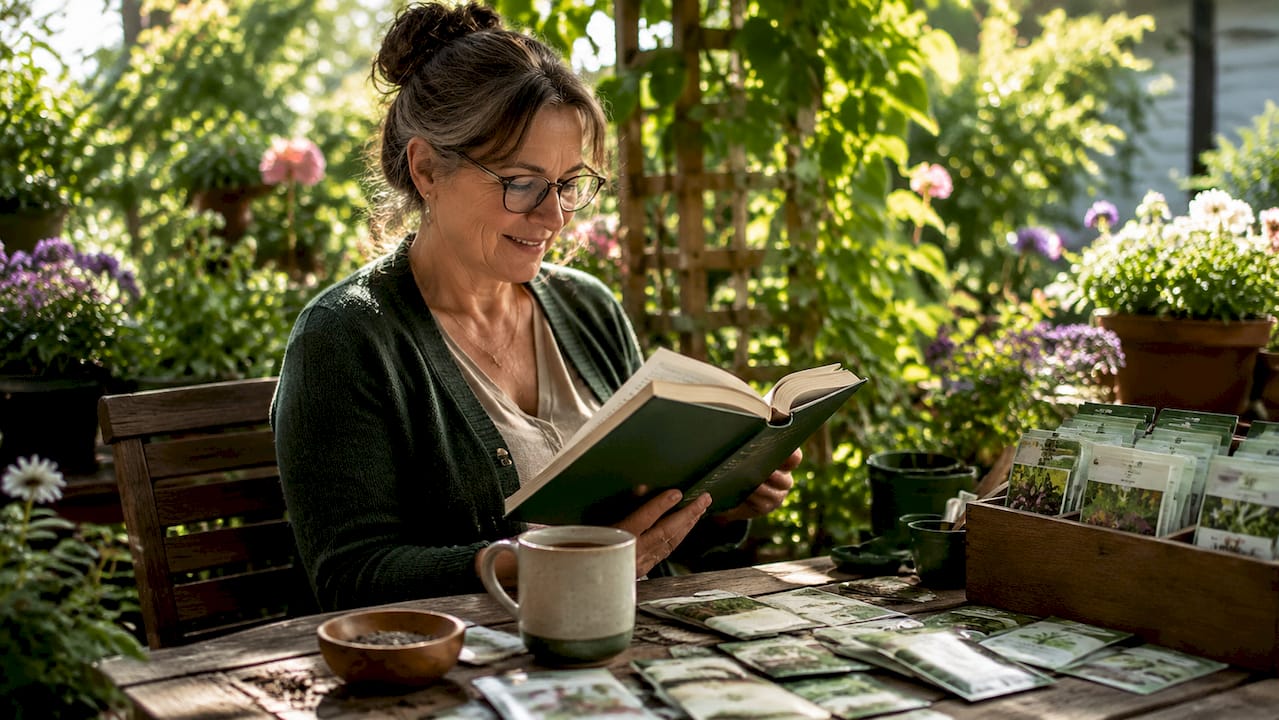
Seed books are dedicated references that teach gardeners how to save, start, and grow plants from seed with lasting results. The best titles cover everything from pollination biology to regional climate adaptation, giving you the knowledge to move beyond buying seeds every season. Whether you want to preserve heirloom tomatoes, grow herbs indoors, or build a self-sustaining garden, the right seed saving guide changes how you grow. This article covers the top picks, what to look for, and how to match each book to your skill level.
The best seed books do more than list planting dates. They explain the biology behind germination, seed storage, and genetic diversity so you can actually apply the techniques in your own garden.
Coverage of plant types matters first. A guide that covers only vegetables leaves herb and flower growers without answers. Look for titles that span vegetables, fruits, herbs, and flowers at minimum. The Complete Guide to Saving Seeds by Robert and Cheryl Moore-Gough covers 322 plant species, including trees and shrubs. That breadth makes it useful across every corner of a home garden.
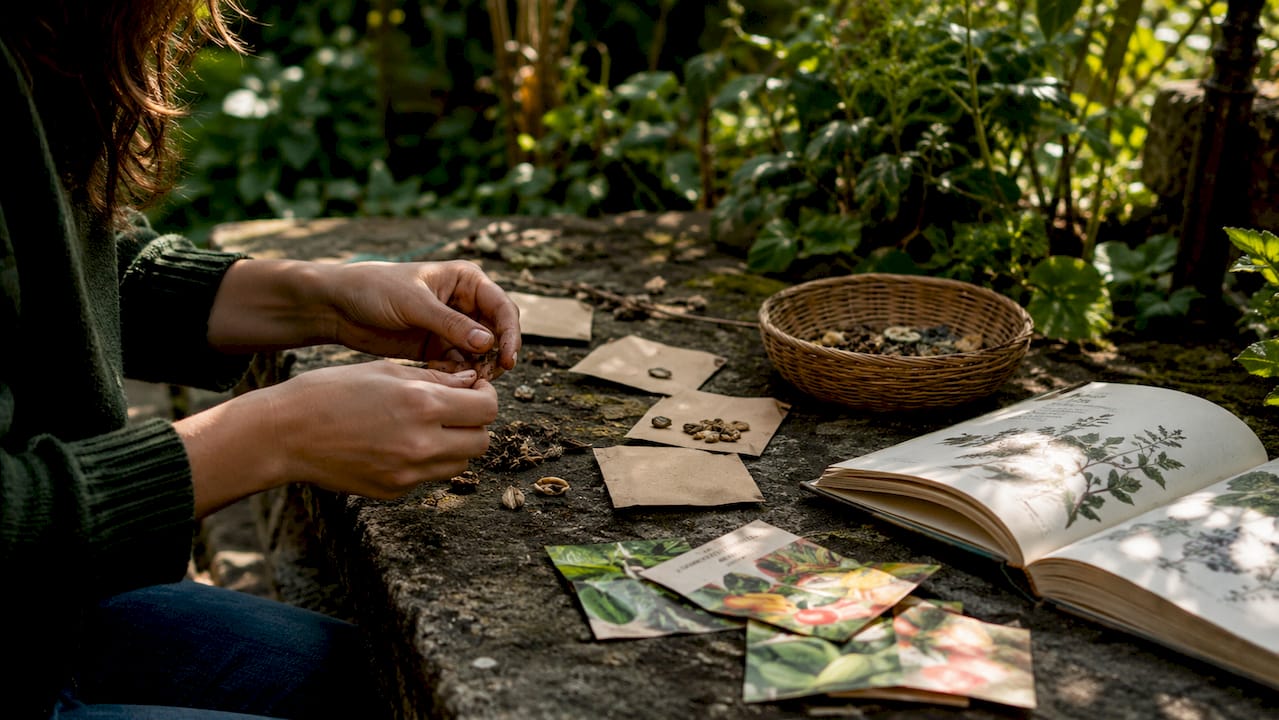
Technical depth separates good guides from great ones. Successful seed saving requires understanding pollination types, isolation distances, and population sizes. A book that skips these details leaves you guessing when cross-pollination ruins a seed batch. The best guides explain why each technique matters, not just what to do.
Regional advice is non-negotiable for American gardeners. A seed starting guide written for one climate zone fails gardeners in others. Seed to Seed by Suzanne Ashworth draws on expertise from 7 US climate zones, making its advice applicable whether you garden in Minnesota or Georgia.
Here is what to check before buying any seed book:
Pro Tip: If you are new to seed saving, prioritize books that include a beginner section or a plant-by-plant difficulty rating. Jumping straight into cross-pollinated crops like corn or brassicas without guidance is the fastest way to lose a season’s worth of seeds.
Three titles stand out as the most recommended across gardening communities, extension programs, and seed saving networks. Each serves a different purpose, and knowing what each does best helps you choose wisely.
Seed to Seed is the reference most serious seed savers keep within arm’s reach. The updated 2nd edition covers 160 vegetables with detailed botanical information, seed processing methods, and regional growing tips contributed by gardeners across 7 US climate zones. That regional depth is rare in seed saving literature.
The book reads like a technical manual. It covers population sizes, isolation distances, and the specific conditions each crop needs to produce viable seed. Seed to Seed emphasizes regional variations in seed starting, which means a gardener in the Pacific Northwest gets different guidance than one in the Southeast. That specificity is its greatest strength.
The trade-off is that Seed to Seed is light on photographs. Experienced gardeners treat that as a feature, not a flaw. The focus stays on practical information rather than visual appeal. Practitioners recommend pairing the technical approach of Seed to Seed with a more visually engaging guide for a balanced learning experience.
“Seed to Seed is the book you reach for when you need a real answer, not a general suggestion. It treats gardeners as capable adults who want the full picture.” — Widely cited by seed saving communities across the US
This title earns its place as the broadest seed saving reference available for home gardeners. It covers 322 species including vegetables, herbs, fruits, flowers, trees, and shrubs, with step-by-step instructions designed for gardeners at all skill levels. That range is unmatched by any comparable single volume.
The Moore-Goughs prioritize genetic diversity throughout the book. Saving seeds maintains genetic diversity and allows gardeners to cultivate locally adapted plant varieties over time. The book explains this principle clearly and connects it to practical technique, so readers understand why isolation distances and population sizes matter beyond just following rules.
For gardeners who grow a wide mix of plants, this is the most practical all-in-one reference. It does not go as deep as Seed to Seed on any single crop, but its breadth means you rarely need a second book for basic to intermediate seed saving questions.
This title takes a different approach entirely. It presents nearly 150 seeds organized by their natural dispersal methods, covering wind, water, and animal dispersal with detailed illustrations and scientific context. The result is a book that teaches seed biology through visual storytelling.
Visual, artistic books on seeds complement technical guides by inspiring curiosity and appreciation for seed diversity. Seeds: Nature’s Intrepid Miracles does exactly that. It is not a how-to manual, but it builds the foundational understanding of seed structure and behavior that makes technical guides easier to apply.
Gardeners who struggle to stay engaged with dense reference books often find this title reignites their interest. It works best as a companion to Seed to Seed or the Moore-Gough guide rather than a standalone resource.
The right seed saving guide depends on where you are in your gardening experience. Matching the book to your skill level prevents frustration and accelerates your progress.
Complete beginners should start with The Complete Guide to Saving Seeds. Its step-by-step format and broad plant coverage make it approachable without overwhelming detail. Beginners are advised to start with open-pollinated and heirloom varieties because they are easier to save and support garden sustainability. The Moore-Gough guide aligns well with that advice.
Visual learners and curious beginners benefit most from Seeds: Nature’s Intrepid Miracles. Understanding how seeds disperse and germinate in nature builds intuition that makes practical seed saving easier. Start here if dense text puts you off.
Intermediate gardeners who already save a few varieties and want to expand should move to Seed to Seed. Its botanical detail and regional specificity answer the questions that arise once you move past the basics.
Advanced seed savers use Seed to Seed as their primary reference and return to the Moore-Gough guide for less common plant types. Understanding population sizes and isolation distances is critical for preserving plant genetics, especially in cross-pollinated crops. Both books address this, but Seed to Seed goes deeper.
Urban and small-space gardeners benefit from pairing any of these books with practical guides on growing plants in small spaces. Seed saving in containers or limited plots requires adapting standard isolation distances, and knowing the underlying principles helps you make smart adjustments.
Pro Tip: Experts recommend starting seed saving with just one or two easy varieties to avoid overwhelming complexity and to build confidence. Lettuce, tomatoes, and beans are forgiving crops that reward beginners quickly.
| Feature | Seed to Seed | Complete Guide to Saving Seeds | Seeds: Nature’s Intrepid Miracles |
|---|---|---|---|
| Plant species covered | 160 vegetables | 322 species across all types | Nearly 150 seeds |
| Technical depth | High, with botanical detail | Moderate, step-by-step focus | Low, biology and art focus |
| Visual aids | Minimal photos | Moderate illustrations | Rich illustrations throughout |
| Regional advice | Yes, 7 US climate zones | General guidance | Not applicable |
| Best for | Experienced seed savers | All levels, broad plant range | Visual learners, beginners |
| Use case | Deep reference manual | All-in-one home garden guide | Companion and inspiration book |
The table makes the choice clear. If you grow a wide variety of plants and want one book that covers most questions, the Moore-Gough guide wins on breadth. If you grow vegetables seriously and want the deepest technical resource available, Seed to Seed is the better investment. Seeds: Nature’s Intrepid Miracles belongs on the shelf of anyone who wants to understand seeds beyond the garden bed.
The most effective approach to seed books is matching the title to your skill level and plant focus, then pairing a technical guide with a visually engaging companion for the best learning outcome.
| Point | Details |
|---|---|
| Match book to skill level | Beginners do best with the Moore-Gough guide; experienced savers need Seed to Seed. |
| Prioritize open-pollinated varieties | Start seed saving with heirloom and open-pollinated plants for easier, sustainable results. |
| Regional advice matters | Choose guides that address your specific US climate zone for accurate growing instructions. |
| Pair technical with visual | Combine a dense reference like Seed to Seed with an illustrated title for balanced learning. |
| Breadth vs. depth | The Moore-Gough guide covers 322 species broadly; Seed to Seed covers 160 vegetables deeply. |
Most gardeners reach for the most comprehensive title they can find. That instinct makes sense, but it often backfires. A 322-plant reference is genuinely useful once you have saved seeds from a dozen varieties. Before that point, it is mostly noise.
I have watched gardeners buy Seed to Seed as their first resource and abandon seed saving within a season because the technical depth felt like homework. The book is excellent. The timing was wrong. Seed saving contributes to food security and independence from seed supply chains, but that benefit only materializes if you actually stick with it.
My honest recommendation: start with one easy crop, one clear guide, and one season of practice. Lettuce is nearly foolproof. Tomatoes are close behind. Once you have held a seed you grew and saved yourself, the motivation to go deeper arrives naturally. That is when Seed to Seed earns its shelf space.
Seed saving is a meaningful step toward ecological sustainability and personal empowerment. But that meaning comes from doing it, not from owning the right library. Buy one book, grow one crop, save one seed packet. Build from there.
— Luna
Reading about seed saving is the first step. Growing those seeds successfully is where Sprout-lab comes in. Sprout-lab’s garden systems for busy people are built for home gardeners who want consistent results without complicated setups. Their modular hydroponic systems let you grow up to 56 plants in a compact area, which makes them ideal for urban growers or anyone working with limited space.
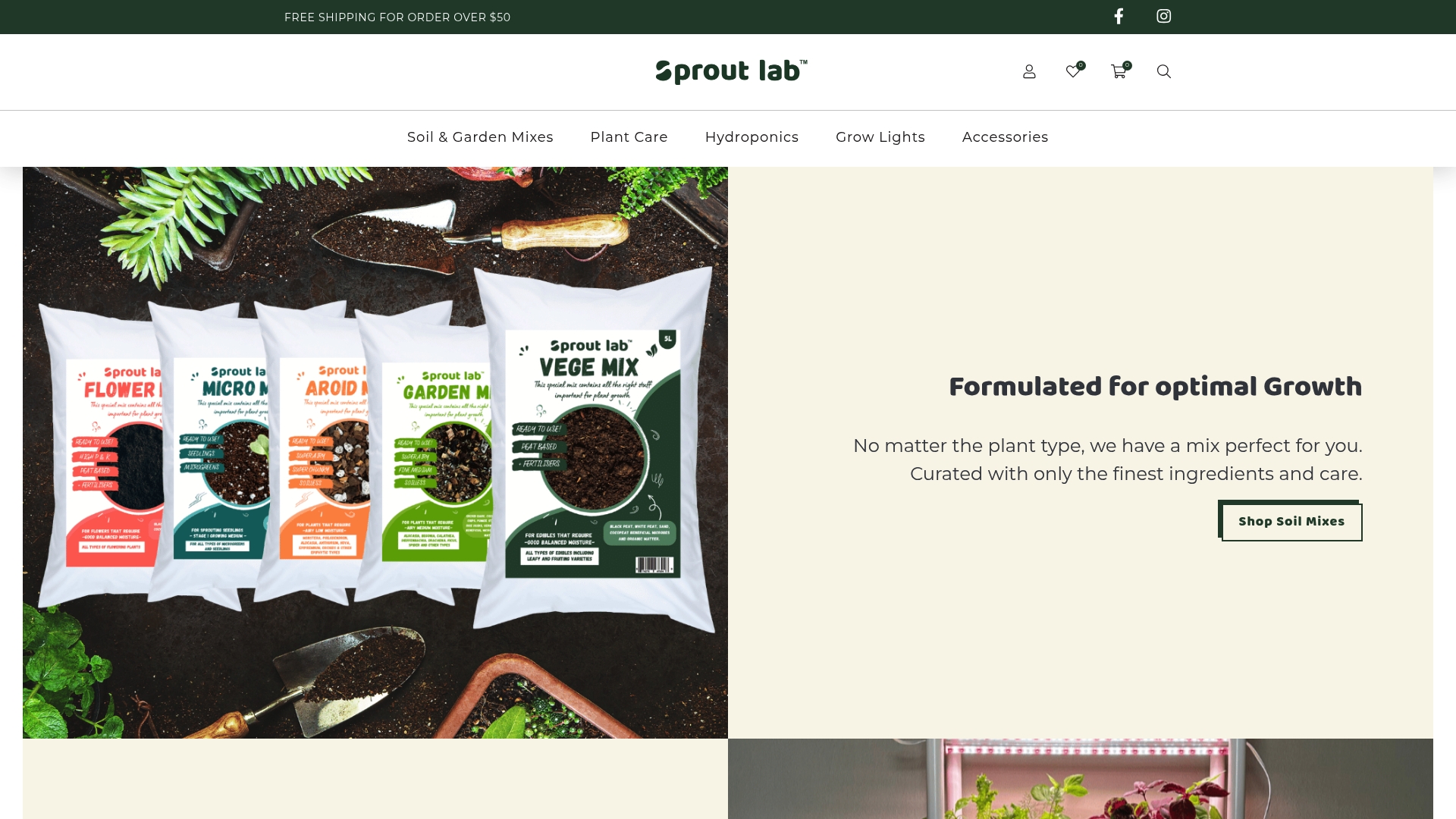
Sprout-lab also offers premium soil mixes designed to support strong germination and healthy root development from the start. Customers report rapid seed germination and improved plant health, and the brand holds a 4.9/5 star rating from over 25,000 completed orders. If your seed books are teaching you what to grow, Sprout-lab gives you the system to grow it well.
Seed books teach gardeners how to save, start, and grow plants from seed. The best titles cover pollination biology, isolation distances, seed storage, and regional growing advice.
The Complete Guide to Saving Seeds by Robert and Cheryl Moore-Gough is the strongest starting point. It covers 322 plant species with step-by-step instructions suited to all skill levels.
Beginners should start with open-pollinated and heirloom varieties like lettuce, tomatoes, and beans. These crops are forgiving, easy to process, and support long-term garden sustainability.
Seed to Seed by Suzanne Ashworth focuses specifically on 160 vegetables. For broader coverage including herbs, fruits, flowers, and shrubs, the Moore-Gough guide is the better choice.
Yes. The regional and technique-based advice in top seed books applies to container and indoor growing with some adaptation. Pairing a seed saving guide with resources on indoor food gardening gives you the most complete picture for small-space growers.