Free shipping for order over $50

Free shipping for order over $50
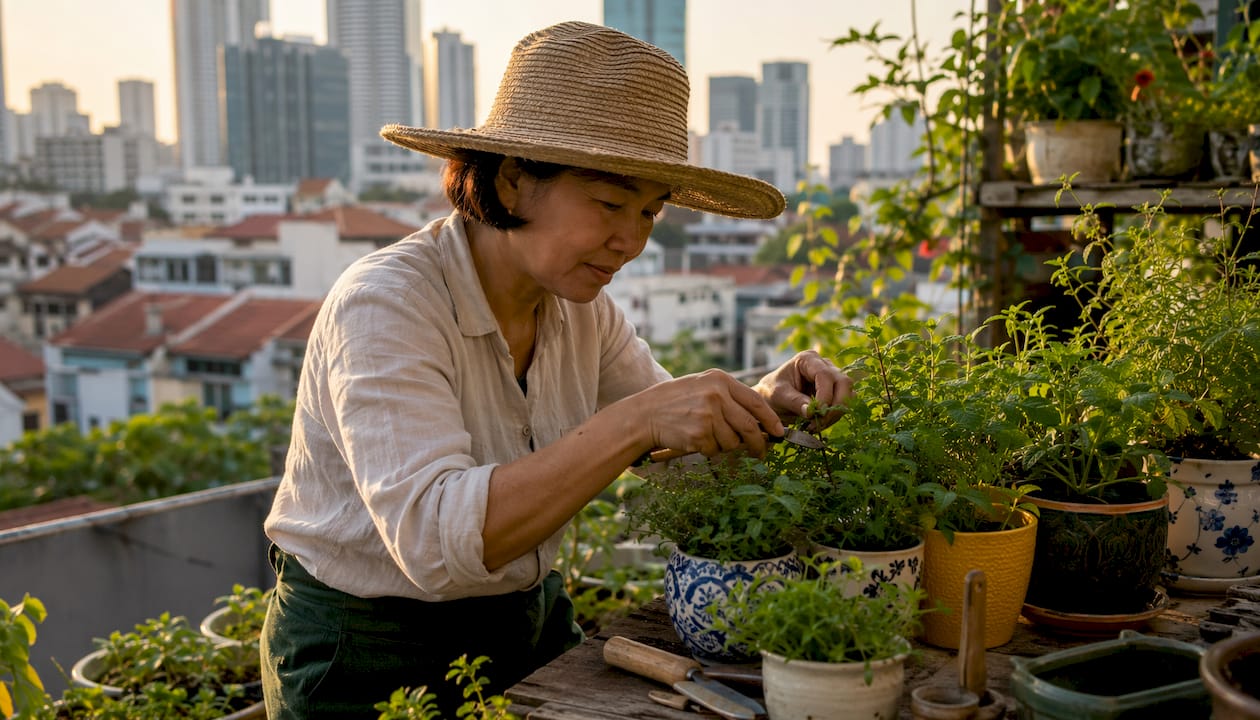
Singapore’s tropical climate is genuinely one of the best in the world for growing herbs at home. Basil, mint, pandan, lemongrass, and curry leaf all thrive here with minimal fuss, and most beginners can get a productive pot going within a few weeks. The herbs that struggle are Mediterranean varieties like rosemary and thyme, but even those are manageable with the right setup. Whether you have a sunny balcony, a kitchen windowsill, or just a shelf near a bright window, there is a herb that fits your space.
Best herbs to start with in Singapore:
Insufficient light is the top reason indoor herbs fail in Singapore, ahead of overwatering and poor soil. Most herbs need several hours of direct or bright indirect light daily. Basil, curry leaf, and lemongrass want full sun; mint and pandan do fine with filtered light throughout much of the day.
Care tips by herb type:
Pro Tip: Pinch off basil flower buds the moment they appear. Once basil flowers, leaf production drops sharply and the plant starts to decline.
Getting started is easier than most beginners expect. You have three practical options for sourcing: buy established plants from a nursery (fastest results), grow from seed (cheapest), or propagate from cuttings (free, if you have a friend already growing herbs).
Stem cuttings work well for mint, basil, and spring onions. Place a fresh cutting in water until roots develop, usually within a week, then pot it in well-draining soil. One critical note: change the water every few days to prevent mosquito breeding, which is a public health concern in Singapore.
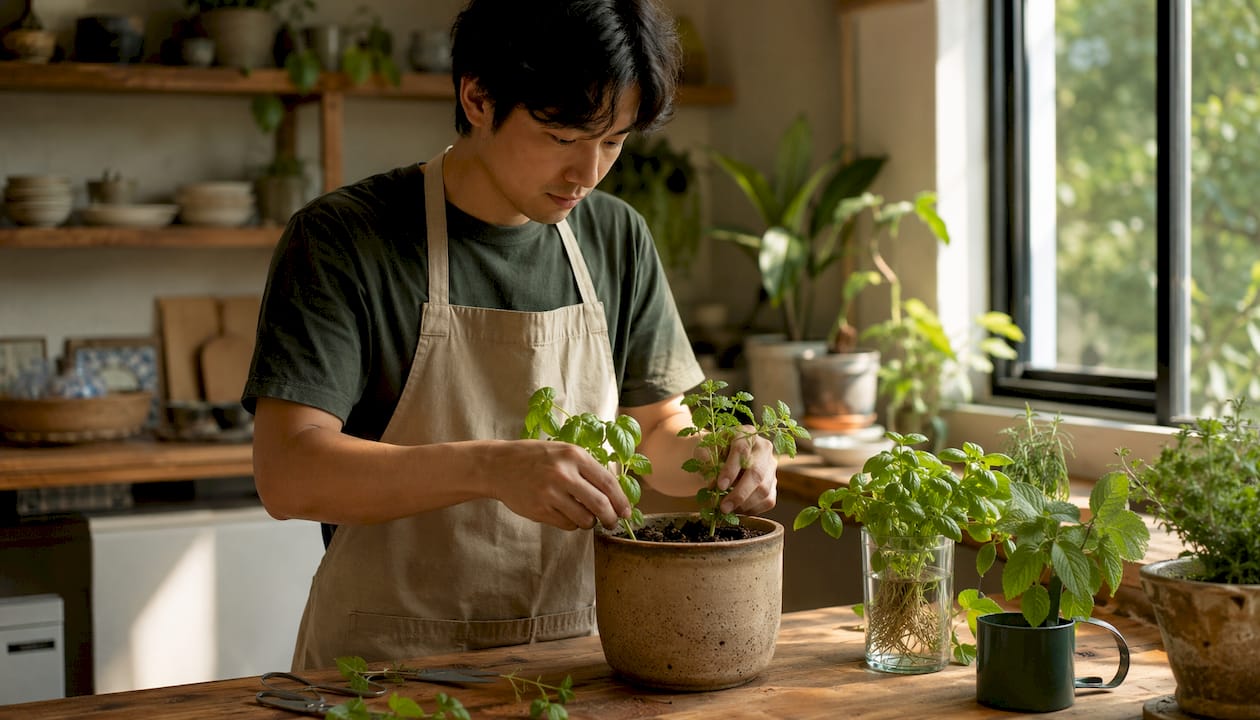
Curry leaf is the exception. Seeds remain viable for only up to three weeks after harvest, so sow them immediately. Buying an established plant from a nursery is the safer bet for beginners.
Best growing spots in a Singapore home:
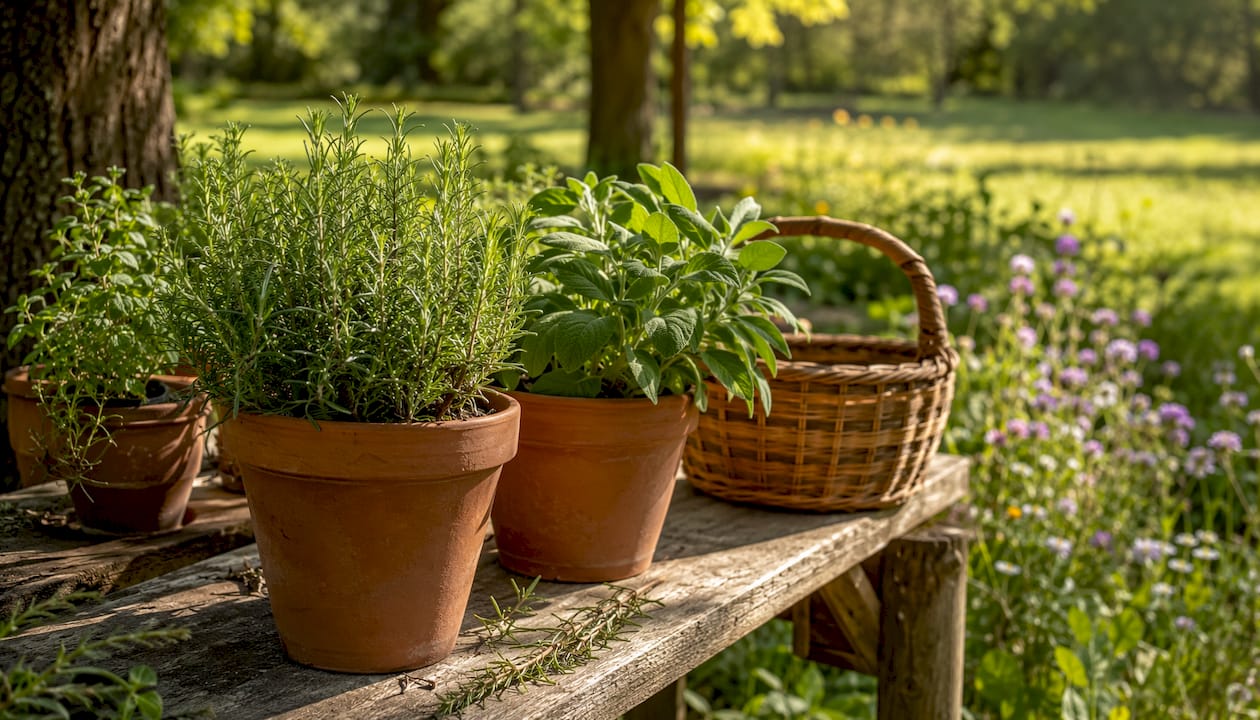
For containers, pots need drainage holes without exception. Terracotta dries faster, which suits rosemary and thyme. Plastic retains moisture longer, which works better for basil and mint. Most herbs are happy in a 15–20 cm diameter pot; lemongrass and curry leaf need something larger.
Soil gardening works, but hydroponics removes several of the biggest pain points for urban beginners: inconsistent watering, poor soil drainage, and limited space. Sprout-lab’s modular hydroponic systems support up to 56 plants in a compact footprint, with a 4.9/5 rating from over 25,000 orders. Customers consistently report faster germination and healthier plants compared to conventional potting methods.
Key advantages for Singapore herb growers:
For beginners who want reliable results without spending weeks troubleshooting soil problems, a hydroponic setup at home is worth serious consideration. Herbs like basil and mint respond particularly well to hydroponic growing, often producing denser, more flavorful leaves than soil-grown counterparts.
Frequent harvesting is the single most effective maintenance habit you can build. Cutting herbs regularly stimulates bushy, productive growth. Leaving them untouched too long causes them to become leggy and woody.
Check plants weekly for pests. A small aphid colony doubles fast in Singapore’s warmth. Spray with diluted neem oil at the first sign, not after the problem spreads. Avoid chemical pesticides on edible herbs entirely.
Singapore has no true winter, which means you can grow herbs year-round. That said, the wetter months from November through January bring less direct sunlight, which slows growth for sun-hungry herbs like basil and curry leaf. Mint and pandan handle the reduced light better.
The drier months from February through September are the most productive for most herbs. Lemongrass grows fastest in full sun during this period and can be divided and repotted every few months as it spreads. For Mediterranean herbs like rosemary and thyme, the drier months also reduce the humidity-related fungal pressure they face.
Succession planting works well for herbs that bolt quickly. Coriander, for example, runs to seed fast in Singapore’s heat. Sow a new pot every 2–3 weeks so you always have a fresh crop coming in, rather than waiting for one plant to recover.
Organic growing is straightforward at home scale and keeps your herbs safe to eat straight from the pot. The guiding principle: feed the soil, not just the plant.
Compost, liquid seaweed, bone meal, and fish emulsion are all effective organic nutrient sources for herbs. Liquid seaweed is particularly useful because it supplies trace elements and natural growth compounds that synthetic fertilizers skip. For pest control, neem oil and insecticidal soap handle the most common Singapore herb pests without chemical residue.
One often-missed practice: if you buy herbs from a nursery, only harvest the new leaves that grow after you bring the plant home. Nursery plants may carry residual pesticides on existing leaves. Wash all harvested herbs thoroughly before use regardless of source.
Herbs grown in pots deplete soil nutrients faster than in-ground plants, so regular feeding matters. The frequency depends on the herb type.
Feeding schedule by herb:
For hydroponic setups, nutrient solution concentration matters more than frequency. Follow the system’s recommended dilution and replace the solution fully every 1–2 weeks to prevent salt buildup. Sprout-lab’s soil mixes are formulated for tropical conditions and take the guesswork out of getting the balance right for container herb gardens.
Growing herbs in pots on a windowsill is satisfying. Growing 56 plants in the same footprint, with consistent results and no soil headaches, is what Sprout-lab delivers. Their modular hydroponic systems are built specifically for urban growers in compact HDB and condo spaces, and the 4.9/5 rating from over 25,000 orders reflects real results from real Singapore home growers.
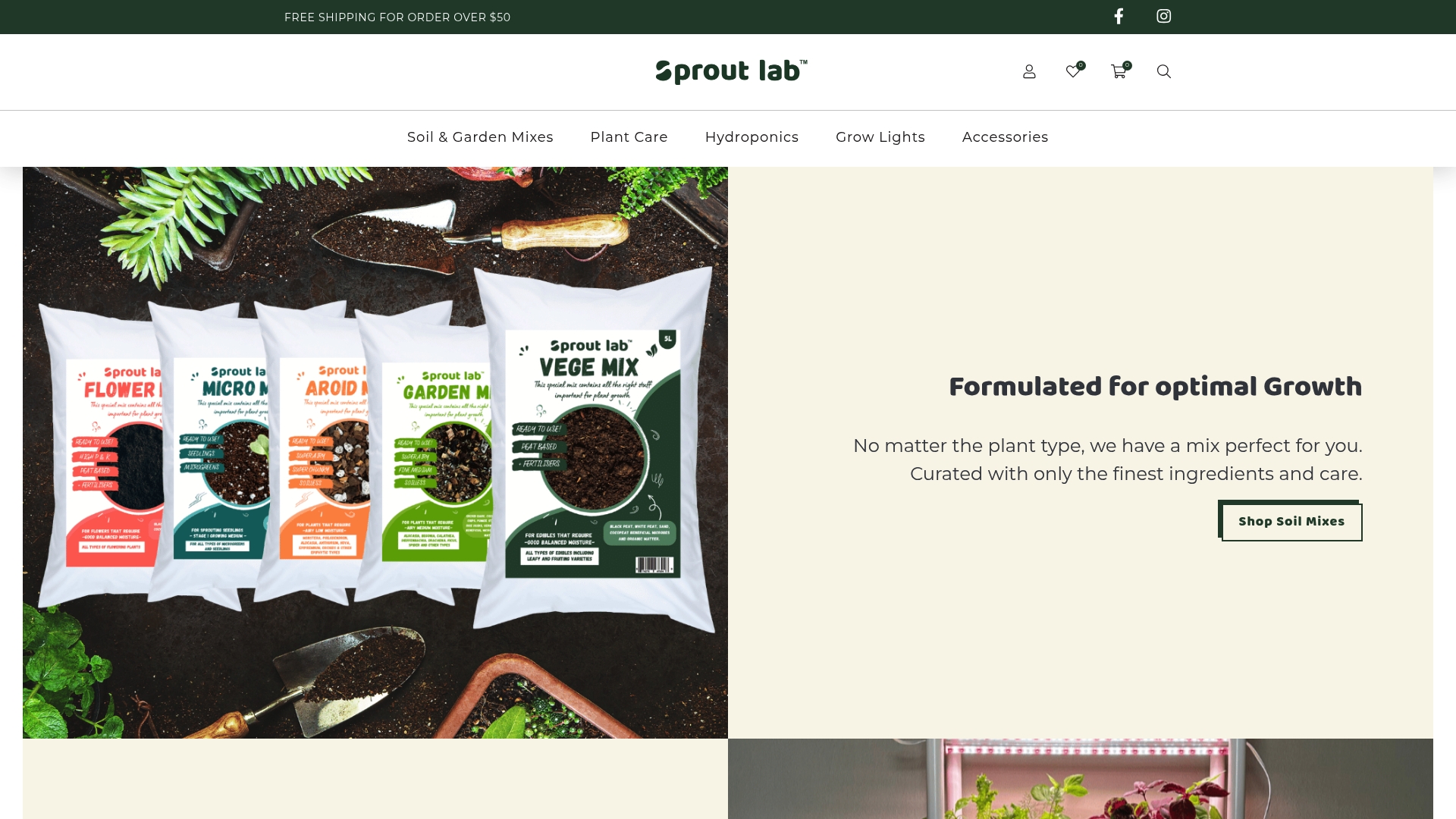
If you are starting from scratch or have tried soil gardening and hit a wall, Sprout-lab’s systems remove the variables that trip up beginners: drainage problems, inconsistent watering, and pest-prone soil. Their automated hydroponic setups handle water and nutrient delivery so you focus on harvesting, not troubleshooting. Browse their full range and find the system that fits your space.
Singapore’s tropical climate makes it one of the most herb-friendly environments in the world, and beginners who start with basil, mint, or pandan and pair them with well-draining containers and consistent light rarely fail.
| Point | Details |
|---|---|
| Best starter herbs | Basil, mint, pandan, lemongrass, and curry leaf thrive in Singapore’s tropical climate with minimal care and are considered beginner-friendly for indoor growing. |
| Light is the priority | Most herbs need at least 6 hours of direct or bright indirect light daily; insufficient light is the top reason herbs fail indoors. |
| Mediterranean herbs need extra care | Rosemary and thyme require very well-draining soil, good airflow, and less frequent watering to survive Singapore’s humidity. |
| Harvest frequently | Cutting herbs regularly stimulates bushy growth; never remove more than one-third of a plant at once. |
| Sprout-lab for urban growers | Sprout-lab’s modular hydroponic systems support up to 56 plants in compact spaces, rated 4.9/5 from over 25,000 orders. |
Yes, herbs grow well in Singapore year-round thanks to the tropical climate. Basil, mint, pandan, lemongrass, and curry leaf are especially well-suited to local conditions and are the five herbs most consistently recommended for beginners growing indoors in Singapore.
Pandan (Pandanus amaryllifolius) is one of the most commonly grown local plants and flourishes naturally in Singapore’s moist, warm environment. Lemongrass also grows readily in local conditions.
Oregano can grow in Singapore, but it needs a sunny, well-ventilated spot and very well-draining soil to handle the humidity. It is considered an intermediate herb here rather than a beginner pick.
Basil grows vigorously in Singapore and is one of the easiest herbs for beginners. Both Thai and sweet basil thrive with at least 6 hours of sunlight daily and consistent moisture.