Free shipping for order over $50

Free shipping for order over $50
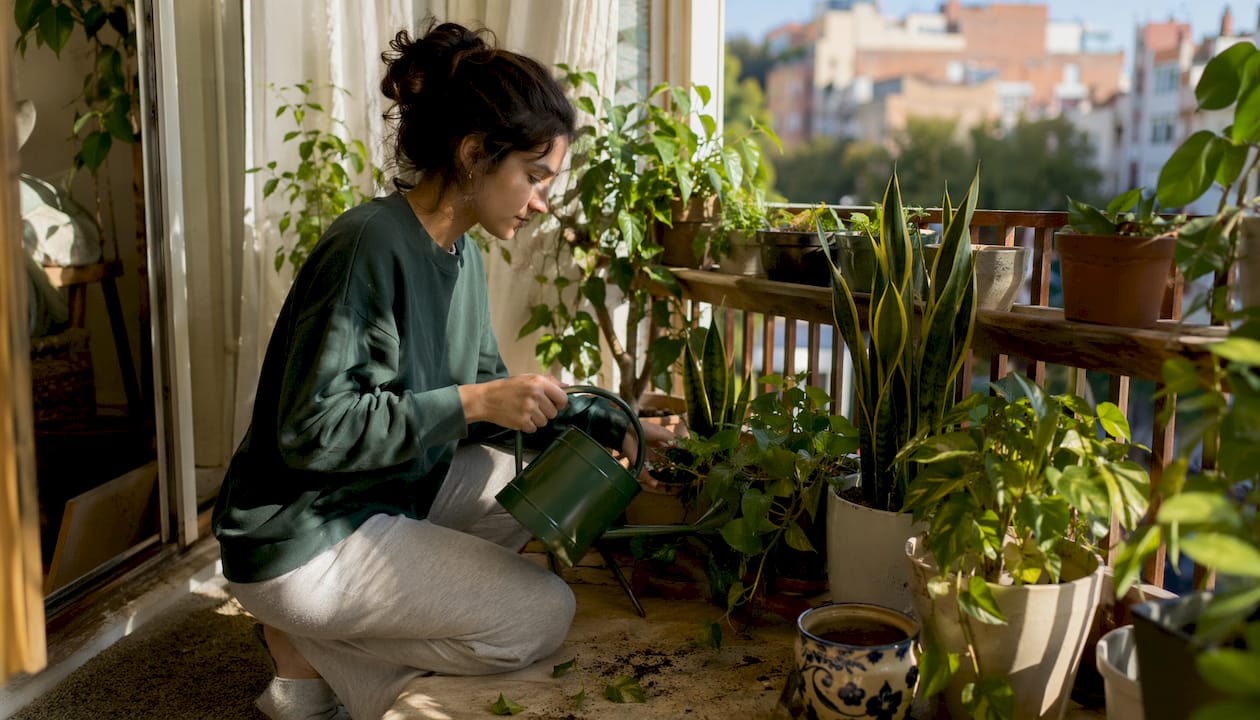
Low skill plants grown indoors are defined as species that survive on infrequent watering, tolerate low to bright indirect light, and thrive in the 30–60% humidity typical of most homes. Snake plant, pothos, and ZZ plant top every beginner list for good reason. They store water internally, bounce back from neglect, and ask almost nothing of you. Spider plant and peace lily round out the shortlist, adding pet safety and flowering to the mix. If you want greenery in your apartment without a complicated routine, these five species are where to start.
The single most important rule for easy indoor plants is this: water less than you think you should. Overwatering is the number one cause of beginner plant death. These species store water in their roots and leaves, so soggy soil kills them faster than drought ever would.
Light is the second critical factor. Light availability limits growth more than watering frequency for indoor plants. A snake plant in a dim hallway will survive, but it will not grow. Move it closer to a window with bright indirect light and you will see new leaves within weeks.
Temperature and humidity matter too, but most homes already get this right. The optimal temperature range for these species is 60–85°F, and standard indoor humidity of 30–60% suits them perfectly.
Common beginner mistakes to avoid:
Pro Tip: Press your finger one inch into the soil before watering. If it feels damp, wait three more days. Dry soil is your green light.
New plants also need time to settle. Allow 2–4 weeks of acclimation before expecting active growth. Slight drooping during this period is normal, not a sign of failure.
Snake plant (Sansevieria trifasciata, now reclassified as Dracaena trifasciata) is the most forgiving houseplant available. It tolerates low light, survives weeks without water, and grows upright, making it ideal for tight urban spaces. Water it every three to four weeks in winter and every two weeks in summer, only when the soil is completely dry.
Pro Tip: Snake plants prefer to be slightly root-bound. Skip repotting for at least a year after purchase.
Pothos (Epipremnum aureum) is a trailing vine that works on shelves, in hanging baskets, or trained up a moss pole. It prefers bright indirect light but tolerates lower light conditions. Placing it too far from a window causes pale, leggy growth. Water when the top inch of soil dries out, roughly every one to two weeks.
Pothos propagates in a glass of water. Cut a stem just below a node, strip the lower leaves, and submerge the node. Roots appear within two weeks.
ZZ plant (Zamioculcas zamiifolia) is built for neglect. Its thick rhizomes store water underground, meaning it only needs watering once or twice per month when the soil is completely dry. It grows slowly, which beginners often misread as poor health. Slow growth in ZZ plants signals durability, not distress. Place it anywhere from low to bright indirect light and largely ignore it.
Spider plant (Chlorophytum comosum) is one of the few pet-safe options on this list, making it the right choice if you have cats or dogs. It tolerates a range of light conditions, though it grows fastest near a bright window. Water when the top inch of soil dries, and expect it to produce trailing “spiderettes” after about a year of establishment.
Peace lily (Spathiphyllum spp.) is the best low maintenance plant for beginners who want flowers indoors. It signals thirst by drooping its leaves slightly, then perks back up within hours of watering. This built-in feedback system makes it nearly impossible to underwater accidentally. Keep it in low to medium indirect light and away from cold drafts.
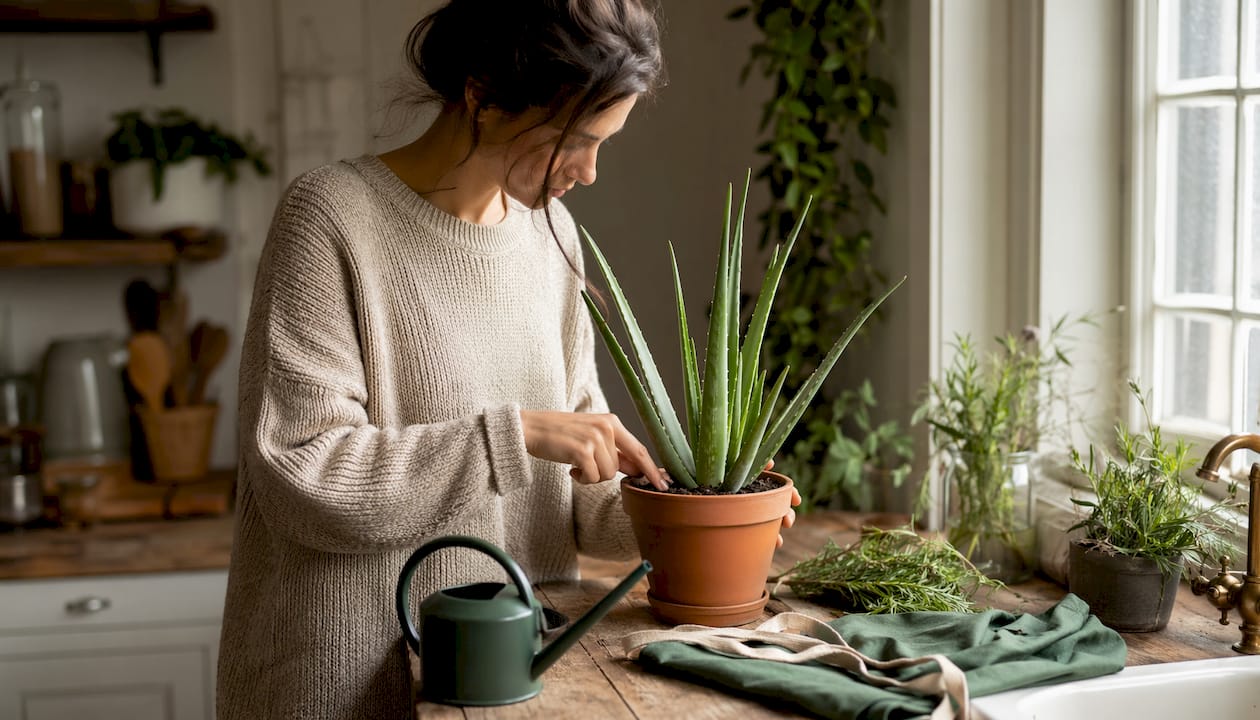
Aloe vera is a succulent that doubles as a first-aid tool. It needs a bright windowsill, ideally south or west facing, and water only every two to three weeks. Let the soil dry out completely between waterings. Aloe stores water in its fleshy leaves, so overwatering causes root rot quickly. It grows slowly but lives for years with minimal attention.
Jade plant (Crassula ovata) is another succulent suited to bright indoor spots. It grows into a small tree over time and tolerates weeks without water. Water sparingly in winter and slightly more in summer. Jade plants are sensitive to cold windowsills, so keep them away from drafty glass in colder months. They are mildly toxic to pets, so placement matters if you have animals at home.
Matching a plant to your space takes three minutes of honest assessment. Check where your natural light comes from, how often you realistically remember to water, and whether you have pets.
The table below compares the seven plants across the factors that matter most to beginners.
| Plant | Water needs | Light tolerance | Pet safe | Growth speed |
|---|---|---|---|---|
| Snake plant | Every 3–4 weeks | Low to bright indirect | No | Slow |
| Pothos | Every 1–2 weeks | Low to bright indirect | No | Fast |
| ZZ plant | Every 2–4 weeks | Low to bright indirect | No | Very slow |
| Spider plant | Every 1–2 weeks | Low to bright indirect | Yes | Moderate |
| Peace lily | Every 1–2 weeks | Low to medium indirect | No | Moderate |
| Aloe vera | Every 2–3 weeks | Bright indirect to direct | No | Slow |
| Jade plant | Every 2–3 weeks | Bright indirect | No | Slow |
Space matters as much as light. Pothos and spider plant spread wide or trail long. Snake plant and ZZ plant grow upright and stay compact. If your apartment has one small shelf near a window, a snake plant or aloe vera fits without crowding. For tips on making the most of limited square footage, the Sprout-lab guide on growing plants in small spaces covers practical layout strategies.
Propagation is the easiest way to multiply your plants for free. Pothos and spider plant are the best starting points because both root quickly and reliably.
How to propagate pothos:
How to propagate spider plant:
The most common propagation mistake is impatience. Roots take time, and disturbing cuttings to check progress slows the process. Leave them alone for at least a week before inspecting. For beginners interested in growing herbs at home, the same propagation patience applies.
The best low skill plants for indoor beginners succeed because they store water, tolerate variable light, and recover from neglect better than most species.
| Point | Details |
|---|---|
| Underwatering beats overwatering | Let soil dry completely before watering; soggy roots kill these plants faster than drought. |
| Light drives growth | Position plants near a bright indirect light source to see active growth, not just survival. |
| Start with one or two plants | Mastering care for one plant builds the confidence and habit needed before expanding. |
| Acclimation takes 2–4 weeks | Expect slow growth or slight drooping after purchase; this is normal adjustment, not failure. |
| Propagation is free expansion | Pothos and spider plant root in water within two weeks, letting you multiply your collection at no cost. |
The most common failure I see has nothing to do with neglect. It comes from too much attention. Beginners water on a schedule, mist leaves daily, and repot within the first week. Every one of those actions stresses a plant that was designed to survive dry seasons and low-light forest floors.
The second lesson took me longer to accept: light is everything. You can get away with imperfect watering. You cannot get away with a dark corner. A ZZ plant in low light will survive for months, but it will not grow a single new leaf. Move it three feet closer to a window and the difference shows up within a month.
My honest advice is to start with just one plant. Not five. One. Learn its signals, its watering rhythm, and how it responds to your specific light. Slow growth in tough plants like ZZ is not a problem to fix. It is the plant doing exactly what it evolved to do. Patience with a slow grower teaches you more about plant care than any fast-growing species ever will.
Pick a snake plant or a pothos, put it near your brightest window, and water it only when the soil is dry. That is the whole system. Everything else is refinement.
— Luna
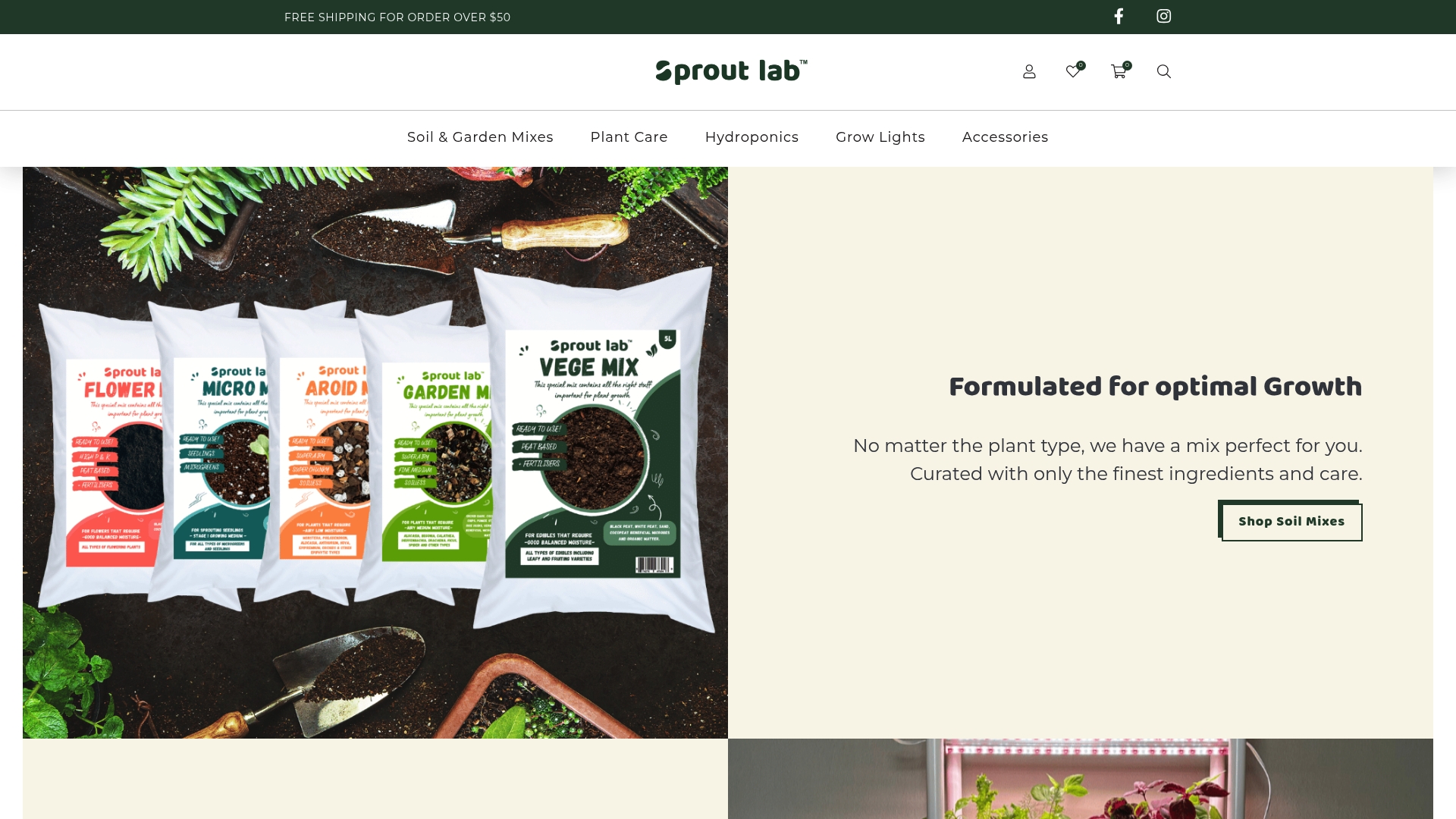
Getting the right growing medium is the step most beginners skip, and it is the one that makes the biggest difference in root health. Sprout-lab’s indoor-ready soil mixes are formulated for the drainage and aeration that low maintenance plants need, so you are not fighting compacted potting soil that holds too much water.
For beginners ready to go beyond decorative plants and grow food indoors, Sprout-lab’s automated hydroponic setups remove most of the guesswork from watering and feeding. The modular systems fit compact urban spaces and scale as your confidence grows. With a 4.9/5 star rating across more than 25,000 completed orders, Sprout-lab is a practical next step for anyone serious about indoor growing.
Snake plant, pothos, and ZZ plant are the top three beginner-friendly choices. They tolerate low to bright indirect light and survive three to four weeks without watering.
Water only when the top inch of soil is completely dry. ZZ plant and snake plant need water just once or twice per month, while pothos and spider plant need water every one to two weeks.
Spider plant is the standout pet-safe option among low maintenance houseplants. Peace lily, pothos, and ZZ plant are toxic to cats and dogs, so keep them out of reach if you have pets.
Slow or no growth usually means insufficient light, not a watering problem. Plants in low light grow slowly but survive. Move the plant closer to a bright window and allow four to six weeks to see a change.
Yes. Pothos roots from stem cuttings in a glass of water within two weeks. Spider plant offsets, called spiderettes, root just as quickly and can be potted once roots reach one inch long.