Free shipping for order over $50

Free shipping for order over $50
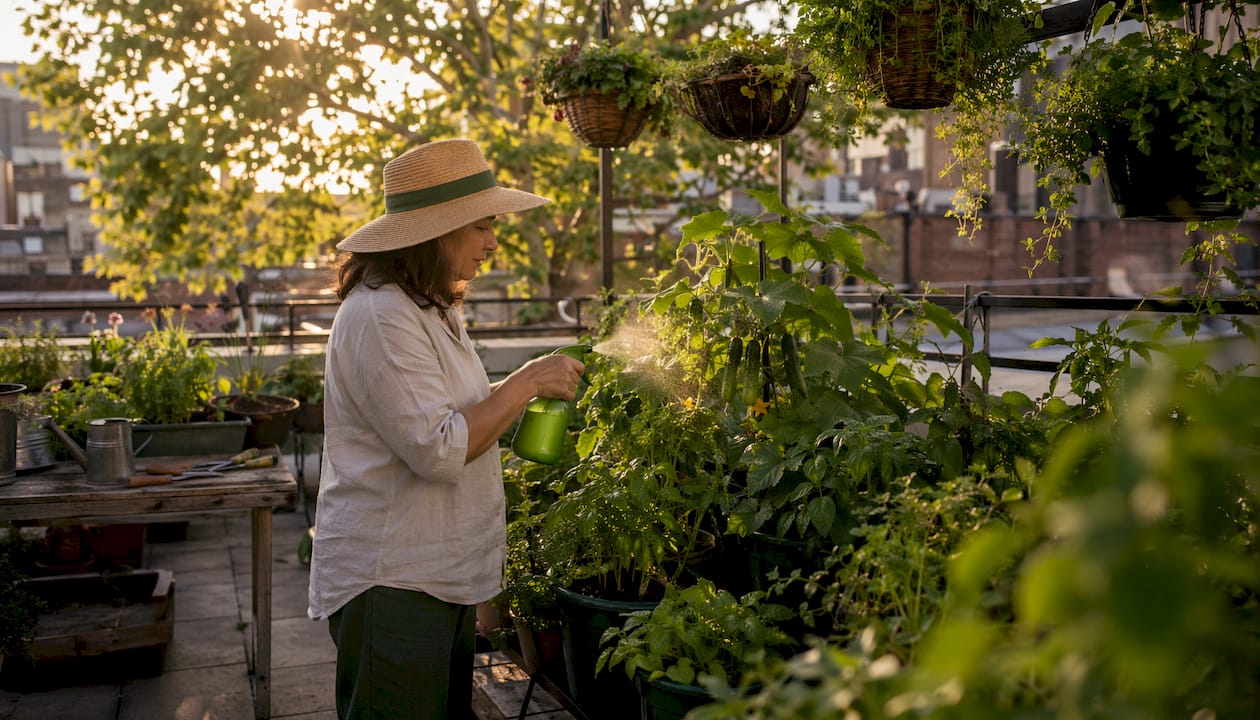
Balcony food gardening is the practice of growing edible plants in containers on an outdoor balcony, using vertical space, sunlight management, and compact plant varieties to produce real food in limited square footage. The best balcony food garden ideas work because they treat your balcony as its own microclimate, not a scaled-down version of a backyard plot. Get three things right: sunlight hours, container depth, and plant selection. Everything else builds from there.
Your balcony’s sunlight hours determine every plant decision you make. Full sun means 6–8 hours of direct light per day, partial sun means 4–6 hours, and shade means 2–4 hours. Tomatoes and peppers need full sun. Lettuce and herbs do fine in partial sun.
Track your balcony’s light by checking it every two hours on a clear day. Note where shadows fall from walls, railings, and neighboring buildings. Most urban balconies get more shade than their owners expect.
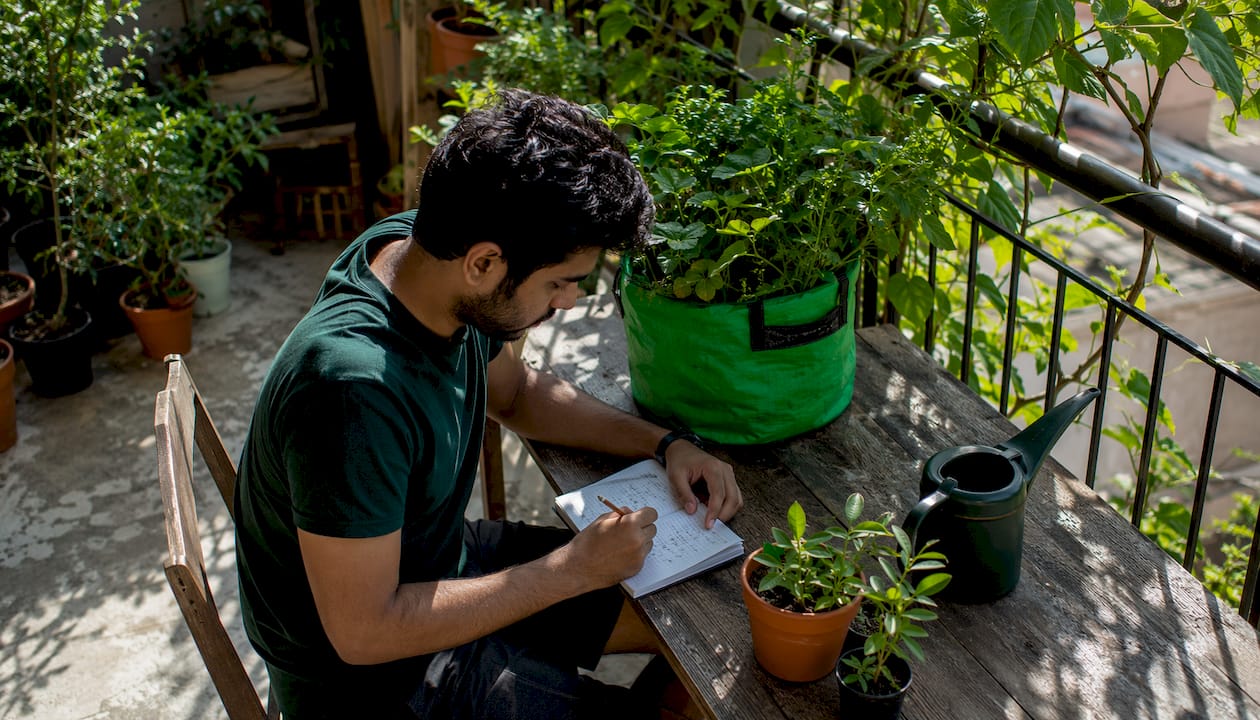
Wind is the second factor most beginners ignore. Wind screens with perforations can cut wind speed by 40–60%, which reduces moisture loss and prevents stem damage. A bamboo screen or a row of tall, hardy plants along the windward edge works well.
Weight capacity matters more than most people realize. Fully saturated vertical towers can weigh up to 80 pounds. Check your building’s load specifications before adding heavy planters or shelving units.
Pro Tip: Place a piece of white paper on the balcony floor at noon. If it casts a sharp shadow, you have full sun. A faint shadow means partial sun.
Plant selection is the single biggest factor in whether your balcony garden produces food or frustrates you. Match plants to your actual light conditions, not the ones you wish you had.
Full sun balconies (6+ hours) support the most productive crops:
Partial sun balconies (4–6 hours) are ideal for:
Shade balconies (2–4 hours) can still grow:
Prioritize a few “hero crops” like dwarf cherry tomatoes or peppers to keep you motivated, then fill remaining space with fast-harvesting “workhorse” crops like lettuce and basil. Hero crops give you something to look forward to. Workhorse crops give you something to eat every week.
Start with seedlings rather than seeds for your first season. Seedlings cut 4–6 weeks off your timeline and reduce early failure. Once you understand your balcony’s conditions, add direct-sown crops like radishes and lettuce to save money.
Pro Tip: Grow basil next to tomatoes. Basil repels aphids and thrives in the same full-sun, warm conditions. One pot of each covers both pest control and flavor.
Container depth controls root health, and root health controls yield. Herbs and leafy greens need 6–10 inches of depth. Tomatoes, peppers, and cucumbers need at least 12–14 inches. Undersized containers are the most common reason balcony vegetables fail to produce.
Fabric grow bags outperform plastic pots for most vegetables. Fabric pots promote air pruning, which means roots stop growing when they hit air instead of circling the pot. The result is a denser, healthier root system and better nutrient uptake.
Never fill containers with garden soil from the ground. Use a soilless potting mix made from equal parts compost, coconut coir, and perlite or vermiculite. This combination retains moisture without waterlogging and keeps roots aerated. Sprout-lab’s premium potting mixes are formulated specifically for container growing and include the right balance of these components.
Light-colored containers reduce heat stress on roots. Dark plastic pots absorb heat from concrete and reflected sunlight, which can raise root zone temperatures enough to stall growth. White or light gray fabric bags are the best default choice for a sunny urban balcony.
Pro Tip: Add a layer of mulch on top of your potting mix. It slows evaporation, which means less frequent watering and more stable root temperatures.
Vertical structures are the most effective small space gardening idea for balconies. A three-tier vertical shelf holds 9–12 pots in the footprint of a single large container. That is a threefold increase in growing capacity without adding floor space.
The most useful vertical structures for balcony food gardens include:
Climbing plants like pole beans and cucumbers grow upward naturally with minimal support. A simple bamboo trellis or a length of garden netting attached to a railing gives them what they need. These plants produce heavily relative to the floor space they occupy.
Urban balcony gardens with vertical layering can produce 15–25 pounds of fresh produce annually in about 20 square feet. That output requires succession planting and consistent care, but the vertical structure makes it physically possible.
Mix plant heights and leaf textures deliberately. Tall tomatoes at the back, medium herbs in the middle, and trailing nasturtiums at the front creates a layered look that also manages light efficiently. Every plant gets exposure. Nothing shades out a neighbor.
Consistent care separates a productive balcony garden from a struggling one. Container plants dry out faster than ground plants because the soil volume is small and the pot walls absorb heat. Water when the top inch of soil feels dry, and water deeply until it drains from the bottom. During hot summer months, daily watering is often necessary.
Morning watering is better than evening watering. Wet foliage overnight encourages fungal disease. Morning water gives leaves time to dry before temperatures drop.
Feeding container vegetables matters more than most beginners expect. Container soil loses nutrients faster than ground soil because frequent watering flushes them out. Apply a balanced liquid fertilizer every 1–2 weeks during the growing season. Slow-release granular fertilizer added at planting gives a steady baseline, with liquid feeding as a top-up.
Succession planting lettuce every three weeks keeps your balcony visually full and gives you a continuous harvest instead of one large glut. Sow a new tray of seeds while the previous batch is at peak harvest. This single habit doubles the productivity of any balcony herb garden or leafy green setup.
Pro Tip: Keep a simple log of what you planted, when you watered, and what you harvested. After one season, you will know exactly which plants performed and which to replace.
Plant tall, hardy plants on the windward side of your balcony to shield more delicate plants behind them. Rosemary, tall peppers, and ornamental grasses all work as living windbreaks. This technique costs nothing and reduces wind damage without blocking light.
Grouping pots together creates a cooler, more humid microclimate. Clustered containers share moisture through evaporation, which lowers the ambient temperature around the plants. This is especially useful on balconies surrounded by concrete, where the urban heat island effect raises temperatures well above street level.
Mulch layers and clustered pots protect roots from heat reflected off concrete floors and walls. A two-inch layer of straw or wood chip mulch on top of your potting mix cuts evaporation significantly. Pair this with grouping and you reduce watering frequency without sacrificing plant health.
Urban gardeners need to shift their mindset from managing a ground plot to managing a containerized microclimate. Wind, reflected heat, and limited soil volume are the real variables. Once you accept that, every decision from container color to plant placement becomes clearer.
A productive balcony food garden depends on matching plants to real sunlight hours, using correct container depth, and applying vertical structures to multiply growing space.
| Point | Details |
|---|---|
| Measure sunlight first | Count actual sun hours on three days before choosing any plants. |
| Match container depth to plant type | Herbs need 6–10 inches; tomatoes and peppers need 12–14 inches minimum. |
| Use soilless potting mix | Combine compost, coconut coir, and perlite for moisture retention and aeration. |
| Go vertical to multiply space | A three-tier shelf holds 9–12 pots in the footprint of one large container. |
| Succession plant leafy greens | Sow lettuce every three weeks for a continuous harvest all season. |
The biggest mistake I see beginners make is copying what works in a backyard and expecting the same results on a balcony. A balcony is not a small garden. It is a microclimate with its own wind patterns, heat pockets, and light angles that change by the hour.
My most reliable crops are dwarf cherry tomatoes and basil in full sun, and cut-and-come-again lettuce in partial shade. These three plants alone justify the whole setup. The tomatoes give me something to check on every day. The lettuce gives me something to eat every week. That rhythm keeps the garden alive through the less exciting weeks.
The one thing I wish someone had told me earlier: start with two or three plants, not ten. Ten plants on a first-season balcony means ten chances to get discouraged. Two plants that thrive teach you more than ten that struggle. Once you understand your balcony’s light and wind, you can grow food in small urban spaces with real confidence.
Celebrate the small wins. Your first ripe tomato, your first bowl of homegrown salad, the first time you cook with herbs you grew yourself. These moments are what make the daily watering worth it.
— Luna
Growing food on a balcony gets easier when your setup works with you, not against you. Sprout-lab specializes in compact growing systems designed specifically for urban spaces, including modular hydroponic setups that fit on a standard balcony and can grow up to 56 plants in a small footprint.
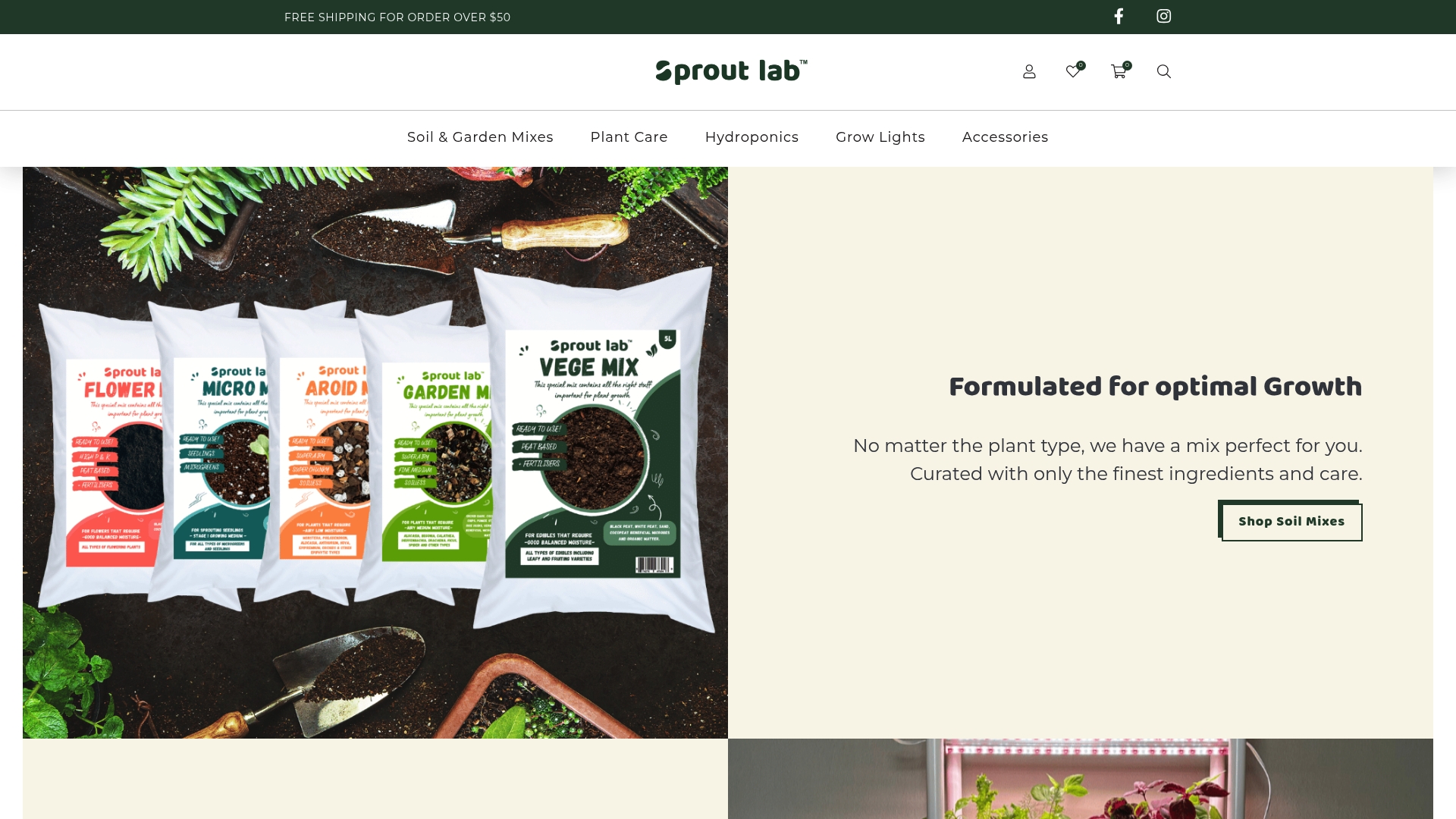
Sprout-lab’s soil mixes are formulated for container vegetable gardening, with the coconut coir, compost, and perlite balance that container plants need. Their automated hydroponic setups handle watering and nutrient delivery on a schedule, which removes the most common cause of balcony plant failure. With a 4.9/5 star rating from over 25,000 completed orders, Sprout-lab is a proven starting point for any urban grower ready to take their balcony garden seriously.
Dwarf cherry tomatoes, peppers, lettuce, spinach, and herbs like basil and parsley are the most reliable balcony crops. Match your plant choice to your actual sunlight hours: fruiting vegetables need 6+ hours, while leafy greens and herbs thrive with 4–6 hours.
Start by measuring your sunlight hours, then buy two or three seedlings suited to those conditions. Use containers with the correct depth, fill them with a soilless potting mix, and water when the top inch of soil feels dry.
A well-organized balcony garden with vertical layering and succession planting can produce 15–25 pounds of fresh produce annually in about 20 square feet. Consistent care and plant rotation are what drive that output.
Standard garden soil compacts in containers and blocks drainage. Use a soilless potting mix made from compost, coconut coir, and perlite or vermiculite for healthy root growth and proper moisture control.
Water when the top inch of soil feels dry, which may mean daily during hot summer months. Water deeply in the morning until it drains from the bottom of the container, and feed with liquid fertilizer every 1–2 weeks during the growing season.