Free shipping for order over $50

Free shipping for order over $50
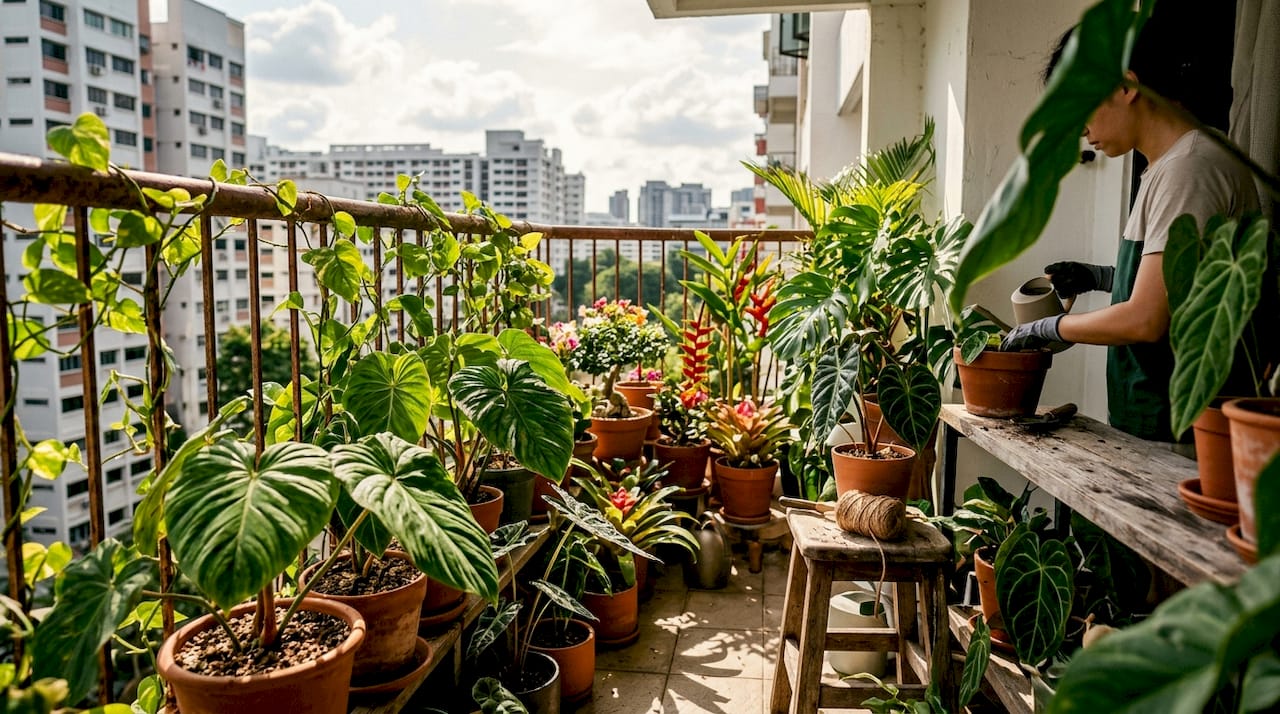
Aroids are defined as flowering plants in the family Araceae, and Singapore’s tropical environment is the single biggest reason they grow faster here than almost anywhere else on earth. The answer to why aroids grow fast in Singapore comes down to three compounding factors: stable warmth, high ambient humidity, and soil that keeps roots breathing. Species like Alocasia, Philodendron, and Rhaphidophora tetrasperma never enter dormancy here. They grow all year, replacing leaves and pushing new growth on a cycle that temperate gardeners can only envy. Get the substrate and light right, and you will see results that feel almost unreasonable.
Singapore’s climate removes the single biggest brake on aroid growth: winter. In temperate zones, aroids slow down or go dormant when temperatures drop. Alocasia in Singapore maintain 3–5 active leaves and replace the oldest leaf with a new one every 2–6 weeks once the plant recovers from any stress. That cycle never stops. There is no cold season to interrupt it.
Aroids evolved on the floors and lower canopies of tropical rainforests, where temperatures stay consistently warm and humidity rarely drops. Singapore replicates those conditions naturally. The result is a plant that stays in active metabolic growth mode every single day of the year.
High ambient humidity is the second major driver. Humidity levels of 60–80% or higher reduce the moisture stress that forces plants to slow transpiration and growth. When a plant does not have to fight to retain water, it redirects that energy into producing new leaves and roots. Singapore’s outdoor humidity regularly exceeds 80%, which means aroids grown on balconies or near open windows get this benefit for free.
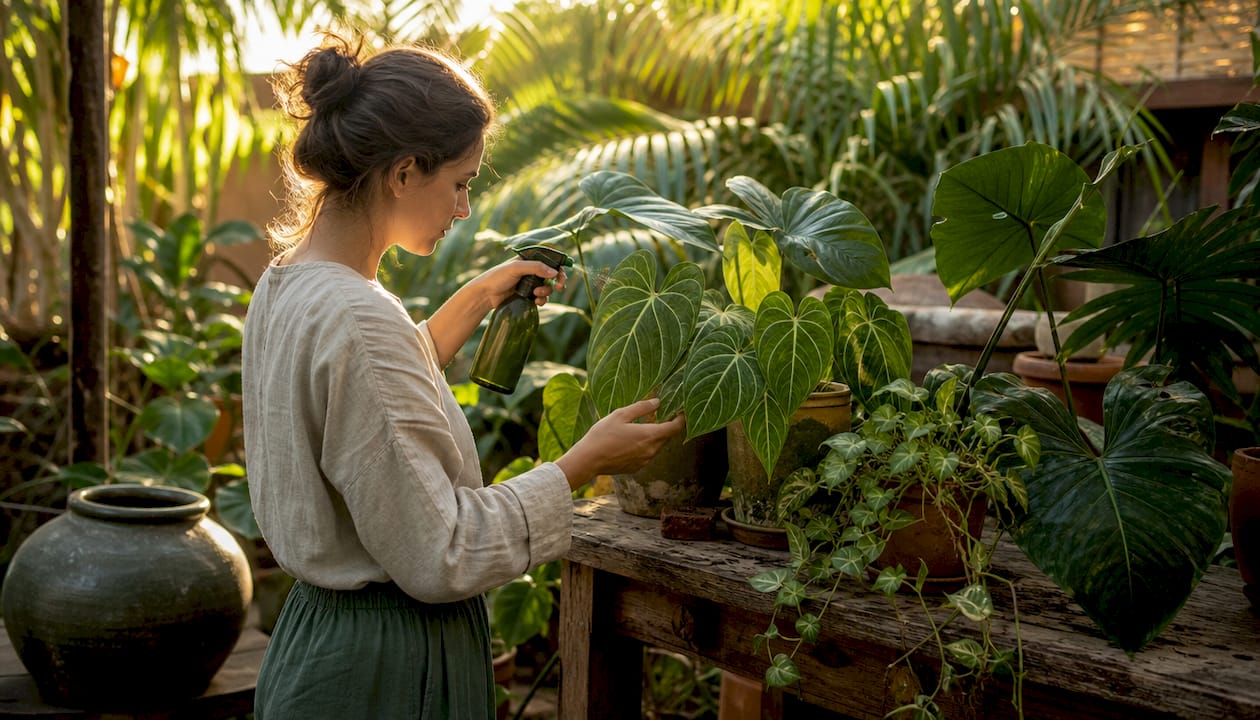
Light is the third factor, and it is more nuanced than most gardeners expect. Aroids evolved under forest canopies, not in open sun. Bright indirect light that simulates tropical forest gaps drives rapid leaf production. Direct midday sun causes leaf scorch, which stalls growth and damages the plant’s ability to photosynthesize efficiently.
Key climate conditions that support fast aroid growth in Singapore:
Pro Tip: Place aroids near an east-facing window or under a shaded balcony roof. They get bright morning light without the harsh midday sun that scorches leaves and stalls growth.
Soil is where most urban gardeners lose the growth speed that Singapore’s climate offers them. The right substrate does two things simultaneously: it drains fast enough to prevent root rot, and it holds just enough moisture to keep roots hydrated between waterings.
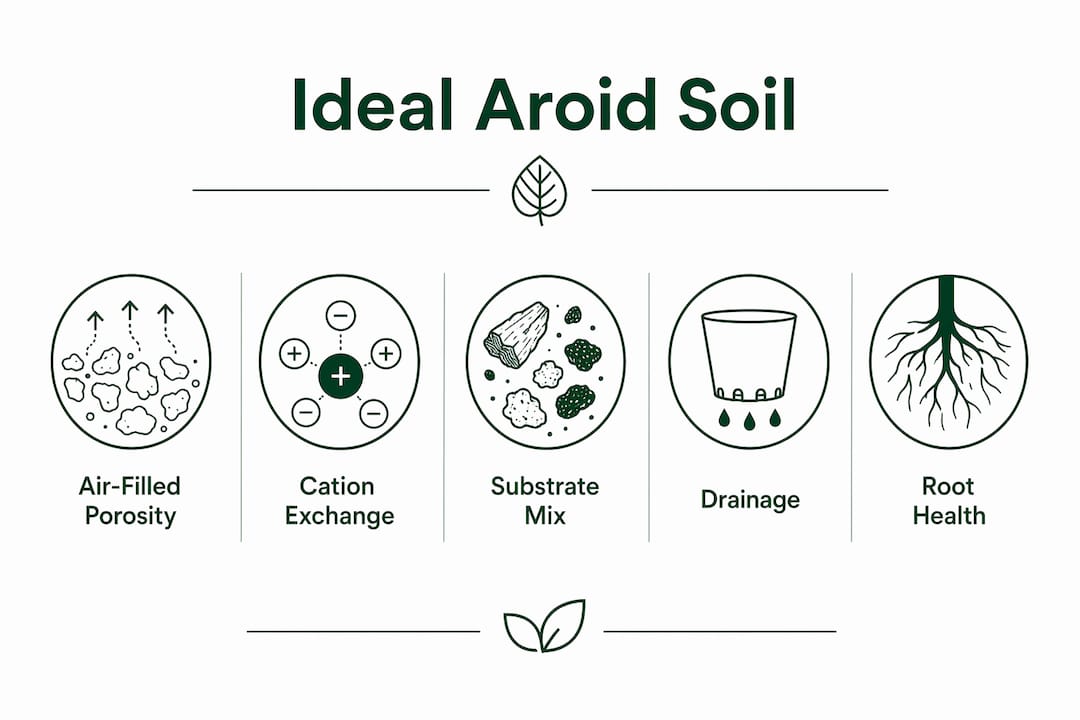
The gold standard for aroid substrate targets an Air-Filled Porosity (AFP) of 50–60% and a Cation Exchange Capacity (CEC) of 15–25 meq/100g. AFP measures how much air remains in the soil after watering. CEC measures how well the soil holds and releases nutrients to roots. Both numbers matter because roots need oxygen just as much as they need water and food.
A practical mix that hits these targets combines orchid bark, perlite, and coco coir. Orchid bark, perlite, and coco coir together promote fast drainage and root health. Orchid bark creates large air pockets. Perlite prevents compaction. Coco coir retains just enough moisture without becoming waterlogged.
| Substrate type | Drainage | Aeration | Root rot risk |
|---|---|---|---|
| Standard potting mix | Low | Low | High |
| Peat-heavy mix | Low | Very low | Very high |
| Chunky aroid mix (bark, perlite, coco coir) | High | High | Low |
| Inert media (LECA, pumice) | Very high | Very high | Very low |
Dense or peat-heavy mixes are the most common cause of indoor aroid failure. Peat compacts over time, cutting off oxygen to roots and creating the wet, stagnant conditions that rot sets in. A plant with rotting roots cannot grow fast regardless of how good the climate is.
Fertilizer completes the picture. Balanced NPK formulas like 10-10-10 or 20-10-20 applied monthly support significant size and growth. Philodendron species respond well to fortnightly liquid fertilizers during active growth periods. Alocasia macrorrhizos, which can reach leaves of 100–200 cm, requires monthly balanced fertilization with added micronutrients to sustain that kind of vertical growth.
Pro Tip: Mix your own aroid soil blend using two parts orchid bark, one part perlite, and one part coco coir. This ratio hits the AFP and CEC targets without any guesswork about bag ingredients.
Consistent care is what separates a slow, struggling aroid from a lush, fast-growing specimen. Aroid growth speed varies primarily by care routine: feeding, watering, support, and light. Consistency transforms slow growers into lush plants.
Follow these four techniques to maximize growth speed:
Water consistently, not excessively. Water when the top 2–3 cm of the chunky mix feels dry. In Singapore’s heat, this often means watering every 2–3 days. Soggy soil kills roots. Dry soil stalls growth. The goal is moist but never wet.
Prune for lateral growth. Pruning apical dominance stimulates lateral branching and produces a bushier, faster-growing plant. Remove the growing tip on Philodendron species to redirect energy into multiple new shoots instead of one slow central stem.
Provide a climbing support. Staking climbing aroids like Philodendron gigas or Rhaphidophora tetrasperma triggers a morphological change. The plant recognizes it has a surface to climb and begins producing larger, more mature leaves. Larger leaves mean more photosynthesis and faster overall growth.
Feed on a schedule. Apply a balanced liquid fertilizer every two weeks during the active growing season. Do not skip feedings. Neglect leads to stunted juvenile plants that stay small and slow regardless of climate. Consistent nutrition is non-negotiable for fast growth.
Misting leaves and running a small fan nearby also helps. Gentle air circulation reduces fungal pressure and keeps humidity high around the foliage without creating the stagnant air that encourages disease. Singapore’s soil quality and care consistency together determine whether your aroids reach their growth ceiling.
Singapore’s climate gives aroids every advantage. Poor care choices cancel that advantage out. These are the mistakes that most commonly stall growth, even in ideal conditions.
Using dense potting soil. Standard potting mixes compact quickly in Singapore’s heat and frequent watering cycles. Dense soil causes root rot, which is the most common reason indoor aroids fail. Switch to a chunky mix immediately if your plant is sitting in standard potting soil.
Exposing plants to direct midday sun. Singapore’s sun is intense. Direct sun causes leaf scorch even on species that tolerate full sun in cooler climates. Scorched leaves cannot photosynthesize properly, and the plant diverts energy to damage repair instead of new growth.
Ignoring airflow. High humidity is beneficial. Stagnant humid air is not. Without gentle air movement, fungal issues like root rot and leaf spot spread quickly. A small USB fan on low solves this problem in most HDB flats and condos.
Inconsistent watering. Letting the soil dry out completely between waterings stresses the plant and interrupts its growth cycle. Proper watering reduces the risk of corm damage or rot while keeping the plant in active metabolic growth. Check the soil every two days rather than watering on a fixed calendar schedule.
Skipping fertilizer. Aroids in Singapore grow fast and consume nutrients quickly. A plant that is never fed will exhaust the nutrients in its mix within weeks and then stall. Monthly or fortnightly feeding is not optional for fast growth.
Aroids grow fast in Singapore because the tropical climate, correct substrate, and consistent care together eliminate every natural brake on growth.
| Point | Details |
|---|---|
| Climate drives year-round growth | Singapore’s warmth and humidity keep aroids in active growth with no dormancy period. |
| Substrate AFP and CEC matter | Aim for 50–60% AFP and 15–25 meq/100g CEC to maximize root health and nutrient uptake. |
| Chunky mix prevents root rot | Orchid bark, perlite, and coco coir outperform standard potting soil for aroid health. |
| Pruning and staking accelerate growth | Removing apical dominance and providing a climbing support produces larger leaves faster. |
| Consistency is the deciding factor | Regular feeding, correct watering, and filtered light separate fast growers from slow ones. |
Most gardeners I talk to underestimate how much the soil choice matters compared to the climate. They assume Singapore’s weather does all the work. It does not. I have seen Alocasia planted in standard potting mix sit completely still for months while an identical plant in a chunky bark-and-perlite mix pushes a new leaf every three weeks. The climate sets the ceiling. The substrate determines whether you reach it.
The other thing I keep coming back to is light placement. Gardeners move aroids into corners because they look good there aesthetically. Then they wonder why growth slows. Aroids need bright filtered light, not decorative dim corners. A sheer curtain between the plant and a west-facing window is often all it takes to double the growth rate.
Singapore’s grow-your-own movement has brought a lot of new gardeners to aroids, which is genuinely exciting. My honest advice: spend the money on a good soil mix before you spend it on a rare plant. A common Pothos in the right substrate will outperform a rare Philodendron in bad soil every single time. Get the fundamentals right, and Singapore’s climate rewards you generously.
— Luna
Urban gardeners who want to stop guessing about substrate can find purpose-built options at Sprout-lab. The brand’s specialized soil mixes are formulated for tropical plants like aroids, hitting the drainage and aeration targets that standard potting mixes miss entirely.
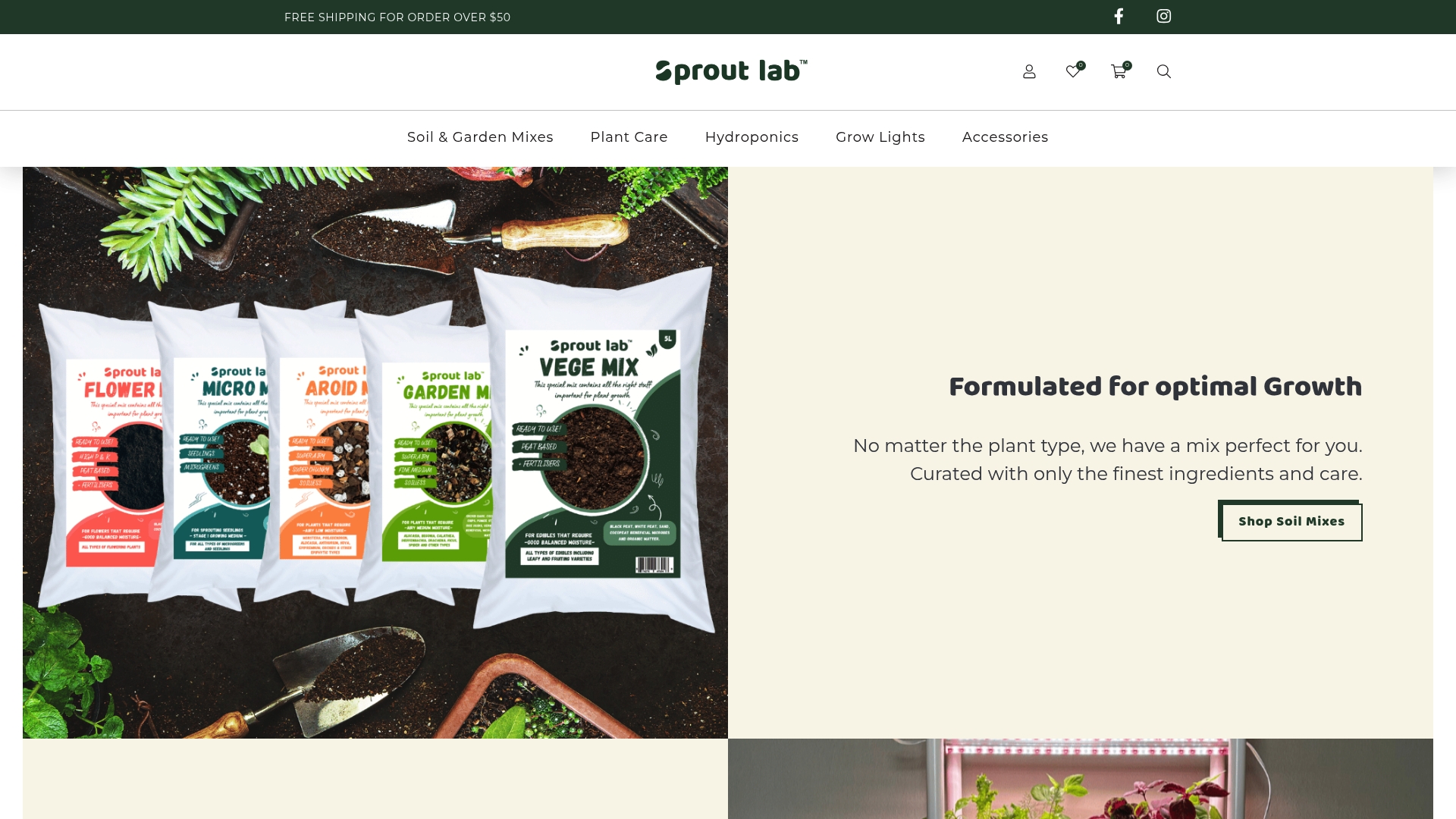
For gardeners who want to take aroid care further, Sprout-lab’s automated hydroponic setups remove the inconsistency from watering and feeding, which are the two variables that most often stall growth. The modular systems fit HDB flats and condo balconies without requiring dedicated garden space. Sprout-lab has completed over 25,000 orders with a 4.9/5 star rating, and the products are built specifically for Singapore’s urban growing conditions.
Singapore’s stable warmth and high humidity eliminate dormancy and keep aroids in continuous active growth. Combined with the right soil and light, these conditions replicate the plants’ native tropical rainforest habitat.
A chunky mix of orchid bark, perlite, and coco coir with an Air-Filled Porosity of 50–60% gives roots the oxygen and drainage they need to grow quickly without rotting.
Apply a balanced NPK fertilizer like 10-10-10 or 20-10-20 monthly at minimum, or fortnightly with a liquid formula during active growth periods.
Aroids need bright indirect light, not direct sun. Direct midday sun causes leaf scorch, which damages photosynthetic capacity and stalls growth even in Singapore’s ideal climate.
Yes. Place them near an east or north-facing window for filtered light, use a chunky aroid substrate, and run a small fan for air circulation. Indoor aroids in Singapore can push a new leaf every 2–6 weeks under these conditions.