Free shipping for order over $50

Free shipping for order over $50

A sprout shop is a specialized urban garden retailer that combines curated plant selections, lifestyle products, and community programming to serve city dwellers who need fresh produce and greenery without a backyard. These shops sit at the intersection of garden center and lifestyle boutique, making them fundamentally different from big-box hardware stores with a plant aisle. Sprout Home in Chicago and Cityscapes’ Sprout in Boston are two of the most recognized examples of this model in the U.S. For busy professionals with a windowsill and ambition, a well-stocked sprout shop is the fastest path from zero to harvest.
The best urban garden shops solve three problems at once: limited space, limited time, and limited access to quality supplies. They do this through curated product selections, convenient services, and expert guidance that a general hardware store simply cannot match.
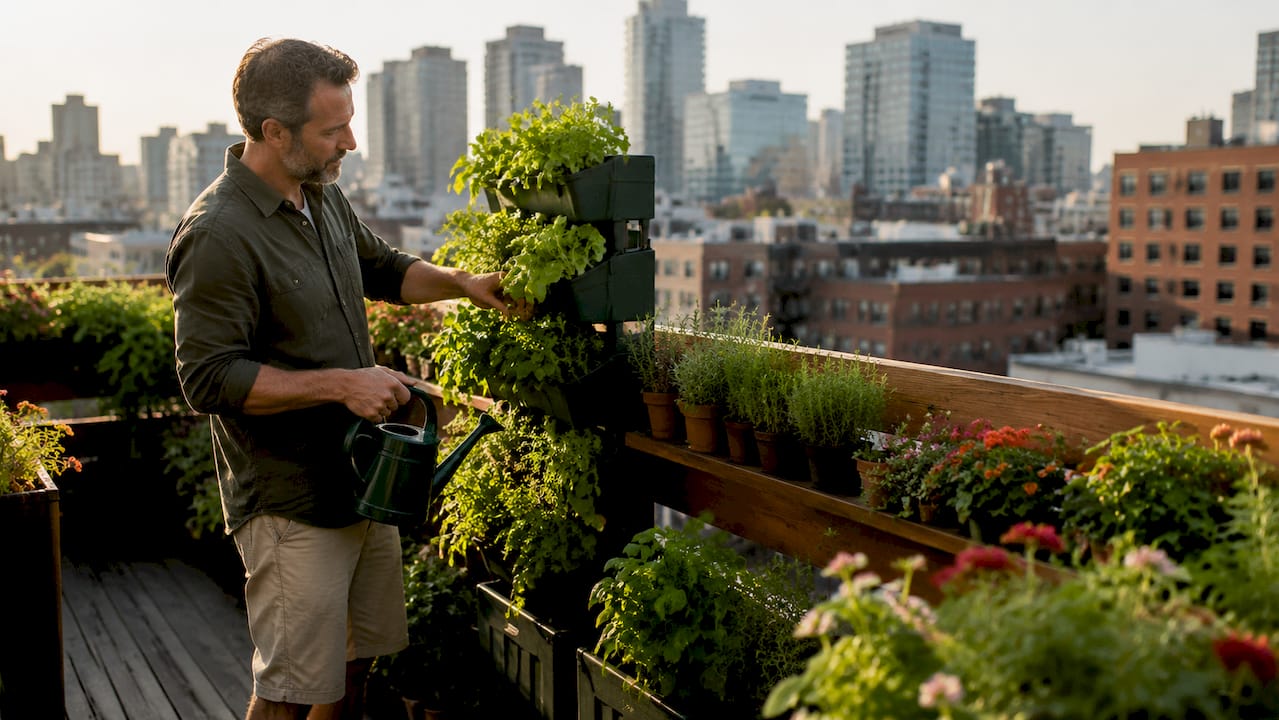
Sprout shops stock plants and supplies chosen specifically for indoor and small-space growing. You will find microgreens, compact herbs, air plants, and indoor gardening setups designed for apartments and studios. The inventory reflects what actually works on a kitchen counter or a narrow balcony, not what looks impressive in a suburban greenhouse.
Key product categories you should expect from a quality urban garden shop:
Sprout Home offers delivery, in-store pickup, and contactless payment with daily hours from 10 AM to 6 PM. That matters when you live in a dense city and cannot carry a 20-pound bag of soil on the subway. Delivery and pickup options remove the single biggest logistical barrier urban gardeners face. When a shop handles transport, you spend your energy on growing, not hauling.
Pro Tip: Before visiting any sprout shop, check whether they offer plant-pot matching services. Pairing the right container to the right plant at the point of purchase saves you from repotting mistakes that kill seedlings in the first two weeks.
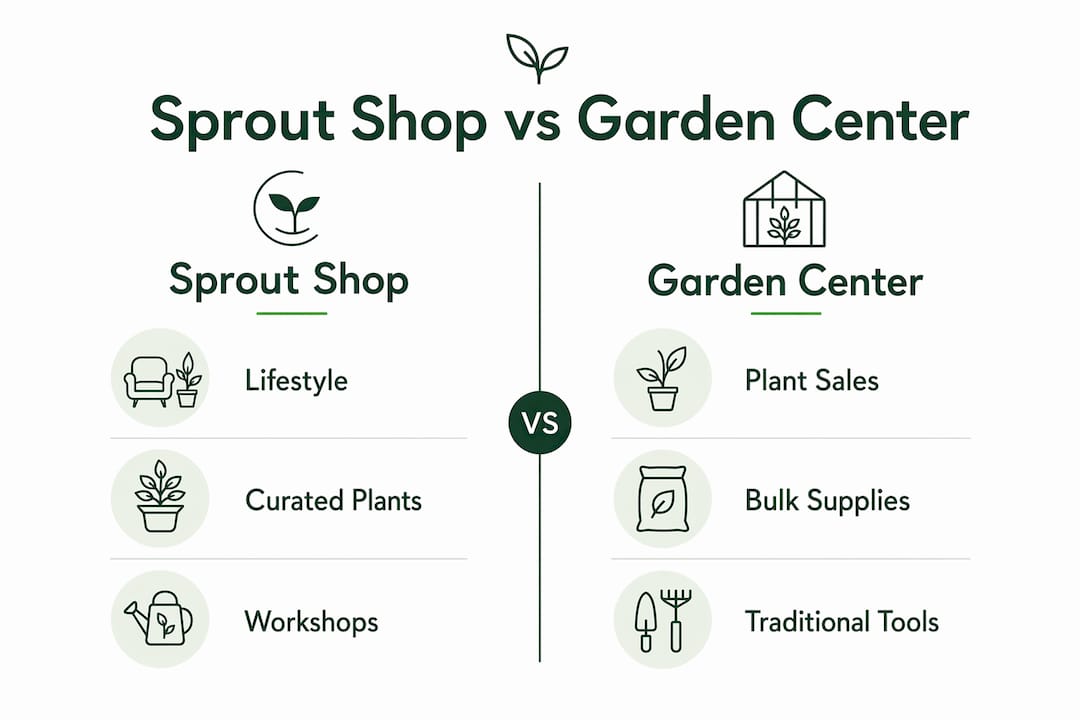
A traditional garden center sells plants. A sprout shop sells a lifestyle. That distinction shapes everything from the store layout to the product mix to the reason customers come back.
Sprout Home uses layered scents, textures, and colorways to create an immersive shopping environment. Retailers report that scent and texture significantly drive customer dwell time, which translates directly into higher average purchase values. Walking into a well-designed sprout shop feels closer to a boutique home goods store than a nursery. That atmosphere is intentional and strategic.
Tara Heibel, founder of Sprout Home, credits the shop’s success to balancing product function with lifestyle merchandising that appeals to urban customers. Her approach proves that the physical experience of buying plants can be as carefully designed as any retail concept in fashion or food.
Sprout Home’s inventory includes preserved bouquets, terrariums, candles, and home décor. That diversification is not accidental. It keeps revenue steady through winter months when plant sales slow, and it gives customers a reason to visit even when they are not actively gardening. A sprout shop that sells only plants is vulnerable to seasonal swings. One that sells a lifestyle stays relevant year-round.
“Sprout shops are shifting from high-volume sales models to experience-driven spaces that emphasize community cultivation through workshops and social areas.” — Cityscapes Boston
Cityscapes’ Sprout in Boston offers a Nature Nook and workshop events that build community around urban growing. These are not afterthoughts. They are the mechanism that turns a one-time buyer into a loyal regular. Workshops on microgreen cultivation, composting in small spaces, or hydroponic setup give customers skills they use at home and reasons to return for supplies.
Both Sprout Home and Cityscapes’ Sprout represent mature, well-regarded takes on the urban garden shop concept. They serve different customer needs, and understanding the difference helps you find the right fit.
| Feature | Sprout Home (Chicago) | Cityscapes’ Sprout (Boston) |
|---|---|---|
| Founded | 2003, West Town Chicago | Community-focused, Boston-based |
| Store Format | Two separate storefronts: garden center + home goods | Single community hub with social spaces |
| Hours | Daily, 10 AM–6 PM | Weekdays 10 AM–6 PM, closed weekends |
| Product Focus | Plants, terrariums, candles, home décor, preserved bouquets | Plants, workshops, Nature Nook gatherings |
| Best For | Shoppers who want curated lifestyle products alongside plants | Growers who prioritize learning and community |
| Services | Delivery, in-store pickup, contactless payment | Workshop events, guided growing sessions |
Sprout Home suits the urban professional who wants to buy quality products efficiently and go home. Cityscapes’ Sprout suits the grower who wants to learn alongside neighbors and build skills over time. Neither model is better in absolute terms. The right choice depends on whether you value product breadth or community depth more.
Getting value from a sprout shop requires more than browsing. The most effective urban growers treat these shops as ongoing resources, not one-time purchases. Here is a practical approach that works for people with limited time and limited space.
Start with microgreens. Microgreens germinate in 2–7 days and reach harvest in 7–14 days. They require no special equipment, grow in shallow trays, and produce more nutrition per square inch than almost any other crop. Any quality microgreen store will carry the seeds and trays you need to start the same week.
Choose a low-touch growing system. Passive hydroponic setups and optimized soil mixes simplify home gardening for city residents by removing the need for daily watering and monitoring. A low-touch indoor growing system is the single biggest time-saver for professionals who travel or work long hours.
Use delivery and pickup to your advantage. Ordering organic sprout seeds and soil mixes online through a sprout shop saves you the trip entirely. Schedule a recurring delivery for consumables like soil and seeds so you never run out mid-grow cycle.
Attend at least one workshop. Even a single 90-minute session on indoor growing will save you months of trial-and-error mistakes. Cityscapes’ Sprout and similar shops run workshops specifically designed for beginners with no outdoor space.
Match your container to your plant before you buy. Ask shop staff for plant-pot matching guidance. Urban garden shops provide integrated services including this kind of pairing advice, which prevents the most common beginner mistake of planting in the wrong container size.
Pro Tip: If you are buying sprouting kits online, look for kits that include organic sprout seeds, a growing medium, and a tray with drainage. Kits that bundle all three components cut your setup time to under 10 minutes and eliminate the guesswork of sourcing components separately.
A sprout shop is the most efficient entry point for urban professionals who want to grow fresh produce at home without a steep learning curve or a large footprint.
| Point | Details |
|---|---|
| Sprout shops are lifestyle hubs | They combine plants, home goods, and workshops to serve urban growers beyond basic retail. |
| Convenience services matter most | Delivery, pickup, and contactless payment remove the logistical barriers city gardeners face daily. |
| Atmosphere drives loyalty | Layered scent, texture, and color keep customers engaged and returning beyond a single purchase. |
| Two leading models exist | Sprout Home prioritizes product breadth; Cityscapes’ Sprout prioritizes community and skill-building. |
| Low-touch systems save time | Passive hydroponic setups and pre-formulated soil mixes are the fastest path to consistent harvests. |
Most people walk into a sprout shop looking for a plant or a bag of soil. I get it. That is the obvious transaction. But the growers I have seen succeed long-term in small urban spaces are almost always the ones who showed up for a workshop first and bought supplies second.
The workshop model at places like Cityscapes’ Sprout is not a marketing gimmick. It is the mechanism that closes the knowledge gap between buying seeds and actually harvesting food. Most beginner failures in urban gardening come down to two things: wrong light and wrong watering. A single guided session fixes both. No amount of product quality compensates for those foundational mistakes.
The other thing I would push back on is the assumption that you need to find a physical sprout shop near you to get these benefits. The product side of this equation, including quality soil mixes, sprouting kits, and hydroponic systems, is fully available online through brands like Sprout-lab. What you cannot replicate online is the in-person community. So my honest advice is this: use online resources for supplies and systems, and seek out local workshops wherever you can find them. That combination beats either channel alone.
For anyone starting out, I would also suggest looking at small urban space growing guides before spending money on equipment. Understanding what your specific space can support changes every purchasing decision that follows.
— Luna
If you are ready to move past browsing and start growing, Sprout-lab makes the setup straightforward. Their modular hydroponic systems let you cultivate up to 56 plants in a compact area, with no outdoor space required. Customers report rapid seed germination and improved plant health, backed by a 4.9/5 star rating across more than 25,000 completed orders.
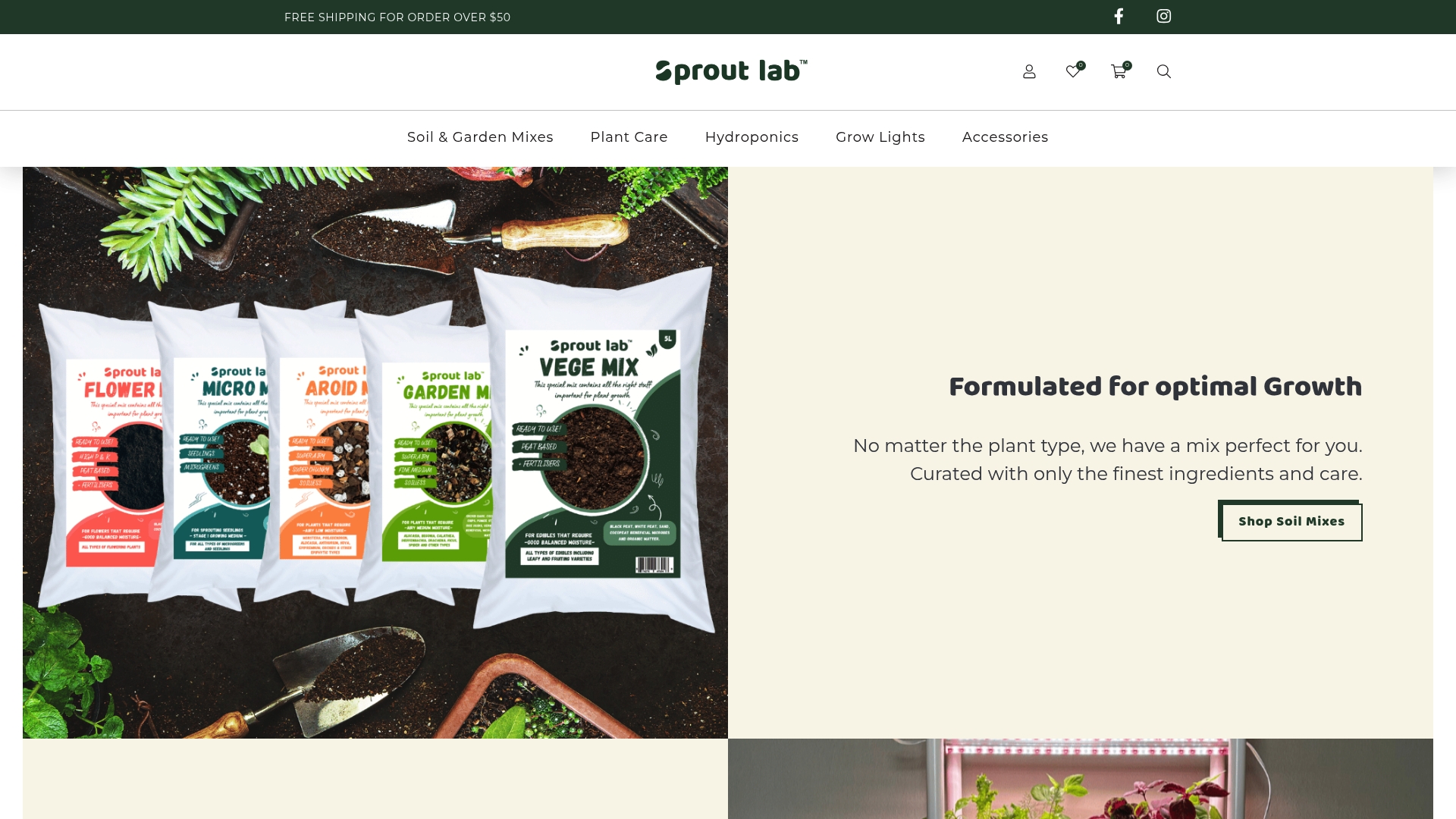
Sprout-lab’s passive hydroponic system is built specifically for busy urban growers who want consistent harvests without daily maintenance. Their specialized soil mixes are formulated for indoor containers and microgreen trays, so you are not adapting outdoor products for indoor use. Whether you are starting your first tray of microgreens or scaling up to a full countertop setup, Sprout-lab has the supplies and guidance to get you there.
A sprout shop is a specialized urban garden retailer that sells curated plants, organic sprout seeds, sprouting kits, and lifestyle products designed for small-space and indoor growing. Many also offer workshops, delivery, and in-store pickup services.
A sprout shop focuses on urban lifestyles, offering a curated mix of plants, home goods, and community programming. A traditional nursery focuses primarily on plant volume and outdoor gardening supplies.
You can buy sprouts online and order sprouting kits through urban garden supply brands like Sprout-lab, which ships hydroponic systems and soil mixes directly to your door.
Microgreens like radish, sunflower, and pea shoots are the best starting point. They germinate fast, grow in shallow trays, and require minimal light compared to full-size vegetables.
Yes. Leading shops like Sprout Home provide delivery, in-store pickup, and contactless payment. Cityscapes’ Sprout in Boston runs guided workshops and maintains community gathering spaces for urban growers.