Free shipping for order over $50

Free shipping for order over $50
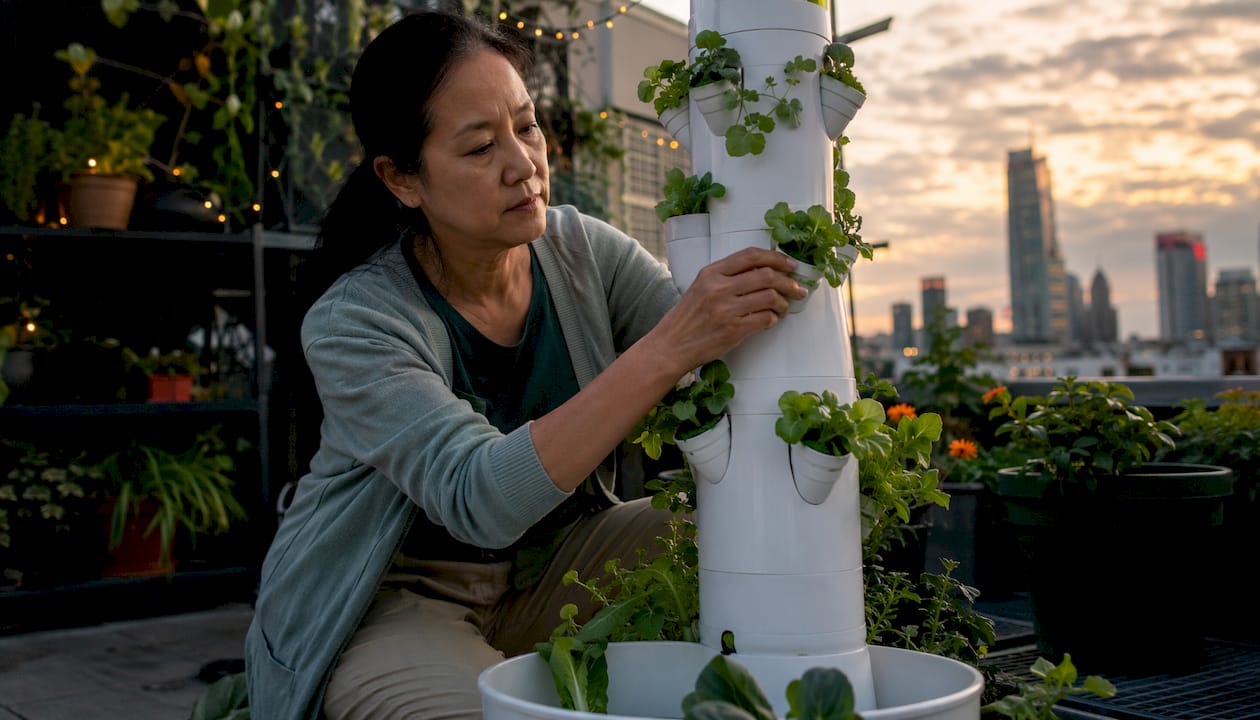
If you want the short answer: tent + kit setups are the best value for most home growers, compact all-in-one cabinets win for stealth and plug-and-play simplicity, modular hydroponic towers pack the highest plant count into the smallest floor footprint, and DIY cabinet builds cost the least if you’re willing to do the work. SuperCloset makes solid gear, but it’s far from the only option worth your money.
Here’s how the main alternative classes break down:
Sprout-lab’s compact modular hydroponic systems are a strong pick for urban growers who want high plant counts without the bulk of a tent or the price tag of a premium cabinet.
The table below covers the four main system classes across the dimensions that matter most at purchase time. Prices reflect typical U.S. retail ranges.
| Dimension | Closed Cabinet / All-in-One | Tent + Kit | Modular Hydroponic Tower | DIY Cabinet Build |
|---|---|---|---|---|
| Best for | Stealth, beginners, apartments | High-yield home grows, upgraders | Urban edibles, small spaces | Budget-focused, hands-on growers |
| System type | Fully enclosed, proprietary | Modular, open components | Vertical, soil-free | Custom-built, flexible |
| Capacity | 1–6 plants (typical) | 4 plants | 18–36 plant slots | Varies by build |
| Price band | $1,500–$2,500 | $150–$600 | $973–$1,123 | $100–$400 |
| Included components | Lights, fans, filter, reservoir | Tent shell only; lights/fans sold separately | Tower, LED rings, pump, timer | None included; sourced independently |
| Ease of setup | Plug-and-play | Moderate assembly | Easy to moderate | High effort |
| Noise & stealth | Low noise, lockable | Moderate; fan noise audible | Low noise; pump splash audible | Varies |
| Power draw | Medium (built-in LED) | Medium–high (depends on lights) | Low (LED rings + small pump) | Varies |
| Warranty / support | Varies by brand; check parts policy | Tent: 1–3 yr; components vary | Manufacturer warranty; app support | No warranty |
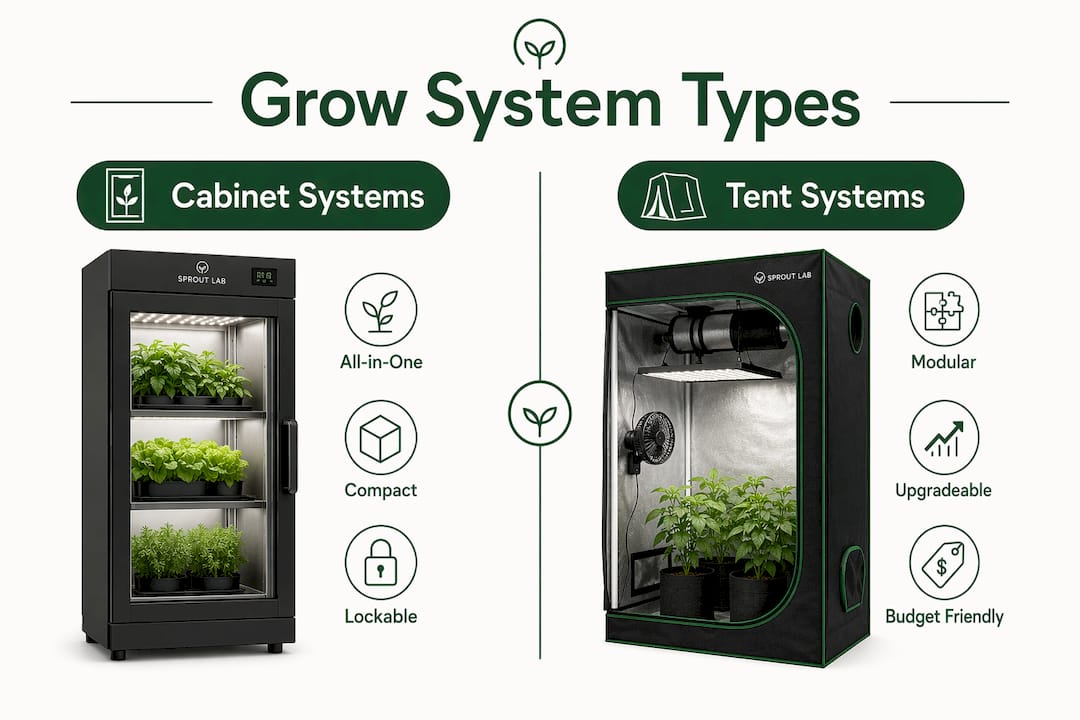
Grobo is the clearest example of this class. You get a fully enclosed steel cabinet with built-in LED, carbon filter, and an app-controlled grow environment. Setup is genuinely plug-and-play. The catch: capacity tops out around 1–2 plants per unit, and the proprietary internals mean component upgrades are harder than swapping a fan in a tent. Price typically lands between $1,500 and $2,500 new.
Gorilla Grow Tent, VIVOSUN, and Mars Hydro all compete here. A quality 4×4 ft tent with a 600W LED, inline fan, and carbon filter runs roughly $300–$600 all-in. Tent systems allow easy replacement of fans, lights, and controllers because every component is a standard off-the-shelf part. Setup takes 2–4 hours. Noise is moderate; a quality inline fan at low speed is audible in a quiet room.
Lettuce Grow’s Farmstand is the benchmark here. The indoor medium version holds 24 plant slots and retails at $1,123; the small indoor version starts at $973. It runs on a pump-and-timer system with optional smart timer upgrade ($24). One real-world note: the pump’s splash is loud enough to rule out bedroom placement, and filling the 20-gallon base requires multiple trips from a sink. Once filled, moving it is nearly impossible, so site it carefully before the first fill.
A spare cabinet lined with Mylar, a 200W LED panel, a small inline fan, and a carbon filter can be assembled for $100–$400 depending on the light quality you choose. The Overgrow community consistently backs this route for growers comfortable with basic wiring and sourcing. The trade-off is time: expect a weekend of research and assembly, plus a learning curve on dialing in airflow.
A checklist cuts through the noise faster than any spec sheet.
Questions to ask before you commit:
Red flags to walk away from:
Pick-by-need summary: If you’re budget-focused and comfortable with assembly, a tent + kit is the clear call. If you want something that works out of the box with minimal fuss, an all-in-one cabinet or a modular hydroponic tower fits better. For beginners who want to grow edibles without soil, a modular tower or Sprout-lab’s hydroponic systems are the lowest-friction entry points.
Pro Tip: Before finalizing any system, search the brand name plus “replacement parts” on forums like Reddit’s r/microgrowery or Overgrow. If you can’t find third-party parts within five minutes, assume you’re locked into the manufacturer’s pricing forever.
The honest answer depends less on yield goals and more on where you live and who else shares the space.
Grow tents win when:
Grow cabinets / all-in-one boxes win when:
Real-world scenarios:
Studio apartment: A compact all-in-one cabinet or a modular hydroponic tower. Tents are too visible and too loud for most studio setups. Apartment-specific hydroponic systems are worth a look here.
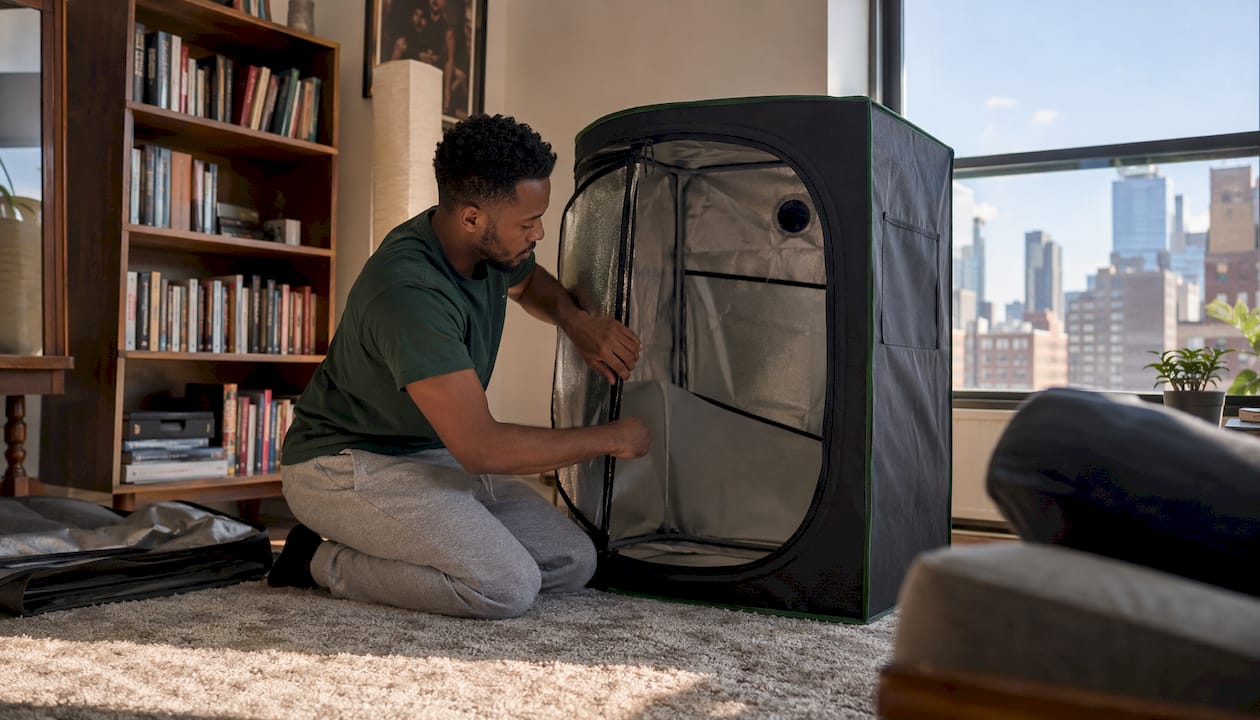
Spare closet: A 2×4 ft tent fits most standard closets and supports 2–4 plants comfortably. Pair it with a carbon filter and a quiet inline fan for near-complete odor control.
Garage or basement: A 4×4 or 4×8 ft tent with a quality LED and ventilation setup. Noise and smell are less of a concern, so you can prioritize yield over stealth.
On odor control: Real-user forum data consistently recommends pairing any tent with a carbon filter sized to the fan’s CFM rating, not the tent’s volume. A filter rated for 200 CFM on a 100 CFM fan lasts longer and controls odor more reliably than a matched-size setup.
Sprout-lab’s modular hydroponic systems are built specifically for the constraints most home growers actually face: limited floor space, no outdoor access, and a preference for low-maintenance growing over complex DIY setups.
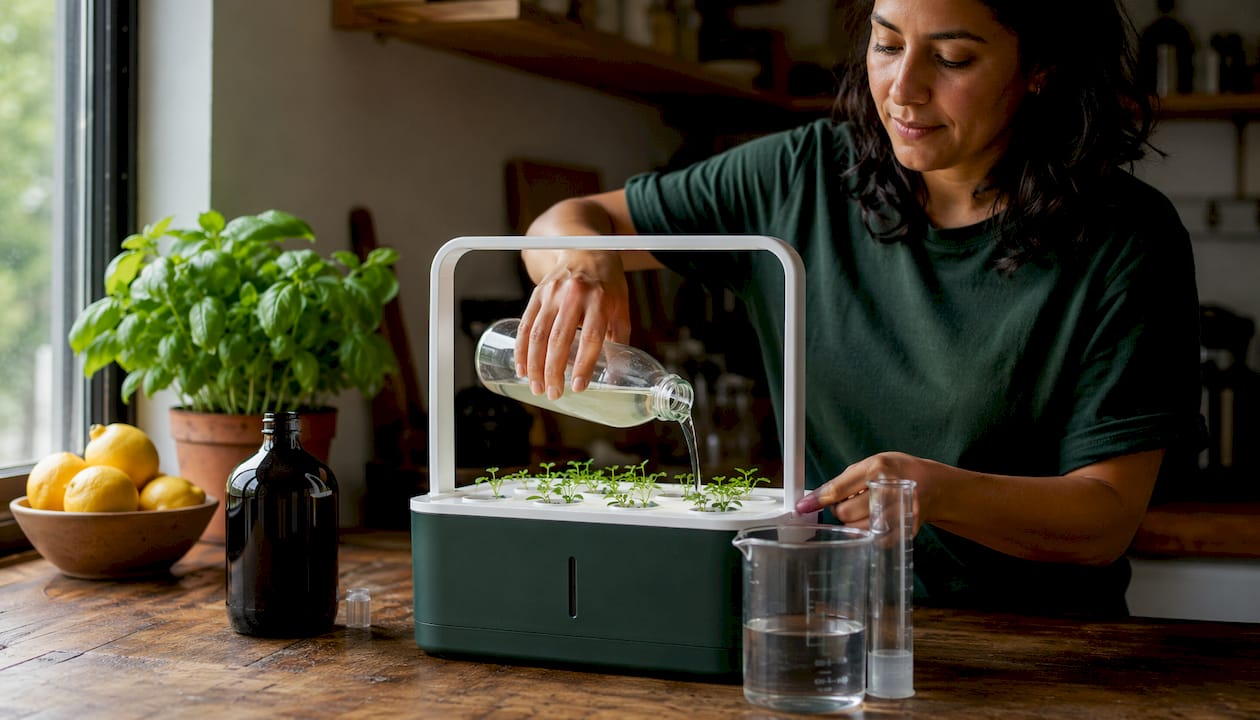
The headline spec is density: Sprout-lab’s systems support up to 56 plants in a compact footprint, which puts them ahead of most tent kits and all-in-one cabinets on a plants-per-square-foot basis. This matters if you’re growing herbs, leafy greens, or propagating cuttings rather than running a single large plant.
What you get with Sprout-lab:
Best fit: Urban dwellers and busy professionals who want consistent harvests without the learning curve of a full tent build. Beginners who want to grow edibles, herbs, or aroids in a small apartment will find the setup approachable from day one.
Sprout-lab carries a 4.9/5 star rating across more than 25,000 completed orders, which puts it among the most consistently reviewed home gardening suppliers in its category.
On support and parts: Sprout-lab sells replacement components and supplies through its online store, so you’re not dependent on a single proprietary part source. That’s a meaningful advantage over closed-cabinet systems where a failed pump or controller can mean weeks of downtime.
Pro Tip: If you’re new to hydroponics and unsure which system size to start with, Sprout-lab’s compact growing systems guide walks through sizing by plant type and available space, which saves a lot of trial-and-error on your first setup.
Tent + kit setups offer strong cost-per-plant value for many home growers, while compact all-in-one cabinets and modular hydroponic towers serve apartment growers who prioritize stealth and low maintenance over raw yield.
| Point | Details |
|---|---|
| Tent + kit is the value leader | Quality tents with LED and ventilation typically cost a few hundred dollars and support multiple plants. |
| Cabinets win on stealth | All-in-one cabinets are lockable, near-silent, and odor-controlled, but capacity is limited. |
| DIY builds cut costs sharply | Forum data indicate DIY builds cost well under premium cabinet prices, achieving most of the function. |
| Watch for hidden costs | Subscription fees and proprietary parts can significantly increase total cost of ownership. |
| Sprout-lab for high-density urban grows | Sprout-lab’s modular systems support high plant counts in a compact footprint, with very positive user ratings. |
The conventional wisdom in indoor growing forums is that tents always win on value, and that’s mostly true. But it misses something: the hidden cost of a tent isn’t the hardware, it’s the hours you spend researching compatible components, troubleshooting airflow, and replacing parts that fail at inconvenient times.
When I was weighing a tent against a compact all-in-one system for a small spare room, the tent looked better on paper. Lower upfront cost, more plants, fully upgradeable. But the all-in-one won because my situation had one constraint the specs didn’t capture: I needed it to run reliably without much attention. A tent with separate lights, fans, and controllers has more failure points. An integrated system has fewer.
That said, if you have the time and interest to dial in a tent setup, the cost savings are real and the upgradeability is genuinely useful over a multi-year grow. The growers who regret buying all-in-ones are usually the ones who outgrow the capacity within a year. The growers who regret buying tents are usually the ones who underestimated the setup and maintenance time.
Pro Tip: The single most overlooked maintenance task in any hydroponic system is reservoir cleaning. Schedule a full drain-and-clean every 2–3 weeks, not just a top-off. Algae and root debris build up faster than most beginner guides suggest, and a dirty reservoir is the most common cause of nutrient lockout.
Most of the systems compared in this article are designed for growers with dedicated rooms or garages. Sprout-lab takes a different angle: automated hydroponic setups built for people who live in apartments, work full-time, and want fresh food without a steep learning curve.
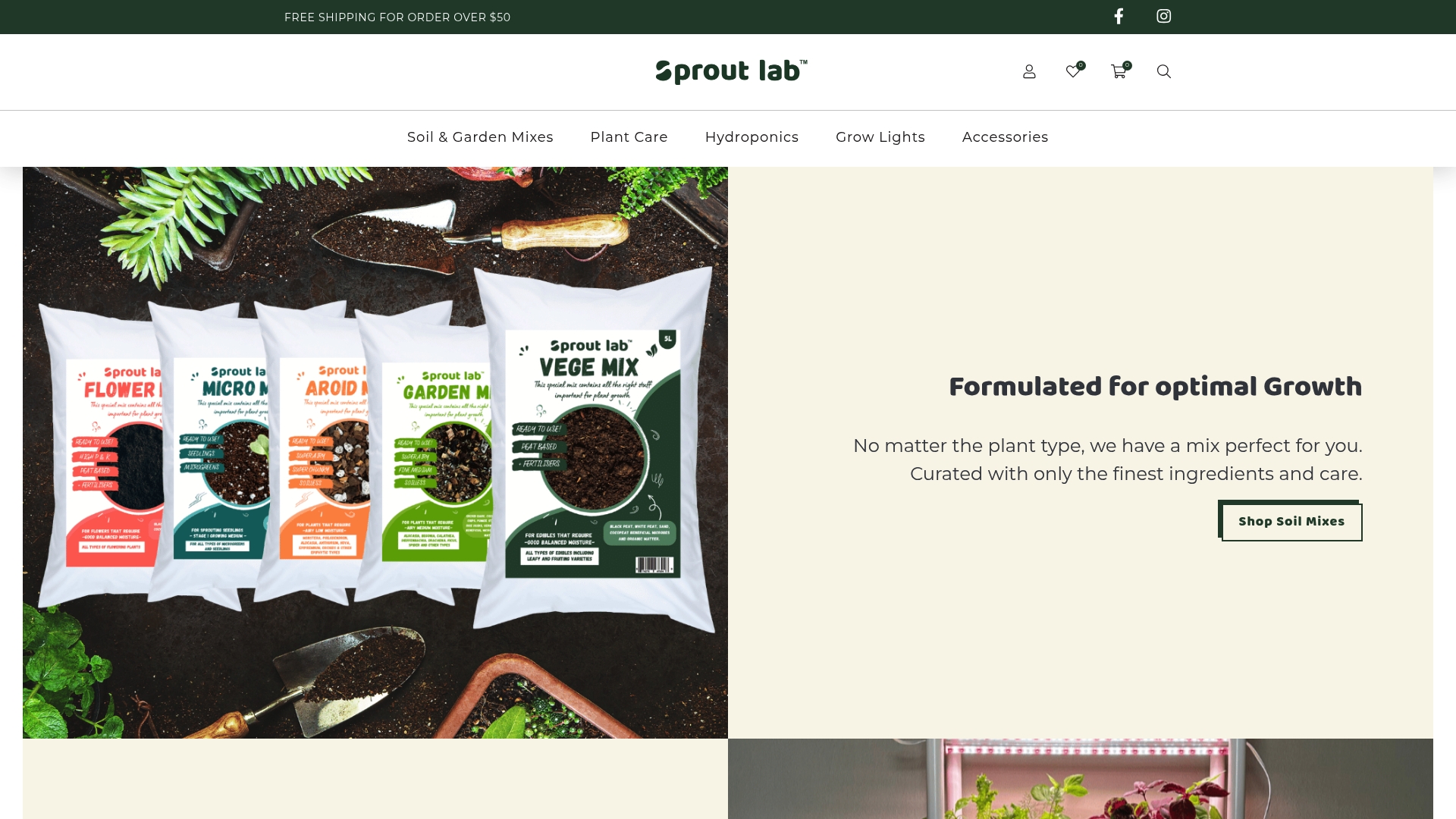
The practical difference is density and simplicity. Where a tent kit requires you to source and match lights, fans, and controllers, Sprout-lab’s modular systems are designed to work together from the start. You can scale from a starter configuration up to 56 plants without rebuilding your setup. Soil mixes, nutrients, and grow lights are all available in the same store, so you’re not hunting across three suppliers for compatible products.
Sprout-lab ships across the United States, and the store carries replacement parts and consumables so you’re never waiting on a single proprietary component. For growers who want a beginner-friendly hydroponic system that doesn’t require a weekend of assembly, it’s a practical starting point. Browse the full range at sprout-lab.com and check the product pages for current availability and shipping details.
These are the primary sources used in this article, plus community resources worth bookmarking for ongoing research.
A DIY cabinet build is the lowest-cost option, typically running $100–$400 depending on light quality. Tent + kit setups from brands like VIVOSUN or Mars Hydro are the next step up at $150–$600 and offer more reliability with less assembly risk.
Not usually. Grow cabinets are lockable, quieter, and better at containing odors, which makes them more practical for apartments. Grow tents are better for dedicated rooms or garages where stealth is less of a concern.
Lettuce Grow’s Farmstand holds 24 plant slots in the indoor medium version, and the small indoor version starts at 18 plant slots. Sprout-lab’s modular hydroponic systems scale up to 56 plants in a compact footprint, making them one of the higher-density options in this category.
Check whether the warranty covers individual components (pump, lights, fans) or just the enclosure, and confirm that replacement parts are available from the manufacturer or standard retailers. Systems with proprietary-only parts carry a higher long-term cost risk if a component fails out of warranty.
Yes, particularly for urban growers and beginners who want a low-maintenance hydroponic setup. Sprout-lab’s systems are modular, support up to 56 plants, and carry a 4.9/5 star rating across more than 25,000 completed orders, with replacement parts and supplies available through the same store.