Free shipping for order over $50

Free shipping for order over $50
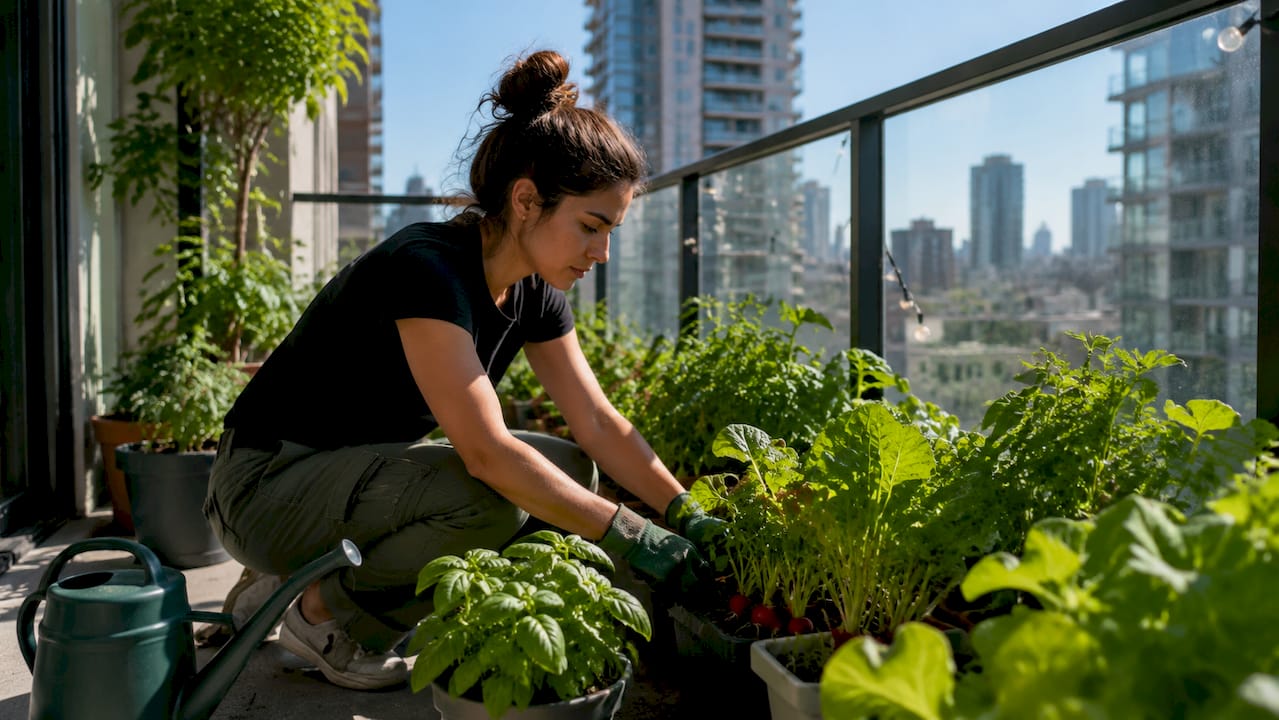
An indoor food garden with no yard is a fully functional growing setup inside your apartment, using containers, grow lights, and the right crop selection to produce fresh food year-round. Container gardening indoors, the recognized practice behind this approach, works because you control every variable: light, water, temperature, and nutrients. Indoor gardening supplements outdoor growing by filling seasonal gaps, but it stands on its own for apartment residents with zero outdoor access. You do not need a balcony, a patio, or a single square foot of soil outside your door.
The best crops for growing vegetables indoors are fast-maturing, shallow-rooted, and compact. Microgreens, loose-leaf lettuce, spinach, radishes, and herbs like basil, parsley, and thyme all thrive in containers on a shelf or countertop. Loose-leaf lettuce is ready in as little as 3–4 weeks from seed. That speed matters because you get real results fast, which keeps motivation high when you are just starting out.
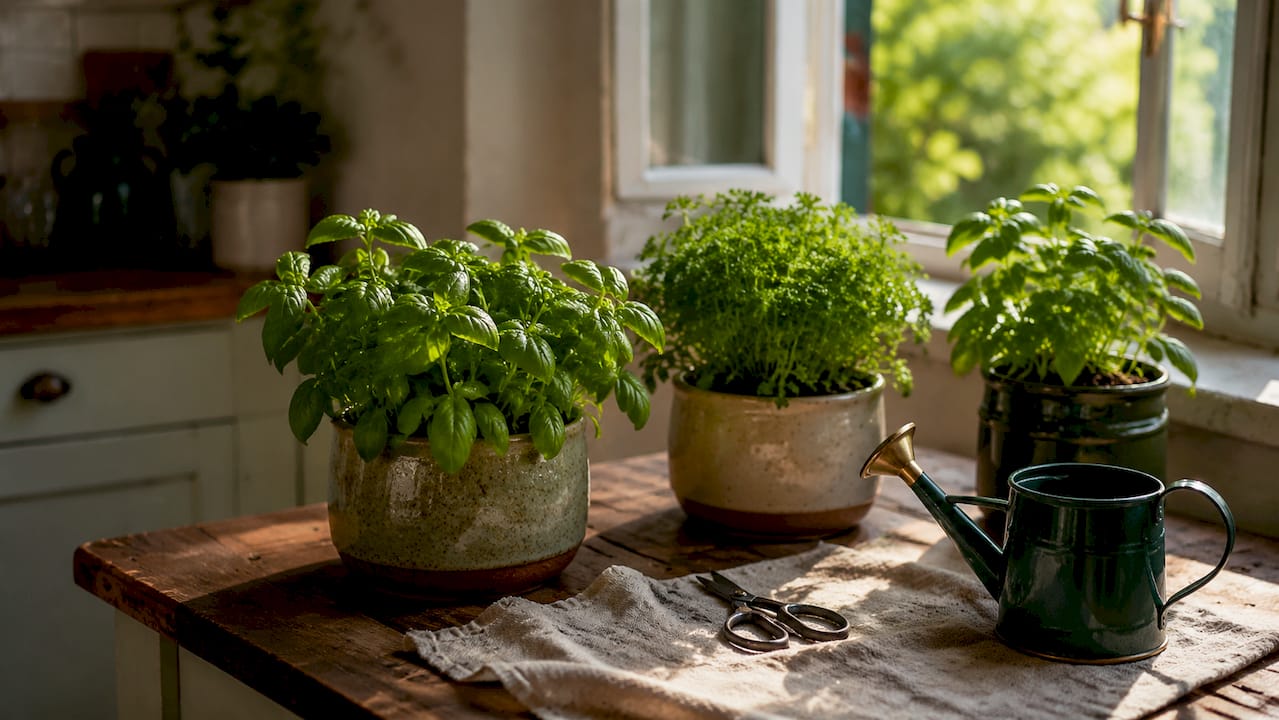
Herbs are the single best entry point for any indoor herb garden. Basil germinates in 5–7 days and produces harvestable leaves within three weeks. Thyme and parsley are slower but nearly indestructible under grow lights. If you want to grow herbs at home, starting with two or three varieties in small pots gives you a productive setup without overwhelming your space.
Large, deep-rooting plants are a different story. Full-size tomatoes, squash, and corn need root depth, canopy space, and pollination support that most apartments cannot provide. Dwarf tomato varieties like Tiny Tim or Tumbling Tom are workable in 3-gallon containers, but they demand significantly more light and attention than leafy greens. For most apartment growers, the best return on effort comes from greens, radishes, and herbs.
Pro Tip: Start with microgreens in a shallow tray. They germinate in 2–3 days, require minimal light compared to fruiting plants, and give you a harvest in under two weeks. They are the fastest proof of concept for any new indoor grower.
Here is a quick reference for what to grow indoors based on harvest speed:
Light is the single biggest obstacle in vegetable gardening without a yard. Natural window light is usually insufficient for most food crops because it lacks the consistent intensity and spectrum plants need for photosynthesis. A south-facing window in winter delivers a fraction of the photons a grow light provides at 12 inches. Do not rely on windows alone if you want a productive harvest.
Full-spectrum LED grow lights are the most efficient and affordable lighting method for indoor gardens in 2026. They produce the 400–700 nm light spectrum plants need without generating excessive heat or running up your electricity bill. Most productive indoor vegetables require 12–16 hours of light daily. That means your lights need to be on a timer, not manually switched.
Placement matters as much as duration. Seedlings need LEDs positioned 6–12 inches above the canopy. Established leafy greens and herbs do well at 12–18 inches. Fruiting plants like dwarf tomatoes need lights at 18–24 inches to avoid light burn. You can find detailed recommendations for apartment setups in Sprout-lab’s guide to top LED grow lights.
“Indoor gardeners often fail not because they chose the wrong crops, but because they underestimated how much light those crops actually need.” This is the most common and most fixable mistake in small space gardening.
Pro Tip: Plug your grow lights into a mechanical outlet timer set to run 14 hours on and 10 hours off. Automated timers prevent cycle disruption that causes stunted growth, and they cost less than $15 at any hardware store.
Key lighting rules for apartment growers:
Container selection directly affects whether your plants thrive or stall. Most vegetables need containers ranging from 1 gallon for herbs and leafy greens to 3 gallons for tomatoes and peppers. Using an undersized pot restricts root growth and causes plants to dry out too quickly. Using an oversized pot holds excess moisture and invites root rot.
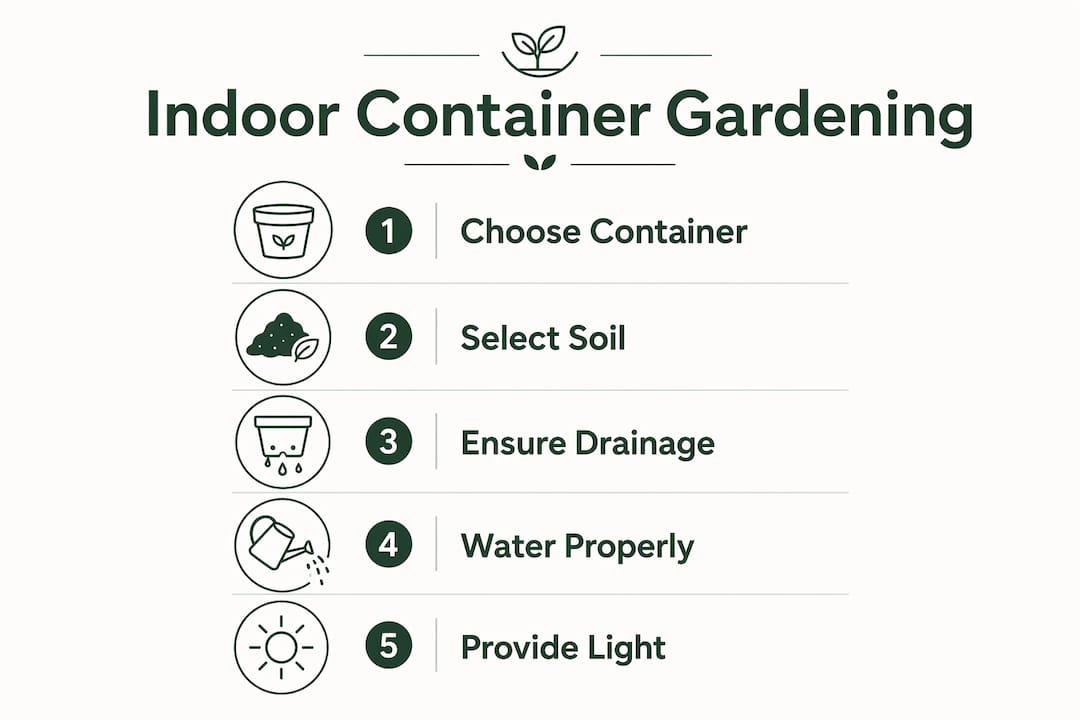
The soil you choose is equally critical. Outdoor garden soil introduces pests and causes compaction and root rot when used indoors. Always use a potting mix formulated for indoor use. These mixes are lighter, drain faster, and contain perlite or vermiculite to keep roots oxygenated. Sprout-lab’s indoor potting mix is specifically designed for this purpose, with a blend that prevents compaction in containers.
Drainage holes are non-negotiable. Every container must have at least one drainage hole at the bottom. Place a saucer underneath to catch runoff, but empty it within 30 minutes of watering. Standing water in a saucer is the fastest path to fungal root disease in an apartment garden.
Pro Tip: Water when the top inch of soil feels dry, not on a fixed schedule. Apartment temperatures and humidity vary by season, so a Monday-Wednesday-Friday watering routine may work in summer but cause overwatering in winter.
| Container Size | Best For | Drainage Requirement |
|---|---|---|
| 1 gallon | Herbs, microgreens, radishes | 1 hole minimum |
| 2 gallons | Spinach, lettuce, green onions | 2 holes recommended |
| 3 gallons | Dwarf tomatoes, peppers, kale | 2–3 holes required |
| 5+ gallons | Larger fruiting plants (advanced) | Multiple holes essential |
Setting up a productive indoor garden in an apartment takes about two hours and a modest budget. Follow this sequence to avoid the most common setup mistakes.
| Week | Key Task | What to Watch For |
|---|---|---|
| 1 | Sow seeds, set timer | Germination in 3–7 days |
| 2 | Check moisture daily | Thin seedlings if overcrowded |
| 3 | Begin half-strength feeding | First true leaves appearing |
| 4+ | Harvest outer leaves, maintain light | Consistent growth, no yellowing |
Growing vegetables indoors is more predictable than outdoor gardening because you control the environment. But problems still appear, and catching them early prevents crop loss.
Light deficiency is the most common issue. Symptoms include pale yellow leaves, leggy stems, and slow growth. The fix is simple: lower your grow light by 2–4 inches or increase daily light hours by 2. Check that your timer is actually running and that the light bulb has not dimmed with age.
Overwatering kills more indoor plants than any other mistake. Signs include yellowing lower leaves, soggy soil, and a musty smell from the container. Let the soil dry out completely before watering again, and check that drainage holes are not blocked.
Pests do appear indoors, most often fungus gnats and spider mites. Fungus gnats breed in consistently moist topsoil. Letting the top inch of soil dry between waterings eliminates most infestations. For spider mites, a diluted neem oil spray applied weekly works reliably. Sprout-lab’s guide to indoor garden pests covers identification and treatment in detail.
Light pollution at night is a real concern in studio apartments. Grow light glow can disrupt sleep, but a bamboo shade or a simple cardboard panel placed between the light and your sleeping area solves the problem for under $20.
A productive indoor food garden with no yard requires the right crop selection, consistent artificial lighting, and proper container setup from day one.
| Point | Details |
|---|---|
| Start with fast crops | Microgreens, lettuce, and herbs deliver harvests in 2–4 weeks indoors. |
| LED lights are non-negotiable | Run full-spectrum LEDs 12–16 hours daily on an automatic timer. |
| Soil and drainage matter | Use indoor potting mix only and confirm every container has drainage holes. |
| Match container to crop | Use 1-gallon pots for herbs and 3-gallon pots for dwarf tomatoes or peppers. |
| Troubleshoot early | Pale leaves mean more light; yellowing lower leaves mean less water. |
I started my first indoor food garden on a single kitchen shelf with two LED panels, four small containers, and a bag of potting mix. My expectations were modest. What surprised me was how quickly the system became self-reinforcing. Once you harvest your first bowl of lettuce from a container on your countertop, the motivation to expand is immediate and real.
The biggest mindset shift I had to make was accepting that indoor gardening supplements your food supply rather than replacing a full outdoor garden. That reframing matters. When you stop expecting your apartment shelf to produce like a backyard plot, you start appreciating what it actually delivers: fresh herbs every week, salad greens every two weeks, and the satisfaction of eating something you grew yourself.
The technology side is genuinely accessible now. A quality LED panel, a $12 timer, and a bag of good potting mix are all you need to start. The harder part is building the habit of checking your plants daily, adjusting water, and catching problems before they compound. That attention is what separates growers who get consistent harvests from those who give up after one failed crop.
My honest advice: grow what you actually eat. If you cook with basil three times a week, grow basil. If you eat salads daily, grow lettuce. Matching your garden to your kitchen habits makes the whole system feel worthwhile from the first harvest.
— Luna
Sprout-lab builds systems specifically for apartment growers who want reliable results without a steep learning curve. Their modular hydroponic setups let you grow up to 56 plants in a compact footprint, with a 4.9/5 star rating across more than 25,000 completed orders.
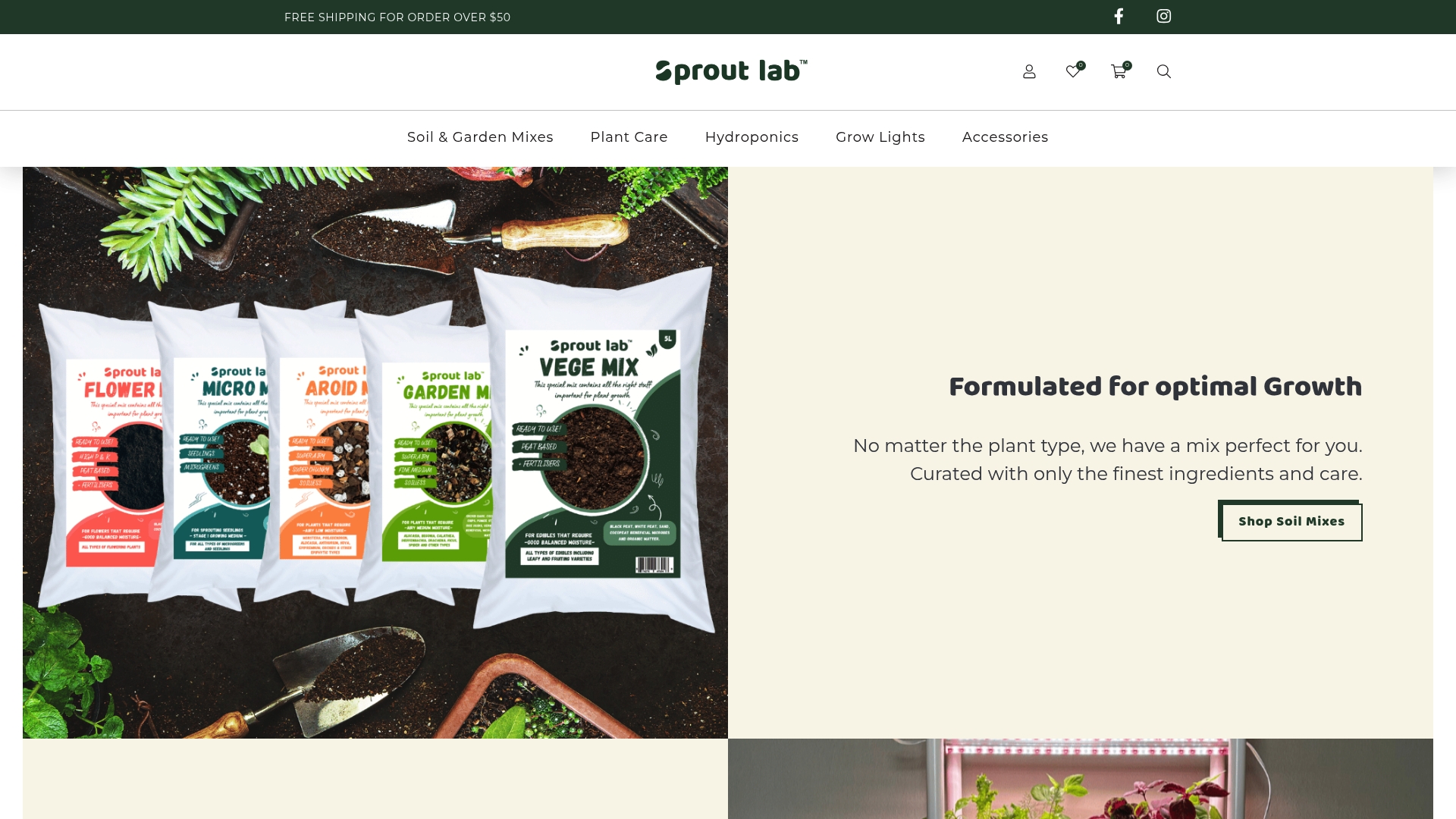
If you are ready to move beyond basic containers, Sprout-lab’s passive hydroponic system is the most beginner-friendly way to scale your indoor food production without complicated equipment. Their indoor gardening kits include everything from grow lights to soil mixes formulated for indoor vegetables. Customers consistently report faster germination and stronger plant health compared to standard potting setups. If you want fresh food from your apartment year-round, Sprout-lab gives you the tools to make it happen.
Microgreens, loose-leaf lettuce, spinach, radishes, and herbs like basil and parsley are the most productive choices. These crops are compact, fast-maturing, and thrive under LED grow lights in small containers.
Most productive indoor vegetables require 12–16 hours of light per day. Use a full-spectrum LED grow light on an automatic timer to maintain a consistent cycle without manual switching.
No. Outdoor garden soil compacts in containers and introduces pests and pathogens that cause root rot indoors. Always use a potting mix formulated specifically for indoor use.
A bamboo window shade or a cardboard panel placed between the light and your sleeping area blocks excess light effectively. This solution costs under $20 and does not restrict airflow to your plants.
No. Soil-based container gardening works well for most apartment growers. Hydroponic systems like those from Sprout-lab offer faster growth and higher yields, but a basic container setup with good potting mix and LED lighting produces real harvests without hydroponics.