Free shipping for order over $50

Free shipping for order over $50
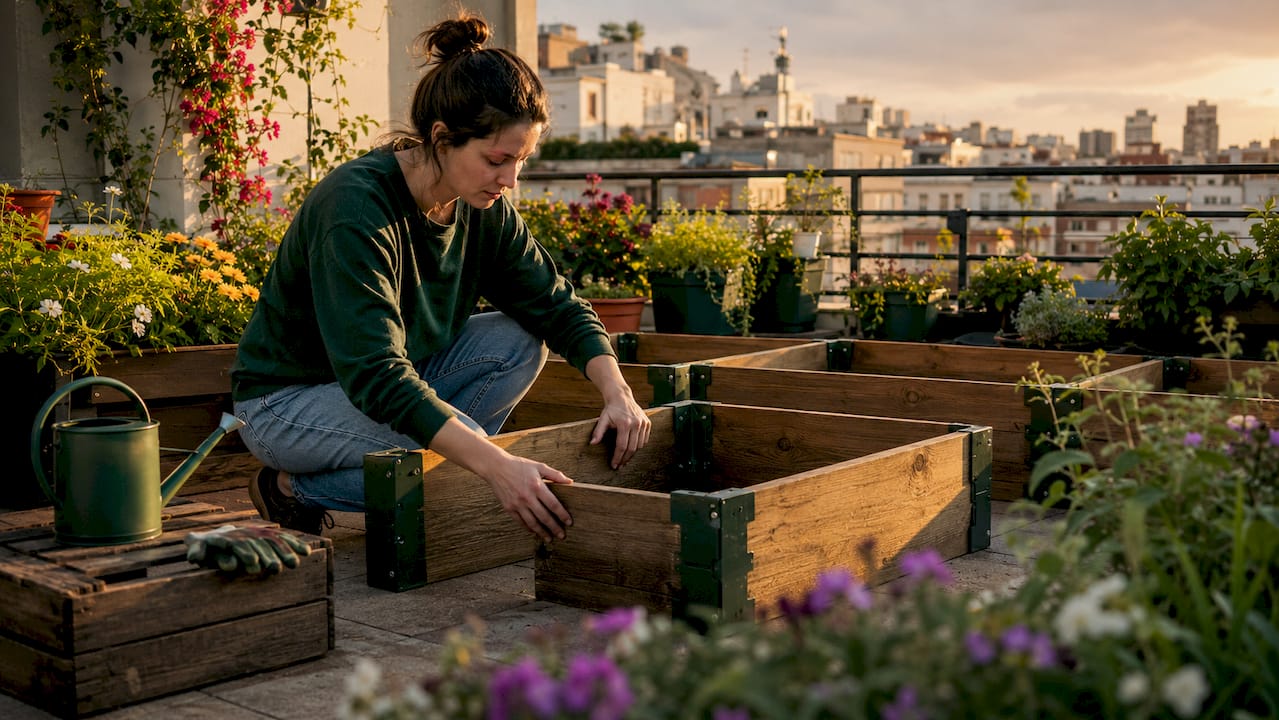
Modular garden systems are adaptable growing setups made of interconnected components that let urban gardeners customize configurations, maximize limited space, and expand their gardens one piece at a time. The main modular garden system types include raised modular beds, vertical green walls, freestanding towers, hydroponic kits, and wall-mounted planters. Each type solves a different space problem, and choosing the right one depends on your available area, sunlight, and how much maintenance you want. Sprout-lab has built its entire product line around this principle: grow more food in less space, with less effort.
Modular raised garden beds are the most widely used type of ground-level growing system for urban gardeners. They consist of individual panels that connect together to form a bed of any size or shape. You assemble them without permanent fixtures, which means you can reconfigure or relocate them as your space changes.
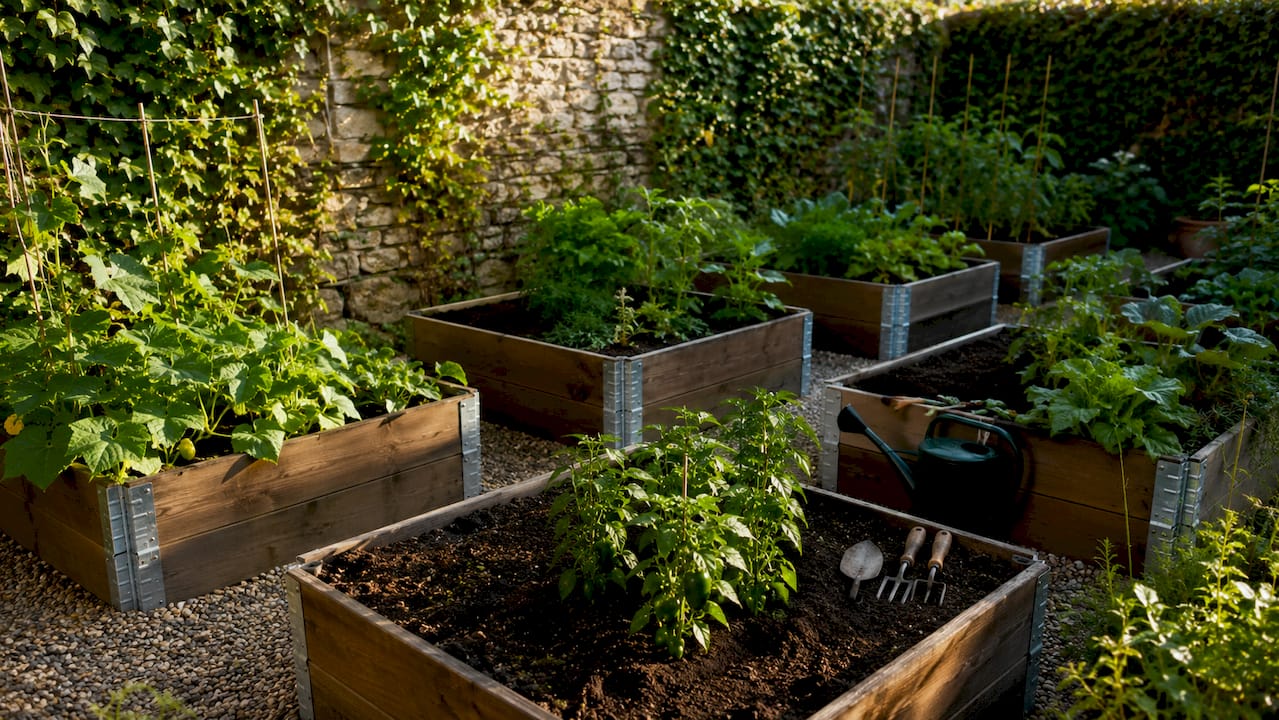
Common materials include galvanized steel, rust-resistant metal alloys, and wood. Galvanized steel lasts up to 20 years with minimal maintenance. Untreated wood lasts only 3–7 years. That gap in lifespan makes metal the smarter long-term investment for most urban gardeners.
Popular kits come in 4-in-1 or 6-in-1 configurations with panel heights of 15", 17", or 29". The 29" height is particularly useful for gardeners who want to tend their beds without bending down. Taller beds also mean deeper root zones, which benefits crops like tomatoes and carrots.
Pro Tip: Always level your ground before assembly. Uneven surfaces cause joint stress and long-term structural failure, according to assembly guidance from Anleolife.
Vertical modular systems grow plants upward instead of outward. They are the go-to solution when floor space is the limiting factor. The industry groups these into four main subtypes: green walls, freestanding towers, hydroponic vertical towers, and wall-mounted planters.
Green walls, also called living walls, use modular panels or containerized plants arranged across a vertical surface. Each panel slots into a frame, and you can add or remove panels as needed. They work well on exterior walls, fences, and interior feature walls.
Freestanding vertical towers stand independently on a balcony or patio. They stack planting pockets or trays vertically on a central pole or frame. These are popular for herbs and salad greens because they produce a high yield in a very small footprint.
Hydroponic vertical towers grow 12 or more crops in a compact column with far less water than soil-based methods. Tower Garden is one well-known example of this format. These systems suit indoor setups or covered balconies where soil would be impractical.
Pro Tip: Integrate a drip irrigation line when setting up any vertical system. Hand-watering tall towers is time-consuming and leads to uneven moisture distribution across planting levels.
Choosing between modular garden system types comes down to four factors: material durability, assembly time, space usage, and ongoing maintenance. The table below gives you a direct comparison.
| System type | Main material | Lifespan | Assembly time | Space usage | Maintenance level |
|---|---|---|---|---|---|
| Modular raised bed | Galvanized steel or wood | Up to 20 years (steel) | 30 minutes to 2 hours | Ground level, flexible shape | Low |
| Green wall | Plastic panels or fabric | 5–10 years | 1–3 hours | Vertical wall surface | Medium |
| Freestanding tower | Plastic or metal | 3–8 years | Under 1 hour | Minimal floor footprint | Low to medium |
| Hydroponic kit | Plastic and food-grade tubing | 5–15 years | 1–4 hours | Compact, indoor or outdoor | Medium |
| Wall-mounted planter | Metal or recycled plastic | 5–12 years | Under 1 hour | Wall space only | Low |
The upfront cost of metal raised beds is higher than wood or plastic alternatives. Over time, though, metal systems deliver better value because you replace them far less often. Hydroponic kits have higher setup costs but cut ongoing water and soil expenses significantly.
Ergonomic height matters more than most gardeners expect. A 29" raised bed eliminates the need to kneel or crouch. That single feature makes modular raised beds the top choice for gardeners with back or knee issues.
The right system depends on your specific constraints. A rooftop apartment has different needs than a ground-floor patio or a windowsill kitchen garden.
For micro balconies and small patios: Freestanding vertical towers and wall-mounted planters use the least floor space. A single tower can hold a full herb garden in under one square foot of floor area. Pair a tower with a wall-mounted planter for a complete kitchen garden setup.
For limited sunlight or indoor growing: Hydroponic kits with grow lights are the most reliable option. Soil-based systems depend on natural light, but hydroponic setups let you control the light spectrum and duration. This makes indoor gardening for small spaces genuinely productive year-round.
For gardeners with mobility challenges: Tall modular raised beds at 29" height remove the need to bend. Beds with pivoting bracket technology can form L-shapes or hexagons, letting you reach the center of the bed from multiple angles without stretching.
For busy urbanites who want low maintenance: Raised beds with drip irrigation and hydroponic systems with automated timers reduce daily tasks to near zero. Sprout-lab’s modular hydroponic setup is designed specifically for this use case, supporting up to 56 plants in a compact area.
The biggest mistakes urban gardeners make with modular systems are preventable. Most come down to skipping preparation steps or underestimating what the system actually needs to perform well.
Pro Tip: Start with one modular unit and expand only after your first growing season. New gardeners who buy large systems upfront often struggle with soil costs, watering consistency, and plant management before they have built good habits.
Modular garden systems give urban gardeners the flexibility to grow food in almost any space, with the right type depending on available area, light, and maintenance capacity.
| Point | Details |
|---|---|
| Material lifespan matters | Galvanized steel lasts up to 20 years; untreated wood lasts only 3–7 years. |
| Vertical systems maximize tight spaces | Freestanding towers and wall-mounted planters grow crops in under one square foot of floor area. |
| Soil volume is often underestimated | Stacking panels to increase depth requires 2–3 times more soil than most first-time buyers expect. |
| Ergonomic height improves accessibility | A 29" raised bed eliminates kneeling and suits gardeners with mobility challenges. |
| Accessory compatibility adds long-term value | Systems that accept trellises, row covers, and irrigation add-ons outperform closed systems over time. |
The most common mistake I see is treating a modular garden bed like furniture. People buy it, set it up, and expect it to stay exactly as configured forever. Modular systems are designed to change. The gardeners who get the most out of them are the ones who reconfigure, stack, and expand as their skills and space evolve.
I have also watched too many people choose wood over metal to save money upfront, then replace the whole system within five years. The math never works in wood’s favor. Galvanized steel costs more on day one and costs almost nothing for the next two decades.
The other thing worth saying plainly: vertical systems are underused. Most urban gardeners default to ground-level beds and ignore the six feet of wall space right behind them. A green wall or a freestanding tower on a balcony can double your growing area without adding a single square foot of floor use. If you are growing plants in small urban spaces, vertical is not optional. It is the strategy.
Start small, build the habit, then expand. That order matters more than the system you choose.
— Luna
Sprout-lab designs modular garden systems specifically for urban growers who want real food production without a large footprint. Their hydroponic setup supports up to 56 plants in a compact area, and the system is built for people who want results without daily complexity. Sprout-lab holds a 4.9/5-star rating from over 25,000 completed orders, which reflects how consistently the systems perform for first-time and experienced growers alike.
Sprout-lab also offers high-quality soil mixes formulated for raised beds and container gardens, plus a full range of hydroponic kits for soil-free growing. Whether you are setting up your first modular bed or adding a vertical tower to an existing setup, their garden systems for busy people page is the best place to start.
The main types are modular raised beds, vertical green walls, freestanding towers, hydroponic kits, and wall-mounted planters. Each type suits different space constraints, light conditions, and maintenance preferences.
Assembly typically takes between 30 minutes and 2 hours, depending on the configuration and connection mechanism. Snap-lock systems are faster than bolt-together designs.
Freestanding vertical towers and wall-mounted planters are the best options for small balconies because they use vertical space and require minimal floor area. A single tower can hold a full herb or salad garden.
Hydroponic modular systems require consistent nutrient solution management and light monitoring, but automated timers and drip systems reduce daily tasks significantly. They are well-suited for busy urban growers who want reliable yields indoors.
Galvanized steel and rust-resistant metal alloys are the most durable materials, lasting up to 20 years with minimal maintenance. Untreated wood lasts only 3–7 years under typical outdoor conditions.