Free shipping for order over $50

Free shipping for order over $50
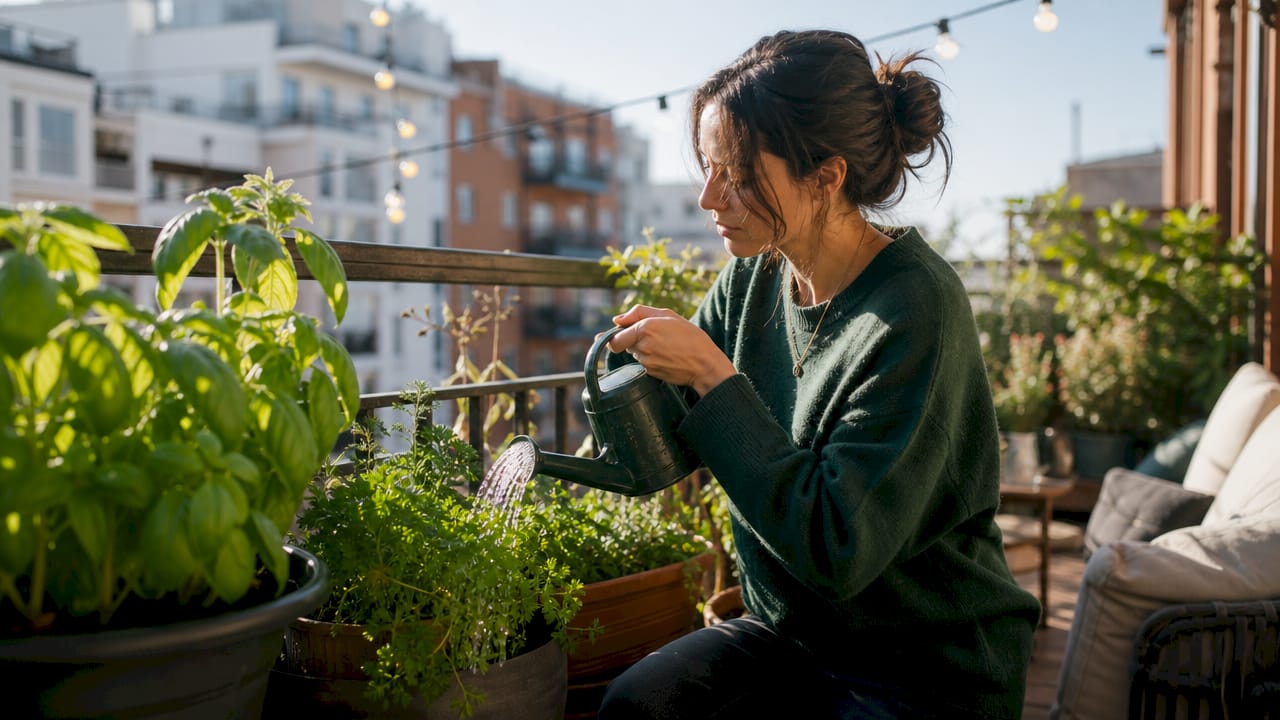
Tabletop garden systems are compact indoor growing setups designed to produce fresh herbs, greens, and small vegetables on any counter, windowsill, or desk. Also called countertop gardens or kitchen gardens, these systems range from simple soil-filled mason jars to plug-and-play hydroponic kits like the AeroGarden Sprout. Tending indoor plants lowers cortisol levels by up to 20%, which means your herb garden does more than feed you. Interest in indoor solar-powered garden tech surged 430% by 2026, signaling that urban dwellers are moving fast toward self-sufficient food production at home.
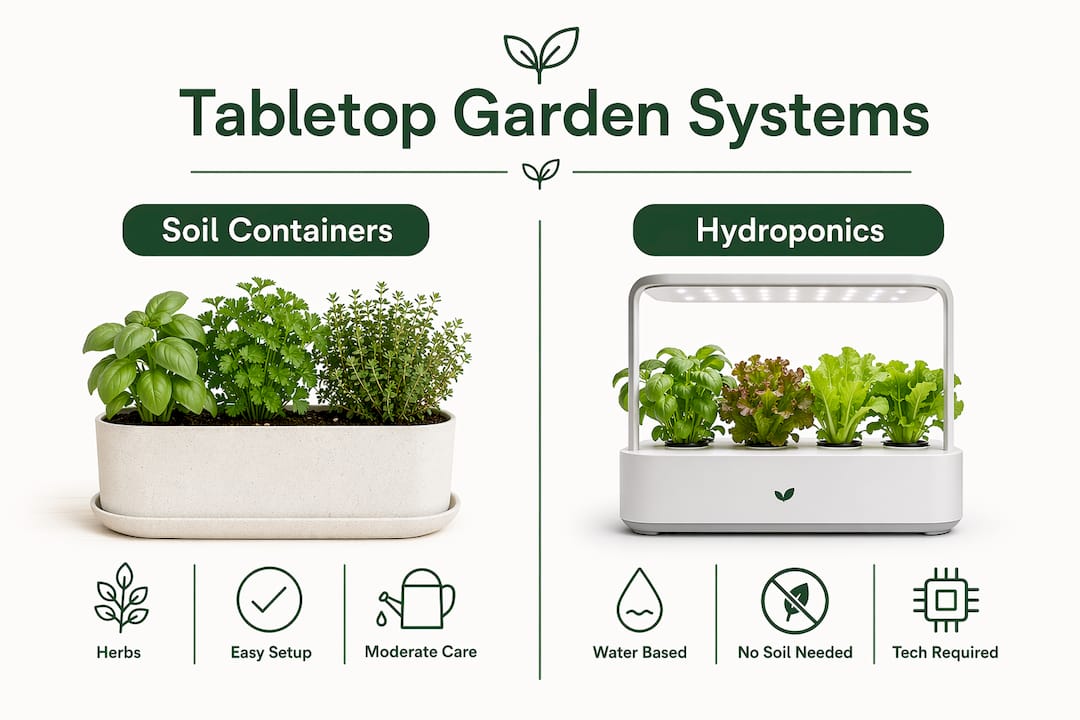
Three main categories cover the full range of tabletop gardening systems: soil-based containers, hydroponic setups, and terrariums. Each works differently, suits different plants, and demands a different level of attention from you.
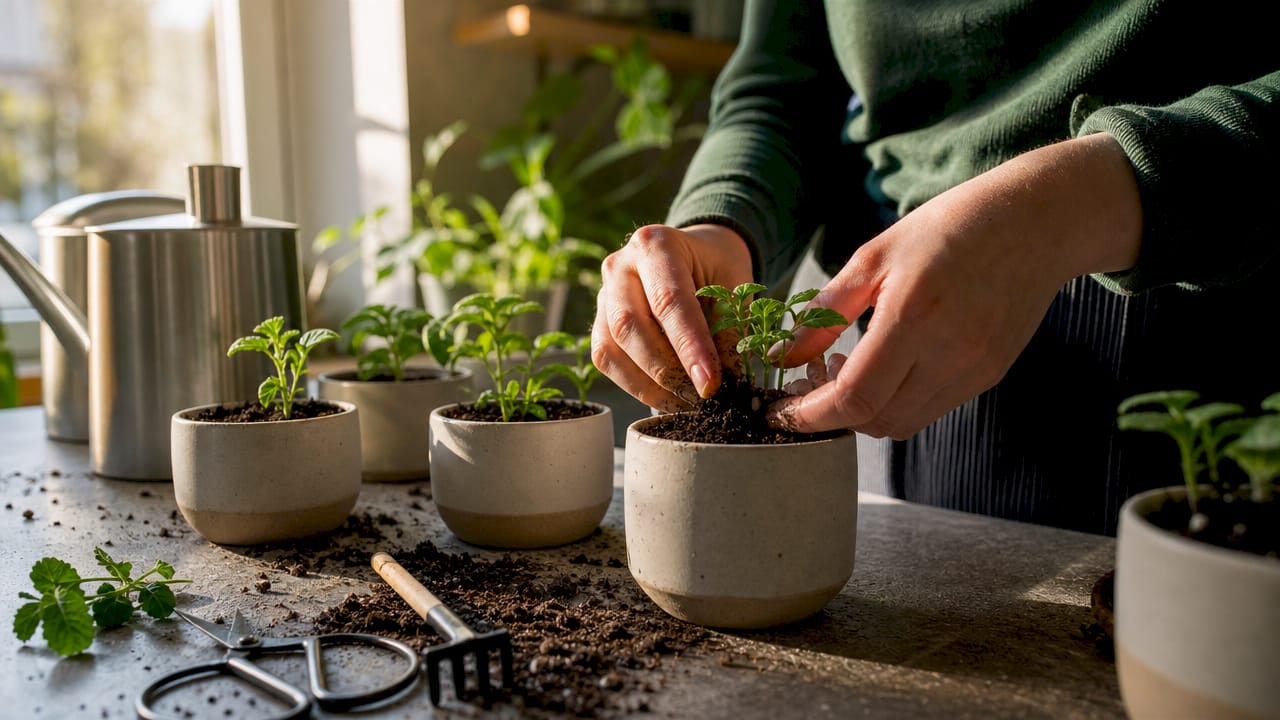
Soil-based setups are the most familiar starting point. You fill a small pot, mason jar, or window box with potting mix and plant directly into it. The biggest risk here is drainage. Over 70% of mason jar herb deaths result from overwatering, and jars without drainage holes make this worse. A 1-inch gravel layer at the bottom of any container without holes creates a reservoir that keeps roots from sitting in water. Sprout-lab’s premium soil mixes are formulated with the right particle size to support drainage and aeration in exactly these kinds of small containers.
Hydroponics grows plants in nutrient-rich water instead of soil. Passive systems like the Kratky method require no pump. Active systems circulate water with a small pump. Plug-and-play kits like the AeroGarden Sprout handle the mechanics for you, making them the most beginner-friendly option on the market. Success in compact hydroponic systems depends more on regular pruning, spacing, and pH maintenance than on upgrading hardware. That is a critical point: a $60 kit managed well outperforms a $200 kit that is neglected.
Terrariums are glass enclosures that create a miniature ecosystem. Closed terrariums maintain 80 to 95% humidity through an internal water cycle, making them ideal for moisture-loving plants like ferns and mosses. Open terrariums suit succulents and air plants that prefer drier conditions. Neither type is ideal for food production, but both work well as low-maintenance decorative setups.
Pro Tip: In closed terrariums, watch the condensation on the glass. Light misting on the walls means the moisture balance is right. Heavy dripping means too much water. No condensation at all means it is too dry.
| System type | Best for | Maintenance level | Food production? |
|---|---|---|---|
| Soil containers | Herbs, leafy greens | Low to medium | Yes |
| Hydroponic kits | Herbs, salad greens | Medium | Yes |
| Closed terrarium | Ferns, mosses | Low | No |
| Open terrarium | Succulents, air plants | Very low | No |
The benefits of tabletop gardens go well beyond having fresh basil on hand. They address real problems that urban apartment living creates: poor nutrition from store-bought produce, limited outdoor space, and the mental toll of city life.
Commercial dried herbs lose up to 70% of essential oils and antioxidants compared to fresh-cut herbs. That means the dried oregano in your pantry delivers a fraction of the nutritional value of a sprig snipped from your countertop. Growing your own closes that gap immediately.
The wellness case is equally strong. Cortisol reduction from plant care is not anecdotal. It is measurable, and it accumulates with daily interaction. Pairing that with the cultural shift toward tabletop gardening as a mindfulness practice means you are building a habit that feeds both your body and your focus.
Here is what urban beginners gain most from these systems:
Pro Tip: Rotate your plants a quarter turn every two to three days so all sides receive equal light. This prevents lopsided growth and increases overall yield without any extra cost.
Setting up a tabletop garden correctly from day one prevents the most common failures: root rot, poor light, and overcrowding. Follow these steps in order and you will avoid the mistakes that end most beginner gardens in the first month.
Choose your location first. A south-facing windowsill gives the most natural light in the Northern Hemisphere. If you do not have one, plan for an LED grow light from the start. Do not choose a spot and hope the light improves.
Select the right container. Match the container to the system type. Soil gardens need drainage holes or a gravel layer at the base. Hydroponic kits come with their own reservoirs. Terrariums need sealed or open glass depending on your plant choice.
Use the correct growing medium. Standard potting soil works for most herbs. Hydroponic systems use rockwool, clay pebbles, or foam pods. Never use garden soil indoors. It compacts, drains poorly, and introduces pests.
Set up your lighting. LED grow lights positioned 2 to 4 inches above the plant canopy and run for 12 to 16 hours daily replicate full-spectrum sunlight indoors. A simple outlet timer handles this automatically.
Water with discipline. Check soil moisture by pressing a finger one inch into the mix. Water only when it feels dry at that depth. For hydroponics, top up the reservoir weekly and check pH with a basic test kit. Maintain pH between 5.5 and 6.5 for optimal nutrient uptake.
Fertilize lightly and consistently. For soil systems, a half-strength liquid organic fertilizer every two weeks is enough. For hydroponics, use the nutrient solution specified for your kit and replace it fully every two to three weeks.
Prune from week one. Removing the top growth on herbs like basil encourages bushier, more productive plants. In hydroponic systems, pruning also prevents leaves from shading lower pods and blocking light.
Prevent pests proactively. Inspect leaves weekly. Wipe them with a damp cloth to remove dust and early infestations. Neem oil spray applied every two weeks keeps most common pests away without chemicals.
The most common failure in mason jar gardens is a missing drainage layer causing root rot within two to three weeks. That single fix, a 1-inch gravel base, extends the life of a soil-based setup from weeks to months. For year-round indoor garden success, consistent light and watering schedules matter more than any single product upgrade.
Pro Tip: Set a weekly five-minute garden check on your phone calendar. Use it to check pH, top up water, prune new growth, and rotate pots. Consistency beats intensity every time.
Plant selection determines whether your tabletop garden thrives or stalls. The best choices for beginners are plants that grow fast, tolerate some neglect, and produce usable harvests in small containers.
Start with these herbs. They are the most forgiving and the most useful in the kitchen:
For small vegetables, dwarf tomatoes, peppers, salad greens, and herbs are the most practical choices for indoor and balcony spaces. Micro-dwarf tomato varieties like Tiny Tim or Red Robin produce fruit in containers as small as 6 inches across. Leafy greens like arugula and spinach are the fastest producers, ready to harvest in as little as three weeks from seed.
In multi-pod hydroponic systems, pair plants with similar light and nutrient needs. Basil, lettuce, and parsley grow well together. Avoid mixing mint with other herbs in shared systems because it dominates root space.
Pro Tip: Start with chives, basil, and one leafy green. Master those three before adding more. Confidence built on small wins leads to better results than overloading your first setup.
| Plant | System type | Light needs | Days to harvest |
|---|---|---|---|
| Basil | Soil or hydroponic | High | 21 to 28 days |
| Chives | Soil or hydroponic | Medium | 30 days |
| Arugula | Soil or hydroponic | Medium | 21 days |
| Mint | Soil (solo pot) | Medium | 30 days |
| Dwarf tomato | Soil or hydroponic | Very high | 60 to 70 days |
For a curated list of plants matched to specific systems, Sprout-lab’s guide to plants for hydroponic systems covers compatibility, yield expectations, and care requirements in detail.
Tabletop garden systems succeed when you match the right system type to your space, choose beginner-friendly plants, and build consistent care habits from day one.
| Point | Details |
|---|---|
| Match system to your space | Soil containers suit windowsills; hydroponic kits work best under LED grow lights. |
| Drainage prevents failure | A 1-inch gravel layer in soil containers stops root rot, the leading cause of beginner plant loss. |
| Light is non-negotiable | Run LED grow lights 12 to 16 hours daily, positioned 2 to 4 inches above the canopy. |
| Start with resilient herbs | Chives, basil, and arugula give fast results and build confidence before expanding. |
| Maintenance beats hardware | Regular pruning, pH checks, and watering discipline outperform expensive equipment every time. |
The biggest mistake I see beginners make is treating their tabletop garden as a set-and-forget appliance. It is not. The technology, whether that is an AeroGarden kit or a smart LED panel, handles the heavy lifting. But the gardener still needs to show up. The five minutes you spend checking pH, snipping back overgrowth, and rotating pots is where the real results come from.
What surprised me most was how quickly the routine became something I looked forward to. There is something grounding about touching soil or checking water levels before the day starts. It is not dramatic. It is just a small, consistent act of attention that pays off in fresh food and a clearer head.
My honest advice: do not wait until you have the perfect setup. A mason jar with a gravel layer, a bag of quality potting mix, and a south-facing window is enough to start. The small-space growing guide from Sprout-lab is a good next read if you want to think through your specific setup before buying anything. Failures in the first few weeks are data, not defeats. Adjust the light, fix the drainage, and try again.
— Luna
Sprout-lab makes it straightforward to go from reading about tabletop gardens to actually running one. Their passive hydroponic system is built specifically for beginners who want reliable results without a steep learning curve. No pumps, no complicated nutrient schedules, and no prior experience required.
Sprout-lab also carries premium soil mixes formulated for small containers, organic seed selections, and LED grow lights sized for countertop use. With a 4.9/5 rating across more than 25,000 completed orders, their products are tested by real urban growers in real small spaces. Whether you are starting with a single herb pod or planning a multi-plant setup, Sprout-lab has the tools and guidance to get you there. Explore their full range of indoor gardening solutions and find the right fit for your space.
A tabletop garden system is a compact indoor growing setup designed to cultivate herbs, greens, or small vegetables on a counter, windowsill, or desk. Systems range from soil-filled containers to plug-and-play hydroponic kits like the AeroGarden Sprout.
Most edible plants need 12 to 16 hours of light daily. LED grow lights positioned 2 to 4 inches above the plant canopy replicate full-spectrum sunlight and work in any room regardless of window access.
The most common cause is overwatering combined with poor drainage. Over 70% of mason jar herb failures result from roots sitting in water. Adding a 1-inch gravel layer at the base of any container without drainage holes solves this problem.
Yes. Dwarf tomatoes, peppers, arugula, spinach, and salad greens all grow well in tabletop systems. Micro-dwarf tomato varieties like Tiny Tim produce fruit in containers as small as 6 inches across.
Soil-based tabletop gardens perform best with a lightweight indoor potting mix that drains well and resists compaction. Standard garden soil is too dense for containers and introduces pests indoors. Sprout-lab’s soil mixes are formulated specifically for small indoor containers.