Free shipping for order over $50

Free shipping for order over $50
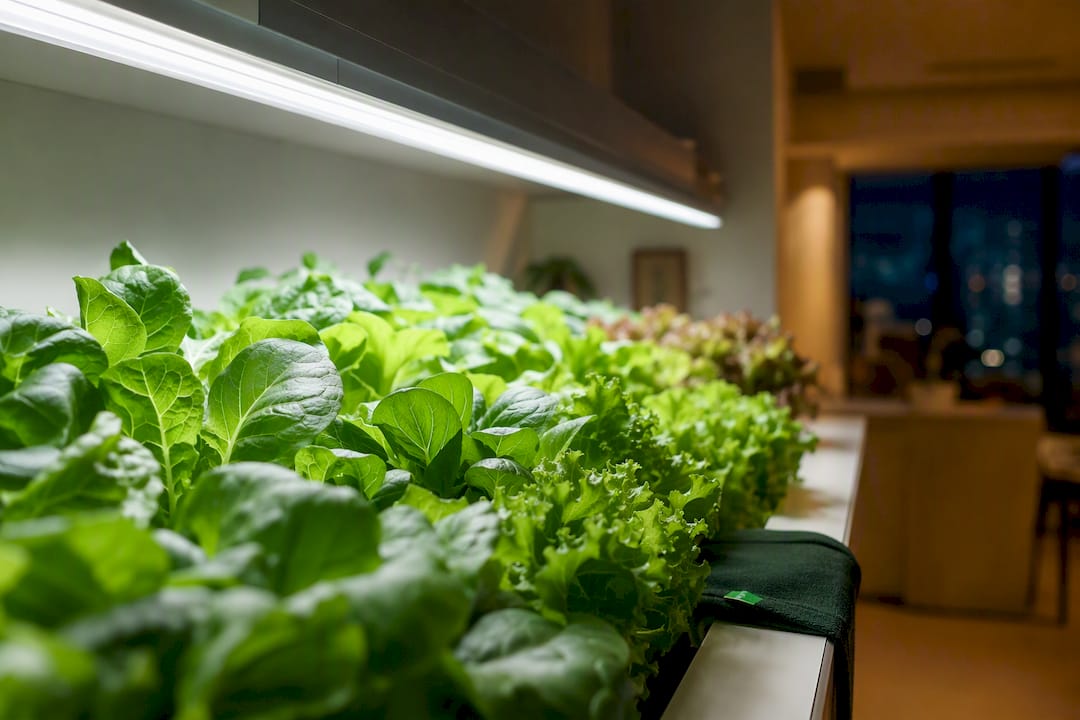
A small hobby LED setup usually runs about $3 to $10 a month, a medium tent lands closer to $15 to $30, and a large multi-light room can reach $40 to $80, based on typical wattages and runtimes seen in calculator examples. The math is simple: watts times hours divided by 1,000, times your rate per kilowatt-hour. Fixture choice matters more than almost anything else long term, since modern LEDs typically use 40 to 60% less electricity than an equivalent HID setup.
TL;DR:
- Using higher-efficiency LED fixtures can reduce electricity costs by up to 60 percent compared to traditional HID lights with similar output.
- Ancillary equipment like fans and exhaust systems significantly increase total power consumption, adding roughly $7 to $20 to monthly costs depending on size and runtime.
- Adjusting your light schedule to off-peak hours and using timers can lower energy bills without affecting plant growth or yield.
- Checking actual fixture wattage through spec sheets or power meters is essential, as marketing wattages can overstate true power consumption.
- Sizing lights based on plant needs rather than tent size prevents unnecessary power waste and keeps energy costs manageable.
The formula is: (wattage ÷ 1,000) × hours per day × days per month × your rate in dollars per kilowatt-hour. A 150 watt fixture run 12 hours a day uses 1.8 kilowatt-hours daily. Multiply that by 30 days and a rate of $0.17 per kilowatt-hour, and you land close to the $9.31 monthly figure that calculator examples show for that exact setup.

One catch trips up a lot of growers: the number printed on the box is often “marketing wattage,” not the actual power the fixture pulls from the wall. A panel labeled “600W equivalent” might draw closer to 300 watts of real input power. The only reliable way to know is to check the spec sheet for actual draw or measure it yourself with a plug-in power meter.
Don’t forget the equipment running alongside your light:
Here’s how common fixture sizes translate into cost using a sample rate of $0.17 per kilowatt-hour. Multiply by your own local rate to get an exact figure for your setup.
Add ancillary loads and the total climbs faster than most beginners expect. Take a 300 watt LED panel running 12 hours a day: that’s $18.36 for the light alone. Add a 30 watt circulation fan and a 100 watt exhaust fan on the same schedule, and you’re adding roughly 1.56 kilowatt-hours a day, another $7.95 a month. Your real monthly cost for that tent is closer to $26, not $18.
A 300W LED can cut lighting costs by roughly half compared to a 600W HID producing similar output. At 12 hours a day and $0.17 per kilowatt-hour, the HID costs about $36.72 a month while the LED costs about $18.36, a saving that reflects the 40 to 60% efficiency gap documented between the two technologies. Over a full year, that’s the difference between roughly $441 and $220 in electricity for the light alone.

The most useful number most growers never check is efficacy, measured in micromoles of light per joule of electricity (µmol/J). A fixture with higher efficacy delivers the same amount of usable light to your plants while pulling fewer watts from the wall, which is why two lights with identical wattage can produce very different results and very different bills.
Once you know your fixture’s efficacy, a few practical moves make the biggest difference:
A short ROI example: swapping an older 600W HID for a higher-efficacy 300W LED that costs more upfront but typically pays back its premium within 6 to 24 months for most hobby growers, depending on usage and local rates. At the $18.36 monthly saving calculated above, a $200 price difference pays for itself in under a year.
Pro Tip: Run your lights on the same timer schedule as your exhaust fan so you’re never paying to cool an empty tent.
Your rate per kilowatt-hour isn’t fixed everywhere. In markets with a regulated quarterly tariff, the rate is reset every quarter based on factors like average natural gas prices, and households can typically choose to stay on that regulated tariff or switch to a retailer offering fixed-price or time-of-use plans instead.
Time-of-use plans charge less during off-peak hours, often overnight. If your grow light runtime overlaps with those cheaper hours, shifting your photoperiod schedule can lower your bill without touching your equipment at all.
A few things worth checking before you assume your rate:
The biggest mistake I see is growers sizing their light to the tent instead of the plant, then running it 18 hours a day out of habit rather than need. That habit alone can double a light’s electricity draw for no extra yield.
Two rules I come back to: aim for roughly 25 to 40 watts of actual draw per square foot for most leafy and flowering hobby crops, and cap your daily runtime at what the plant’s light cycle actually calls for rather than what feels generous. Working with compact hydroponic systems day to day has made the case for efficient full-spectrum LEDs obvious: less heat to manage, less power wasted, and a smaller bill at the end of the month.
— Irwin Lee
If your calculations above landed higher than you’d like, the fix usually isn’t running your light less, it’s running a more efficient one. Some retailers carry full-spectrum LED fixtures built for compact urban growing, designed to pair with modular hydroponic systems that fit apartments and small rooms without wasting power on light your plants never use.
Worth checking before you buy:
Run the same formula from earlier using a higher-efficacy fixture’s actual wattage, and compare it against your current bill on the Sprout Lab site before you decide.
For tariff mechanics, see the EMA feature story on quarterly tariff setting. For sizing fixtures to your plants rather than marketing watts, use the DLI and grow light calculator from HarvestMath.
A single hobby LED fixture typically draws less power than a hair dryer or space heater, so it’s rarely the biggest item on your bill. Older HID setups draw considerably more, since LEDs use 40 to 60% less electricity for comparable light output.
Cost depends on wattage, hours run, and your rate per kilowatt-hour, using the formula (watts ÷ 1,000) × hours × rate. A 150W fixture run 12 hours a day costs roughly $9.31 a month at a sample rate of $0.17 per kilowatt-hour.
Monthly cost for hobby setups generally falls between $3 and $80 depending on fixture size and runtime, with most single-panel LED tents landing in the $10 to $30 range shown in calculator examples. Adding fans or exhaust systems raises the total further.
At 12 hours a day and a sample rate of $0.17 per kilowatt-hour, a 1,000 watt fixture costs about $61.20 a month, and closer to $91.80 a month if run 18 hours a day. Actual cost shifts with your fixture’s real power draw and your local electricity rate.