Free shipping for order over $50

Free shipping for order over $50
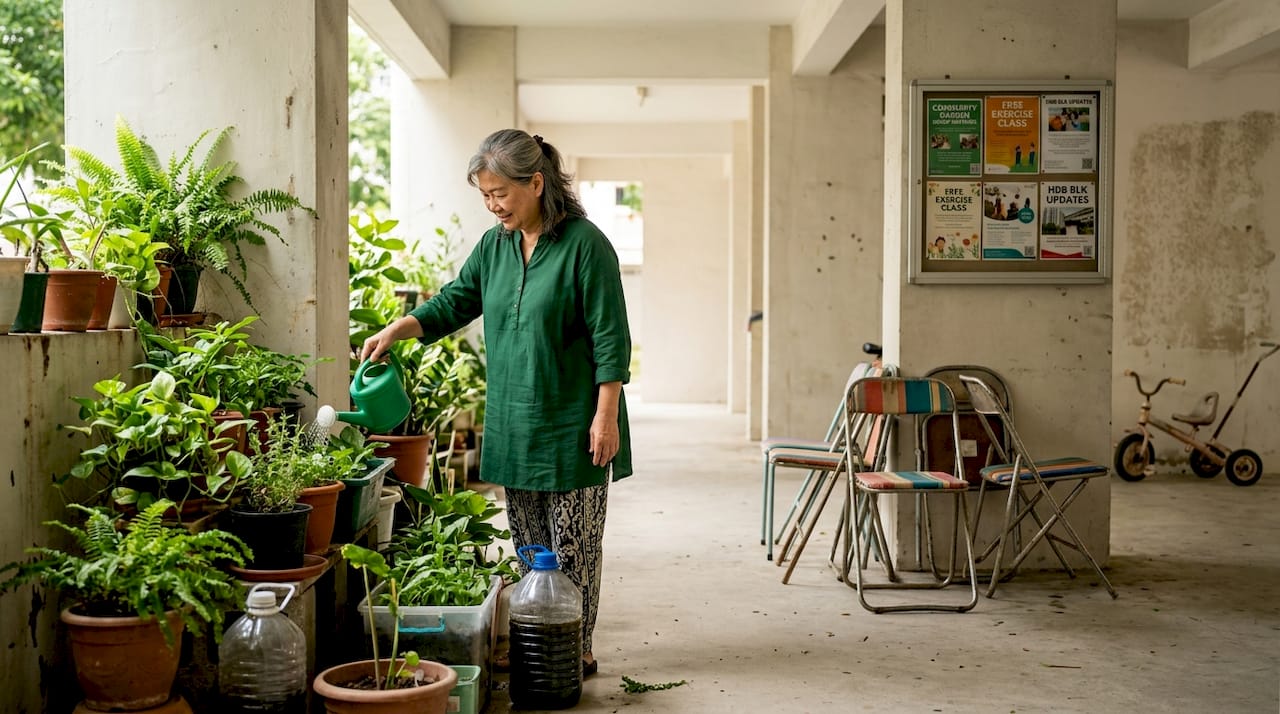
If you’ve ever walked through the ground floor of an HDB block and thought “someone should do something with this space,” you’ve already started thinking like a void deck gardener. A void deck garden is exactly what it sounds like: a plant-growing setup established in the open communal space beneath your HDB building. These gardens range from a few potted herbs along a wall to organized community vegetable patches, and they’re becoming one of Singapore’s most creative responses to the challenge of urban growing. Here’s everything you need to know to do it well.
| Point | Details |
|---|---|
| Void deck gardens defined | A void deck garden uses the sheltered communal ground floor space beneath HDB blocks to grow plants, herbs, or vegetables. |
| Light is the biggest constraint | Partial or filtered light zones work best; areas receiving less than 3 hours of direct sun need very specific shade-loving plants. |
| Containers over bare soil | Always use pots with drainage holes to prevent waterlogging, mess, and community friction. |
| Customize to your block | Every void deck has a different size, layout, and microclimate, so observe your specific space before planting. |
| Community and compliance matter | Coordinate with neighbors and your Town Council to keep pathways clear and avoid becoming a nuisance. |
Before getting into gardens, it helps to understand the space itself. Void decks are open-air communal areas on the ground floor beneath HDB apartment blocks, deliberately designed to give residents a sheltered, shared space away from both weather and the privacy of their own units. They host everything from funeral wakes and wedding receptions to impromptu card games and children playing after school.
This flexibility is intentional. The design philosophy treats void decks as informal living rooms for the entire block. Rather than a sterile lobby that you walk through and forget, void decks promote community cohesion by giving neighbors a reason to gather and interact at ground level. That sense of connection is what Singaporeans often call kampung spirit, the neighborly closeness that high-rise living can otherwise erode.
The architecture has shifted over the decades. Earlier HDB slab-block designs created large, continuous void deck floors that stretched across the entire building footprint. Newer estates tend to feature smaller, less regular void decks because modern block designs prioritize outward-facing windows and privacy at the unit level, which changes the shape and footprint of the ground floor. This matters enormously for gardening, because your available space, ceiling height, and light exposure will depend almost entirely on when your block was built and how it faces.
“Void decks are intentionally designed as flexible social spaces, so any garden concept should preserve openness and facilitate community mingling.” — Poskod.sg
What this means practically: a 1980s slab block may give you a long, bright corridor-like stretch ideal for a row of planters, while a newer development might offer only a compact corner that catches filtered morning light for a few hours. Neither is unusable. Both require different strategies.
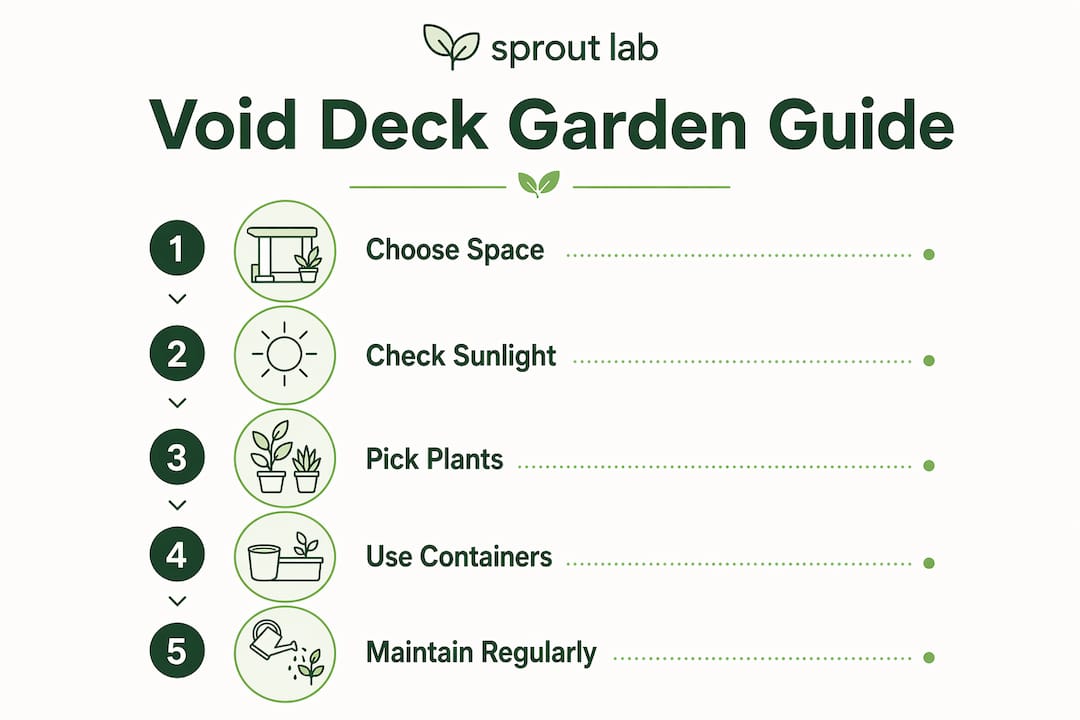
A void deck garden is any deliberate planting setup, whether communal or individually managed, placed within the void deck of an HDB building. The benefits of void deck gardens are real and well-documented by residents who have tried them. Greenery improves the visual experience of the space, growing herbs or vegetables adds practical food value, and the act of tending a garden together strengthens the community bonds the void deck was designed to create in the first place.
That said, a few misconceptions are worth addressing:
The challenges are real too. Limited sunlight is the primary obstacle for most void decks, particularly newer ones. Maintenance in a shared space requires consistent effort and community buy-in. And any mess, including soil spills or standing water, quickly becomes a source of friction with neighbors.
Pro Tip: Before you commit to any plants or containers, spend three days observing how light moves through your void deck at different times of day. A spot that looks dark at 9am might receive two hours of direct light by noon, which completely changes your plant options.
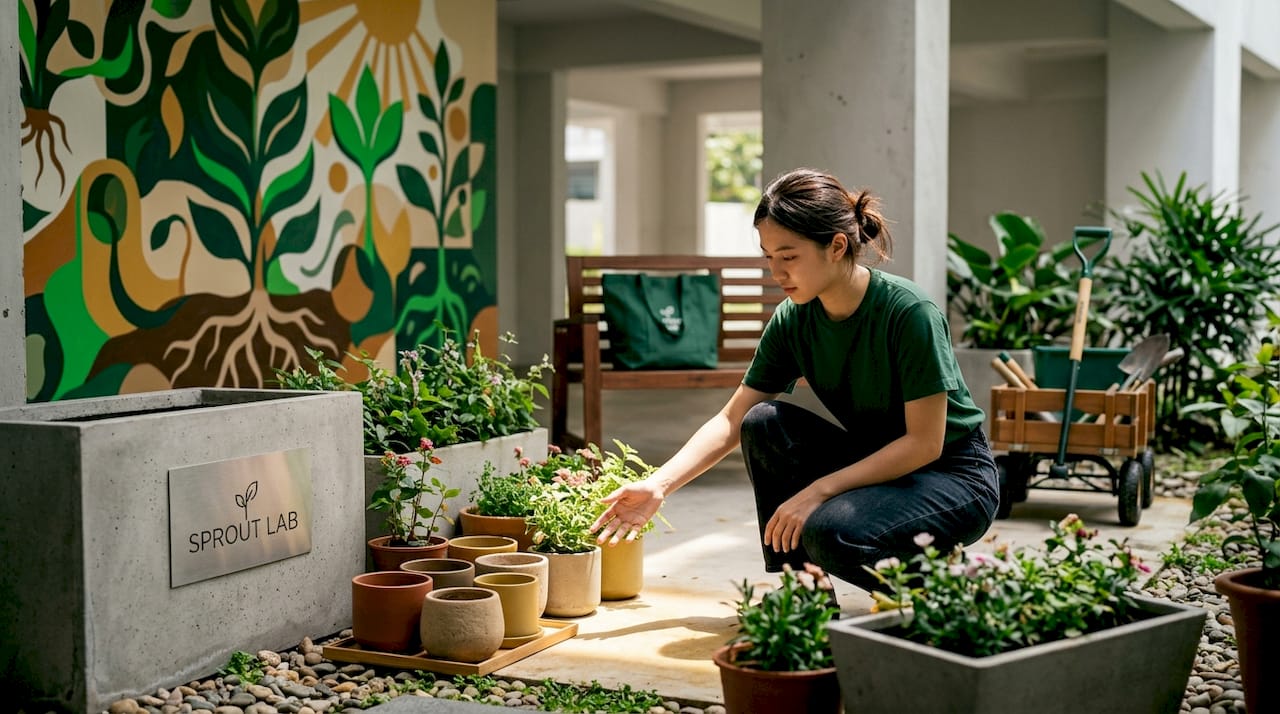
Designing a void deck garden well comes down to honest assessment before any shopping or planting happens. Here is a practical sequence that works for most Singapore void decks:
For growing plants in small urban spaces, selecting the right container size matters as much as plant choice. Oversized containers hold more moisture than shallow-rooted plants need, which creates the waterlogging problems you’re trying to avoid.
Pro Tip: Elevate your containers slightly using small stands or bricks. This improves drainage and air circulation at the base, which reduces root rot risk significantly in Singapore’s humid conditions.
This is where void deck landscaping tips become genuinely fun. The constraints of a void deck actually push you toward creative solutions that often look better than a conventional garden bed would.
Vertical planters attached to pillars or walls are among the best void deck garden ideas for maximizing space without spreading across the floor. They keep the area open, look intentional and neat, and can hold a surprising number of plants in a small footprint. Pocket planters, mounted PVC pipe systems, and modular wall frames all work well here.
A container herb garden is probably the most immediately rewarding void deck project. The following herbs perform well in partial light and Singapore’s climate:
For aesthetic appeal rather than food production, consider:
| Plant type | Light needed | Maintenance level | Best use |
|---|---|---|---|
| Pandan | Low to medium indirect | Low | Cooking, fragrance |
| Mint | Low to medium indirect | Low | Cooking, teas |
| Pothos | Very low to medium | Very low | Visual greenery |
| Peace lily | Low indirect | Low | Ornamental |
| Laksa leaf | Medium indirect | Low | Cooking |
| Spider plant | Low to medium | Very low | Visual greenery |
Choosing the right container for each of these plants is as important as light management. Herbs generally prefer smaller containers with fast-draining soil, while ornamentals like peace lilies do better in slightly larger pots that retain some moisture.
A thriving void deck garden does not exist in isolation. It exists within a shared community, and that community has every right to a clean, accessible, and pleasant space.
Here is what you need to keep in mind on the practical side:
You can also look into reducing waste from your gardening practice. Resources on reducing food waste naturally translate well into composting decisions and responsible plant disposal when you rotate crops.
I’ve been observing how urban residents approach communal spaces for years, and void deck gardens tell a particular story. Most people walk through their void deck without ever really seeing it. They see an empty floor, a row of pillars, and a shortcut to the lift. What I see is one of the few semi-public spaces in Singapore where genuine, unplanned interaction between neighbors still happens regularly.
What I’ve found is that the gardens themselves matter less than what they catalyze. The resident who starts a small herb planter next to the letterboxes ends up having more conversations with neighbors in a month than they’d had in the previous year. The act of tending something visible and shared invites connection in a way that nothing else in a high-rise block quite replicates.
The challenges I’ve watched people struggle with most are not the ones they expect. Light is manageable once you observe your space properly. Maintenance is manageable once you choose plants that suit the conditions. The real challenge is the social one: getting neighbors on board, maintaining enthusiasm when no one else seems to care, and keeping the space tidy when it’s no longer new and exciting.
My honest advice: start smaller than you think you need to. One neat, thriving planter communicates more about your intentions and capabilities than ten overcrowded, struggling ones. Prove the concept in your specific void deck, then grow from there.
— Luna
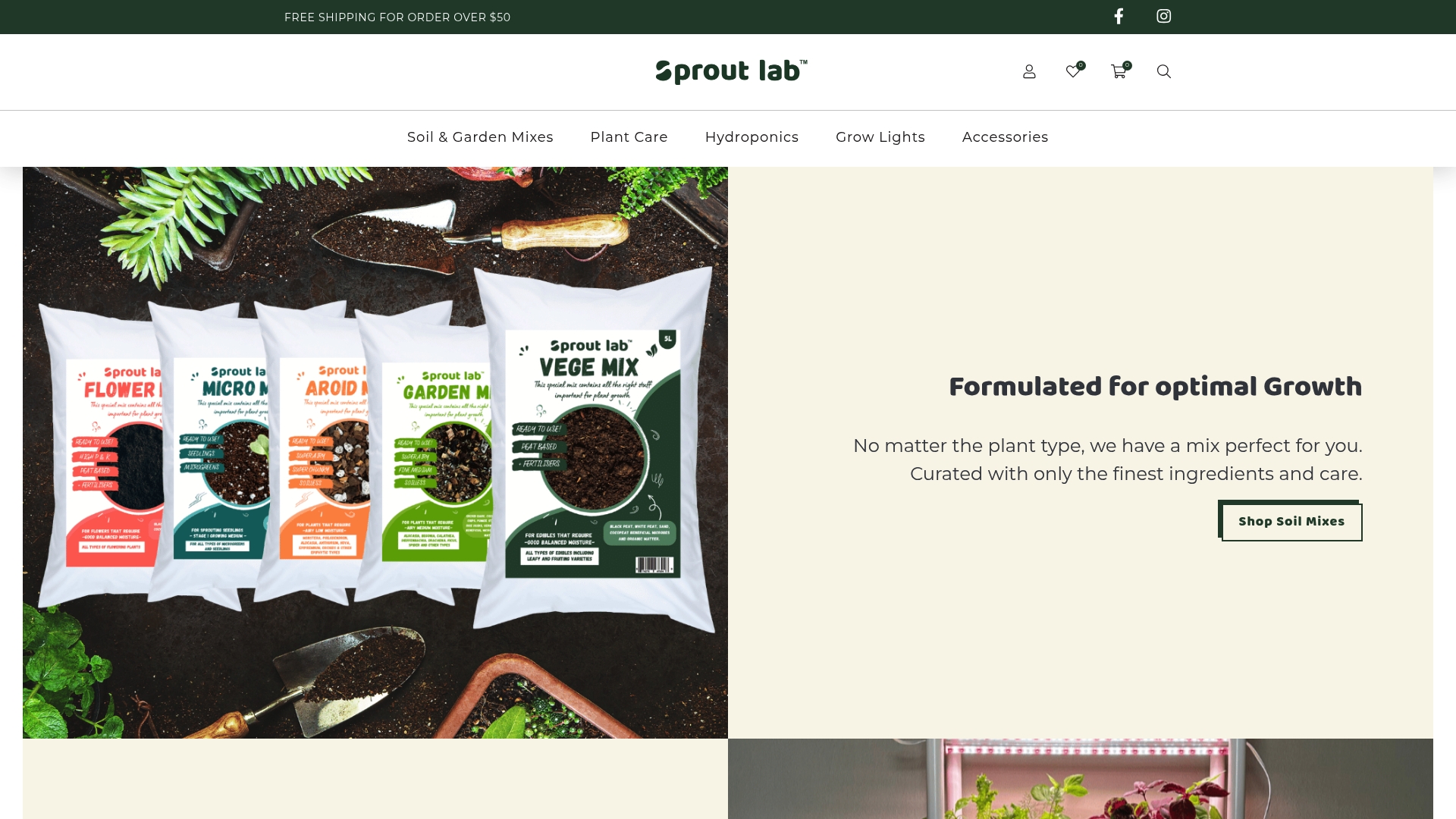
If you’re ready to move from planning to planting, Sprout-lab has the tools built specifically for spaces like yours. Their hydroponic systems in Singapore are designed for exactly the kind of small, low-light, high-humidity environment a void deck presents. The modular setup lets you grow up to 56 plants in a compact footprint without needing garden beds or abundant sunlight. For soil-based growing, their premium soil mixes are formulated for container gardening in Singapore’s climate. And if you’re just starting out, the beginner hydroponic kits walk you through everything from setup to first harvest. With a 4.9/5 rating across more than 25,000 orders, Sprout-lab is the practical starting point for your void deck garden.
A void deck garden is a plant-growing setup placed in the open communal ground floor space beneath an HDB apartment block. It can include potted herbs, ornamental plants, vertical planters, or small vegetable containers.
Shade-tolerant plants work best, including pandan, mint, pothos, peace lily, laksa leaf, and spider plants. Light availability is the primary limiting factor, so prioritize species that thrive in partial or indirect light.
You should check with your Town Council before setting up anything permanent. Void decks are common property, and regulations around their use vary by estate and block.
Use containers with drainage holes and trays to catch runoff, keep pathways clear, and maintain the garden regularly. Drainable planter systems reduce the maintenance problems that most commonly lead to neighbor complaints.
Yes. Hydroponic systems are actually well-suited to void decks because they eliminate soil mess, allow precise water management, and can be set up in compact vertical configurations that respect the shared nature of the space.