Free shipping for order over $50

Free shipping for order over $50
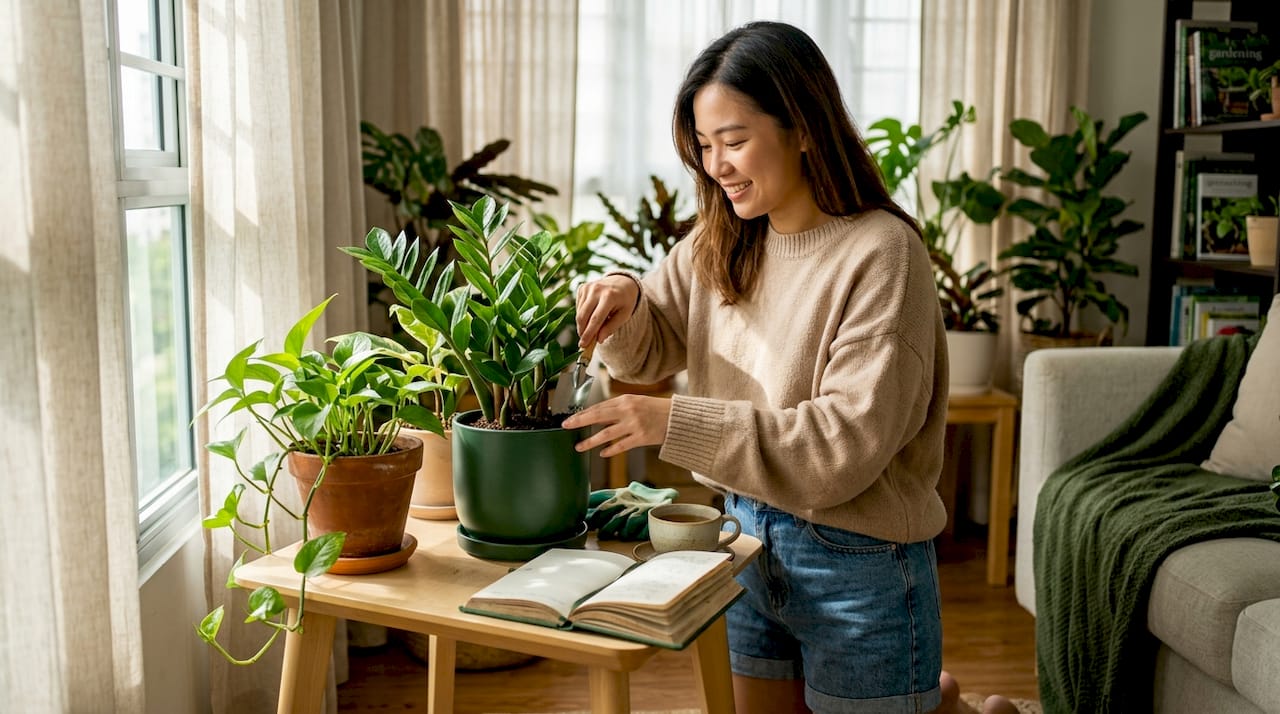
Getting plants to thrive in HDB apartments is harder than most people expect. The combination of indirect light, air-conditioning, limited floor space, and corridor wind tunnels creates conditions that would stress even the most forgiving species. But tropical houseplants are naturally adapted to Singapore’s warm, humid climate, which means the right choices can genuinely flourish in your flat. This guide covers exactly which plants work, why they work, and how to keep them healthy in the specific conditions of a Singapore HDB unit.
| Point | Details |
|---|---|
| Light is the top factor | Most HDB apartments offer indirect or filtered light, so choose species adapted to low or medium light. |
| Watering less is usually better | Check soil dryness before watering. Overwatering in AC conditions is the most common cause of plant death. |
| Location within the flat matters | Microclimates near AC vents, windows, and corridors affect plant health more than most people realize. |
| Resilient species outperform trendy ones | ZZ plants, pothos, and snake plants consistently outlast more demanding species in apartment conditions. |
| Vertical space is underused | Hanging baskets and wall shelves let you grow more plants without sacrificing floor space. |
Before picking a plant, you need to understand what your apartment actually offers. Most HDB units receive indirect or filtered light, not the bright direct sun that many plants need to grow vigorously. North and west-facing units tend to be the most challenging. East-facing windows give you the best morning light without the harsh afternoon heat.
Air-conditioning changes everything about how plants behave indoors. It lowers humidity, slows soil drying, and creates cold air pockets near vents that can stress tropical species. The result is that a plant which thrives in a humid outdoor setting may struggle two meters away from your AC unit.
Space is the other reality. Most HDB living rooms, bedrooms, and kitchens offer limited floor area. That means you need to think vertically. Hanging baskets, tiered plant shelves, and wall-mounted planters can triple your growing capacity without taking up a single square meter of floor space.
Pro Tip: Before buying a plant, hold your hand flat at the spot where it will live. If you can read text in that light, most low-light species will survive. If you struggle to read, only the most shade-tolerant plants will make it.
The ZZ plant is the closest thing to a foolproof indoor plant for HDB apartments. It tolerates very low light and only needs watering every two to three weeks. Its thick rhizomes store water, so skipping a watering session does not cause the panic it would with other species. Place it in a north-facing room or a corridor spot with minimal light and it will hold its glossy, dark green foliage without complaint.
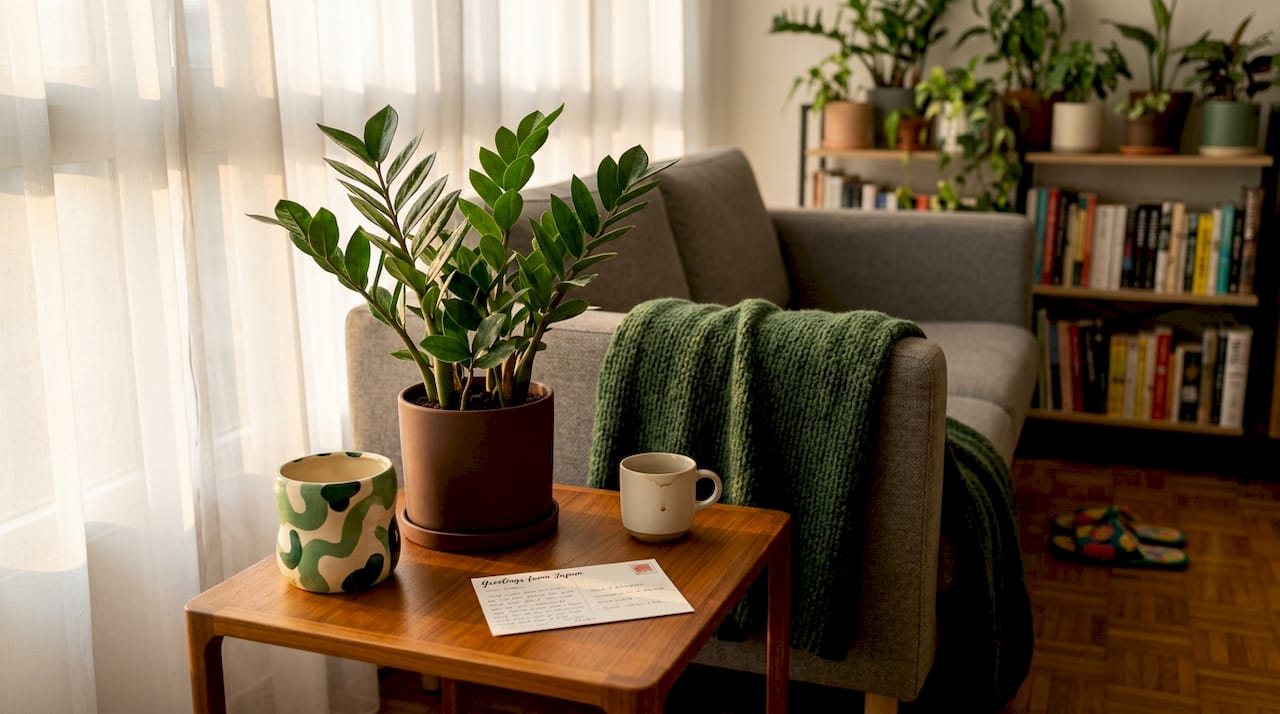
Pothos is the trailing plant that works in almost every HDB scenario. You can let it cascade from a high shelf, train it along a wall, or grow it in a hanging basket near a window. Watering frequency shifts with the season and pot size, but the dryness test method is the most reliable guide. Stick your finger two centimeters into the soil. If it feels dry, water thoroughly. If it still feels damp, wait another few days. This approach prevents the root rot that kills more pothos plants than anything else.
The snake plant is one of the best air-purifying plants for flats because it processes toxins overnight and releases oxygen while you sleep. It tolerates neglect, irregular watering, and low light better than almost any other common houseplant. It also grows vertically, which makes it ideal for tight corners and narrow spaces beside furniture. One caution: snake plants are toxic to cats and dogs, so position them accordingly if you have pets.
The peace lily is one of the few flowering options that genuinely works indoors in Singapore. To get blooms, you need east-facing indirect light with the plant positioned 50 to 100 centimeters back from the glass. In north-facing rooms or corridors, it will survive but rarely flower. The leaves droop visibly when it needs water, which makes it one of the easiest plants to read. It also filters common indoor air pollutants, adding both beauty and function to your space.
Aglaonema comes in dozens of color varieties, from deep green to pink and red. It is native to tropical Asia, which means Singapore’s ambient warmth suits it perfectly. It handles low to medium indirect light and does not demand frequent watering. For corridors, snake plant, ZZ plant, and Aglaonema are consistently the top performers because they withstand heat, wind, and irregular care. The colorful foliage also adds visual interest to otherwise plain corridor walls.
Philodendrons come in two growth habits: climbing and non-climbing. Both work well as easy plants for small spaces. The heartleaf philodendron trails similarly to pothos and thrives in the same conditions. Larger varieties like the Philodendron selloum create a bold, architectural look in living rooms without needing direct sun. They prefer consistent moisture but forgive occasional dry spells, making them a practical choice for busy households.
Dracaena is one of the best indoor plants for HDB units that need a tall, structural plant without the fuss. Most varieties grow slowly and stay manageable in apartment-sized pots. They tolerate low light, though they grow faster with bright indirect light near a window. One thing to watch: fluoride in tap water can cause brown leaf tips on dracaena. Using filtered water or letting tap water sit overnight before watering solves this easily.
These two are the most visually dramatic plants on this list, with patterned leaves in deep greens, purples, and silvers. They are also the most humidity-dependent. In a heavily air-conditioned HDB flat, they will develop brown edges without extra humidity support. Group them together with other plants, place a pebble tray filled with water beneath the pot, or position them in the bathroom if it gets enough indirect light. The effort pays off. Few plants create the same visual impact in a small space.
The Bird’s Nest fern is the most apartment-friendly fern species because it tolerates lower humidity than Boston or Maidenhair ferns. Its wide, wavy fronds grow outward in a rosette pattern, filling space beautifully on a shelf or side table. It prefers shade and consistent moisture, which makes bathrooms with a small window an ideal location. Avoid placing it near AC vents or in direct sun, as both will cause the fronds to brown and curl.
| Plant | Light need | Watering | Max size | Maintenance | Best HDB spot |
|---|---|---|---|---|---|
| ZZ Plant | Very low | Every 2-3 weeks | 90 cm | Very low | Corridor, bedroom |
| Pothos | Low to medium | Every 7-10 days | Trailing | Very low | Shelf, hanging basket |
| Snake Plant | Low to medium | Every 2-3 weeks | 120 cm | Very low | Corner, corridor |
| Peace Lily | Medium indirect | Every 7 days | 60 cm | Low | East-facing room |
| Aglaonema | Low to medium | Every 7-10 days | 60 cm | Low | Living room, corridor |
| Philodendron | Low to medium | Every 7-10 days | Varies | Low | Living room, shelf |
| Dracaena | Low to bright | Every 10-14 days | 150 cm | Low | Living room corner |
| Calathea | Medium indirect | Every 5-7 days | 60 cm | Medium | Bathroom, grouped |
| Bird’s Nest Fern | Low to medium | Every 5-7 days | 60 cm | Low | Bathroom, shelf |
Getting the right species is only half the equation. How you care for them in your specific apartment conditions determines whether they thrive or just survive.
Water by feel, not by schedule. Check the top two to three centimeters of soil before watering. Soil dryness is a far more reliable guide than calendar reminders, especially in air-conditioned rooms where soil stays damp longer than expected.
Add grow lights where natural light falls short. Running LED grow lights for 12 to 14 hours daily can compensate for the low light levels common in north or west-facing HDB units. Full-spectrum LEDs work best and consume minimal electricity. See Sprout-lab’s top LED grow light picks for apartment-friendly options.
Use vertical space aggressively. Hanging baskets near windows, tiered plant shelves along walls, and magnetic planters on metal surfaces all let you grow more plants without claiming floor space. This is the most underused strategy in small HDB apartments.
Stabilize corridor plants properly. Wind tunnels in HDB corridors can knock over lightweight pots. Use heavy ceramic or concrete pots, position plants close to your own doorway, and never let them extend into the shared walkway. This protects both your plants and your neighbors.
Manage humidity without a humidifier. Group plants together so they share transpired moisture. Place a shallow tray filled with pebbles and water beneath humidity-loving species. Both methods raise local humidity without any electricity cost.
Keep plants away from AC vents. Cold, dry air from vents causes leaf browning, tip burn, and stress in most tropical species. Even heat-tolerant plants like snake plants prefer stable ambient temperatures over direct cold airflow.
Pro Tip: If your plant is growing slowly but looks otherwise healthy, the problem is almost always light, not water or fertilizer. Move it two meters closer to a window for two weeks and compare the growth rate before changing anything else.
For more guidance on diagnosing indoor plant issues, Sprout-lab has a detailed breakdown of the most common environmental causes.
I’ve watched a lot of people set up beautiful plant corners in their HDB flats, only to feel defeated six months later when half the plants are dead. The frustrating part is that most of those failures had nothing to do with effort or care. They came down to one thing: choosing the wrong plant for the actual light conditions in that specific apartment.
The mistake I see most often is buying a plant based on how it looks at the nursery, under bright grow lights, and then placing it in a dim corner at home. The plant looks fine for a few weeks because it’s living off stored energy. Then it slowly declines. People assume they’re bad at plant care. They’re not. They just had a mismatch between plant and environment.
What I’ve learned is that the location within your apartment creates microclimates that matter enormously. The spot one meter from an east-facing window is a completely different environment from the spot three meters away. The area near your bathroom door, where humidity is higher, suits ferns and calatheas far better than your living room ever will.
My honest advice: start with two or three genuinely resilient species like ZZ plant, pothos, or snake plant. Get comfortable with how they behave in your specific flat. Then add more demanding plants once you understand your apartment’s light patterns and how quickly your soil dries out. Low-maintenance plants are resilient to real-life inconsistency, and that resilience is exactly what makes them the right starting point for busy urban dwellers.
You don’t need a green thumb. You need the right plants in the right spots.
— Luna
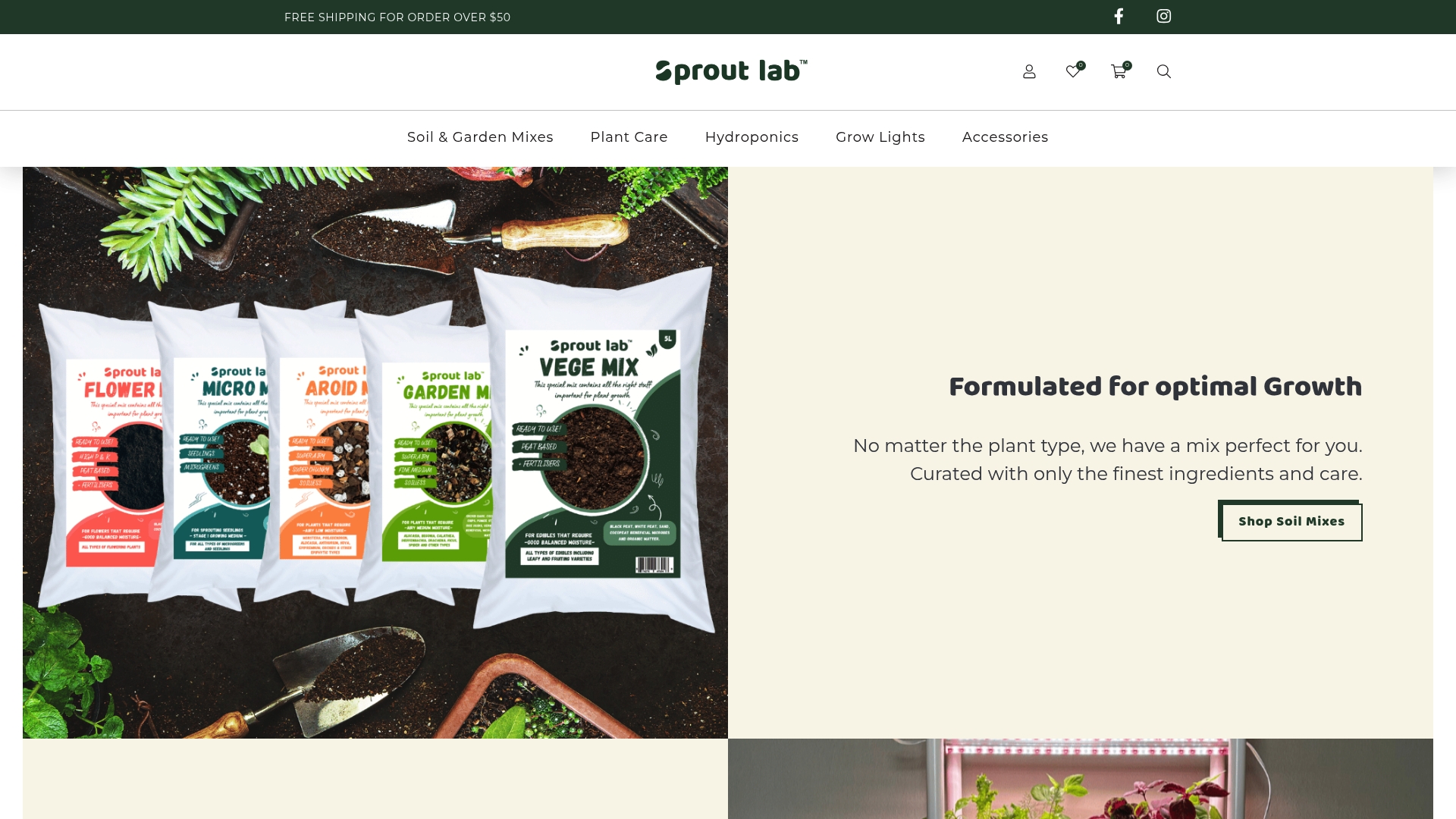
If you want to go beyond decorative plants and grow edible herbs or vegetables in your HDB flat, Sprout-lab’s hydroponic systems are built specifically for small-space urban growing. Their modular setups let you grow up to 56 plants in a compact footprint, with no soil mess and no guesswork about watering. For plants that need the right growing medium, their indoor soil mixes are formulated for tropical species in apartment conditions. Sprout-lab has a 4.9/5 rating from over 25,000 completed orders, which reflects what happens when the right products meet the right growing conditions.
ZZ plants, snake plants, and pothos are the most reliable choices for low-light HDB apartments. They are adapted to indirect and minimal light and tolerate the irregular watering that comes with busy apartment living.
Water when the top two to three centimeters of soil feel dry, which is typically every seven to fourteen days in air-conditioned rooms. Fixed schedules are unreliable because AC slows soil drying significantly.
Yes, but most herbs need more light than a typical HDB kitchen provides. Position them on a windowsill with direct or bright indirect light, or supplement with a small LED grow light for 12 to 14 hours daily to get consistent growth.
Brown leaf tips in HDB apartments are usually caused by dry air from AC vents, fluoride in tap water, or low humidity. Move the plant away from vents, use filtered water, and group plants together to raise local humidity.
Snake plants and peace lilies are among the most effective air-purifying plants for flats and both thrive in typical HDB indoor conditions. Snake plants are especially practical because they release oxygen at night and require very little maintenance.