Free shipping for order over $50

Free shipping for order over $50
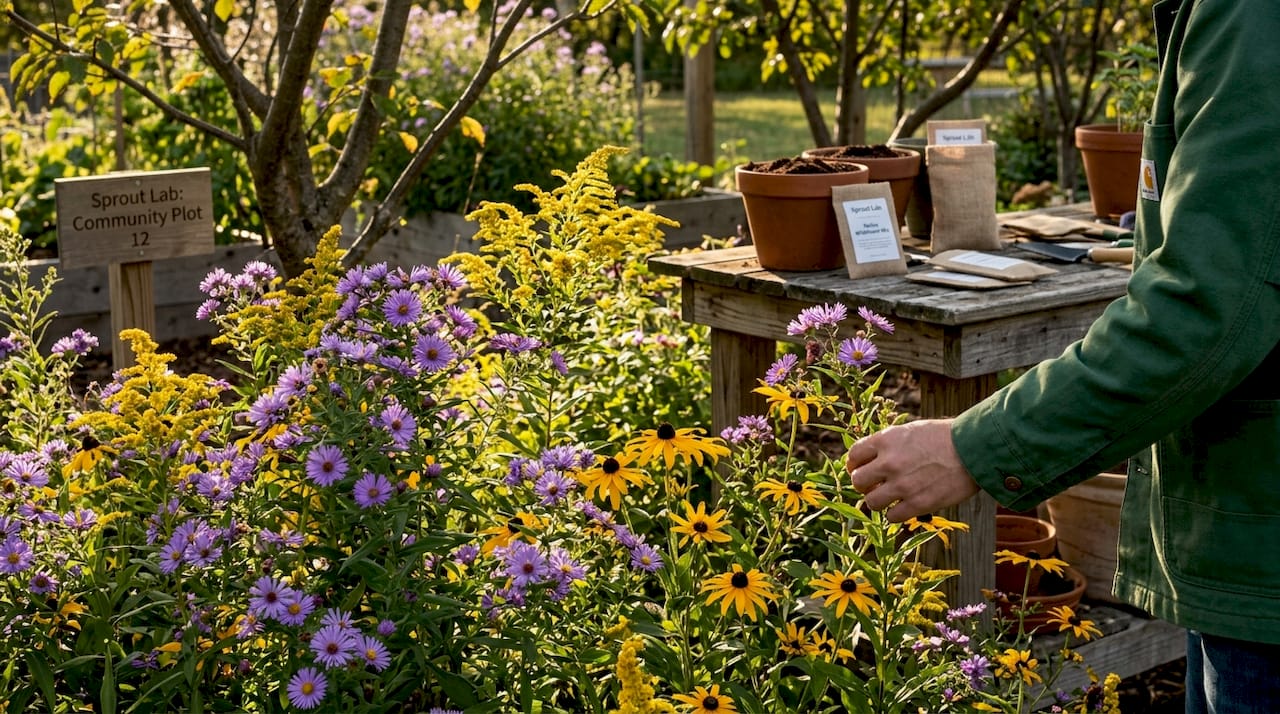
Fall wildflowers are late-season blooming native plants that deliver striking color, critical pollinator support, and ecological value precisely when most gardens go quiet. Species like New England Aster (Symphyotrichum novae-angliae) and Wreath Goldenrod (Solidago caesia) are keystone autumn bloomers, providing irreplaceable nectar for monarch butterflies mid-migration and for native bees building winter reserves. The term “wildflower” here refers specifically to plants native to North American ecosystems, not ornamental cultivars bred for showiness at the expense of wildlife value. If you want your garden to do real ecological work in September and October, these are the plants that earn their space.
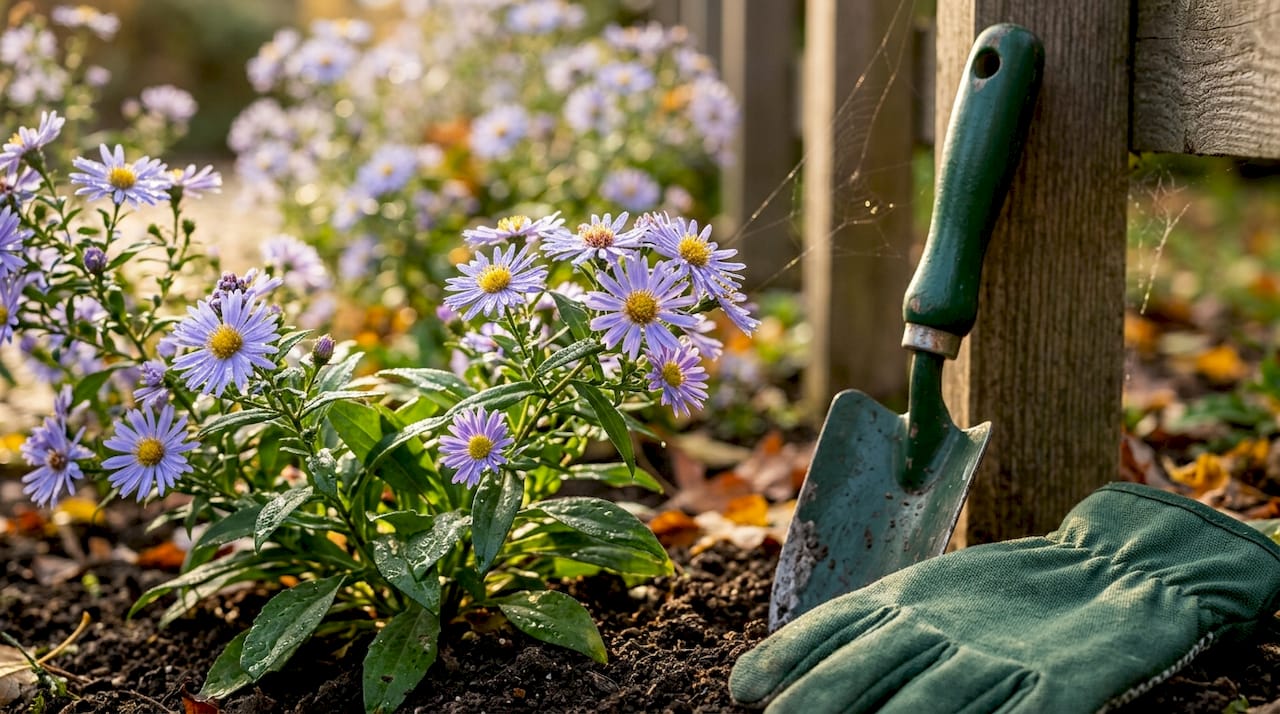
New England Aster is the single most impactful fall wildflower you can plant for pollinators. Goldenrods and asters together provide irreplaceable nectar during monarch butterfly migrations and support a diversity of pollinator species in fall. New England Aster grows 3 to 6 feet tall, producing dense clusters of violet-purple flowers with yellow centers from August through October.
One naming note worth knowing: both “Aster” and “Symphyotrichum” appear on plant tags due to a taxonomic reclassification. They refer to the same plant, so do not let the label confusion stop you from buying it.
Wreath Goldenrod is the shade gardener’s secret weapon among autumn wildflower types. Unlike most goldenrods that demand full sun, Wreath Goldenrod blooms in shaded woodlands from September through October, growing just 1 to 3 feet tall. It attracts monarch butterflies and native bees that are actively preparing for winter.
This species solves a real problem: most fall blooming plants need sun, leaving shaded corners bare and ecologically empty. Wreath Goldenrod fills that gap with both beauty and function.
Black-eyed Susan (Rudbeckia hirta) bridges summer and fall with golden-yellow daisy-like flowers that persist well into October in most zones. It tolerates poor, dry soil better than almost any other native wildflower, making it the right choice for neglected corners or slopes where soil amendment is impractical. Goldfinches actively feed on the seed heads once blooms fade.
Pro Tip: Do not deadhead Black-eyed Susan in fall. The seed heads feed goldfinches and sparrows through winter, and leaving perennial seed heads through winter adds structural garden interest that bare soil never can.
Blanket Flower (Gaillardia pulchella) produces fiery red and orange blooms that photograph exceptionally well against fall foliage backdrops, making it a favorite for fall wildflower photography. It blooms from early summer through hard frost, giving it one of the longest seasons of any native wildflower. Blanket Flower thrives in sandy, well-drained soil and handles drought without complaint.
The short stature makes it ideal for the front of a border, where taller species like Joe Pye Weed can anchor the back.
Joe Pye Weed (Eutrochium purpureum) is a towering native that commands attention in any autumn garden. It reaches 4 to 7 feet tall and produces large, dusty-pink flower clusters that attract fritillary butterflies and bumble bees in late summer through September. The architectural height makes it a natural backdrop plant for layered wildflower garden designs.
Joe Pye Weed tolerates moist soil conditions that would rot most other fall bloomers, which makes it the right call for low-lying garden areas.
Purple Coneflower (Echinacea purpurea) is one of the best-known native fall blooming plants, and for good reason. It blooms from midsummer into September, tolerates clay soil, and the spiky seed heads that follow attract American goldfinches from October onward. It performs reliably across USDA zones 3 through 9, giving it the widest geographic range of any plant on this list.
Cardinal Flower (Lobelia cardinalis) is the only native wildflower on this list that serves hummingbirds as its primary pollinator. The brilliant scarlet spikes bloom from July through September, and the tubular flower shape physically excludes most insects, creating an exclusive food source for ruby-throated hummingbirds before their southern migration. It prefers consistently moist soil near streams or pond edges.
Garden Phlox (Phlox paniculata) delivers fragrant, dense flower clusters in pink, white, and lavender from July through September. It is one of the few native fall wildflowers with genuine fragrance, which makes it valuable for sensory gardens and for attracting sphinx moths at dusk. Phlox spreads reliably by self-seeding, so one planting often becomes a colony within two seasons.
Watch for powdery mildew on Phlox in humid climates. Spacing plants 18 to 24 inches apart and watering at the base rather than overhead eliminates most fungal problems before they start.
Yarrow (Achillea millefolium) is the most drought-tolerant native wildflower on this list, surviving in conditions that would kill most ornamentals. It blooms from June through September in flat-topped clusters of white, yellow, or pink, and the ferny foliage stays attractive even when not in flower. Zones 3 through 5 favor yarrow alongside hardy asters as the backbone of a cold-climate autumn garden.
Pro Tip: Yarrow makes an excellent companion for native grasses like Little Bluestem. The combination creates the layered bloom-time structure that successful fall gardens rely on to maintain color and wildlife habitat from August through November.
Tickseed Sunflower (Bidens aristosa) is the most underused native wildflower for autumn color. It produces masses of bright yellow, daisy-like flowers from August through October and self-seeds prolifically, meaning one packet of wildflower seeds for autumn can naturalize an entire meadow area within two years. It tolerates wet soil and blooms heavily even in part shade, filling niches that Black-eyed Susan cannot.
Matching fall wildflowers to your USDA hardiness zone is the single most reliable way to avoid planting failures. Zone-based planting recommendations differ significantly by region, and choosing the wrong species for your climate means spending money on plants that bloom poorly or die before establishing.
Timing matters as much as species selection. Planting perennial seeds in late fall with proper soil preparation leads to better establishment the following year. For native seed sowing, cold stratification is necessary for most wildflower seeds to break dormancy correctly. Sow seeds when soil temperatures drop below 50°F to mimic natural cycles and prevent premature germination that winter cold would then kill.
Pro Tip: Microclimates matter more than zone maps suggest. A south-facing wall in zone 5 can behave like zone 6, letting you push the boundaries of what you grow. Observe where snow melts first in your yard. That spot is your warmest microclimate and your best location for marginally hardy species.
Choosing between annual and perennial fall wildflowers shapes both your maintenance workload and your garden’s long-term ecological value.
| Trait | Annual fall wildflowers | Perennial fall wildflowers |
|---|---|---|
| Examples | Tickseed Sunflower, Blanket Flower (some) | New England Aster, Yarrow, Purple Coneflower |
| Bloom duration | Often longer, through frost | Defined seasonal window |
| Planting timing | Spring or direct sow in fall | Fall or early spring |
| Overwintering | Self-seeds or replant annually | Returns from roots each year |
| Ecological value | High in bloom season | High year-round via roots and structure |
Annuals give you flexibility and often more continuous color, but perennials build the deep root systems that support soil health and provide overwintering habitat for native ground-nesting bees. The most effective approach combines both: use perennials as the structural backbone and fill gaps with annuals for color continuity. A garden anchored by New England Aster and Yarrow, filled in with Tickseed Sunflower, delivers color from June through hard frost with minimal replanting.
Healthy fall wildflowers need less intervention than most gardeners assume, but a few specific practices make a measurable difference.
Pro Tip: Wind damage is the most underestimated threat to tall fall wildflowers like Joe Pye Weed and New England Aster. Stake plants over 4 feet tall in late July, before the weight of flower clusters makes them top-heavy. A single bamboo stake and soft garden tie per plant takes two minutes and prevents months of leaning.
Native fall wildflowers deliver the most ecological and aesthetic value when you match species to your USDA zone, combine annuals with perennials for continuous color, and resist the urge to over-manage seed heads and pruning in autumn.
| Point | Details |
|---|---|
| Match species to your zone | Zones 3 to 5 favor asters and yarrow; zones 8 to 11 can use lantana and verbena alongside natives. |
| Prioritize keystone species | New England Aster and goldenrods support monarchs and 100+ native bee species during fall migration. |
| Combine annuals and perennials | Perennials build ecological structure; annuals fill color gaps from June through frost. |
| Leave seed heads standing | Seed heads of coneflowers and asters feed birds through winter and add structural garden interest. |
| Use cold stratification for seeds | Sow native seeds below 50°F to mimic natural dormancy cycles and prevent failed germination. |
Most gardeners treat fall as a season to wind down rather than a season to design for. That is a missed opportunity on two fronts: aesthetic and ecological. The native wildflowers that bloom in September and October are not afterthoughts. They are the plants that determine whether your garden supports wildlife through the hardest part of the year.
What I have found after years of working with native plantings is that the layered approach changes everything. When you combine the height of Joe Pye Weed with the mid-level spread of New England Aster and the low groundcover of Yarrow, you create a garden that looks intentional and functions as genuine habitat. Layering bloom times and plant structures like grasses alongside wildflowers maintains vibrancy and wildlife habitat throughout autumn in a way that single-species plantings never can.
The other thing I would push back on is the instinct to tidy up in October. Every time you cut back a coneflower or rake out an aster, you are removing food and shelter that native insects and birds depend on. Patience with the dormant season is not laziness. It is good ecological practice, and it makes spring feel like a genuine reward when those same plants push back through the soil.
— Luna
Starting fall wildflowers from seed indoors gives you a significant head start, especially for species that need weeks of root development before transplanting. Sprout-lab’s hydroponic system setup lets you germinate and grow seedlings in a controlled environment, removing the guesswork of outdoor soil conditions entirely.
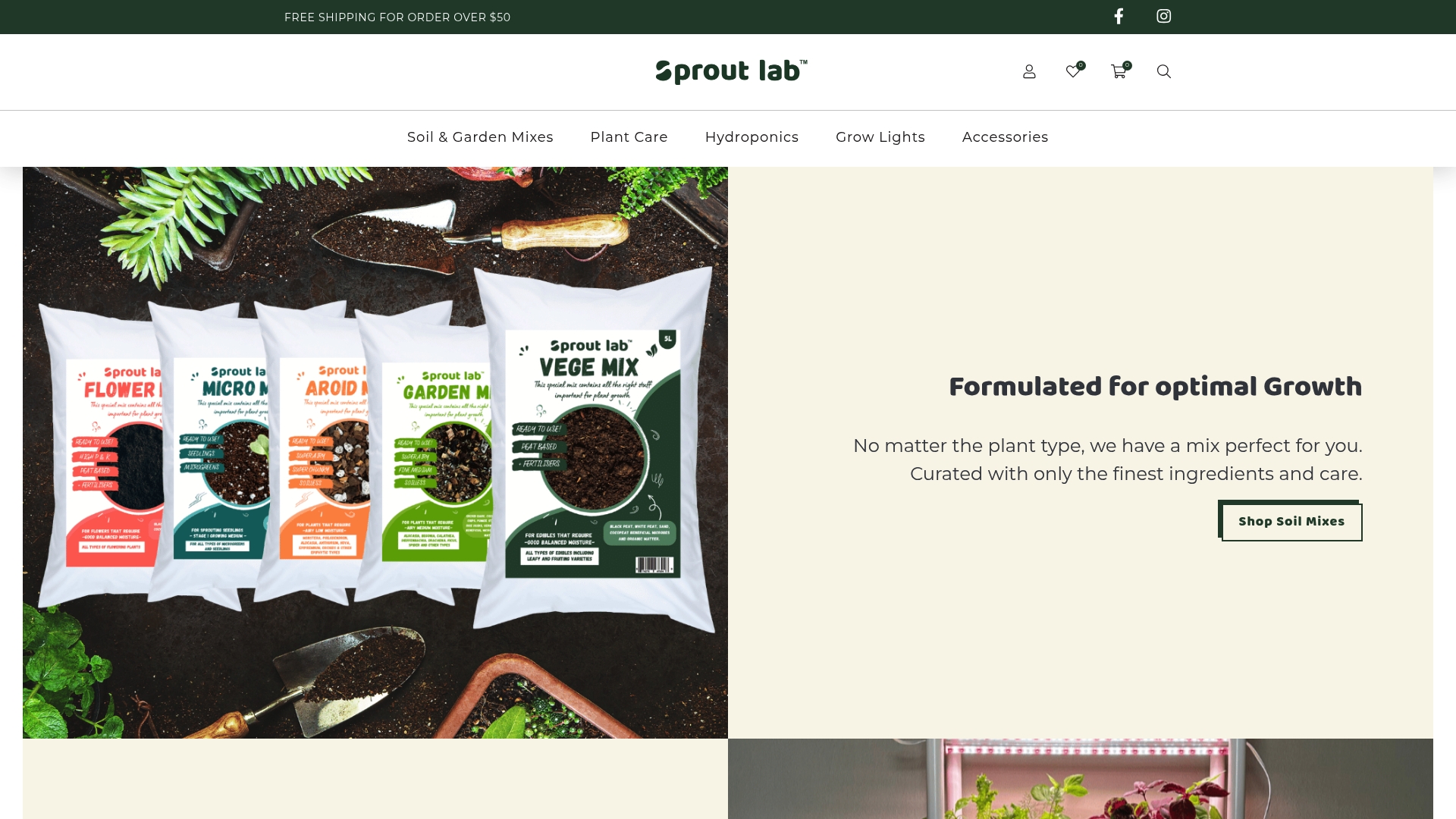
For container plantings and in-ground beds, the right growing medium makes a measurable difference in root health and bloom quality. Sprout-lab’s premium soil mixes are formulated to support strong root development and consistent moisture retention, which is exactly what container-grown asters and coneflowers need to perform through October. With a 4.9/5 star rating across more than 25,000 orders, Sprout-lab products are trusted by gardeners who want results, not guesswork.
New England Aster and goldenrods are the most ecologically valuable fall wildflowers for pollinators, supporting monarch butterfly migration and over 100 native bee species. Cardinal Flower is the top choice specifically for hummingbirds.
Sow native wildflower seeds in late fall when soil temperatures drop below 50°F. This cold stratification mimics natural dormancy cycles and produces stronger germination the following spring.
Perennial fall wildflowers like New England Aster, Yarrow, and Purple Coneflower return from their root systems each year. Annual species like Tickseed Sunflower self-seed prolifically and naturalize over time without replanting.
Look for daisy-like flowers with yellow centers (asters, Black-eyed Susan), flat-topped clusters (Yarrow, Joe Pye Weed), or tubular spikes (Cardinal Flower, Phlox). Bloom time, leaf shape, and height together narrow identification quickly.
Yes. Species like October Skies Aster and Blanket Flower perform well in containers. Allow the top two inches of soil to dry between waterings to prevent fungal issues and extend the bloom period through fall.