Free shipping for order over $50

Free shipping for order over $50
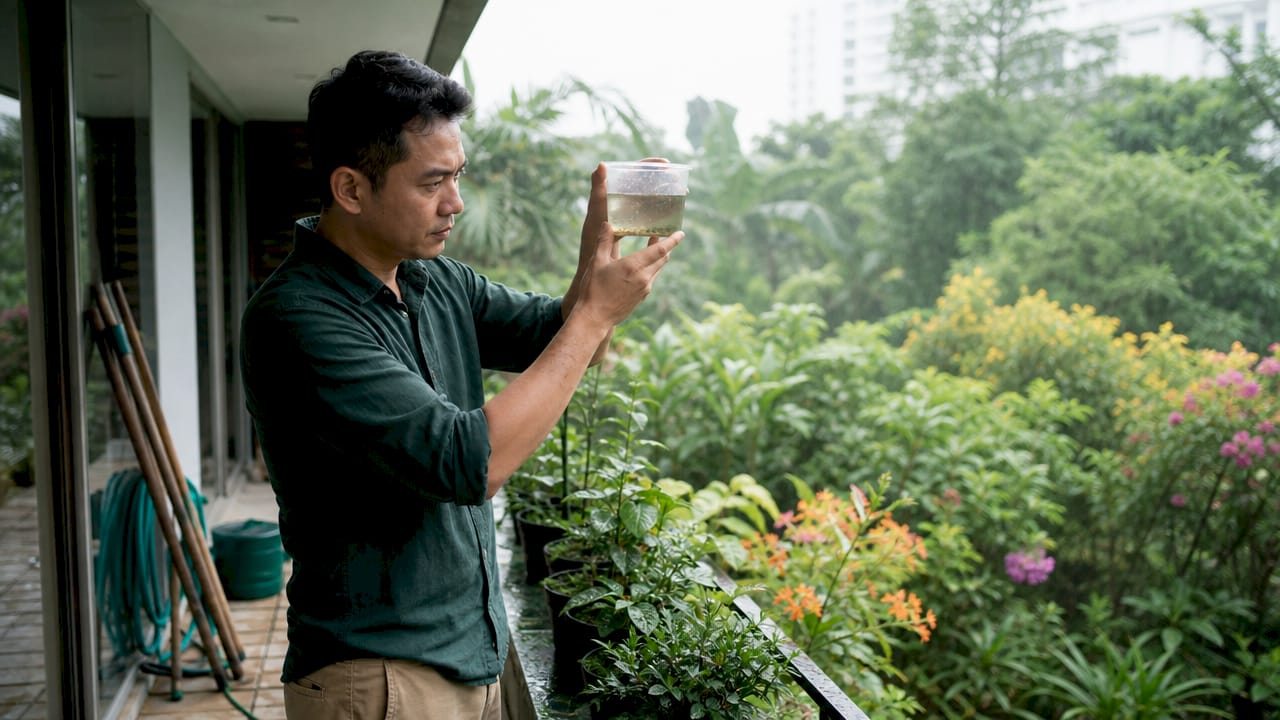
Singapore’s tropical climate is the single biggest reason pests breed without pause all year long. Warm temperatures and humidity above 80% create conditions that eliminate the natural population checks found in temperate countries. Mosquitoes, cockroaches, termites, and fungus gnats all exploit this environment with no cold season to slow them down. For urban gardeners and homeowners, understanding why pests stay active year-round is the first step toward keeping them out of your home and garden.
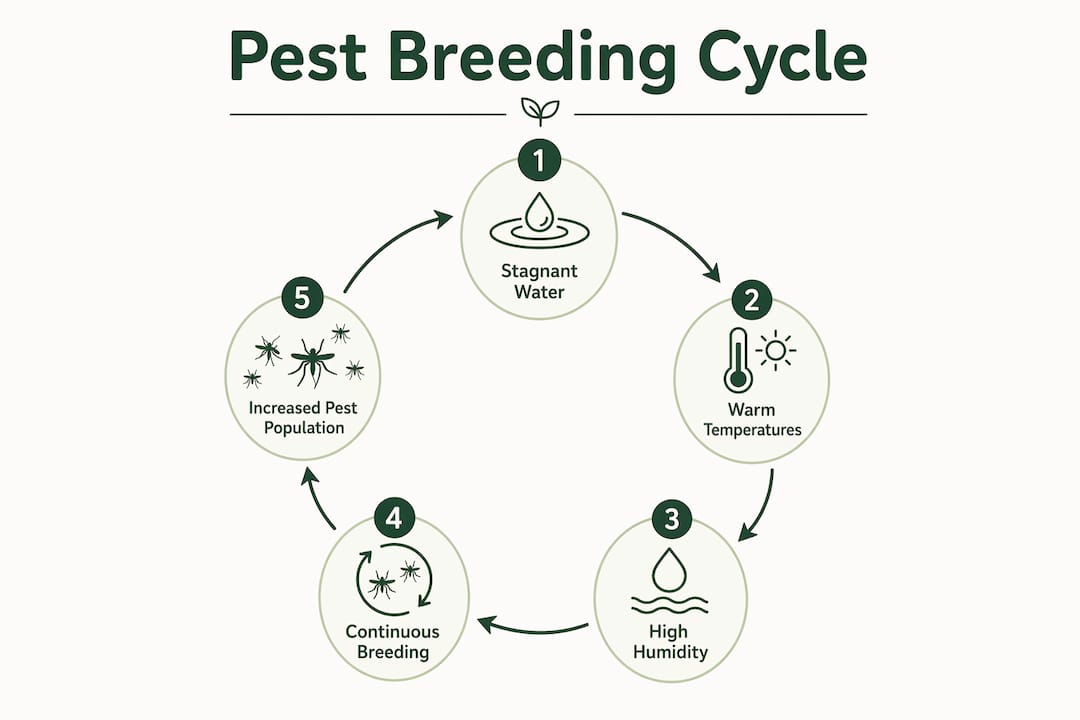
Singapore sits just one degree north of the equator. Temperatures stay between 25°C and 34°C throughout the year, and relative humidity rarely drops below 70%. That combination removes the single most powerful natural pest suppressor: winter.
In temperate climates, cold temperatures slow insect metabolism, kill larvae, and force populations into dormancy. Singapore has no such reset. Warm temperatures accelerate insect metabolism and reproduction rates directly. A mosquito that might take three weeks to complete its life cycle in a cooler climate can complete it in under two weeks in Singapore’s heat.
High humidity does more than keep pests comfortable. It maintains the moisture that larvae, eggs, and soft-bodied insects need to survive. Cockroaches desiccate and die in dry air. In Singapore, they face no such threat. Termites need moisture to digest cellulose and build their colonies. The air itself provides that moisture here.
The result is continuous breeding cycles with no natural off-season. Pest populations do not crash and rebuild seasonally. They compound. A small infestation left unaddressed in january is a large infestation by march.
Pro Tip: Check your home’s humidity levels with a basic hygrometer. Keeping indoor humidity below 65% in air-conditioned rooms actively reduces cockroach and fungus gnat survival rates.
Singapore experiences two monsoon seasons: the Northeast Monsoon from november to march and the Southwest Monsoon from june to september. Both bring heavy, sustained rainfall. That rainfall directly triggers pest population surges.
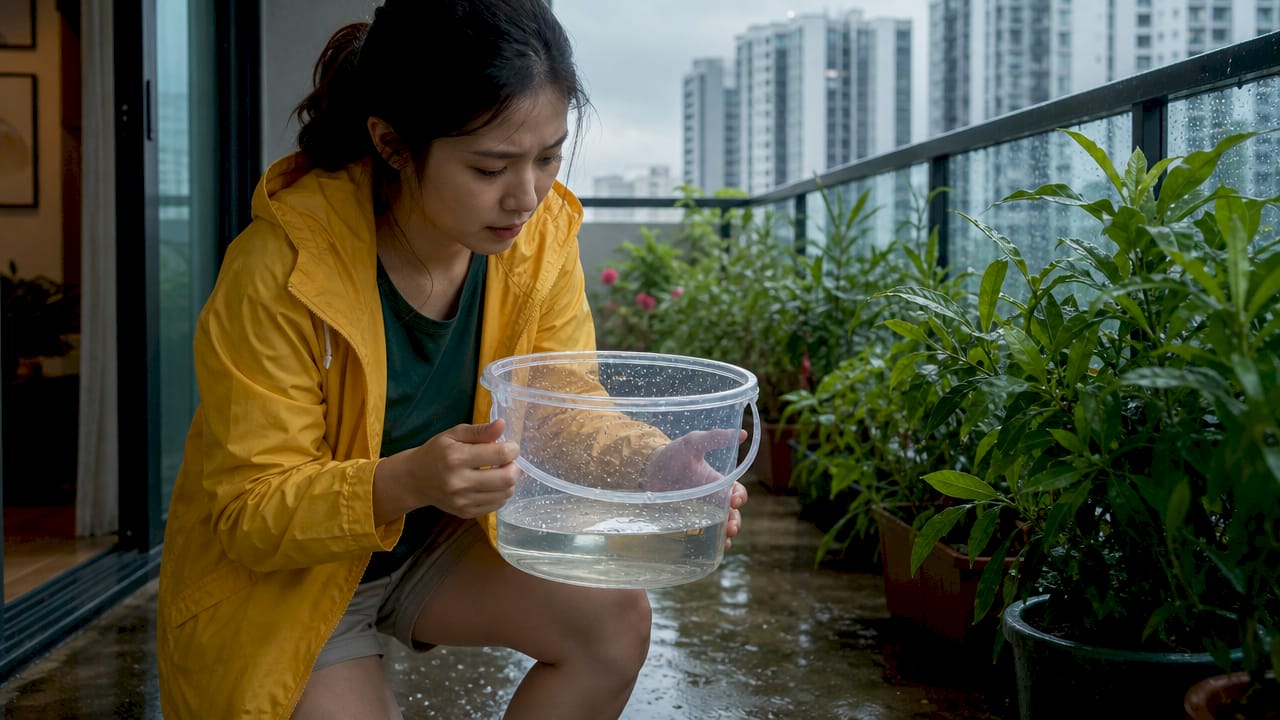
Standing water accumulates within hours of a downpour. Mosquitoes need as little as a bottle cap of stagnant water to lay eggs. Monsoon rainfall creates dozens of these sites across any property in a single storm. Flower pot plates, roof gutters, and blocked drains all fill up fast.
Flooding and soil saturation push rodents out of their underground burrows. Rats and mice move indoors seeking dry ground, food, and warmth. This is why rodent complaints spike sharply in the weeks following heavy rain events in Singapore.
Increased dampness after rain also boosts cockroach and termite activity. Cockroaches emerge from drains and wall cavities when moisture levels rise. Termites accelerate tunneling through wet timber and saturated soil. The window between a rain event and a visible infestation is short. Prompt action matters.
Singapore’s peak dengue season runs from may to october, overlapping directly with warmer months and the Southwest Monsoon. Warmer temperatures speed up both mosquito breeding and dengue virus replication inside the mosquito. That overlap is not coincidental. It is the climate driving the biology.
Different pests exploit different microhabitats. Knowing which pest favors which location helps you focus your prevention efforts where they matter most.
| Pest | Preferred habitat | Key trigger |
|---|---|---|
| Mosquitoes | Stagnant water in containers, gutters, drains | Standing water after rain or watering |
| Cockroaches | Damp kitchens, bathrooms, drains, wall cavities | Moisture and food debris |
| Termites | Moist timber, saturated soil, wall voids | Water-damaged or untreated wood |
| Fungus gnats | Moist potting media, overwatered container soil | Consistently wet growing medium |
| Rodents | Wall cavities, under floors, near food storage | Flooding, food access, entry gaps |
Mosquitoes are the most studied pest in Singapore’s urban environment. In 2025, 65% of Aedes mosquito breeding sites in dengue clusters were found inside homes. That figure surprises most homeowners who assume mosquitoes breed outdoors. The real culprits are indoor container plates, vases, and air-conditioner drip trays.
Fungus gnats deserve more attention from urban gardeners than they typically receive. Singapore’s tropical gardens support over 120 species of fungus gnats associated with moist potting media. Their larvae feed on plant roots and organic matter in soil. Overwatered containers in warm indoor conditions create a permanent breeding ground. The soil quality in your containers directly affects how attractive your garden is to these pests.
Termites are the costliest pest for homeowners. They target moisture-rich wood first. Leaking pipes, poor drainage around foundations, and untreated timber all create entry points. By the time visible damage appears, a colony has often been active for months.
Pro Tip: For indoor plants, let the top inch of potting mix dry out between waterings. This single habit disrupts the fungus gnat breeding cycle without harming most tropical plants.
Pest prevention in Singapore requires a year-round mindset, not a seasonal one. One-off pest control responses create structural weakness because pests breed continuously. A treatment applied in april is irrelevant by july without follow-up monitoring.
The National Environment Agency (NEA) consistently identifies stagnant water removal as the most direct way to prevent mosquito breeding. That advice extends beyond mosquitoes. Removing standing water also reduces the moisture that cockroaches and fungus gnats depend on.
Singapore’s urban density concentrates artificial water containers in small areas, making hidden water sources a critical prevention focus. A single neglected drain across a shared corridor can sustain a mosquito population affecting multiple households. Community-level awareness matters as much as individual action.
For urban gardeners specifically, the choice of growing system affects pest exposure significantly. Soil-based containers in warm, humid conditions are the highest-risk setup for fungus gnats and root pests. Hydroponic and modular growing systems reduce soil-borne pest risk by eliminating the moist organic medium those pests depend on. You can explore indoor pest control methods that work specifically for Singapore’s growing conditions.
Pro Tip: Inspect the underside of plant leaves weekly. Many common plant pests, including spider mites and mealybugs, establish colonies on leaf undersides before becoming visible on the plant surface.
Pests thrive in Singapore’s climate because warm temperatures and year-round humidity eliminate every natural population check that temperate climates rely on.
| Point | Details |
|---|---|
| No seasonal reset | Singapore’s climate supports continuous pest breeding with no cold season to reduce populations. |
| Monsoon seasons spike risk | Heavy rainfall creates standing water, displaces rodents, and boosts cockroach and termite activity. |
| Indoor sites are the biggest mosquito risk | In 2025, 65% of Aedes breeding sites in dengue clusters were found inside homes. |
| Soil moisture drives garden pests | Overwatered containers in tropical heat sustain fungus gnat breeding cycles indefinitely. |
| Year-round monitoring is required | A single pest treatment is insufficient. Cycle-based prevention and repeated monitoring are necessary. |
Most homeowners treat pest control like a smoke alarm. They ignore it until something triggers it, then react fast, then forget about it again. That approach fails completely in Singapore’s climate.
The biggest misconception I encounter is the idea that pests are a seasonal problem. Homeowners in temperate countries can get away with a spring treatment and a fall treatment. Singapore homeowners cannot. The biology does not allow it. Pests here breed in january the same way they breed in july. The only variable is rainfall intensity, not temperature.
The second misconception is that outdoor pests stay outdoors. The NEA’s finding that 65% of mosquito breeding sites in dengue clusters are inside homes should permanently change how homeowners think about their living spaces. Your kitchen, your bathroom, your balcony plant collection. These are pest habitats if you let moisture accumulate.
What actually works is integrating prevention into existing routines. Empty plant plates when you water your plants. Check gutters when you clean your windows. Inspect timber when you do your monthly cleaning. None of these tasks require extra time. They require a shift in awareness. The homeowners and gardeners who manage pests well in Singapore are not doing more work. They are doing the same work with pest awareness built in.
— Luna
Singapore’s climate rewards gardeners who control their growing environment rather than fight it. Soil-based containers in humid conditions invite fungus gnats, root pests, and moisture problems. Switching to a system that manages moisture by design changes the equation entirely.
Sprout-lab’s modular hydroponic systems let you grow up to 56 plants in a compact space without the moist soil that tropical pests depend on. Their garden systems for busy growers are built for urban apartments and HDB homes where space and pest management both matter. For gardeners who prefer soil, Sprout-lab’s premium soil mixes are formulated for drainage and aeration, reducing the excess moisture that attracts pests. With a 4.9/5 rating across over 25,000 orders, their products are trusted by Singapore’s urban growing community.
Singapore’s year-round warmth and humidity eliminate the cold season that suppresses pest populations in temperate climates. Without a dormant period, pests breed continuously and populations compound rather than reset.
Singapore’s peak dengue season runs from may to october, when warmer temperatures accelerate both mosquito breeding cycles and dengue virus replication inside the mosquito.
In 2025, 65% of Aedes mosquito breeding sites in dengue clusters were found indoors. Common sites include container plant plates, vases, air-conditioner drip trays, and roof gutters.
Allow the top inch of potting mix to dry out between waterings and choose well-draining soil mixes. Tropical heat sustains fungus gnat breeding cycles indefinitely in consistently moist potting media, so moisture control is the primary defense.
Yes. Monsoon rainfall creates standing water for mosquitoes, displaces rodents indoors through flooding, and increases the dampness that cockroaches and termites need to thrive. Inspecting and clearing water-holding sites within 24 hours of heavy rain is the most effective immediate response.