Free shipping for order over $50

Free shipping for order over $50
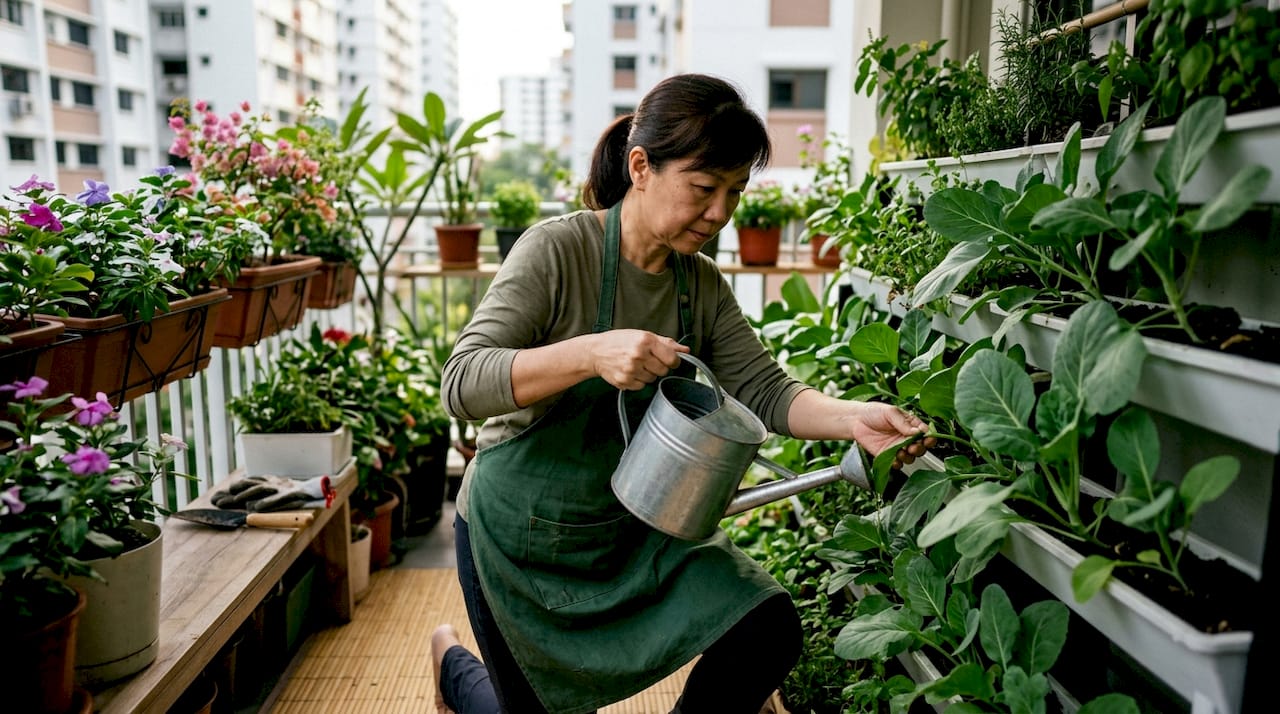
Kai lan, the leafy green also known as Chinese broccoli or Brassica oleracea var. alboglabra, is one of the most rewarding vegetables you can grow at home in Singapore. It thrives in well-drained, nutrient-rich soil with consistent watering and at least four hours of filtered sunlight daily, making it well suited to balconies and indoor setups. You can grow kai lan home in Singapore year-round thanks to the tropical climate, and sequential small-batch sowing means you never face a glut or a gap in your harvest. This guide covers soil, light, spacing, space-saving layouts, and common problems so you can start picking within three weeks.
The best soil for kai lan is rich, moisture-retentive, and well-drained. A peat-free multi-purpose compost blended with perlite hits that balance well. In Singapore’s humid climate, compacted or waterlogged soil is the fastest way to kill a container plant, so drainage is not optional.
Container size matters more than most beginners expect. Use pots at least 30 cm wide and 30 cm deep. Smaller containers dry out too fast and restrict root development, which stunts the plant before it reaches harvestable size. Fabric grow bags are a practical choice for balconies because they are lightweight, promote air pruning of roots, and fold flat when not in use.
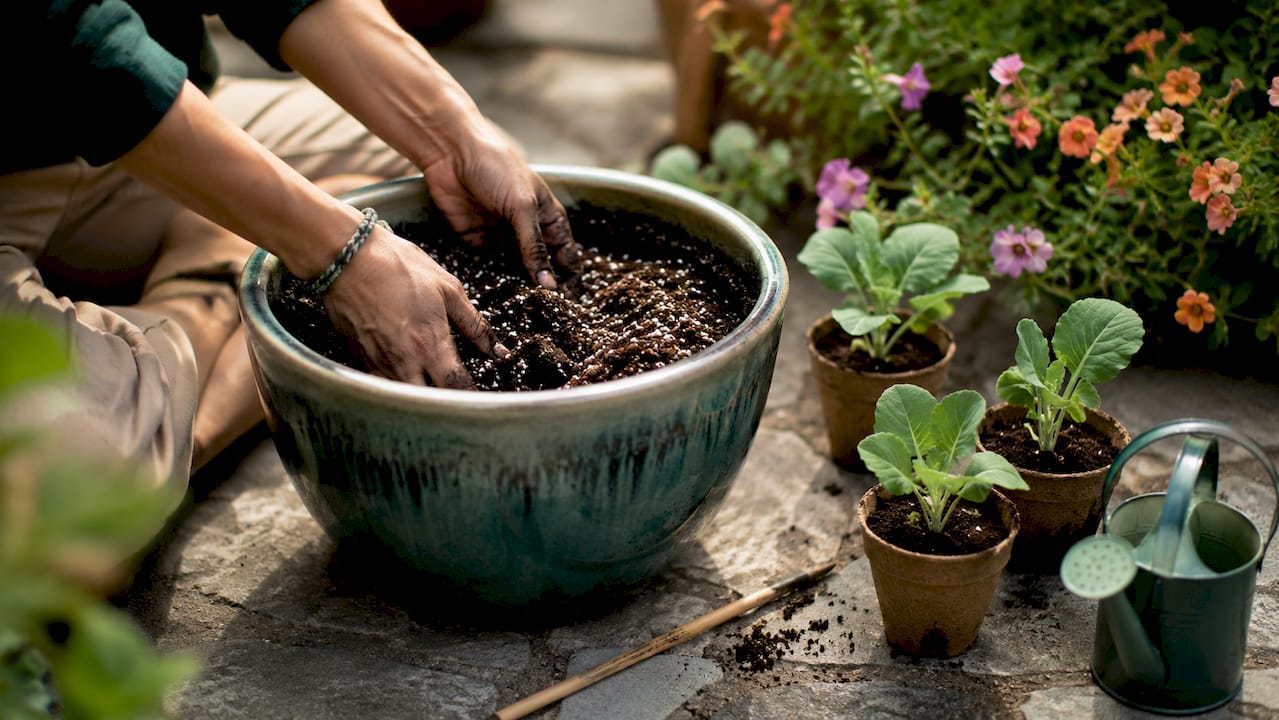
Nutrient-rich soil with regular organic compost or fertilizer application is critical for container-grown kai lan, since pots have a finite nutrient supply. Apply a balanced organic fertilizer or liquid compost every one to two weeks once plants are established. Brands like Tui Organic Seaweed Plant Tonic or a simple diluted fish emulsion both work well for leafy greens.
Good drainage also means choosing the right base layer. Place a thin layer of coarse gravel or broken terracotta at the bottom of each pot before adding soil. Check that drainage holes are never blocked by saucers left full of standing water, which is a common mistake in Singapore apartments where residents try to protect floors.
Pro Tip: Mix one part perlite into every three parts of compost before filling your containers. This single adjustment prevents the waterlogging that kills more Singapore balcony plants than any pest.
Kai lan prefers four to six hours of indirect or filtered sunlight daily. Direct afternoon sun in Singapore, which regularly exceeds 32°C, causes leaves to wilt, turn bitter, and bolt prematurely. A north or east-facing balcony that catches morning light is close to ideal. South-facing balconies work if you add a 30% shade cloth during the hottest part of the day.
Watering frequency in Singapore’s tropical climate should be once or twice daily during dry spells and reduced during the monsoon months of November through January. The goal is consistently moist soil, not saturated soil. Stick your finger two centimeters into the soil. If it feels dry at that depth, water immediately.
Early morning watering is the correct practice for two reasons. First, plants absorb water most efficiently before the heat of the day. Second, foliage dries quickly in morning sun, which reduces the risk of fungal diseases like downy mildew. Watering in the evening leaves foliage wet overnight, which is a direct invitation to fungal problems in Singapore’s humidity.
Pro Tip: A basic drip irrigation timer from any hardware store costs under SGD 30 and removes the single biggest cause of plant death for busy urban gardeners: forgetting to water during a dry week.
Sequential sowing in small batches every three to four weeks is the most effective strategy for a continuous kai lan supply at home. Sowing everything at once produces a single large harvest followed by nothing. Staggered sowing means you are always picking something.
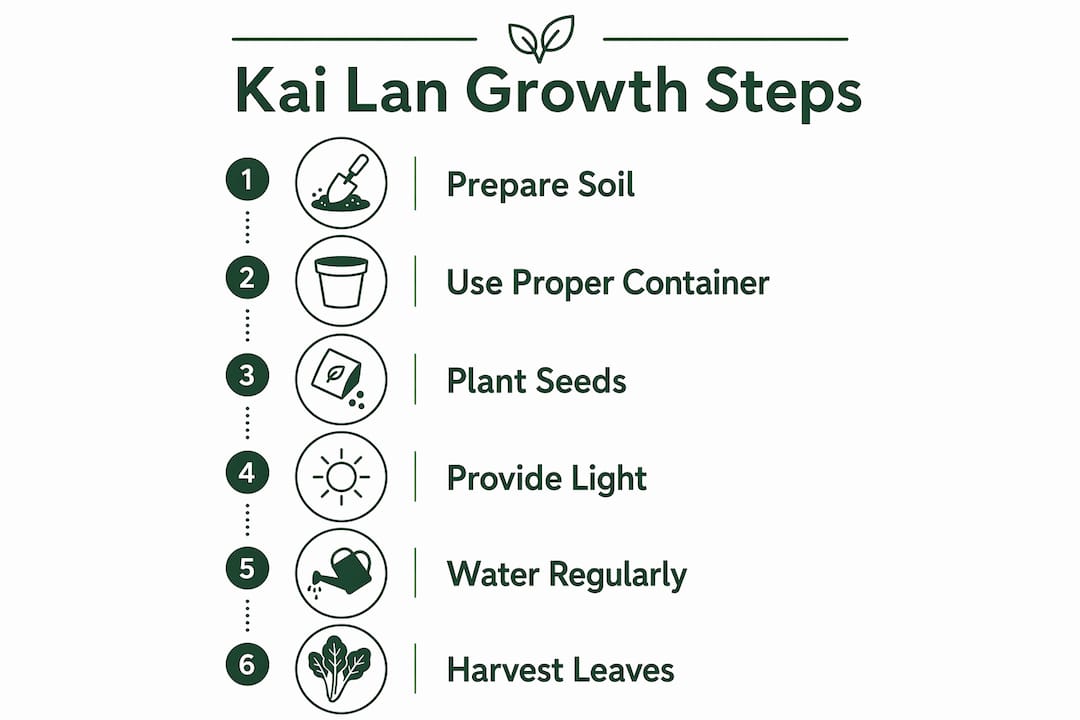
Follow these steps for each sowing batch:
Here is a quick reference for harvest timing:
| Growth stage | Time from sowing | What to harvest |
|---|---|---|
| Baby leaves | 3 weeks | Outer leaves only, leaving the growing tip |
| Young plant | 5 to 6 weeks | Thinnings from overcrowded pots |
| Florets (full maturity) | 10 weeks (~60 to 70 days) | Central flower bud with 10 cm of stem |
| Side shoots | After first cut | Lateral shoots that regrow after the main harvest |
Spacing rows 30 cm apart, as the RHS recommends, gives each plant enough airflow and root space to reach full size. Harvesting the center bud first triggers side shoot production, which extends the productive life of each plant by several weeks. This is the detail most first-time growers miss.
Singapore balconies typically measure between 3 and 8 square meters, and HDB regulations prohibit heavy structures or items that protrude beyond the railing line. That constraint actually pushes you toward smarter, more productive layouts. You can find practical guidance on small-space edible gardens that work within these limits.
Vertical space is your biggest untapped resource. A tiered plant shelf with three levels can hold nine to twelve pots in the same floor footprint as three pots placed flat. Wall-mounted pocket planters made from fabric or recycled plastic are lightweight and HDB-compliant when fixed to interior balcony walls rather than external railings.
Flooring protection matters in Singapore condos and HDB flats. Place a waterproof mat or rubber tray liner under your growing area to catch soil and water runoff. This protects the balcony surface and prevents complaints from downstairs neighbors, which is a real concern in high-density housing.
Pro Tip: Railing planters that hang on the inside face of the railing, rather than the outside, keep you compliant with HDB rules while still using otherwise dead space. Confirm the combined weight of wet soil and pots against your balcony’s load rating before filling them.
Bolting is the most common frustration for Singapore home gardeners. Kai lan bolts faster in hotter climates, sending up a flower stalk and turning bitter before you get a full harvest. Delay bolting by positioning plants away from direct afternoon sun and harvesting outer leaves progressively rather than waiting for full maturity.
Pests in Singapore’s urban gardens are manageable with organic methods. Aphids cluster on new growth and can be dislodged with a firm spray of water. Spider mites appear in hot, dry conditions and respond well to neem oil spray applied every five to seven days. Slugs and snails are most active at night and in wet weather. Sowing indoors and transplanting established seedlings, rather than direct sowing outdoors, gives young plants a head start before slugs can find them.
Waterlogged soil causes root rot in containers faster than in ground beds, especially during Singapore’s monsoon months. Check drainage holes monthly and clear any blockages. If a plant looks wilted despite wet soil, root rot is the likely cause. Remove it from the pot, trim any black or mushy roots, and repot in fresh, well-draining compost.
Nutrient deficiencies are easy to miss until they become severe. Pale or yellowing leaves on kai lan almost always signal nitrogen depletion in the container. A fortnightly liquid feed prevents this entirely and costs less than replacing a failing plant.
Pro Tip: Grow one pot of kai lan as a dedicated “pest monitor.” Place it slightly apart from your main setup. Pests will hit it first, giving you early warning before an infestation spreads to your full crop.
Growing kai lan at home in Singapore succeeds when you combine well-drained nutrient-rich soil, filtered morning light, sequential sowing every three to four weeks, and a space layout that works within HDB or condo regulations.
| Point | Details |
|---|---|
| Best soil setup | Use peat-free compost blended with perlite in pots at least 30 cm wide and deep. |
| Sowing for continuous harvest | Sow small batches every three to four weeks to pick baby leaves in three weeks and florets in ten. |
| Light and watering | Provide four to six hours of filtered morning light and water daily at the base, never over foliage. |
| Space-saving layout | Use tiered shelving and interior wall planters to multiply growing capacity within HDB-compliant limits. |
| Pest and bolt prevention | Shade from afternoon sun, harvest progressively, and apply neem oil at the first sign of aphids or mites. |
I spent two seasons trying to grow kai lan the way most guides describe it, in a single large sowing, watered on a fixed schedule, placed in full sun. The results were bitter, bolted plants that I harvested once and then pulled out. The shift that changed everything was switching to staggered sowing. I now start a new tray every three weeks, and I have been picking continuously for over a year without a single gap.
The other insight that most articles skip is how much Singapore’s afternoon heat punishes kai lan. Moving my pots to a spot that gets shade after 1 PM extended each plant’s productive life by nearly three weeks. That is not a minor adjustment. It is the difference between a plant that bolts in six weeks and one that keeps producing side shoots for ten.
For busy urban gardeners, the low-touch indoor growing systems that automate watering are genuinely worth the investment. I resisted timers for a long time because they felt like overkill for a balcony. After losing an entire batch during a work trip, I changed my mind fast.
Kai lan is also more forgiving than its reputation suggests. If you get the soil drainage right and protect young seedlings from slugs, the plant does most of the work. Experiment with one pot before scaling up. You will learn more from one real growing cycle than from reading ten guides, including this one.
— Luna
If you want to skip the trial and error on soil and setup, Sprout-lab makes it straightforward. Their premium soil mixes are formulated specifically for container-grown leafy greens in Singapore’s climate, with the drainage and nutrient balance kai lan needs from day one. For gardeners with limited floor space, their passive hydroponic system lets you grow up to 56 plants in a compact footprint without daily soil management. Sprout-lab holds a 4.9/5 rating across more than 25,000 completed orders, which reflects what consistent results look like in practice.
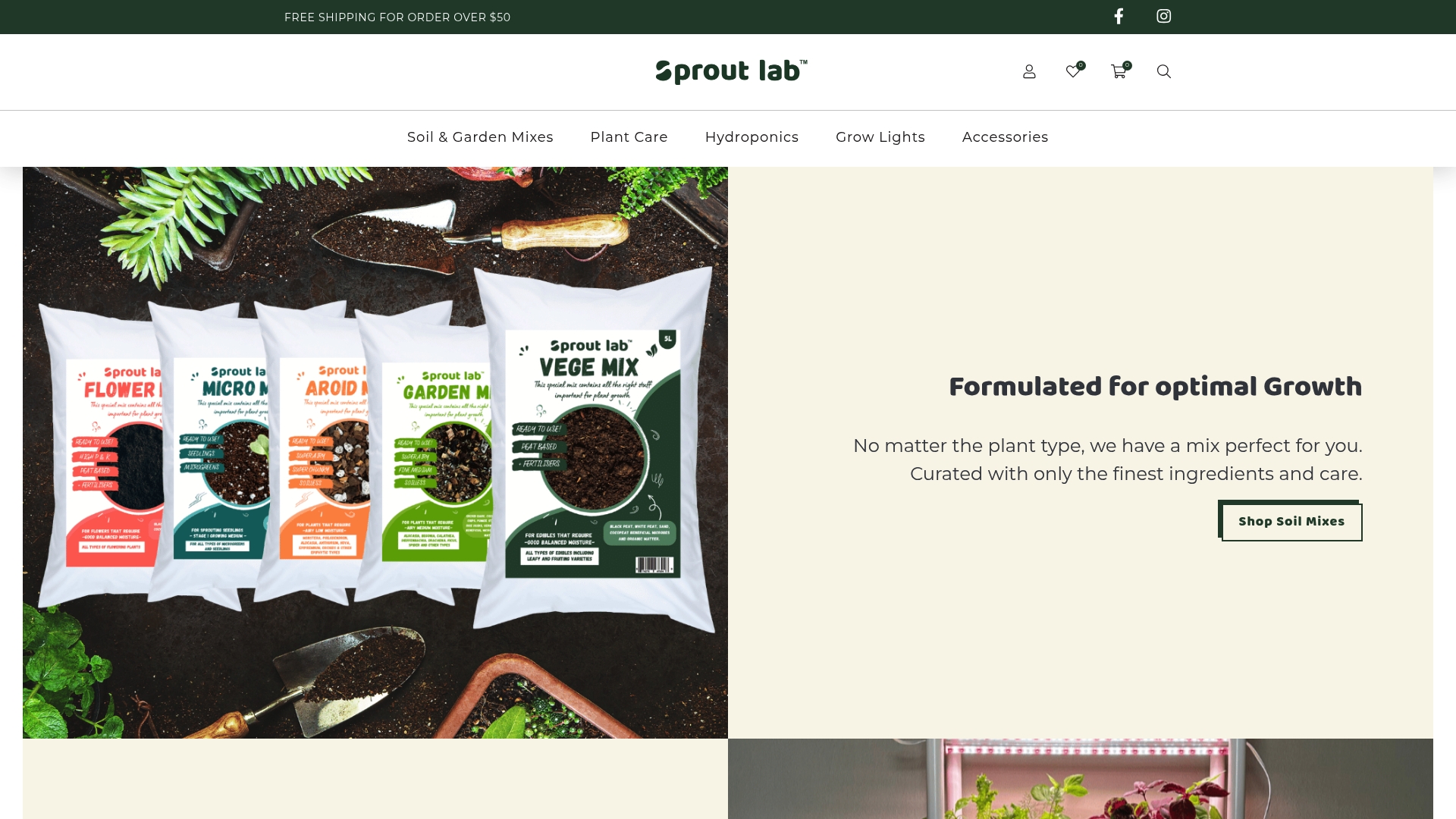
Whether you are starting your first pot of kai lan or scaling up a balcony setup, Sprout-lab’s products remove the guesswork and get you to harvest faster.
Baby leaves are ready in three weeks from sowing, while full florets take around 10 weeks or 60 to 70 days. Harvesting the central bud first encourages side shoots that extend production for several more weeks.
Use pots at least 30 cm wide and 30 cm deep to give roots enough room and retain adequate moisture. Smaller containers dry out too quickly in Singapore’s heat and restrict plant development.
Yes. Kai lan grows well indoors near a bright window that receives four to six hours of filtered light. A fast-growing greens setup with a grow light extends your options if natural light is limited.
Bolting accelerates in hot climates when plants are exposed to direct afternoon sun or heat stress. Move pots to a shadier spot after midday and harvest outer leaves regularly to delay the plant’s shift to flowering.
Apply a balanced organic fertilizer or liquid compost every one to two weeks once plants are established. Container soil depletes nutrients faster than ground beds, so regular feeding is the most direct way to maintain healthy, productive plants.