Free shipping for order over $50

Free shipping for order over $50
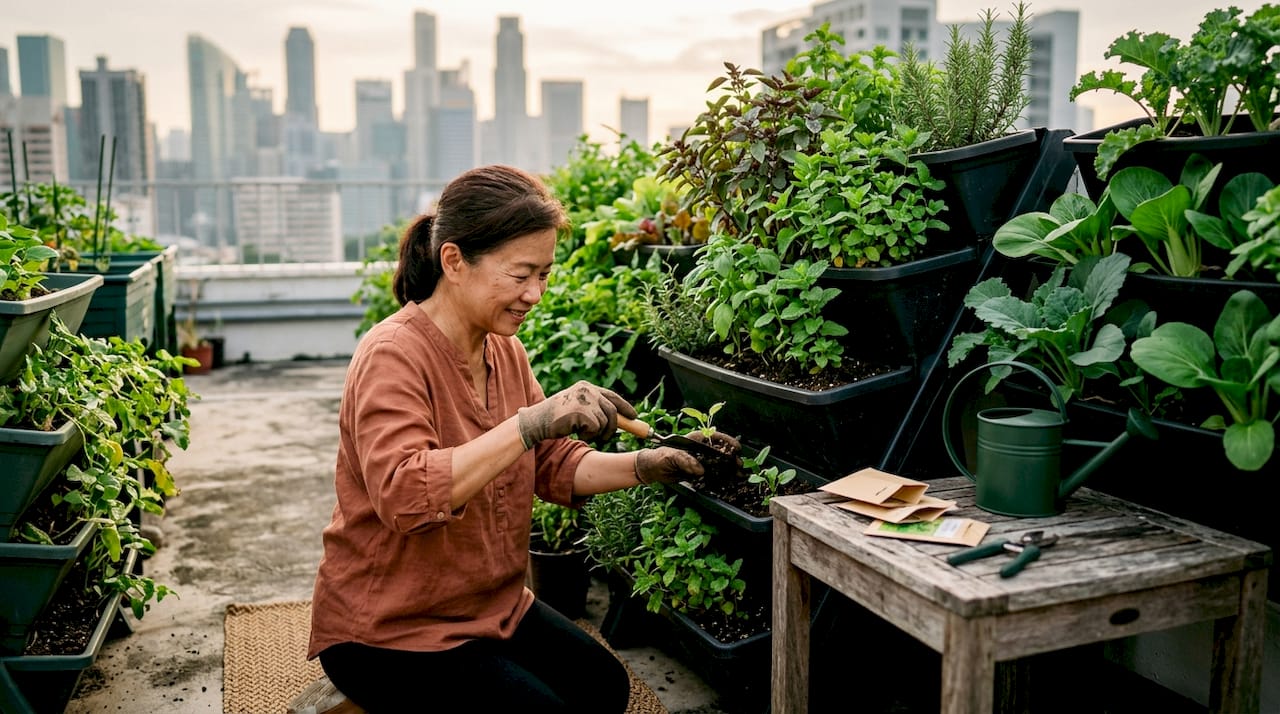
The Agri-Food and Veterinary Authority (AVA) of Singapore was the statutory board responsible for food safety and agricultural regulation until it was disbanded on April 1, 2019. If you’ve searched “what is AVA food growing Singapore,” you’re likely trying to understand how Singapore’s food growing policies work today and how they affect your ability to grow food at home. AVA’s functions transferred to the Singapore Food Agency (SFA), which now leads the country’s urban farming push. Understanding that transition is the fastest way to make sense of Singapore’s current food growing landscape and the real opportunities it opens up for beginners.
The Singapore Food Agency replaced AVA in 2019, consolidating food safety oversight and local farming support under one body. That consolidation matters because it gave Singapore a single agency focused on both food security and sustainable agriculture, rather than splitting those responsibilities across departments.
SFA’s most talked-about policy is the “30 by 30” goal, which originally aimed for 30% local food production by 2030. That target has since been updated. Singapore now targets 20% local production of fibre foods, including leafy vegetables, fruits, mushrooms, and beansprouts, by 2035, alongside a 30% protein production goal. These revised targets reflect the practical realities of farming in a land-scarce city-state.
SFA’s support for urban farming goes beyond commercial farms. The agency actively encourages micro-gardens, community plots, and modular setups in residential and workplace settings. Key policy moves include:
These policies create a real opening for urban residents. You don’t need a commercial license to grow food at home, and government momentum is clearly behind the idea of more Singaporeans producing their own food.
Urban farming in Singapore is growing fast. Micro-garden and edible wall installations grew 30% over the previous year, driven by demand from schools, offices, and HDB residents. That growth signals a shift from farming as a niche hobby to a mainstream activity for city dwellers.
The crops driving this trend are practical and well-suited to Singapore’s tropical climate. Leafy greens like kangkong, bayam, and xiao bai cai thrive in heat and humidity. Herbs such as Thai basil, pandan, and laksa leaf grow quickly in containers with minimal care. These are not exotic choices. They are everyday ingredients that reduce grocery bills while giving beginners quick wins.
Four trends are reshaping how beginners approach urban food growing:
Pro Tip: Start with a single edible wall panel or a three-pot herb cluster before committing to a full modular setup. Confidence comes from small, visible harvests, not from buying the most complete system on day one.
Successful urban gardeners start by assessing available light and microclimates before buying a single pot. Understanding microclimates in your home, specifically how many hours of direct versus indirect sunlight your balcony or corridor receives, matters more than the sophistication of your planting system. A north-facing corridor with two hours of indirect light needs completely different plants than a south-facing balcony with six hours of direct sun.
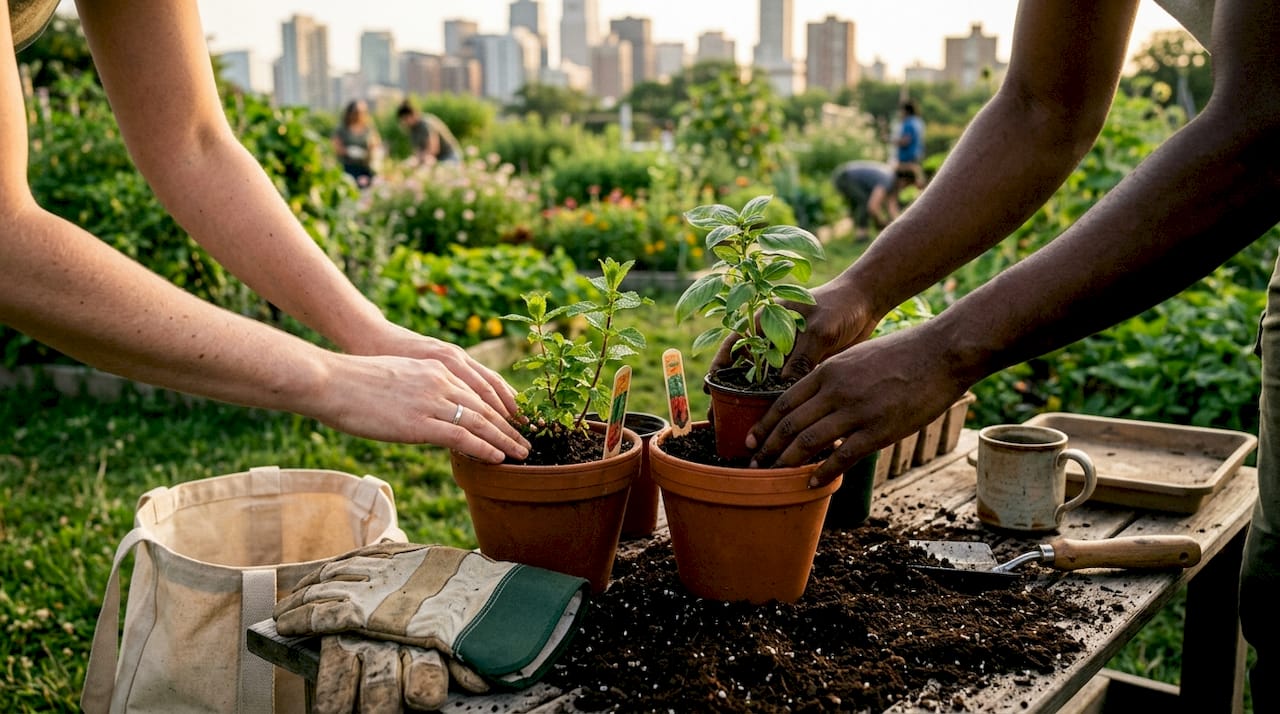
Urban farmer Joy Chee points out that the main barrier to home food growing is the belief that farming requires professional expertise. It does not. Beginners succeed fastest by choosing heat-tolerant tropical plants rather than temperate vegetables like lettuce or spinach, which struggle in Singapore’s year-round heat.
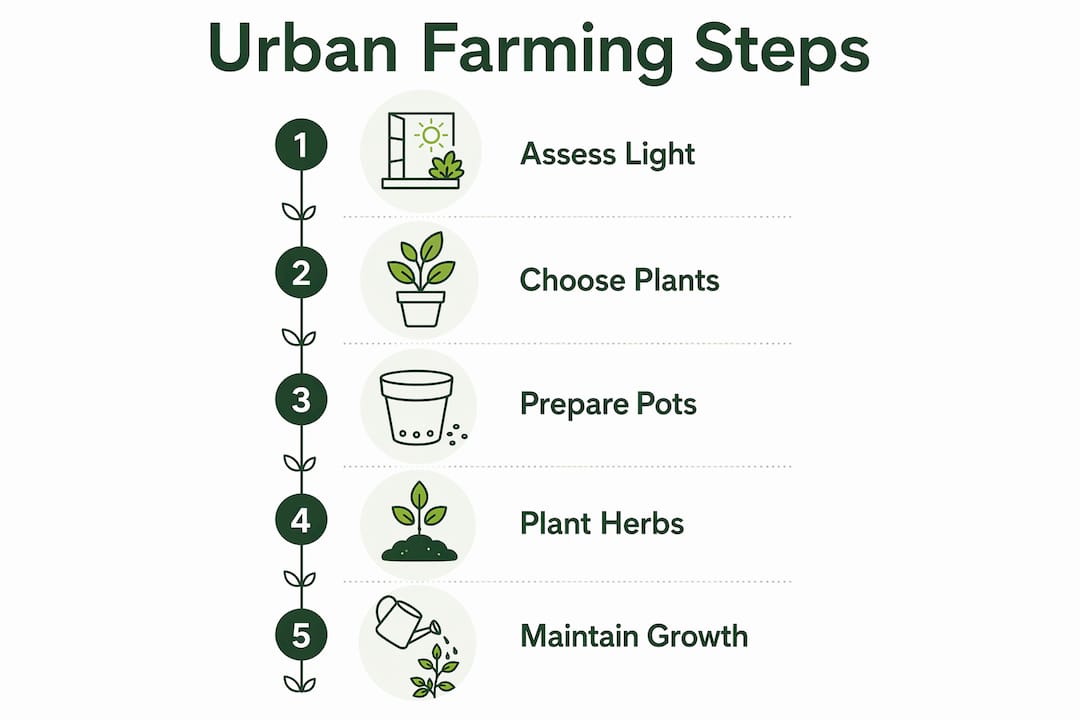
Follow these steps to build a working urban garden from scratch:
Pro Tip: Place heat-sensitive herbs like mint and Vietnamese coriander in spots with morning sun and afternoon shade. Singapore’s afternoon heat above 32°C will stress most soft-leafed herbs if they get full western exposure.
The tips for growing plants in small urban spaces principle holds: the right plant in the right microclimate outperforms the wrong plant in the best equipment every time.
Technology and policy are reshaping what’s possible for Singapore’s urban farms, but the picture is more nuanced than headlines suggest. High-tech vertical farms face significant energy and maintenance costs that make them impractical for most home growers. Plant heat stress is a documented challenge in enclosed indoor farms, and the electricity bills for artificial lighting quickly outpace the value of produce grown.
The more practical path for residential growers is passive and modular design. Modular, energy-efficient setups that use natural light and passive cooling deliver better results at lower cost for home environments. These systems integrate with existing architecture rather than fighting it.
| Approach | Best for | Key advantage | Main limitation |
|---|---|---|---|
| High-tech vertical farming | Commercial farms | High yield per square meter | High energy and operating costs |
| Passive modular systems | Home and HDB growers | Low cost, natural light use | Yield limited by available light |
| Container gardening | Absolute beginners | Zero setup cost, flexible | Requires daily watering without automation |
| Edible green walls | Offices and corridors | Space-efficient, visual appeal | Needs structural assessment first |
Government support fills the gap between ambition and execution. Policies extending timelines and allowing crop diversification help new farms stabilize before they face production pressure. For home growers, SFA’s recognition of micro-gardens as part of national food resilience means community programs, educational resources, and occasional subsidies are available through town councils and community centers. Exploring modular garden system types designed for urban homes gives you a practical starting point that aligns with these government-backed approaches.
Urban food growing in Singapore is most accessible when you start with the right plant in the right microclimate, not the most advanced technology.
| Point | Details |
|---|---|
| AVA transitioned to SFA in 2019 | SFA now manages food safety, urban farming policy, and Singapore’s local production targets. |
| Government targets drive opportunity | Singapore aims for 20% local fibre food production by 2035, with crop diversification allowed from September 2026. |
| Microclimates matter most | Mapping direct versus indirect sunlight in your home predicts success better than equipment choice. |
| Start small and tropical | Microgreens, sayur manis, and herbs give beginners fast harvests with minimal investment. |
| Passive systems beat high-tech for homes | Modular, natural-light setups cost less and perform better in residential settings than energy-intensive vertical farms. |
Most people who want to grow food in Singapore spend their first month researching equipment. They compare hydroponic systems, watch videos about nutrient solutions, and build spreadsheets of grow light options. Then they buy something complex, struggle with it for six weeks, and quit.
I’ve watched this pattern repeat enough times to call it the default beginner mistake. The real starting point is not equipment. It’s observation. Spend one week watching how light moves through your flat before you buy anything. That single habit separates the growers who succeed from the ones who give up with a shelf full of unused gear.
Singapore’s tropical climate is genuinely forgiving for the right plants. Sayur manis grows in a plastic bag of soil on a window ledge. Brazilian spinach bounces back from neglect that would kill temperate greens. The plants that suit this climate are also the ones that suit a beginner’s schedule.
The shift from AVA to SFA also matters more than most beginners realize. SFA’s policies are actively creating space for small-scale growers, not just commercial farms. Community programs, flexible land use, and crop diversification rules all point in the same direction. The government wants more Singaporeans growing food. That’s a tailwind worth using.
My honest advice: grow three things well before you grow ten things badly. Pick one herb, one leafy green, and one microgreen. Master those. Then add complexity when you’re ready, not before.
— Luna
Sprout-lab builds garden systems specifically for people who want real harvests without spending hours on maintenance. Their modular hydroponic setups let you grow up to 56 plants in a compact footprint, which makes them a practical fit for HDB balconies and indoor spaces where every square foot counts.
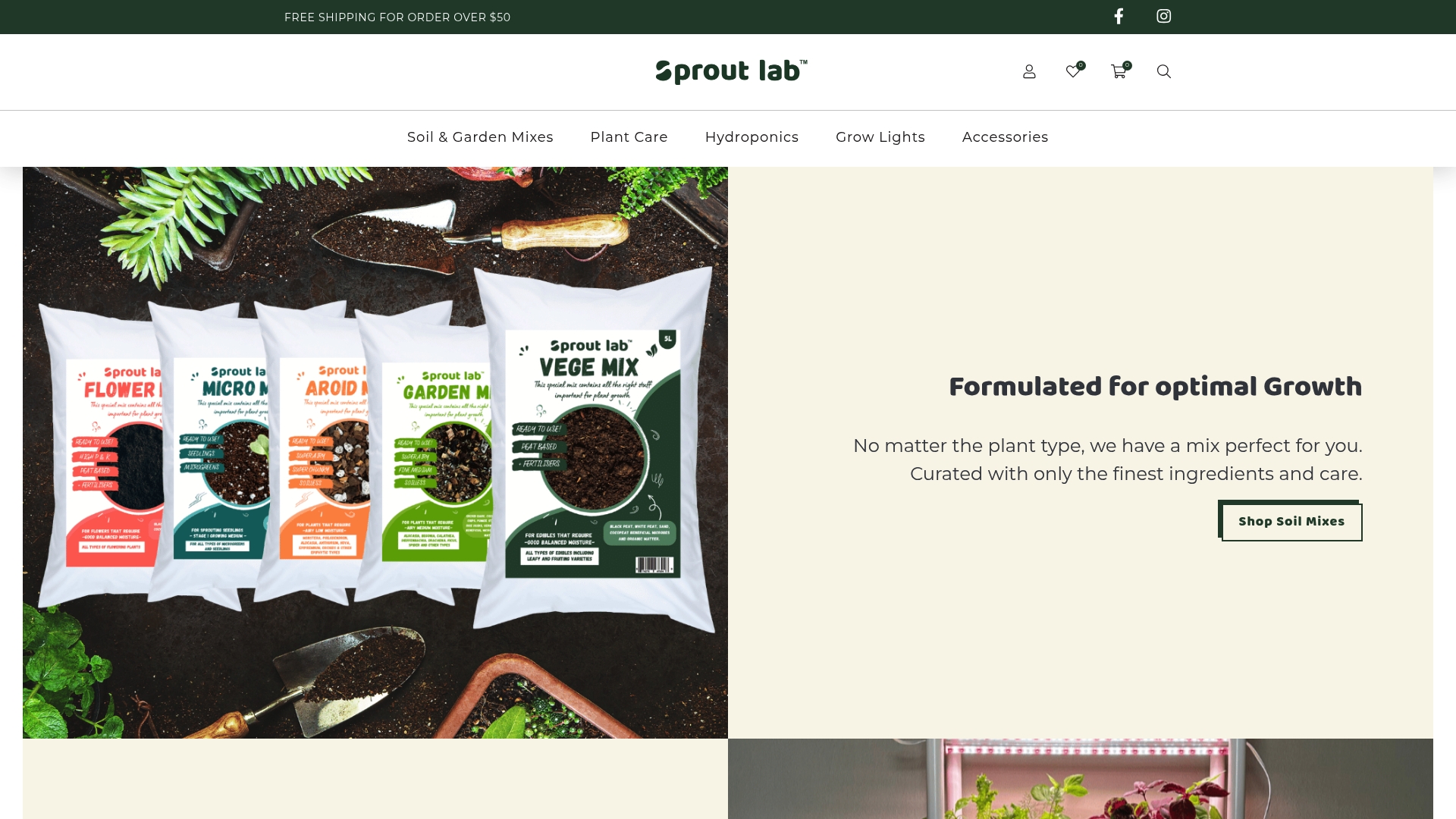
Sprout-lab’s products carry a 4.9/5 star rating from over 25,000 completed orders, and customers consistently report faster seed germination and healthier plants compared to basic container setups. Whether you’re starting with a passive hydroponic system or looking for a complete garden system for busy growers, Sprout-lab has options matched to Singapore’s urban conditions and a beginner’s realistic schedule.
The Agri-Food and Veterinary Authority (AVA) regulated food safety and agriculture in Singapore until it was disbanded on April 1, 2019. Its functions transferred to the Singapore Food Agency (SFA), which now oversees urban farming policy and local food production targets.
Singapore’s SFA targets 20% local production of fibre foods and 30% protein production by 2035. Farms can apply to diversify crops starting September 1, 2026, giving growers more flexibility to meet these goals.
Heat-tolerant tropical plants like sayur manis, Brazilian spinach, and herbs such as Thai basil and pandan are the best starting crops. Microgreens are also ideal because they can be harvested in as little as three weeks.
Hydroponics is not necessary for beginners. Simple container gardening with quality potting mix produces reliable results, and passive hydroponic systems are a practical upgrade once you understand your space and light conditions.
Observe your balcony or corridor at three points during the day: morning, midday, and late afternoon. Track where direct sunlight falls and for how long. Most edible plants need at least three to four hours of direct or bright indirect light to produce a harvestable crop.