Free shipping for order over $50

Free shipping for order over $50
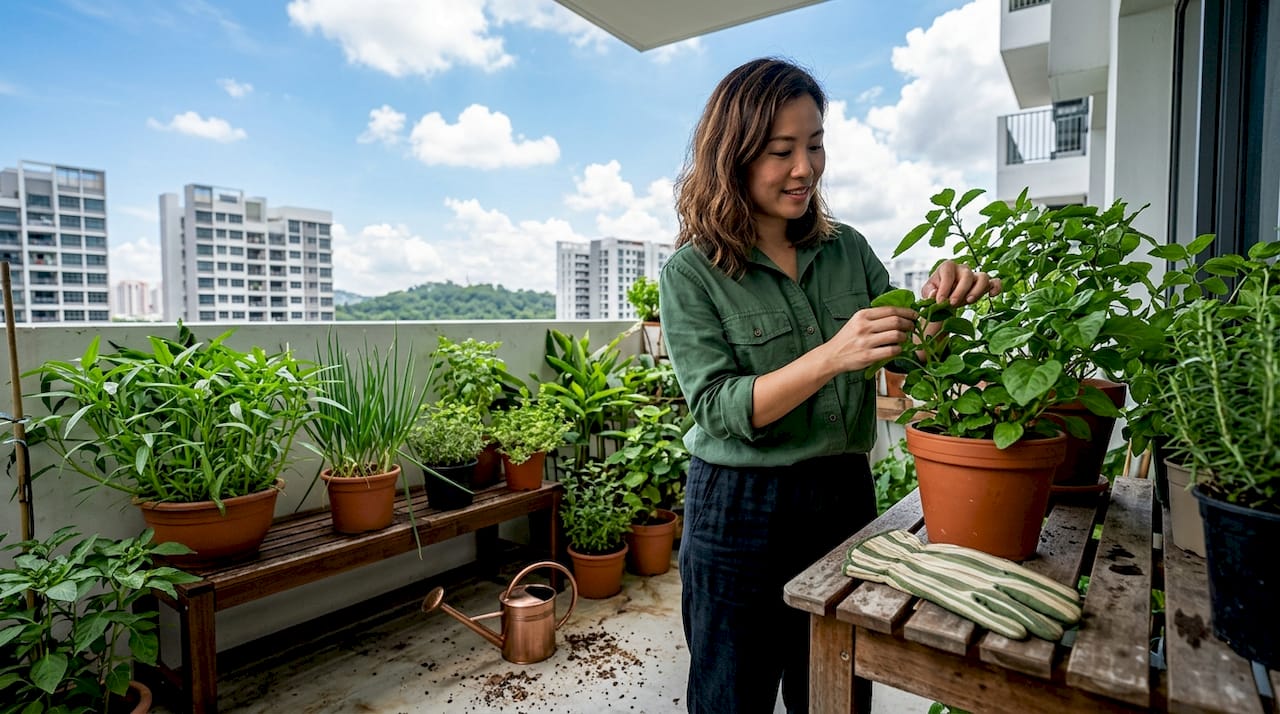
If you live in an HDB flat or condo and want fresh greens without waiting months, you are in the right place. Fast growing greens for Singapore homes are more accessible than most people realize, and the city’s year-round tropical heat is actually a huge advantage. The challenge is knowing which plants reward small balconies and windowsills quickly, and which ones will frustrate you with slow progress or constant fussing. This guide cuts straight to what works.
| Point | Details |
|---|---|
| Speed matters most | Spring onions and microgreens deliver harvests in as little as 5-7 days, perfect for impatient beginners. |
| Cuttings beat seeds | Kangkong and Brazilian spinach root faster from stem cuttings than from seeds in Singapore’s tropical climate. |
| Shade-tolerant picks exist | Sayur manis and laksa leaf thrive even in low-light balconies, so limited sun is not a dealbreaker. |
| Soil mix is critical | A blend of compost, coco coir, perlite, and worm castings gives container greens the drainage and nutrition they need. |
| Hydroponics fits small spaces | Modular hydroponic setups let you grow dozens of plants in a footprint smaller than a coffee table. |
Before you buy seeds or cuttings, it pays to know what separates a plant that thrives on your balcony from one that slowly sulks and dies. Singapore’s climate is generous in some ways and unforgiving in others.
Here are the key factors to weigh when choosing greens for your space:
Pro Tip: Start with two or three varieties, not ten. Getting one plant to thrive teaches you more than struggling with many at once.
Brazilian spinach can be harvested within one to two weeks and regrows after cutting, making it one of the most practical greens for continuous harvest in Singapore. You cut the tips, cook them, and the plant keeps pushing out new growth. It is perennial, which means you are not replanting from scratch every few weeks.
It grows well from cuttings or seeds, and propagation from stem cuttings is faster and more reliable under tropical conditions. Push one node into moist soil, keep it humid for a few days, and you will see roots within a week. The plant handles partial shade reasonably well, which suits many Singapore apartments.
Kangkong is a Singapore kitchen staple for good reason. It grows aggressively in heat and humidity, and you can propagate it from cuttings with almost no effort. Drop a stem into a glass of water, wait a few days for roots to appear, then transfer to soil or a hydroponic setup.
It is one of the best quick growing vegetables Singapore gardeners rely on because the turnaround from cutting to harvest is often under three weeks. Kangkong also works well in a hydroponic growing system, where it can grow even faster with consistent nutrient delivery. The one thing to watch: it spreads fast, so keep it in its own container.
Spring onions are the closest thing to instant gratification in home gardening. Green tops are ready to harvest in as little as five to seven days when you regrow them from the white root ends saved from your grocery purchase. Place the roots in a shallow dish of water on a sunny windowsill and watch them shoot up.
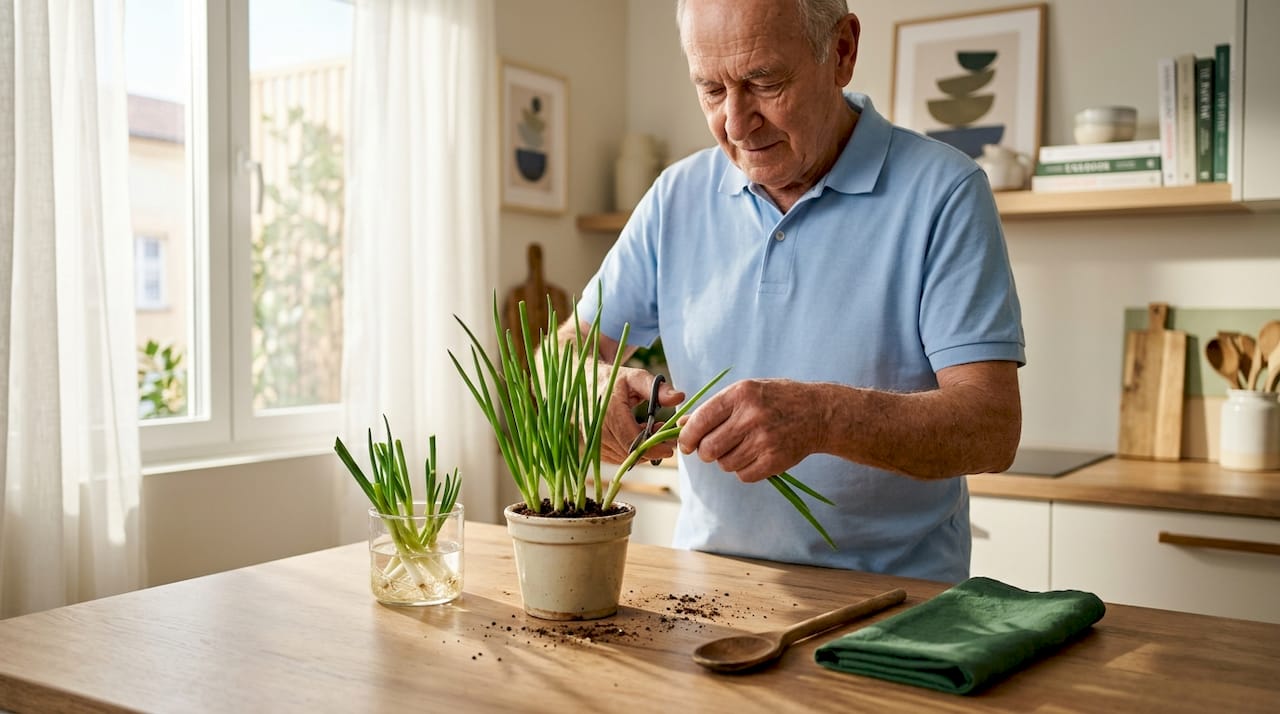
For longer-term production, plant them in a 6-inch pot with good potting mix and they will keep producing for months. Spring onions are arguably the best greens for home gardening when you want zero-waste cooking and zero fuss. They need almost no maintenance and tolerate the occasional missed watering.
Sayur manis is underrated in the home gardening world. It is a local favorite in Malaysian and Singaporean cooking, and it is one of the few greens that genuinely tolerates shade and thrives in the kind of corridor balconies common in HDB blocks. If your apartment gets limited direct sun, this is your plant.
The leaves are tender, slightly sweet, and ready to pick within two to three weeks of planting from cuttings. It is a perennial, so one healthy plant can feed you for years with minimal replanting. Think of it as a low maintenance plant for Singapore apartments that actually delivers on flavor.
Microgreens are the fastest edible greens you can grow, period. Varieties like radish, sunflower, and pea shoots go from seed to harvest in seven to fourteen days. Microgreens offer the fastest harvest cycles of any edible crop, making them ideal starter crops for busy urban dwellers who want results without a long wait.
You do not even need a balcony. Standard 9 to 12-watt LED bulbs at 6000 to 6500K, placed 15 to 20 cm above your tray and running 12 to 16 hours daily, support full microgreens growth indoors. A shallow tray, some potting mix, and a handful of seeds are all you need. They are genuinely the best fast growing plants for apartments with no outdoor space.
Pro Tip: Grow three trays staggered a few days apart so you always have a tray ready to harvest. You will never run out of fresh greens.
Herbs like Thai basil and laksa leaf (Vietnamese coriander) are perennial, regrow quickly after cutting, and are used constantly in Singapore cooking. Laksa leaf in particular is shade-tolerant and handles the humid, warm conditions of a Singapore kitchen windowsill with ease.
Both herbs are easy to grow herbs that most beginners overlook in favor of vegetables, but they add more flavor per gram than almost anything else you can grow at home. Cut from the top to encourage bushier growth rather than letting the plant bolt upward. A single 8-inch pot of basil can supply a household for months.
| Green | Harvest time | Sunlight need | Propagation | Hydroponic-friendly |
|---|---|---|---|---|
| Brazilian spinach | 1 to 2 weeks | Partial shade to full sun | Cuttings or seeds | Yes |
| Kangkong | 2 to 3 weeks | Full sun preferred | Cuttings | Yes |
| Spring onions | 5 to 7 days (tops) | Full sun to partial | Roots or seeds | Yes |
| Sayur manis | 2 to 3 weeks | Shade tolerant | Cuttings | Yes |
| Microgreens | 7 to 14 days | Artificial light works | Seeds | Yes |
| Basil / laksa leaf | 2 to 3 weeks | Partial to full sun | Cuttings or seeds | Yes |
The right potting mix makes a bigger difference than most beginners expect. A recommended potting mix ratio for container gardening combines 40% peat-free compost, 30% coco coir, 20% perlite or vermiculite, and 10% worm castings. This blend drains well enough to prevent root rot while holding enough moisture to reduce how often you need to water.
For containers, choose pots with drainage holes and match the size to the plant. Spring onions and microgreens do fine in shallow trays. Brazilian spinach and kangkong prefer deeper pots of at least 20 cm to support root development. You can find guidance on choosing the right containers that match both your plant and your available space.
For soil selection, Sprout-lab’s guide on best potting mix options covers what works specifically for edible greens in Singapore’s humidity.
Growing fast greens in a small space rewards a few smart habits more than any expensive equipment.
Pro Tip: Place a tray of water near your pots on very hot days. Evaporation keeps the microclimate around your plants slightly cooler and more humid, which most tropical greens prefer.
I’ve spent a lot of time watching people start home gardens with great intentions and then quietly abandon them after a month. The most common mistake I see is choosing the wrong plant for the available light. Someone with a north-facing unit buys tomatoes or chili, gets almost no fruit, and concludes they have a black thumb. They don’t. They just picked the wrong plant.
What I’ve learned is that the fastest path to a productive home garden in Singapore is to match your plant to your actual conditions, not your ideal conditions. If you get two to three hours of direct sun, start with sayur manis or laksa leaf. If you get four or more hours, kangkong and Brazilian spinach will reward you quickly.
I’ve also found that starting with microgreens changes people’s relationship with home gardening entirely. The harvest cycle is so fast that you see results before you lose motivation. That early win builds the confidence to try something more ambitious.
The surprising truth about what plants grow well in Singapore is that the tropical climate is a gift most urban gardeners underuse. Heat and humidity that would stress a European garden are exactly what kangkong and Brazilian spinach love. Work with the climate instead of against it, and you will harvest more greens than you expect from a very small space.
— Luna
If you are ready to move beyond a few pots on the windowsill, Sprout-lab has the equipment to scale your home garden without taking over your living space.
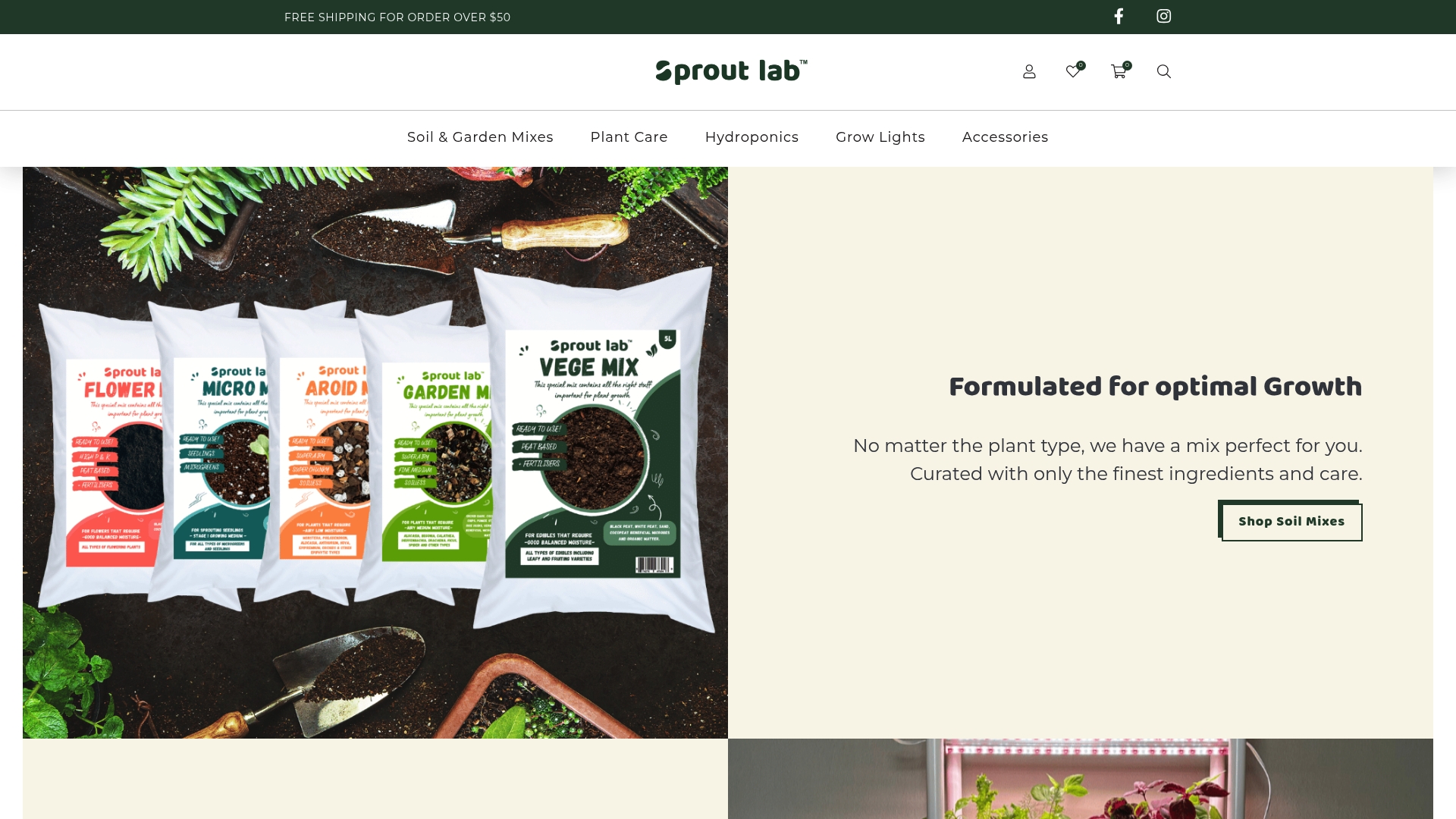
Sprout-lab’s hydroponic systems for urban homes are designed specifically for Singapore’s space constraints. Their modular tower setup fits on a balcony and supports up to 56 plants in a compact footprint. For beginners, the DIY hydroponic starter kits walk you through setup step by step, with no prior experience needed. You can also explore their premium soil mixes formulated for container-grown edible greens in Singapore’s humidity. With a 4.9/5 rating across more than 25,000 orders, Sprout-lab is the go-to resource for Singapore urban gardeners who want results fast.
Spring onions are the fastest, with green tops ready in five to seven days from root cuttings. Microgreens follow closely, reaching harvest in seven to fourteen days with minimal space and light requirements.
Yes. Microgreens grow well under standard 9 to 12-watt LED bulbs placed 15 to 20 cm above the tray, running 12 to 16 hours daily. No outdoor space or natural sunlight is required.
Sayur manis, laksa leaf, and Brazilian spinach all tolerate partial shade and perform well in north-facing or corridor balconies with limited direct sun.
Hydroponics delivers nutrients directly to roots, which typically speeds up growth compared to soil. It also eliminates soil-borne pests and reduces watering frequency, making it a practical choice for busy urban gardeners.
Use 40 to 50 mesh insect netting to block common pests physically, and place yellow sticky traps to monitor and reduce flying insects like whiteflies. Both methods fit into an integrated pest management approach that avoids chemical sprays.