Free shipping for order over $50

Free shipping for order over $50
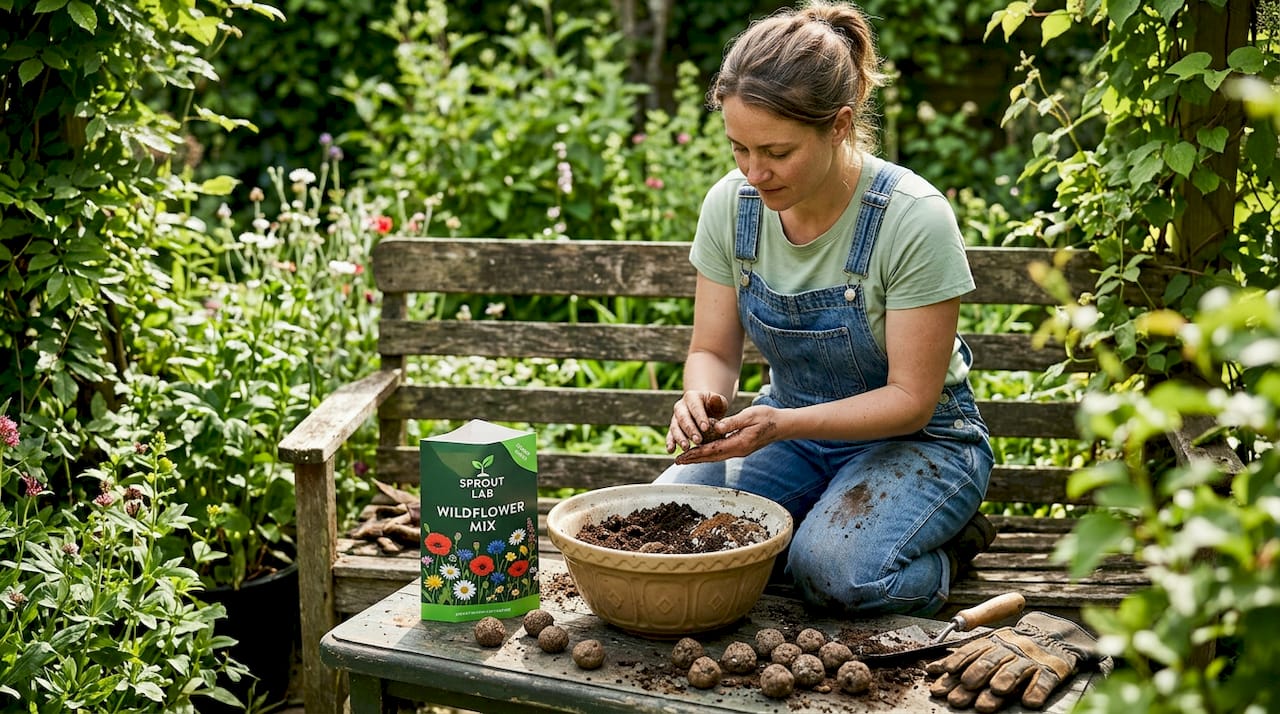
Wildflower seed balls sound like the easiest thing in gardening. Roll them up, toss them out, wait for flowers. That’s the pitch, and it’s not entirely wrong. But if you’ve tried wildflower seed balls and ended up with bare patches and disappointment, you know the real story is a bit more involved. Done right, seed balls are one of the most satisfying ways to grow native plants, support pollinators, and add genuine biodiversity to your yard or urban space. This guide gives you the practical knowledge to actually make them work.
| Point | Details |
|---|---|
| Seed balls need active care | Consistent moisture in the first few weeks is critical; they are not a toss-and-forget solution. |
| Native seeds outperform generic mixes | Regionally adapted wildflowers support local pollinators and germinate more reliably. |
| Planting depth matters | Press seed balls only halfway into soil so light and moisture can reach the seeds. |
| Site preparation is non-negotiable | Loose, bare soil with adequate sunlight gives seed balls their best chance of success. |
| Pre-soaking speeds germination | Soaking seed balls for 10 minutes before planting improves moisture retention significantly. |
A wildflower seed ball is a compact mixture of seeds, clay, and compost rolled into a small sphere roughly the size of a marble or a large grape. The clay acts as a protective shell, shielding seeds from birds, insects, and wind until conditions are right for germination. The compost inside delivers the first nutrients seedlings need before their roots reach the surrounding soil.
Most commercial flower seed bombs also include a deterrent ingredient. Chili powder is common, and it works surprisingly well at keeping slugs and snails from eating the seeds before they sprout. That combination of protection, nutrition, and deterrence is what separates a seed ball from simply scattering seeds on the ground.
Here is what a standard seed ball typically contains:
A standard tin of 20 seed balls covers approximately one square meter, with each ball containing around 30 seeds. That density matters when you are planning coverage for a garden bed or a neglected patch of urban green space.
You can buy wildflower garden kits with pre-made seed balls, or you can make your own. Commercial kits are convenient and often contain curated seed blends, but DIY seed balls give you full control over which species you use. For urban gardeners focused on local biodiversity, that control is often worth the extra effort.
This is where most seed ball projects succeed or fail before they even start. Grabbing a generic “wildflower mix” from a big-box store feels easy, but those blends often include non-native or even invasive species that compete with local plants rather than supporting them.
Native plants support local pollinators far more effectively than generic mixes. Native bees, butterflies, and other insects have evolved alongside specific plant species over thousands of years. A purple coneflower native to the Midwest feeds native bees in ways that a decorative annual from Europe simply cannot replicate.
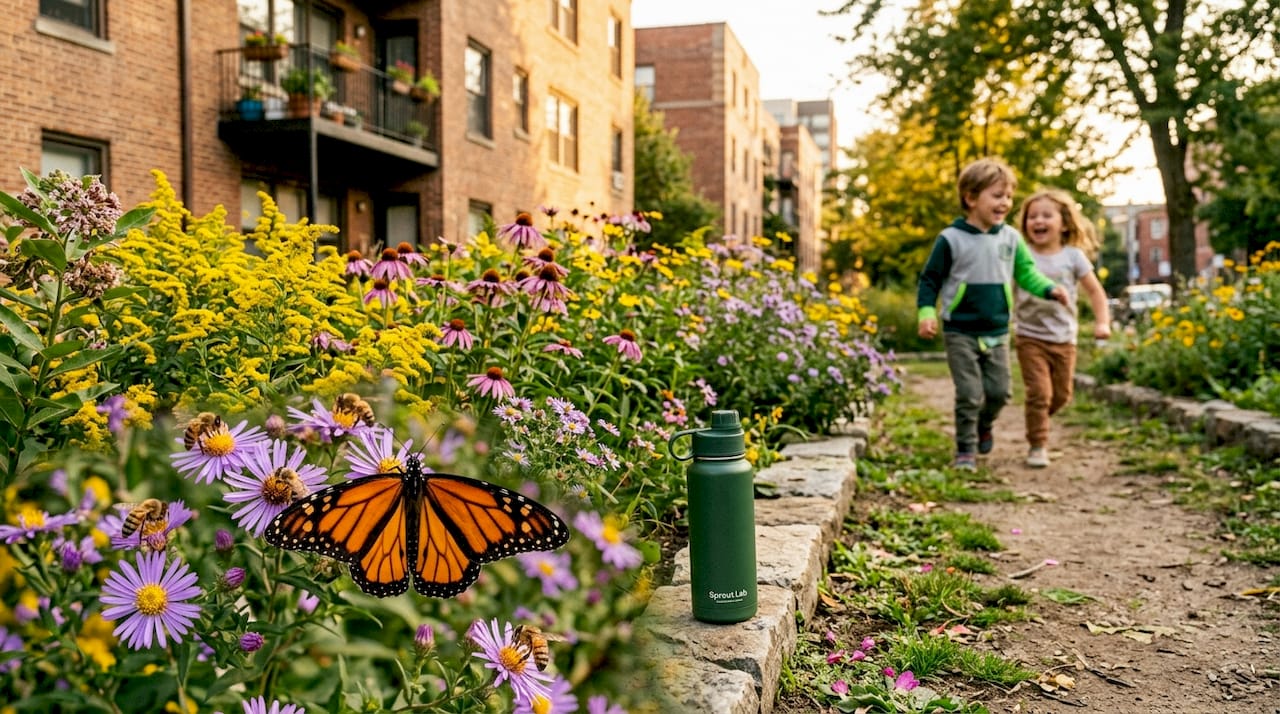
Here is a quick regional guide to native wildflowers worth including in your seed balls:
| U.S. Region | Native Wildflowers to Consider |
|---|---|
| Northeast | Black-eyed Susan, wild bergamot, New England aster |
| Southeast | Coreopsis, purple coneflower, blue wild indigo |
| Midwest | Prairie blazing star, compass plant, wild lupine |
| Southwest | Desert marigold, globe mallow, penstemon |
| Pacific Northwest | Farewell-to-spring, Douglas’ aster, Oregon sunshine |
To find what is truly native to your specific location, check with your state’s native plant society or use the USDA Plants Database. Your USDA hardiness zone is a starting point, but local ecotype matters too. A plant native to Georgia may not behave the same way in coastal South Carolina, even within the same zone.
Avoid any seed mix that includes these red flags:
The best wildflower varieties for seed balls are those with small, hardy seeds that can survive the clay-and-compost environment without rotting. Thin-coated seeds like coneflower, black-eyed Susan, and cosmos work well. Large, soft seeds like sunflowers are harder to use effectively in seed ball form.
Making your own seed balls is straightforward once you understand the ratios. Here is a reliable DIY seed ball recipe that works for most native wildflower varieties:
Site selection is just as important as the recipe itself. Choose a spot with loose, bare soil and at least six hours of sunlight per day. Compacted ground, heavy weed competition, and deep shade are the three fastest ways to lose a batch of seed balls.
Pro Tip: If you are planting in a spot with compacted soil, loosen the top two inches with a hand fork before placing your seed balls. You do not need to till the whole area. Just breaking up the surface crust makes a significant difference in germination rates.
Timing matters too. Spring and fall are the best seasons for most native wildflowers. Fall planting mimics natural seed dispersal and allows seeds to cold-stratify over winter, which actually improves spring germination for many native species. For a deeper look at soil preparation techniques, Sprout-lab has practical guidance on amending soil for specific plant needs.
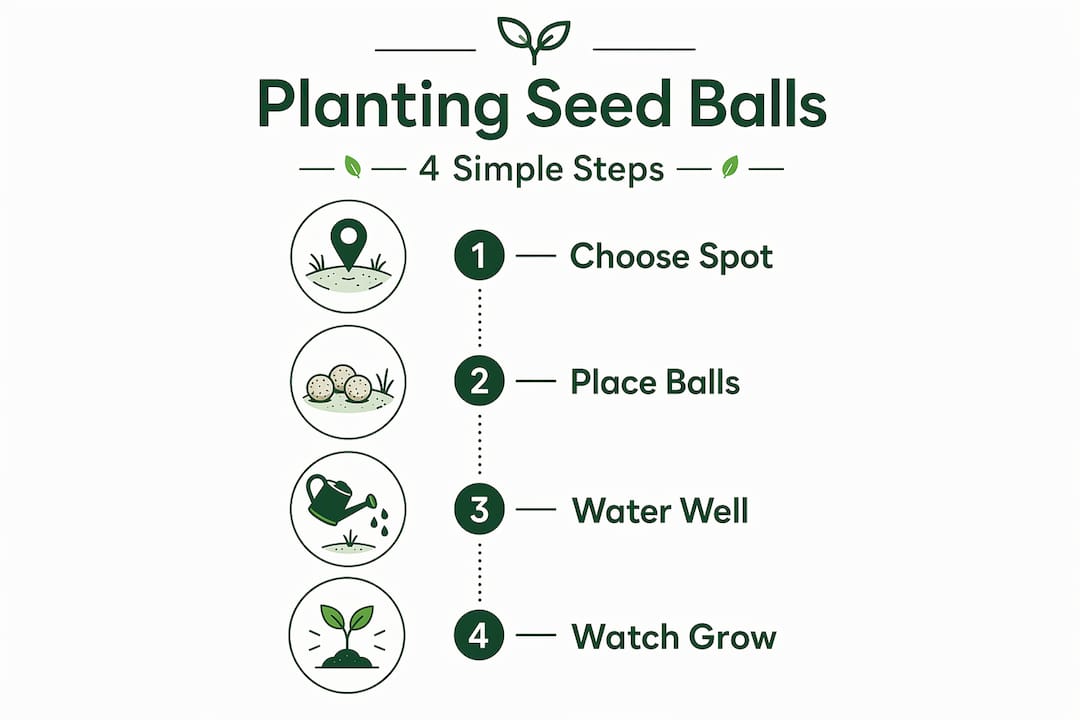
Urban areas are not just concrete and asphalt. Every vacant lot, rooftop, balcony, and parkway strip is a potential habitat. Wildflower seed bombs have become a popular tool in urban greening projects precisely because they are low-cost, portable, and visually compelling.
The ecological case for urban wildflower gardening is strong:
“Simply throwing seed balls without care often yields little ecological benefit. Success depends heavily on seed choice, site care, and local conditions.” Urban guerrilla gardening projects confirm this repeatedly.
Seed balls also work well as community and educational tools. Schools, neighborhood groups, and community gardens have used seed ball workshops to teach children and adults about local ecosystems. The hands-on process of mixing clay and seeds makes abstract concepts like pollinator habitat feel real and personal.
One honest limitation worth naming: in many cities, planting on public land without permission is technically illegal. Before you scatter seed balls in a vacant lot or along a roadway, check local ordinances or reach out to your city’s parks department. Many municipalities actively welcome community planting projects and will give you permission quickly if you ask.
For gardeners working with limited outdoor space, growing plants in small urban spaces is a practical starting point for understanding how to maximize even the smallest patch of ground.
Even well-made seed balls run into trouble. Knowing what went wrong makes it much easier to fix.
Pro Tip: Keep a simple planting log. Note the date, species, site conditions, and weather when you plant each batch. After one season, you will have real data on what works in your specific location, which is far more useful than any general advice.
For ongoing care after germination, a simple plant care routine can help you stay consistent without spending hours in the garden each week.
I’ve seen seed balls described as a miracle fix for degraded urban land, and I’ve also seen entire batches produce nothing but frustration. The truth sits somewhere in the middle, and it leans toward optimism when you go in with realistic expectations.
What I’ve learned is that the clay-and-compost structure is genuinely clever. It solves real problems that bare seed sowing cannot. But the “toss and forget” framing does real damage. It sets people up to feel like they failed when the seeds just needed more moisture and a better site.
My honest advice: treat your first batch as a learning run. Pick one small area, prepare the soil properly, plant more balls than you think you need, and water consistently for three weeks. If you do those four things, you will almost certainly see results. Then you can scale up with confidence.
The ecological payoff, even from a single successful patch, is real. I’ve watched a 10-square-foot planting of native coneflower and black-eyed Susan attract more bee species than I could count by midsummer. That is not a small thing in a city. It is a habitat. And it started with a handful of clay balls pressed into a patch of loose soil.
— Luna
If you are serious about giving your wildflower seed balls the best possible start, soil quality is the variable that matters most after site selection. Sprout-lab’s premium soil mixes are formulated to support strong root development and moisture retention, which is exactly what germinating wildflower seeds need in their first weeks. Whether you are preparing a garden bed, filling containers for a balcony planting, or creating a dedicated wildflower patch, the right growing medium makes a measurable difference. Sprout-lab also offers specialty planting mediums for gardeners who want to dial in their conditions precisely. With a 4.9/5 star rating across more than 25,000 orders, their products are trusted by gardeners who take results seriously.
Wildflower seed balls are made from a mixture of powdered clay, compost, wildflower seeds, and sometimes a pest deterrent like chili powder. The clay protects seeds from predators and moisture loss until conditions are right for germination.
Most wildflower seed balls begin sprouting within 7 to 21 days when they receive consistent moisture and adequate sunlight. Cooler temperatures or dry conditions will slow this timeline.
No. Press seed balls only halfway into the soil so they stay anchored but remain exposed to light. Burying them fully blocks the light seeds need to germinate and significantly reduces success rates.
Yes, but success depends on seed choice, site preparation, and ongoing moisture care. Native wildflower seeds adapted to your region perform far better than generic mixes in urban settings.
A standard application rate is about 20 seed balls per square meter. Each ball contains roughly 30 seeds, giving you dense enough coverage to establish a healthy wildflower patch even with some germination loss.