Free shipping for order over $50

Free shipping for order over $50
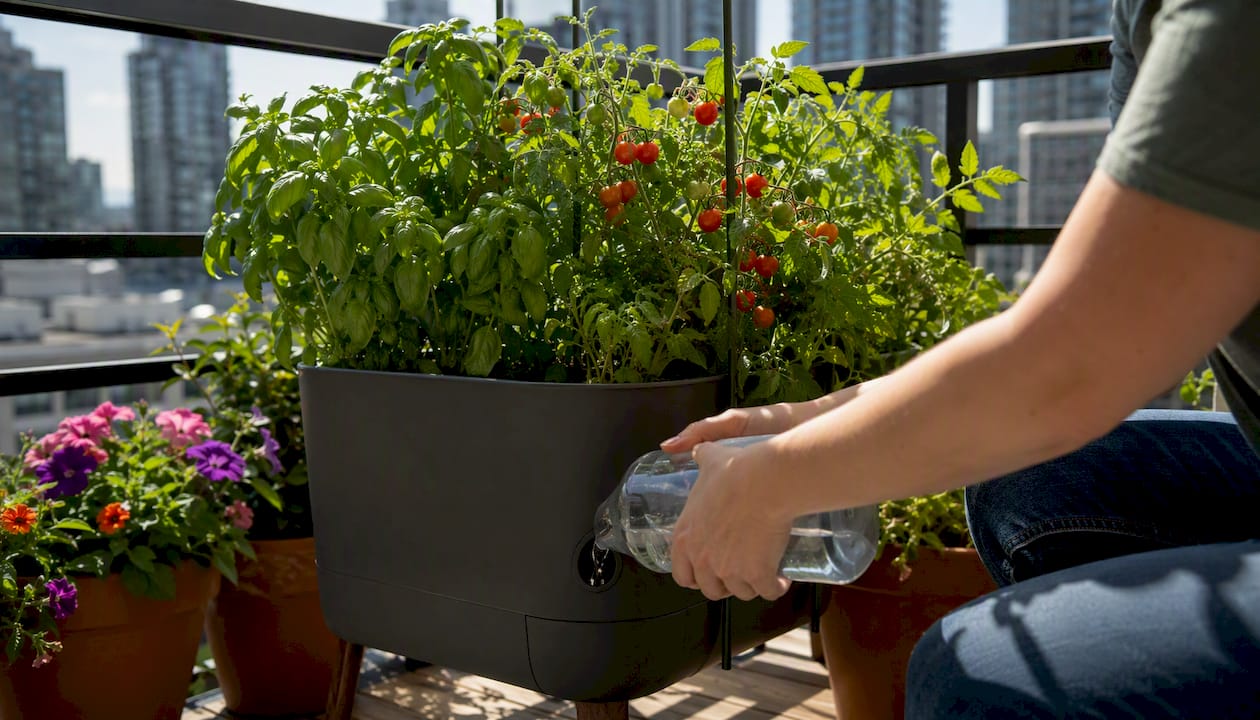
Self-watering garden systems genuinely deliver for most home gardeners. Sub-irrigated planters (SIPs) keep roots consistently moist, cut water use by roughly 50% compared to overhead watering, and free you from daily watering routines. Sprout-lab builds on these same principles with compact hydroponic systems designed for urban spaces. The core self-watering garden system benefits come down to these four things:
One honest caveat: these systems are not for every plant or every climate. Succulents, lavender, rosemary, and cacti actively dislike constant moisture. A poorly designed reservoir or compacted soil mix can cause root rot faster than traditional pots. Choose the right plants and the right setup, and the gains are real.
Pro Tip: Before buying any system, check whether your most-grown plants prefer consistent moisture or dry-out cycles. That single question determines whether a SIP will help or hurt.
Fluctuating soil moisture is one of the most common causes of poor plant performance in containers. Tomatoes that dry out between waterings develop blossom end rot. Basil wilts and bolts. Leafy greens turn bitter. A SIP eliminates those swings by maintaining a steady moisture gradient from the reservoir up through the root zone, so plants never experience the wet-then-bone-dry cycle of hand-watering.
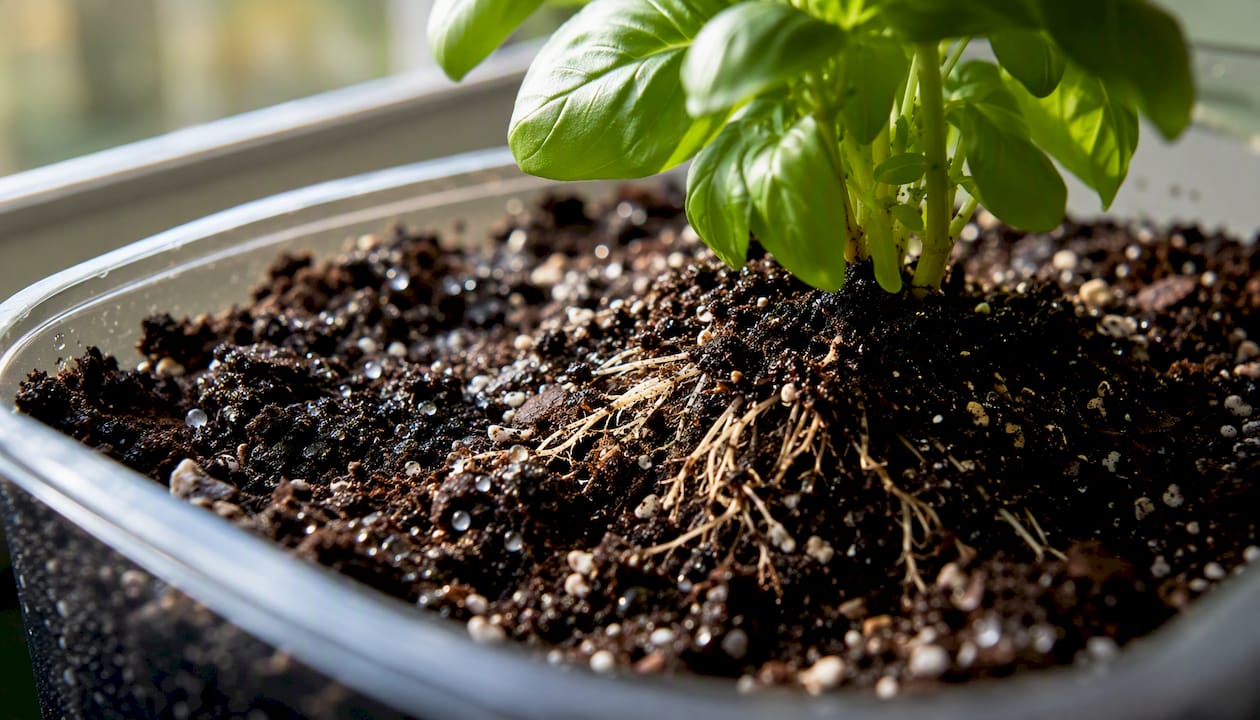
Research comparing self-watering beds to standard raised beds shows that consistent moisture directly reduces plant stress and improves yields for tomatoes, peppers, and leafy greens.
Water savings compared to overhead or top-watering are commonly cited in extension and university research on subirrigation systems. The mechanism is straightforward: water stays in a sealed reservoir rather than evaporating from exposed soil.
Because the reservoir is enclosed and water moves upward only as the plant demands it, very little is lost to surface evaporation. Top-watering loses a significant portion of each watering session before roots can absorb it, especially in warm or windy outdoor conditions.
A well-filled reservoir gives most plants a multi-day buffer, sometimes longer depending on plant size and weather. LazyLeaf’s setup guide confirms that a topped-up reservoir before you leave is the single most reliable way to keep container plants alive during short trips. For urban growers who travel regularly, this is often the deciding benefit.
Liquid fertilizers applied to a SIP stay in the reservoir rather than leaching out the bottom with excess water. That means the nutrients you add are available to roots over a longer period, and you use less fertilizer overall. This is particularly useful for heavy feeders like tomatoes and peppers.
Top-watering splashes water onto foliage, which creates conditions for fungal diseases like powdery mildew and botrytis. Because SIPs water from below, leaf surfaces stay dry, reducing that risk considerably.
The advantages of self-watering gardens include a dramatically reduced daily time commitment. Instead of checking soil moisture every morning, you check the reservoir indicator every few days. For apartment dwellers or professionals with unpredictable schedules, that shift from daily task to weekly check changes whether a garden is actually sustainable.
Self-watering garden system reviews consistently highlight improved yields for tomatoes, herbs, and leafy greens when moisture stays stable. The plant spends less energy recovering from stress and more energy producing fruit or leaves.
Pro Tip: For tomatoes specifically, fill the reservoir with a diluted liquid fertilizer solution every third refill. The slow, consistent delivery from below produces noticeably more even fruit set than periodic top-dressing.
Not every plant or situation benefits. The most common failure modes:
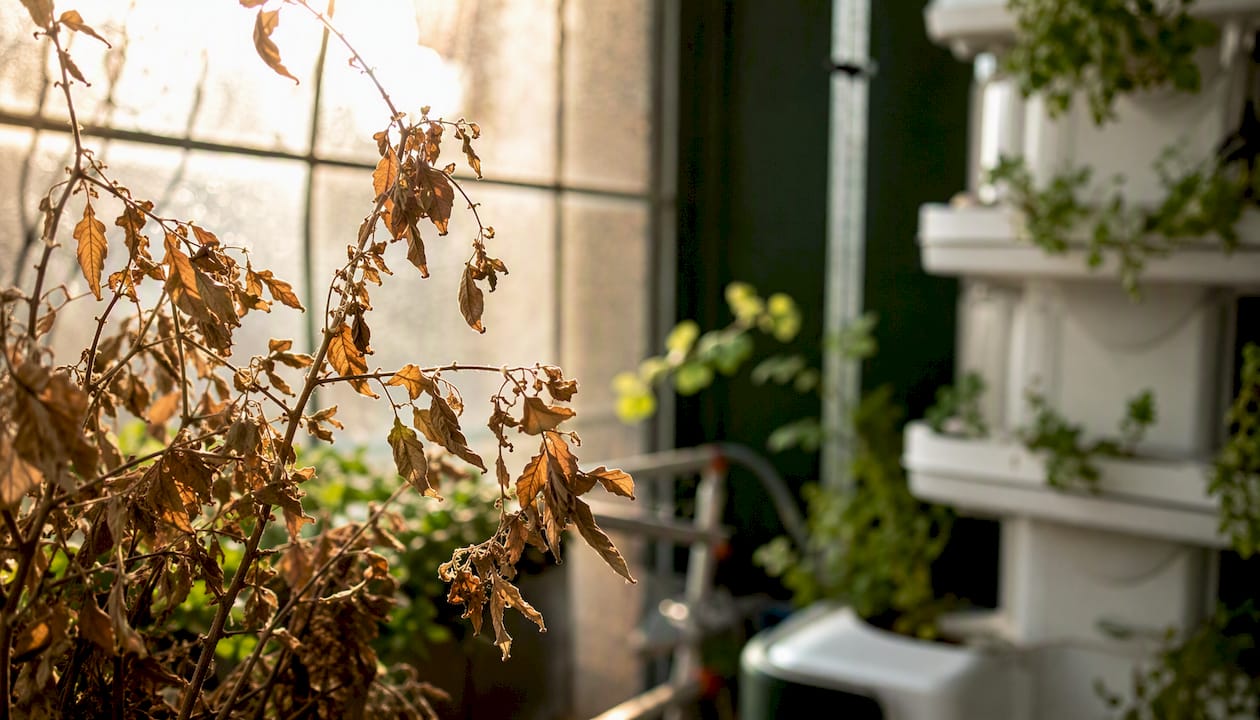
Plant mismatches. Succulents, cacti, lavender, rosemary, and thyme evolved in dry conditions. Constant moisture from a reservoir causes root rot in these species within weeks. Root & Vessel’s analysis identifies plant-moisture mismatch as the leading cause of SIP failures.
Poor design or compacted soil. If the air gap is missing or the soil mix is too dense, water wicks up faster than roots can use it and the root zone becomes waterlogged. The fix: use a well-structured mix with perlite or coco coir, and confirm the overflow drain is functional before planting.
Humid or rainy climates. Outdoors in persistently wet climates, the reservoir may never fully empty, keeping roots too wet. In those conditions, check the reservoir weekly and let it run low before refilling.
Mosquito and algae risk. Standing water in a neglected reservoir breeds mosquitoes and algae. Keep the refill port covered, clean the reservoir every 4–6 weeks, and add a few drops of diluted hydrogen peroxide if algae appears.
Winter freeze. In USDA hardiness zones 6 and below, outdoor reservoirs can freeze and crack. Drain and store plastic SIPs before the first hard frost.
A simple rule of thumb: if a plant wilts between waterings in a standard pot, it is a strong candidate for a SIP.
Best fits:
Herbs and vegetables that perform well include basil, parsley, mint, chives, tomatoes, peppers, cucumbers, lettuce, spinach, and kale. Moisture-loving houseplants such as pothos, peace lily, Boston fern, and spider plant also do well.
Avoid:
Succulents, cacti, lavender, rosemary, thyme, snake plants, and orchids that require dry cycles between waterings. These plants need the soil to dry out partially, which a SIP prevents by design.
Two quick scenarios. An urban balcony grower running a 5-gallon SIP with cherry tomatoes will likely see faster fruit set and fewer watering emergencies during summer heat. An indoor succulent collector using the same system will probably lose plants to root rot within a month. Same system, opposite outcomes, because plant selection is everything.
Pro Tip: For the first week, check the soil mid-column with your finger. If it stays dry above the wick zone, your mix may be too coarse. Add a small amount of coco coir to improve capillary draw.
| Task | Frequency |
|---|---|
| Check reservoir level | Every 3–5 days (more in heat) |
| Inspect overflow drain | Weekly |
| Clean reservoir (flush and rinse) | Every 4–6 weeks |
| Replace or check wick condition | Each growing season |
| Flush salt buildup from soil | Monthly during active feeding |
| Drain and store for winter (outdoor, cold zones) | Before first hard frost |
For irrigation and lighting setups that connect a drip line to the reservoir, the refill interval extends further, but the cleaning and salt-flush schedule stays the same.
The headline finding from extension and university research is consistent: subirrigation cuts water use by roughly 50% compared to overhead or surface watering. The mechanism is reduced evaporation from a sealed reservoir and demand-driven delivery, meaning water moves only when plant roots pull it.
| Method | Relative water use | Primary loss mechanism |
|---|---|---|
| Overhead/top-watering | Baseline | Surface evaporation, runoff |
| Sub-irrigated planter (SIP) | ~50% of baseline | Minimal (sealed reservoir) |
For a home gardener running four to six container plants through a hot summer, that difference translates to a smaller water bill and fewer emergency waterings during heat waves. For travelers, it means the reservoir lasts longer between refills, extending the safe window before plants need attention.
Sprout-lab’s hydroponic and passive self-watering systems are built around the same reservoir-and-wicking principles described throughout this article, with design choices that address the most common failure points:
Customers report faster seed germination and improved plant survival during travel as the two most consistent outcomes. Pairing a Sprout-lab system with one of its soil mixes from the catalog removes the guesswork from the setup step that most beginners get wrong.
Pro Tip: Start with one Sprout-lab herb unit before scaling. Basil and parsley show results within two weeks and give you a clear read on whether your indoor light and reservoir setup are dialed in.
Self-watering sub-irrigated planters deliver measurable water savings and better plant health for moisture-loving species, but plant selection and soil structure determine whether those gains actually materialize.
| Point | Details |
|---|---|
| Water savings are real | Subirrigation cuts water use by roughly 50% versus overhead watering by reducing surface evaporation. |
| Plant selection is decisive | Herbs, tomatoes, leafy greens, and moisture-loving houseplants thrive; succulents and Mediterranean herbs do not. |
| Soil mix matters as much as the system | A well-draining mix with perlite or coco coir is required; compacted soil causes root rot regardless of design. |
| Maintenance is light but not zero | Check the reservoir every 3–5 days and flush salts monthly; neglect leads to algae and mosquito problems. |
| Sprout-lab for compact urban setups | Sprout-lab’s modular systems with matched soil mixes address the most common SIP failure points for indoor and balcony growers. |
The gardeners who get the most from self-watering systems are not the ones who buy the biggest setup first. They are the ones who start with a single herb planter or a 5-gallon tomato container, watch it for three to four weeks, and learn how their specific environment affects the reservoir draw rate.
Busy urban growers, anyone who travels more than a week at a time, and edible container gardeners dealing with summer heat are the clearest beneficiaries. If that describes you, a SIP is worth trying. If you grow mostly succulents or live somewhere that stays humid and rainy most of the year, the system works against your plants rather than for them.
Where to start: fill the reservoir, plant basil or cherry tomatoes, and check the refill indicator at day three. If the reservoir is half-empty and the plant looks healthy, the system is working. If the soil feels soggy above the wick zone at day three, your mix needs more perlite. That first month of observation tells you more than any review.
Yes, for moisture-loving plants. Testing and extension research consistently show improved plant health and reduced watering frequency when the system is matched to the right plants and a well-draining soil mix.
The biggest risks are root rot from poor design or compacted soil, mosquito breeding in neglected reservoirs, and plant damage when drought-adapted species are used. Design features like an air gap and overflow drain prevent most of these problems.
Succulents, cacti, lavender, rosemary, thyme, and orchids that need dry cycles between waterings should not go in SIPs. These species evolved in dry conditions and suffer root rot when moisture stays constant.
Tomatoes, peppers, basil, mint, parsley, lettuce, spinach, and moisture-loving houseplants like pothos and peace lily are the strongest performers. These plants draw water steadily, which keeps the reservoir cycling and the moisture gradient active.
Yes. Subirrigation reduces water use by roughly 50% compared to overhead watering, primarily by eliminating surface evaporation from a sealed reservoir and delivering water only as plant roots demand it.