Free shipping for order over $50

Free shipping for order over $50
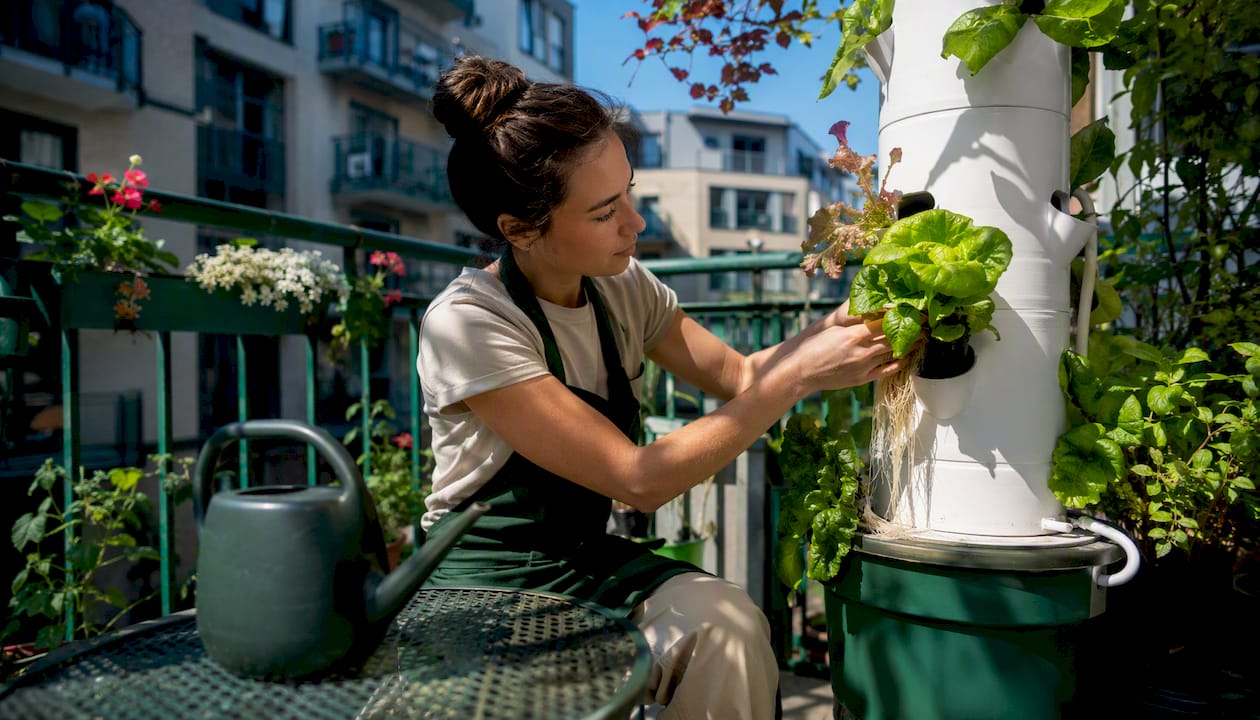
Sprout-lab’s modular complete hydroponic grow systems are the best ready-to-use option for most U.S. indoor and small-commercial buyers because they pack up to 56 plant sites into a compact footprint, ship with standard replaceable pumps, and include everything from lights to nutrients in a single order. That combination of capacity, parts standardization, and included support is genuinely rare at this price tier.
Quick-pick tiers at a glance:
Sprout-lab carries a 4.9/5 star rating across more than 25,000 completed orders, with customers citing fast germination and noticeably healthier plants. Every tier ships with a guided setup resource and phone/email support.
Pro Tip: Always choose a system that uses standard aquarium or off-the-shelf hydroponic pumps. Pumps are the most common failure point in any recirculating system, and a proprietary pump can mean days of downtime waiting for a specialty part. Standard pumps are available at any hardware or aquarium store.
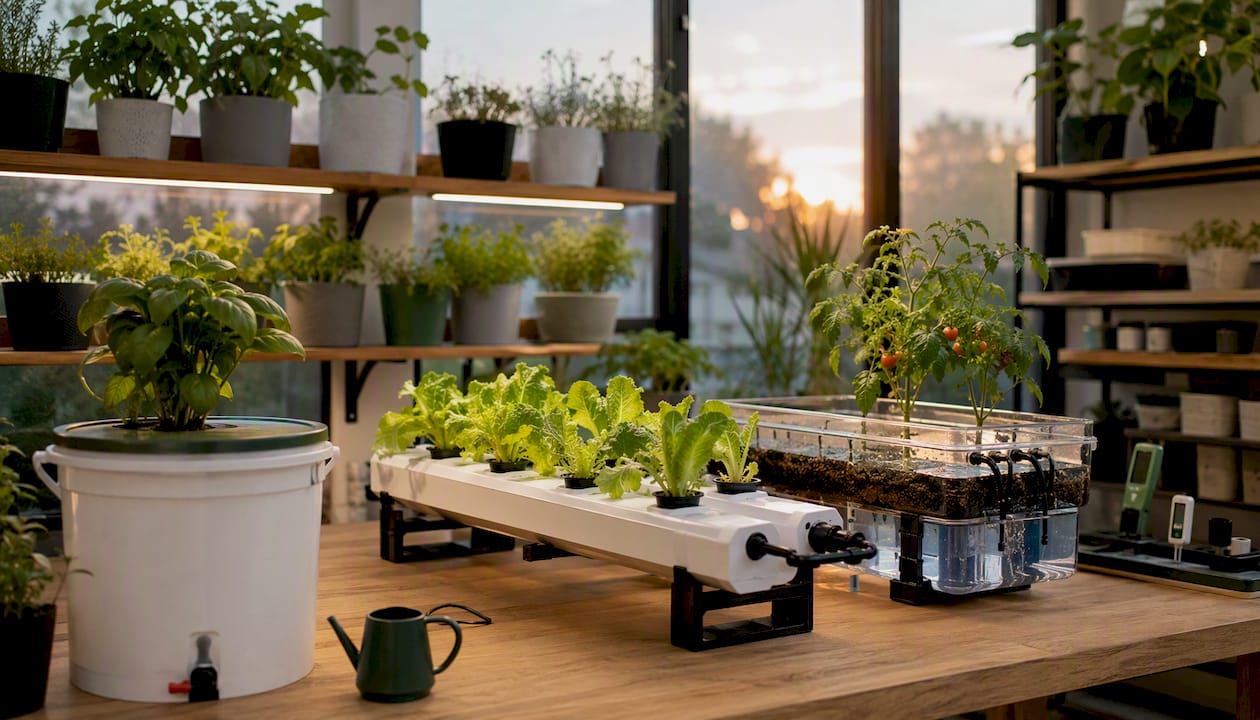
Not every hydroponic method fits every grower. The six main types differ meaningfully in crop suitability, maintenance burden, and how much space they demand.
| System type | Best for | Typical capacity | Footprint | Automation level | Price shape |
|---|---|---|---|---|---|
| DWC (Deep Water Culture) | Leafy greens, herbs, lettuce | 1–8 buckets | Horizontal, moderate | Low (timer + air pump) | Low–mid |
| RDWC (Recirculating DWC) | Fruiting crops, larger plants | 4–16 buckets | Horizontal, larger | Mid (pump + controller) | Mid–high |
| Drip | Fruiting crops, tomatoes, peppers | 4–16 sites | Horizontal, flexible | Mid–high | Mid |
| NFT (Nutrient Film Technique) | Herbs, lettuce, microgreens | — | Horizontal, long runs | Mid | Mid |
| Vertical tower | Herbs, leafy greens | 40–56 sites | Vertical, 5’×5’ for two towers | Low–mid | Mid |
| Aeroponics | Fast-cycling greens, research | 12–40 sites | Vertical or horizontal | High | High |
DWC suspends roots directly in oxygenated nutrient solution. It is the easiest method to learn and the cheapest to build, which makes it the go-to for first-time hobbyists growing lettuce or basil. The trade-off is horizontal footprint: a 4-bucket system needs a dedicated table.
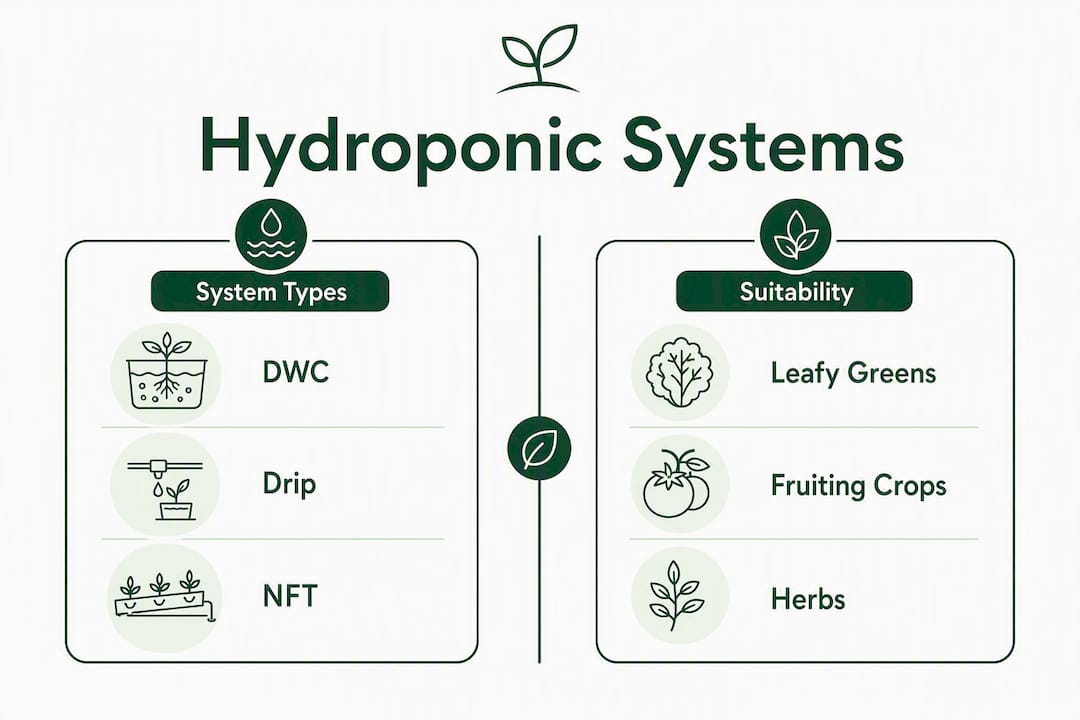
RDWC links multiple buckets through a central reservoir with a recirculating pump. It scales well for fruiting crops like tomatoes and cucumbers, but the added plumbing raises the clog risk. Stick with standard pump fittings.
Drip systems deliver timed nutrient pulses to individual plants. They handle heavier fruiting crops well and tolerate a wider range of growing media, but emitters clog if you skip weekly checks.
NFT runs a thin film of nutrient solution along angled channels. Cafés and restaurants favor it for continuous herb production because harvest-to-replant cycles are fast. Clogging is the main risk when organic nutrient residues build up.
Vertical towers are the standout option for apartment growers and urban producers. Two towers fit in a 5’×5’ footprint and together hold a large number of plants, which no horizontal system can match at that density. Sprout-lab’s tower kits are built around this format. For a deeper look at automation levels across these types, Sprout-lab’s guide breaks down the cost trade-offs clearly.
Aeroponics mists roots with nutrient solution at high frequency. Yields are fast, but the precision required and higher equipment cost put it firmly in the advanced or commercial category.
Pro Tip: Drip and NFT systems are the most prone to emitter and channel clogging. If you choose either, buy systems that specify standard pump sizes and include spare emitters in the kit. Cleaning a clogged NFT channel mid-cycle is far more disruptive than swapping a $12 pump.
Sprout-lab’s modular compact systems are designed around one principle: everything you need arrives in one order, and every part that wears out is replaceable from a hardware store.
| Model tier | Best for | Plant sites | Footprint | Automation | Included items | Price range |
|---|---|---|---|---|---|---|
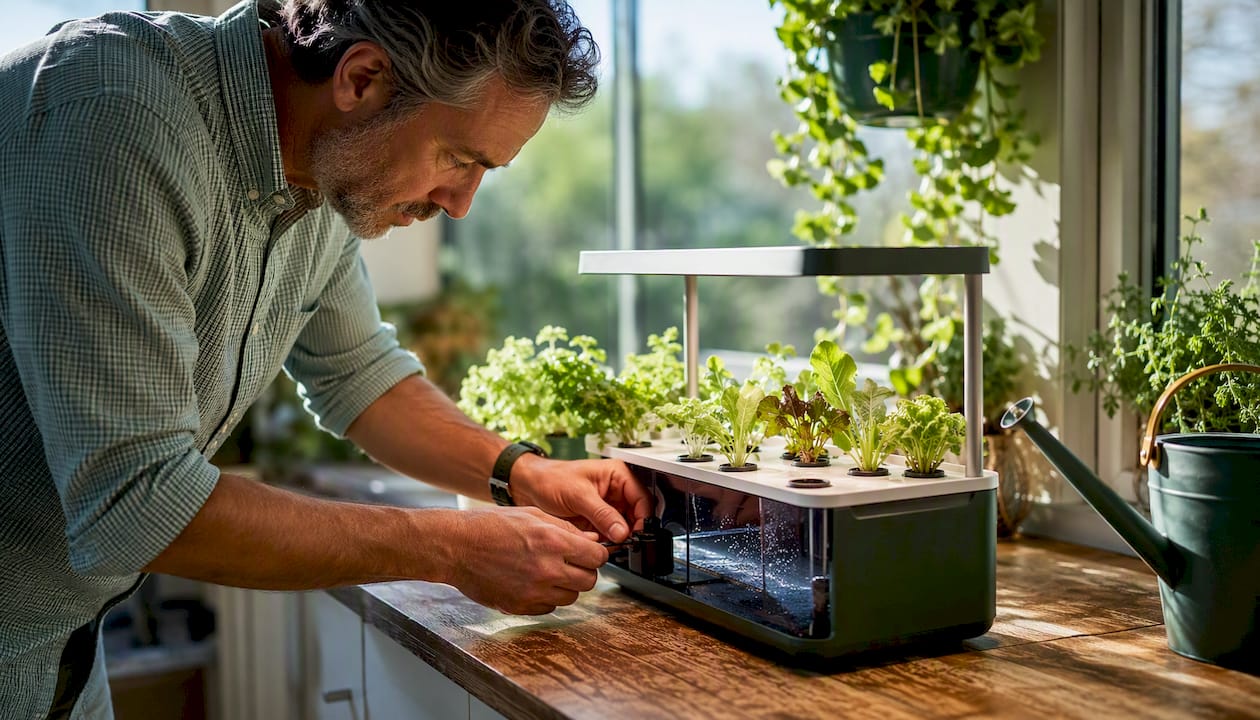
| Compact countertop | Herbs, microgreens | 8–16 sites | Countertop / shelf | Timer-based | LED light, reservoir, pump, net pots, grow media, starter nutrients | Entry |
| Mid-range multi-site | Leafy greens, herbs | 24–40 sites | 2’×4’ to 3’×4’ | Timer + basic controller | LED panel, reservoir, pump, tubing, net pots, grow media, nutrients | Mid |
| Vertical tower | Herbs, leafy greens, small fruiting | 40–56 sites | ~5’×5’ (two towers) | Timer + optional pH dosing | Tower frame, LED grow light, reservoir, pump, net pots, grow media, nutrients | Mid–high |
| Scalable modular rack | Commercial / CSA | Expandable | Rack-based, scalable | Full automation optional | Rack frame, lights, multi-reservoir, pumps, full accessory kit | Commercial |
Every tier ships with a guided setup resource and access to Sprout-lab’s phone and email support team. Warranty and returns details are listed on each product page; Sprout-lab’s support team is reachable directly for any post-purchase question.
Parts standardization is a deliberate design choice. Sprout-lab specifies standard aquarium and hydroponic pumps throughout its line, so a replacement is a same-day hardware store run rather than a week-long wait for a proprietary part.
Sprout-lab’s 4.9/5 rating across 25,000+ completed orders reflects consistent customer reports of rapid germination and improved plant health from the first grow cycle.
Run through these questions before you buy. They take five minutes and prevent the most common purchase mistakes.
1. What will you grow?
Herbs and leafy greens fit every tier. Fruiting crops (tomatoes, peppers, cucumbers) need larger reservoirs, stronger pumps, and more headroom. If fruiting crops are the goal, go mid-range or tower minimum.
2. How much space do you actually have?
Measure the floor or counter space before ordering. A countertop system needs roughly 1–2 square feet. A tower pair needs a 5’×5’ area with ceiling clearance of at least 6 feet for the light.
3. How much time can you give it weekly?
Honest answer: a countertop DWC or passive system needs 15–20 minutes per week. A tower or multi-site RDWC needs 30–45 minutes. If your schedule is tight, look at Sprout-lab’s low-maintenance system options before choosing a tier.
4. Do you need mobility or stackability?
Tower systems are fixed installations. Countertop and mid-range kits are easier to move or reconfigure.
5. What is your budget and scale plan?
Buy the tier that fits your current space, but check whether the system is modular enough to expand. Sprout-lab’s rack tier is designed specifically for growers who expect to scale.
Checklist: questions to ask on any product page before buying
Pro Tip: Easy reservoir access is not a luxury feature. Biofilm builds up in sealed or hard-to-reach reservoirs within weeks, reducing dissolved oxygen and clogging emitters. A system with a removable lid or wide-mouth reservoir saves you from a crop-threatening scrub-down every month.
Setup time by system complexity:
Monthly running costs (approximate ranges):
| Cost category | Countertop | Mid-range | Tower / commercial |
|---|---|---|---|
| Electricity (lights + pump) | $5–$15/mo | $15–$30/mo | $35–$70/mo |
| Nutrients | $5–$10/mo | $10–$20/mo | $20–$45/mo |
| Replacement parts | Minimal | $5–$15/mo | $10–$30/mo |
| Optional climate control | — | $10–$30/mo | $30–$70/mo |
Electricity is the dominant ongoing cost, driven almost entirely by grow lights. LED panels are far more efficient than older HID or fluorescent fixtures; most complete kits at this tier now ship with LED.
Routine maintenance tasks:
On water use, closed-loop recirculating systems recover and reuse nutrient solution rather than discarding it, which means continuous indoor production with significantly less water than soil-based growing. For urban growers with limited access to outdoor water sources, that matters.
A true complete kit covers these items at minimum. If a listing omits any of them, it is not actually complete.
Must-haves in any complete hydroponic kit:
Sprout-lab’s kits include all of these as baseline, which is not universal across the category. Many budget listings ship without meters or nutrients, then sell them as add-ons.
Recommended add-ons to buy at the same time:
Nutrient basics: Most leafy greens and herbs perform well at a pH of 5.5–6.5 with regular EC monitoring. Start at half-strength nutrient concentration for seedlings, then move to full strength once true leaves appear. Overfeeding is a more common beginner mistake than underfeeding.
Pro Tip: Buy a spare pump the day you order your system. It costs $10–$20 and sits on a shelf until you need it. A pump failure at 2 AM with no replacement means stressed roots by morning.
The case for vertical and closed-loop systems is well-supported by university extension research. Two vertical towers placed in a 5’×5’ footprint can hold 56 plants, a density no horizontal bucket system approaches. For urban growers with a spare corner of an apartment or a café back wall, that math is compelling.
Closed-loop recirculation enables year-round production by letting growers control nutrient concentration and light cycles independently of season. A grower in Chicago or Minneapolis harvests basil in January the same way they do in July. That consistency is what makes compact systems attractive to food and beverage venues: cafés and restaurants can grow herbs and leafy greens on-premises year-round, reducing food miles and improving menu flexibility around fresh seasonal produce.
Common operator pitfalls and how Sprout-lab’s design addresses them:
Sprout-lab’s hydroponics resource library covers the water and yield advantages in detail for growers who want to go deeper on the comparison with soil.
Complete hydroponic grow systems deliver the best return on space and time when they combine standard replaceable pumps, easy-access reservoirs, and a full accessory kit in a single purchase.
| Point | Details |
|---|---|
| Vertical towers maximize density | Two towers hold 56 plants in a 5’×5’ footprint, far exceeding any horizontal bucket setup. |
| Standard pumps prevent downtime | Systems using off-the-shelf aquarium pumps allow same-day replacement when the most common failure point fails. |
| Easy reservoir access matters | Biofilm builds within weeks in sealed reservoirs; modular, open-lid designs prevent crop-threatening oxygen loss. |
| Monthly costs are manageable | Electricity and nutrients for a mid-range system run roughly $25–$55/month combined. |
| Sprout-lab covers all tiers | From 8-site countertop kits to 56-site tower sets, Sprout-lab ships complete kits with a 4.9/5 rating across more than 25,000 completed orders. |
The design choices behind Sprout-lab’s systems are not accidental. Modularity, standard parts, and easy reservoir access are responses to the three things that actually kill indoor grows: pump failures, biofilm, and a steep learning curve that discourages new growers before their first harvest.
Using standard aquarium and hydroponic pumps across every tier means a grower in any U.S. city can replace a failed pump the same day without waiting on a specialty order. Wide-mouth, removable reservoirs make the weekly rinse a 10-minute job instead of a 90-minute disassembly. And shipping guided setup resources plus phone and email support with every order means a first-time grower is not left alone with a pile of tubing and a vague instruction sheet.
The 4.9/5 rating across more than 25,000 completed orders reflects that these choices translate into real outcomes for real growers. Rapid germination and improved plant health are the two things customers mention most consistently, and both trace back to clean nutrient delivery and properly matched lighting.
Sustainability is also a genuine product motivation. Closed-loop systems recover and reuse water rather than discarding it, which matters for urban growers who are already resource-conscious. Growing 40–56 plants in a corner of an apartment or a café back wall, year-round, without soil or seasonal constraints, is exactly the kind of food access Sprout-lab was built to enable.
Sprout-lab ships complete hydroponic grow kits across the U.S. with everything included: lights, reservoir, pump, grow media, net pots, nutrients, and setup support. You pick the tier that fits your space and crop goals, add a spare pump and any accessories you want at checkout, and the rest arrives ready to assemble.
Setup support is included with every order: guided setup resources, plus phone and email access to the Sprout-lab team if anything is unclear. Warranty details are listed on each product page. For buyers who want to understand automation options before choosing a tier, Sprout-lab’s automation guide for urban growers walks through every level from basic timers to full pH dosing, with product links at each step. Browse the full Sprout-lab hydroponics catalog to compare tiers and start your first order.
A countertop DWC or passive system with 8–16 plant sites is the easiest starting point. Sprout-lab’s entry-tier kits ship with everything included and require only 15–20 minutes of weekly maintenance.
Electricity and nutrients for a mid-range system (24–40 sites) run roughly $25–$55 per month combined, with LED lighting being the largest ongoing cost.
DWC suspends roots in a single oxygenated bucket and works well for 1–8 plants horizontally. A vertical tower stacks plant sites vertically, fitting up to 56 plants in a 5’×5’ footprint.
They should, but not all do. Sprout-lab’s kits include meters as standard; always check the product listing before buying, since many budget kits sell meters as separate add-ons.
Countertop plug-and-play systems reach first harvest in 3–5 weeks for fast-cycling greens. Tower systems take 2–4 weeks to reach full production after seeding, depending on the crop.