Free shipping for order over $50

Free shipping for order over $50
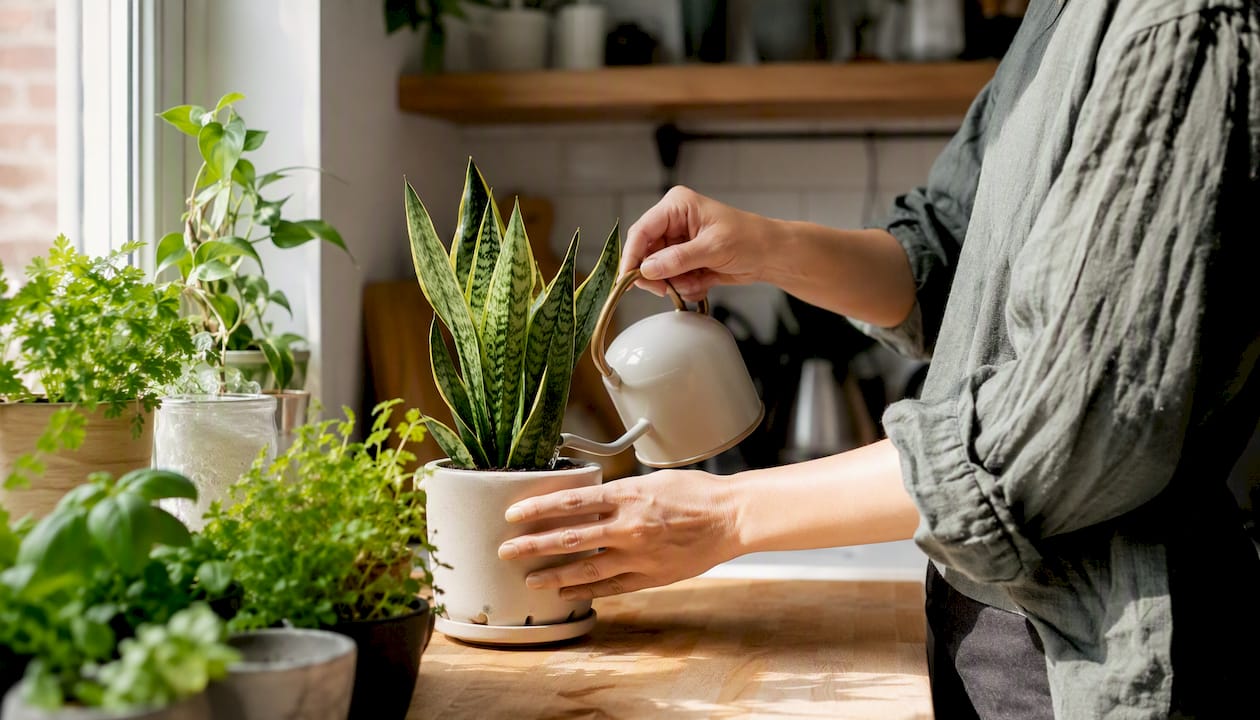
Eight plants reliably survive neglect indoors: snake plant, ZZ plant, pothos, spider plant, aloe vera, jade plant, cast iron plant, and peace lily. The single rule that keeps all of them alive is simple: water only when the top inch of soil is dry, and always use a pot with drainage holes. Before you buy, check two things: how much natural light your room actually gets, and whether you have pets, since several of these species are toxic to cats and dogs.
Pro Tip: The ASPCA’s plant toxicity database is free and searchable by species. Check it before you bring anything home.
Most houseplant deaths come from too much water, not too little. Research consistently shows that over-care, especially frequent watering, kills more houseplants than neglect ever does.
The eight species below are the ones Iowa State University Extension and other university programs consistently recommend for low-maintenance indoor growing. Each entry includes the one care detail that matters most.
| Plant | Best for | Watering interval | Light tolerance | Pet-safe? |
|---|---|---|---|---|
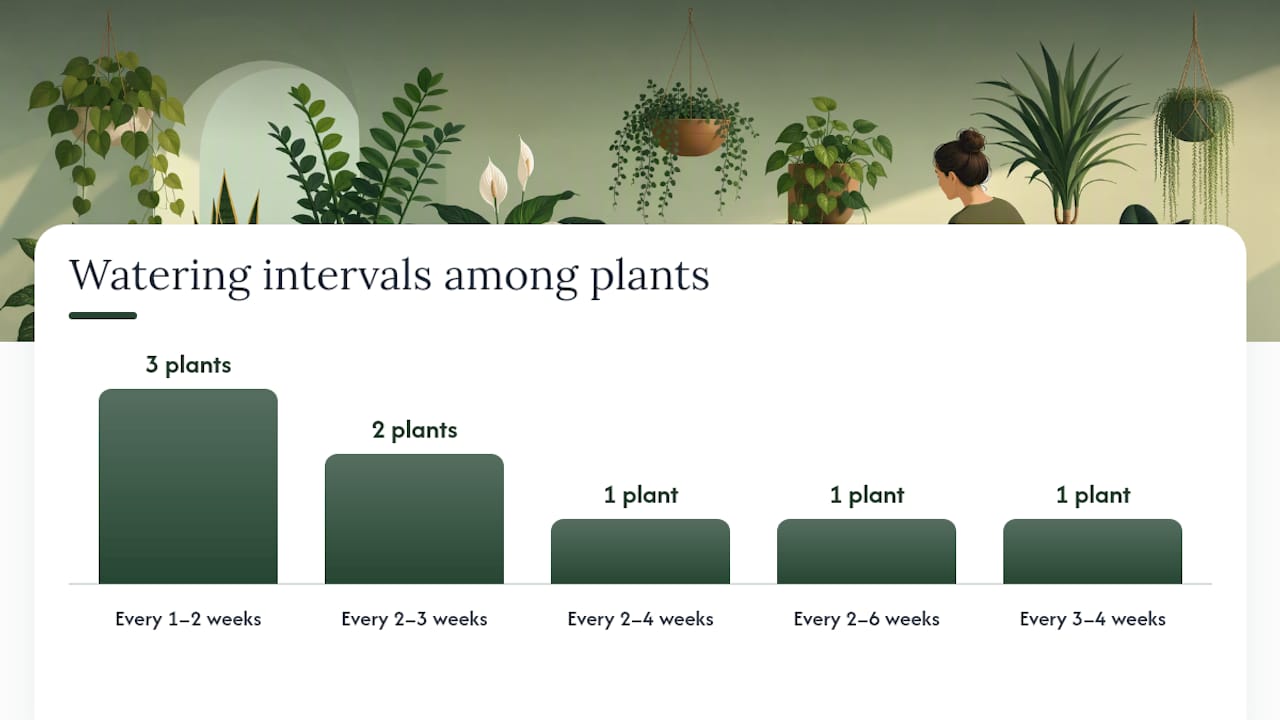
| Snake plant | Forgetful waterers | Every 2–6 weeks | Low to bright indirect | No |
| ZZ plant | Low-light rooms | Every 2–4 weeks | Low to medium indirect | No |
| Pothos | Beginners, shelves | Every 1–2 weeks | Low to medium indirect | No |
| Spider plant | Pet households | Every 1–2 weeks | Low to bright indirect | Yes |
| Aloe vera | Bright windowsills | Every 3–4 weeks | Bright indirect/direct | No |
| Jade plant | Bright rooms | Every 2–3 weeks | Bright indirect/direct | No |
| Cast iron plant | Dark corners | Every 2–3 weeks | Low to deep shade | Yes |
| Peace lily | Low-light spaces | Every 1–2 weeks | Low to medium indirect | No |
The short answer: their bodies are built for drought. Snake plants and aloe store water directly in their thick, fleshy leaves. ZZ plants keep reserves in swollen underground rhizomes. Jade plants hold moisture in their stems and leaves. When you skip a watering, these plants draw on internal reserves rather than immediately wilting.
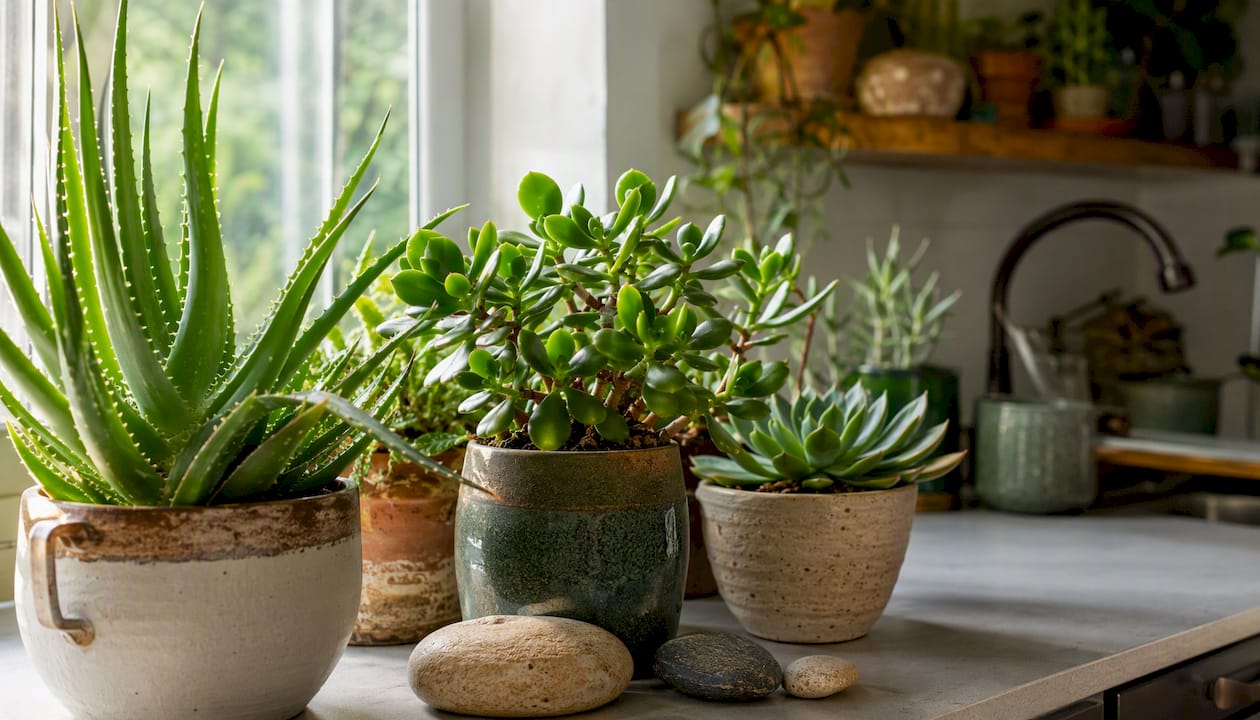
Slow growth plays a role too. A plant that grows slowly transpires less water through its leaves, which means it depletes its soil moisture far more gradually than a fast-growing tropical. That’s why a ZZ plant can sit untouched for weeks and look fine, while a fern in the same room would be crispy in days.
Gardenia’s plant care research confirms this pattern: the most resilient species share water-storage structures, slow growth rates, and a strong preference for well-draining soil.
Pro Tip: If you’re a natural over-carer, choose a ZZ plant or snake plant first. Their storage capacity gives you the widest margin for error.
The finger test beats any schedule. Push your finger about an inch into the soil. If it feels damp, wait. If it feels dry, water thoroughly until it drains from the bottom, then leave it alone. Hardy Houseplant’s guidance for busy growers reinforces this: adapt your intervals seasonally, since plants drink less in winter and more in summer.
Signs you’ve overwatered: yellowing lower leaves, soft or mushy stems, soggy soil that smells sour. If you see these, stop watering immediately, check the roots, and trim any black or brown rotted sections before repotting into fresh, dry mix.
A well-draining mix prevents the most common failure mode. A reliable recipe: roughly half peat moss or coir-based potting mix, a quarter perlite, and a quarter coarse sand. This keeps roots aerated and prevents water from pooling. For a ready-made option, Sprout-lab’s tailored soil mixes are formulated for exactly this kind of drainage-first growing.
Every pot needs a drainage hole. No exceptions. A beautiful pot with no drainage is a slow death sentence for even the toughest plant.
“Low light” means a few feet from a window with indirect light, not a windowless hallway. Even the most shade-tolerant species need some natural light to stay healthy long-term. Rotate pots a quarter turn every few weeks so all sides get even exposure. In genuinely dim apartments, a basic LED grow light run for 10–12 hours a day solves the problem without much fuss.
Feed neglect-tolerant plants once a month during spring and summer with a balanced liquid fertilizer at half strength. Skip feeding entirely in fall and winter. That’s it.
Repot when roots start circling the bottom of the pot, pushing out of drainage holes, or when the plant dries out unusually fast after watering. Most of these species actually prefer being slightly root-bound, so there’s no rush. Every 2–3 years is a reasonable baseline.
Pro Tip: A moisture meter costs under $15 and removes all guesswork. It’s the single best tool for anyone who tends to water too often.
| Care task | Frequency | Key sign to act |
|---|---|---|
| Watering | When top inch is dry | Dry finger test or drooping leaves |
| Fertilizing | Monthly (spring/summer only) | New growth slowing in growing season |
| Repotting | Every 2–3 years | Roots escaping drainage holes |
| Rotating | Every 2–4 weeks | Uneven, leaning growth |
Matching the plant to your actual conditions matters more than any “low-maintenance” label. GrowDwell’s beginner plant research stresses honest assessment of your room’s light before buying anything.
| Situation | Best picks | Avoid |
|---|---|---|
| Low-light room (north-facing) | Cast iron plant, ZZ plant, peace lily | Aloe, jade plant |
| Frequent traveler (1–3 weeks away) | Snake plant, ZZ plant, cast iron plant | Pothos, peace lily |
| Pet household | Spider plant, cast iron plant | Snake plant, pothos, aloe |
| Tiny apartment, limited floor space | Aloe (compact), ZZ plant, pothos (hanging) | Large jade, cast iron plant |
For pet households specifically: always verify toxicity with the ASPCA database before purchasing. The list above reflects general guidance, but individual pet sensitivities vary.
The pre-departure routine that works for most busy urbanites: water thoroughly, confirm drainage is clear, pull plants back from heat sources, and set up passive watering if you’ll be gone more than a week.
The most reliable way to keep indoor plants alive with minimal effort is to choose drought-tolerant species, use well-draining soil in pots with drainage holes, and water only when the soil is dry.
| Point | Details |
|---|---|
| Choose the right species | Snake plant, ZZ plant, and cast iron plant tolerate the most neglect and the widest light range. |
| Drainage prevents most failures | Use a peat/coir, perlite, and coarse sand mix; always use pots with drainage holes. |
| Water by feel, not schedule | The finger test beats any fixed watering day; overwatering is the leading cause of houseplant death. |
| Match plant to your conditions | Check light levels and pet safety before buying; low light is not no light. |
| Sprout-lab for hands-off growing | Sprout-lab’s soil mixes and compact hydroponic systems remove the guesswork for busy urban growers. |
The conventional framing around “low-maintenance plants” sets up a quiet trap. People buy a snake plant, feel relieved, and then water it every Sunday out of habit. Six weeks later it’s yellowing. The plant didn’t fail them; the schedule did.
What actually works for busy urbanites is not finding a plant that needs less care. It’s breaking the habit of caring on a timer. Every species on this list is genuinely forgiving, but they all share one intolerance: sitting in wet soil. The moment you stop watering by the calendar and start watering by the soil, your success rate jumps.
There’s also an underrated case for automation that most plant guides skip: it’s not just for frequent travelers. If you’re someone who over-waters when stressed or under-waters when busy, a passive reservoir system removes your own inconsistency from the equation entirely. That’s a more honest reason to consider it than any claim about “hands-free gardening.”
Busy urbanites who want consistent results without daily plant checks have a concrete option: Sprout-lab’s compact hydroponic systems and tailored soil mixes take the two biggest variables out of indoor growing. No more guessing whether the soil is wet, and no more root rot from a pot that doesn’t drain.
Sprout-lab’s automated hydroponic setups fit apartments with limited space and can support up to 56 plants in a compact footprint. The soil mixes are formulated for drainage and aeration, so the most common beginner mistake is already solved before you start. For anyone considering a reservoir system as a first step into hands-off growing, Sprout-lab’s beginner guide walks through setup in plain language. Browse the full range and place an order at sprout-lab.com.
University extension publications are among the most reliable sources for houseplant care because they are written by horticulture faculty, peer-reviewed, and free of commercial bias. The sources below were used throughout this article.
Snake plant and ZZ plant are the top two. Both can go 3–6 weeks between waterings in cooler months, thanks to water-storing leaves and rhizomes respectively.
Yes. Overwatering causes root rot, which kills plants quickly and is hard to reverse. Most neglect-tolerant species recover from drought far more easily than from waterlogged roots.
Spider plant and cast iron plant are non-toxic to pets. Snake plant, ZZ plant, pothos, aloe, jade plant, and peace lily are all toxic to cats and dogs to varying degrees. Always verify with the ASPCA database before buying.
Not long-term. Even the most shade-tolerant species need some light. In a windowless room, a basic LED grow light running 10–12 hours a day is the practical fix.
When you travel frequently, grow edibles, or live in a dim apartment already using grow lights. Sprout-lab’s compact hydroponic systems are designed for exactly this situation, removing the timing variable from watering entirely.