Free shipping for order over $50

Free shipping for order over $50
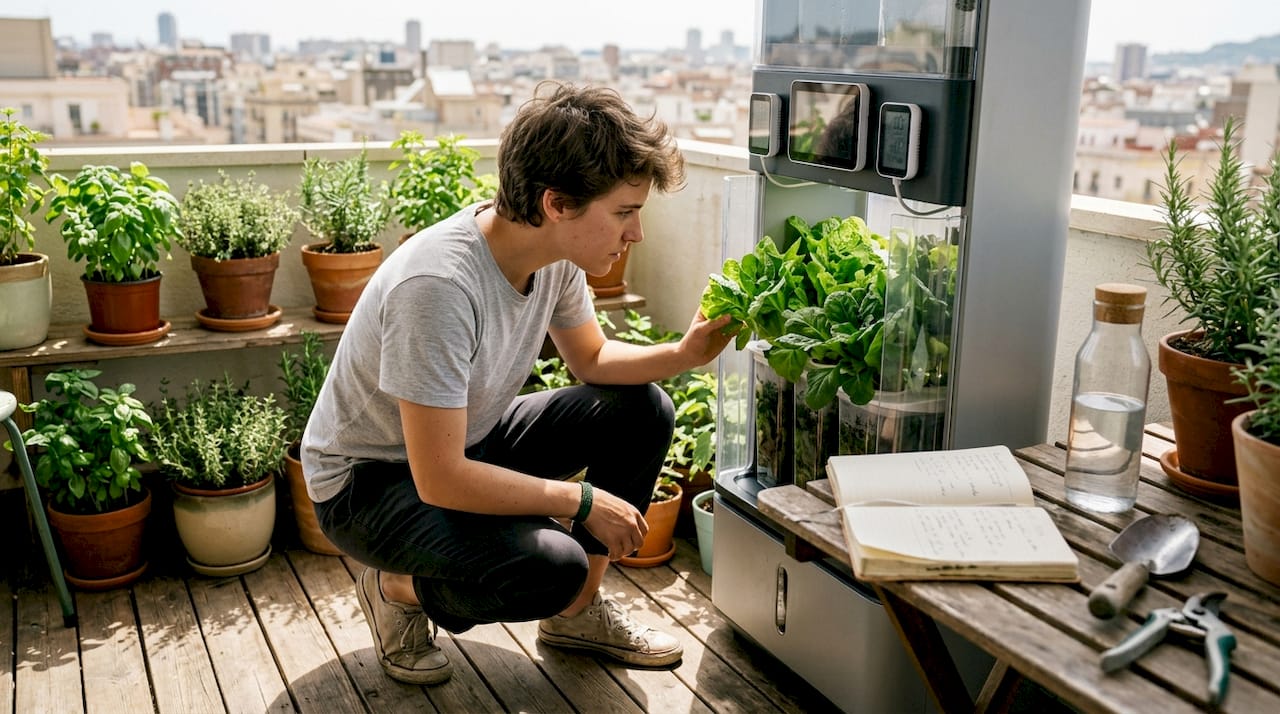
Automated hydroponic setup types are soil-less growing systems that use sensors, timers, and AI controllers to manage nutrients, water, and light with minimal manual effort. Five core systems cover 90% of home and apartment growing needs: Deep Water Culture (DWC), Nutrient Film Technique (NFT), Kratky, Ebb and Flow, and Aeroponics. Each system suits a different combination of crop type, available space, and automation budget. If you grow herbs on a kitchen counter or leafy greens on a balcony, one of these setups fits your situation exactly.
The five systems below represent the full spectrum of home hydroponic growing, from passive and nearly hands-off to fully automated and high-yield. Choosing the right system depends as much on your crop and space as it does on your comfort with technology.
Pro Tip: If you are new to hydroponics, start with Kratky for herbs or DWC for lettuce. Both systems teach you nutrient management without the added complexity of pump failures or misting schedules.
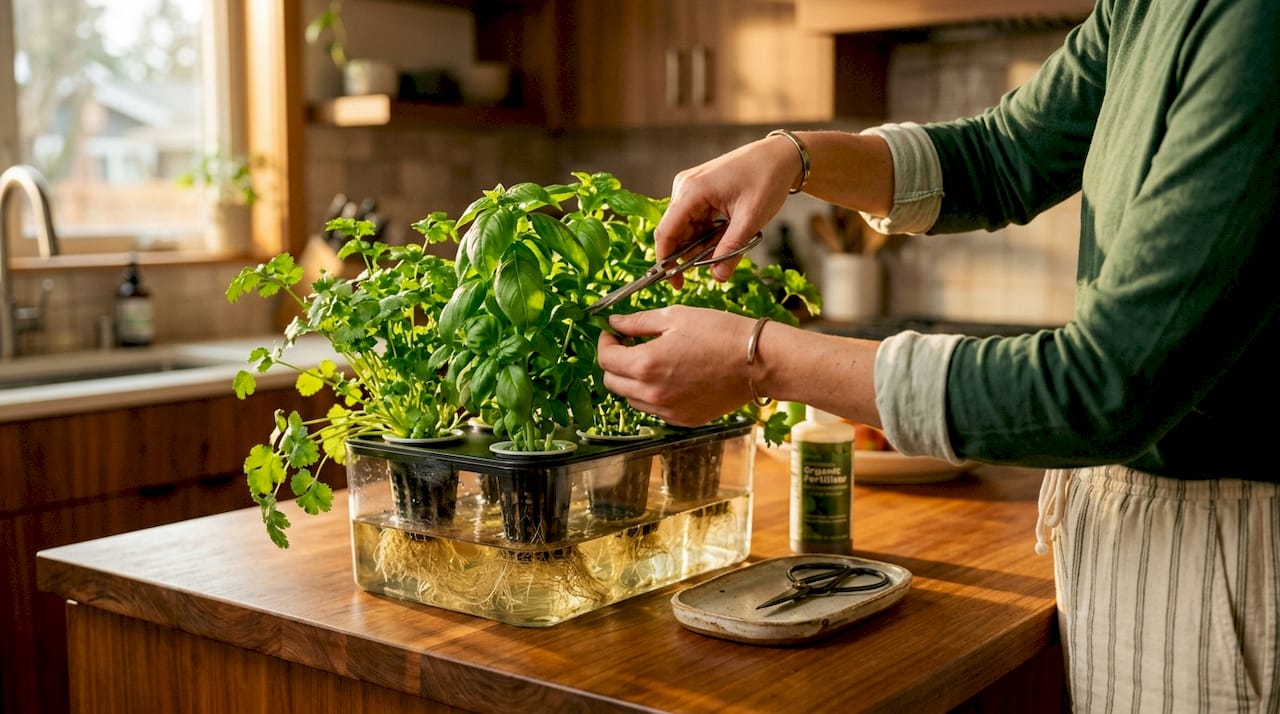
Crop selection is the first decision to make before choosing a system. Leafy greens like lettuce, kale, and spinach grow well in DWC, NFT, and Kratky. Fruiting crops like tomatoes, peppers, and cucumbers need stronger nutrient flow and better oxygenation, which makes Ebb and Flow or drip systems the better fit.
Space matters just as much as crop type. Vertical NFT towers and aeroponic columns let you stack plants vertically and recycle nutrient solution, which is a direct advantage in apartments and small kitchens. Sprout-lab’s modular system, for example, supports up to 56 plants in a compact footprint, making it practical for urban dwellers without outdoor space.
| Crop type | Best system | Space format |
|---|---|---|
| Leafy greens | DWC, NFT, Kratky | Horizontal tray or vertical tower |
| Herbs | Kratky, DWC | Countertop or shelf unit |
| Fruiting plants | Ebb and Flow, drip | Floor-standing cabinet or tent |
| Microgreens | Kratky, shallow tray | Stacked shelf system |
| Root vegetables | Ebb and Flow | Deep tray, floor-level setup |
Hybrid setups combine two system types in one space. A common example pairs a Kratky shelf for herbs with a DWC tub for lettuce below it. This approach maximizes yield per square foot without adding significant cost or complexity.
Pro Tip: Measure your available floor space and ceiling height before buying any system. Vertical towers need at least 5 feet of clearance, and aeroponic columns need stable ambient temperature to prevent root zone overheating.
Automation reduces daily labor, but it does not eliminate maintenance. Sensors require recalibration every 7–14 days to prevent nutrient lockouts caused by sensor drift. A pH probe that reads 0.3 units off can starve plants of iron or calcium within days.
Pump reliability is the single biggest failure point in active systems. NFT and Ebb and Flow setups depend on continuous or timed pump operation. A pump failure in an NFT system can kill a full crop within hours because roots have no reservoir to draw from between cycles. Keep a spare pump on hand and check pump function weekly.
Temperature fluctuations near automated units directly affect dissolved oxygen levels in the nutrient solution. Warmer water holds less oxygen, which leads to root rot. Place your system away from heating vents, direct sunlight, and appliances that generate heat.
Key maintenance tasks for any automated hydroponic setup:
Entry-level automated kits start around $500, while professional commercial vertical farms exceed $50,000. The price gap reflects real differences in automation depth, yield capacity, and system reliability. Understanding where you fall on that spectrum saves you from overspending or underbuilding.
Entry-level kits typically include a basic timer, a single-zone nutrient reservoir, and manual pH testing. They work well for 6–20 plants and suit growers who want to produce herbs and salad greens for a household. These systems require more hands-on attention because they lack real-time sensor feedback.
Mid-range systems in the $1,500–$5,000 range add automated nutrient dosing, EC and pH sensors, and app-based monitoring. Modular, scalable kits at this level let you start with one growing unit and add modules as your needs grow. Sprout-lab’s modular approach fits this category, giving urban growers a path from a small countertop setup to a full wall-mounted system without replacing core components.
Professional systems above $10,000 add AI-driven nutrient management, climate control integration, remote monitoring dashboards, and multi-zone growing environments. These are built for consistent commercial output, not casual home use.
| Feature | Entry-level ($500+) | Mid-range ($1,500–$5,000) | Professional ($10,000+) |
|---|---|---|---|
| Nutrient dosing | Manual | Automated | AI-driven |
| pH/EC monitoring | Manual testing | Real-time sensors | Continuous AI adjustment |
| Remote monitoring | None | App-based | Full dashboard |
| Plant capacity | 6–20 plants | 20–56 plants | 100+ plants |
| Scalability | Fixed | Modular | Multi-zone |
The right level depends on three factors: how many plants you want to grow, how much time you can spend on maintenance, and whether you want to expand later. For most urban growers producing food for a household, a mid-range modular system delivers the best return on investment.
Automated hydroponic setups work best when the system type, crop selection, and available space are matched deliberately rather than chosen by default.
| Point | Details |
|---|---|
| Five systems cover most home needs | DWC, NFT, Kratky, Ebb and Flow, and Aeroponics handle 90% of home growing scenarios. |
| Match system to crop first | Leafy greens suit DWC or Kratky; fruiting crops need Ebb and Flow or drip systems. |
| Automation reduces labor, not all maintenance | Sensors still need recalibration every 7–14 days to prevent nutrient failures. |
| Budget shapes automation depth | Entry kits start at $500 with manual monitoring; mid-range adds real-time sensors and app control. |
| Modular systems suit urban spaces | Scalable setups let you grow 20–56 plants and expand without replacing core equipment. |
Most growers who struggle with hydroponics did not pick a bad system. They picked the right system for the wrong crop, or they bought more automation than they were ready to manage. I’ve seen growers set up aeroponic towers for basil when a $50 Kratky jar would have given them better results with zero maintenance overhead.
Automation genuinely reduces failure rates for beginners who struggle with daily nutrient and pH management. But automation also adds failure points. A sensor that drifts, a dosing pump that clogs, or an app that loses connection can cause more damage than a grower who checks their reservoir manually every morning.
My honest advice: start with the simplest system that grows what you actually want to eat. Master nutrient management on a Kratky or DWC setup before adding sensors and timers. Once you understand what healthy roots look like and how pH swings affect your plants, automation becomes a tool rather than a crutch. Scale up to a modular mid-range system when you are ready to grow more than your household can eat in a week.
— Luna
Sprout-lab builds modular hydroponic systems specifically for urban growers who need reliable food production in limited space. Their systems support up to 56 plants in a compact setup, with sensor integration and app controls that handle the daily monitoring most growers find tedious.
Whether you are setting up your first reservoir hydroponic system or looking for a modular garden system that grows with your ambitions, Sprout-lab’s product line covers both entry-level and mid-range automated setups. With a 4.9/5 star rating from over 25,000 completed orders, their systems have a proven track record with home cooks and apartment growers. Visit Sprout-lab to find the right setup for your space and crop goals.
The Kratky method is the easiest starting point because it requires no pump, no timer, and no electricity. For growers who want basic automation, a DWC setup with a simple air pump and pH meter is the next step up.
Sensors require recalibration every 7–14 days to prevent nutrient lockouts caused by sensor drift. Even fully automated systems need this manual check to stay accurate.
Ebb and Flow and drip systems work best for fruiting crops because they deliver strong nutrient flow and oxygenation that tomatoes, peppers, and cucumbers need to produce fruit reliably.
Entry-level automated kits start around $500, mid-range modular systems run $1,500–$5,000, and professional commercial vertical farms exceed $50,000 depending on AI automation and plant capacity.
Yes. Vertical NFT towers, aeroponic columns, and modular systems like those from Sprout-lab are designed for indoor food growing in apartments, supporting dozens of plants in a few square feet of floor space.