Free shipping for order over $50

Free shipping for order over $50
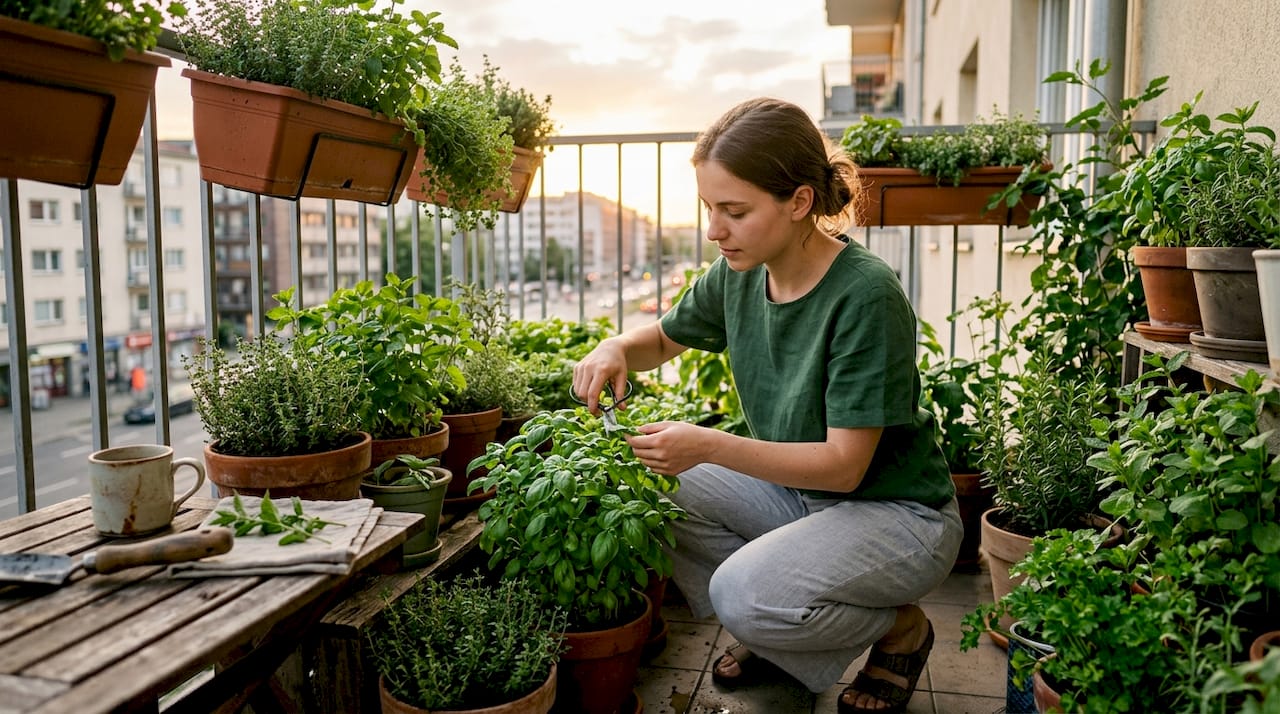
Windowsill food growing is the practice of cultivating edible herbs and vegetables in small containers placed on sunny windowsills, making fresh food accessible without a backyard or balcony. Getting started costs around $42 for five plants, with a 4x return on grocery savings before the first frost. That kind of payoff makes this one of the most practical forms of small space gardening available to urban residents. The key to success is choosing the right plants, providing enough light, and building a simple care routine you can actually stick to.
Windowsill food growing is the recognized practice of container gardening for edible plants placed indoors near natural light sources. Horticulturalists also call it indoor food gardening or kitchen gardening, and the core principles are the same regardless of the label. You grow plants in pots, manage light and water carefully, and harvest regularly to keep production going.
The reason it works for urban residents is simple: you are not trying to replicate a full garden. Growing food indoors is more about careful selection of small-root crops than maximizing volume. A single south-facing windowsill can produce enough fresh basil, chives, and lettuce to meaningfully reduce your grocery bill. The constraint forces focus, and focus produces better results than sprawl.
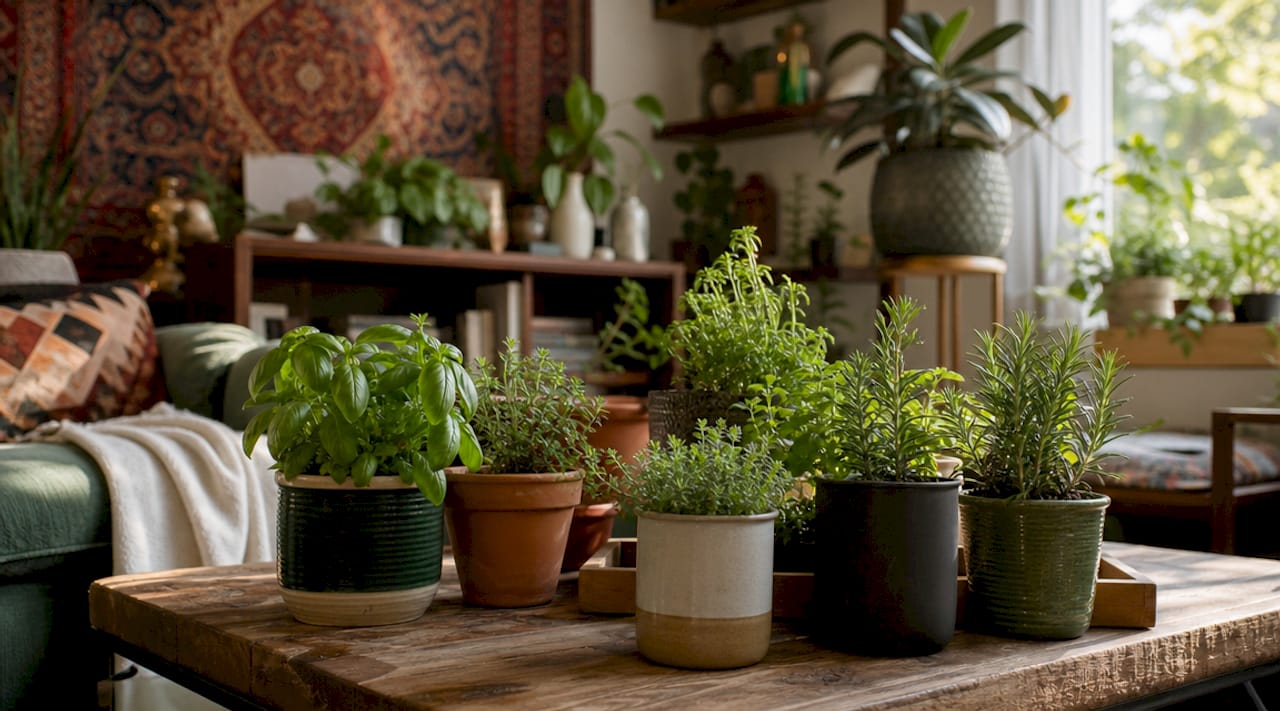
Windowsill gardening also delivers benefits beyond food. Consistent plant care offers grounding mental health benefits, especially for urban residents who lack access to outdoor green spaces. Tending to plants daily creates a small but reliable ritual that reduces stress and builds a sense of accomplishment.
The best windowsill crops share two traits: small root systems and a tolerance for container life. Crops that need deep soil or wide spacing will always underperform indoors, no matter how much care you give them.
Top herbs for windowsill growing:
Leafy greens worth trying:
The cut-and-come-again method applies to most of these crops. Harvest only the outer, mature leaves and leave the center growth intact. The plant continues producing without needing to be replaced, which stretches your initial investment significantly.
Pro Tip: Start with just two or three crops your household actually eats. A thriving pot of basil and a healthy lettuce container will deliver more satisfaction and food than six neglected pots of plants you rarely use.
Light is the single biggest limiting factor for indoor food gardening. Most culinary herbs require at least 6 hours of direct sunlight daily to grow productively. South-facing windows in the Northern Hemisphere deliver the most consistent light year-round. East-facing windows work well for herbs that tolerate partial shade, like chives and parsley.
When natural light falls short, a full-spectrum LED grow light solves the problem affordably. The recommended setup uses a 24-watt LED placed 12–18 inches above the plants, running for 12–14 hours per day. That mimics the intensity and duration of a long summer day, which is exactly what Mediterranean herbs like basil and thyme need to thrive indoors.
The energy cost is negligible. Running a 24-watt grow light costs approximately $0.40 per month at typical electricity rates. That means you can supplement light for an entire windowsill garden for less than the cost of a single bunch of fresh herbs from the grocery store.
Signs your plants are not getting enough light:
If you see any of these signs, move the plant closer to the window or add a grow light within a few days. Plants recover quickly once light improves.
Pro Tip: Put your grow light on a simple plug-in timer set to run from 7:00 AM to 7:00 PM. You get consistent light cycles without thinking about it, and your plants respond with noticeably steadier growth. Check out LED grow light options to find the right wattage for your setup.
Container choice affects watering frequency, root health, and how long your plants stay productive. The wrong pot creates problems that no amount of care can fix.
What to look for in a windowsill container:
Soil quality matters as much as the container. Standard potting mix works for most windowsill herbs, but it needs to drain freely. Dense garden soil compacts in containers and suffocates roots. A mix with perlite or coarse sand added improves drainage without sacrificing moisture retention.
| Container type | Best for | Watering frequency |
|---|---|---|
| Terracotta pot | Mediterranean herbs (thyme, oregano) | Daily in warm weather |
| Plastic pot | Basil, chives, parsley | Every 2–3 days |
| Shallow tray | Lettuce, spinach, microgreens | Every 1–2 days |
| Self-watering pot | All herbs, ideal for busy schedules | Weekly reservoir refill |
Self-watering containers are worth the slightly higher cost for urban residents with unpredictable schedules. They draw water up from a reservoir as the soil dries, which prevents both overwatering and underwatering in a single design. Pair any container with a quality potting mix formulated for edible plants to give roots the best possible start.
Watering is where most windowsill gardens fail. The fix is straightforward: check soil moisture daily by pressing your finger about an inch into the soil. Water when it feels dry at that depth. Do not water on a fixed schedule. Soil dries at different rates depending on temperature, humidity, pot size, and season.
Common care mistakes and how to avoid them:
Harvesting correctly is as important as watering correctly. The cut-and-come-again approach means taking only the outer, mature leaves or stems while leaving the growing tip untouched. For basil, pinch stems just above a leaf node. For lettuce, cut outer leaves at the base. For chives, snip the tops down to about an inch above the soil. Each of these techniques signals the plant to produce more growth rather than redirect energy toward seed production.
Pro Tip: Keep a small notebook or phone note tracking which plants you watered and when. After two weeks, you will know each plant’s natural rhythm and can adjust without guessing. This habit alone prevents most overwatering mistakes. For year-round care strategies, the guide on keeping your indoor garden thriving covers seasonal adjustments in detail.
Windowsill food growing succeeds when you match the right plants to your light conditions, use proper containers with drainage, and harvest consistently using the cut-and-come-again method.
| Point | Details |
|---|---|
| Choose small-root crops | Herbs, lettuce, and leafy greens outperform deep-root vegetables in containers. |
| Light is the limiting factor | Most herbs need 6 hours of direct sunlight or a 24-watt LED running 12–14 hours daily. |
| Drainage prevents failure | Always use pots with drainage holes and check soil moisture daily by touch. |
| Harvest to keep producing | Cut outer leaves only and leave the growing tip intact to extend plant productivity. |
| Adjust care by season | Reduce watering and harvesting in winter when indoor light drops and growth slows. |
The most useful shift I made was stopping the urge to grow everything at once. My first attempt involved seven different herbs crammed onto a single south-facing ledge. Half of them died within a month. Not from neglect, but from competition, inconsistent care, and the simple fact that I did not actually cook with half of what I planted.
What works is ruthless selection. Pick two or three crops you genuinely use in the kitchen, learn their specific needs, and give them proper space. A single thriving pot of basil produces more usable food than four struggling pots of mixed herbs. That sounds obvious, but most beginners ignore it because variety feels productive.
The mental health angle is real, and I did not expect it. Checking on plants each morning became the kind of small, grounding routine that anchors the rest of the day. There is something specific about watching a plant respond to your care that no other household task replicates. For urban residents who spend most of their time in built environments, that connection to a living thing matters more than the food itself.
Start smaller than you think you should. Get one thing growing well before adding another. Imperfect plants that are alive and producing beat a windowsill full of beautiful pots that are quietly dying. The jar garden approach is one of the lowest-barrier ways to begin if you are not sure where to start.
— Luna
Windowsill gardening with soil and pots is a great starting point. When you are ready to grow more food with less daily effort, Sprout-lab’s modular systems take the next step without requiring more space.
Sprout-lab designs hydroponic and container systems specifically for urban growers who want reliable results in compact apartments. Their modular garden systems let you scale from a single windowsill to a full kitchen wall without a backyard or complicated setup. Sprout-lab’s automated hydroponic options handle watering cycles for you, which is a genuine advantage for busy schedules. With a 4.9/5 star rating from over 25,000 completed orders, their products have a track record worth trusting.
Most windowsill herbs are ready for a first harvest in approximately 30 days from seed. Leafy greens like lettuce can be ready even sooner, sometimes within 3 weeks.
The cut-and-come-again method means harvesting only the outer, mature leaves while leaving the plant’s central growing tip intact. This extends the plant’s productive life without replanting.
A grow light is necessary if your windowsill receives fewer than 6 hours of direct sunlight daily. A 24-watt full-spectrum LED placed 12–18 inches above plants and running 12–14 hours per day replicates adequate sunlight conditions.
Mint is an aggressive rooter that crowds out companion herbs in shared containers. Keeping mint separate prevents it from stunting slower-growing herbs like parsley and basil.
Reduce both watering and harvesting frequency in winter because indoor herbs grow slower with reduced natural light. Forcing growth through heavy harvesting or overwatering during this period weakens the plant and often kills it.