Free shipping for order over $50

Free shipping for order over $50
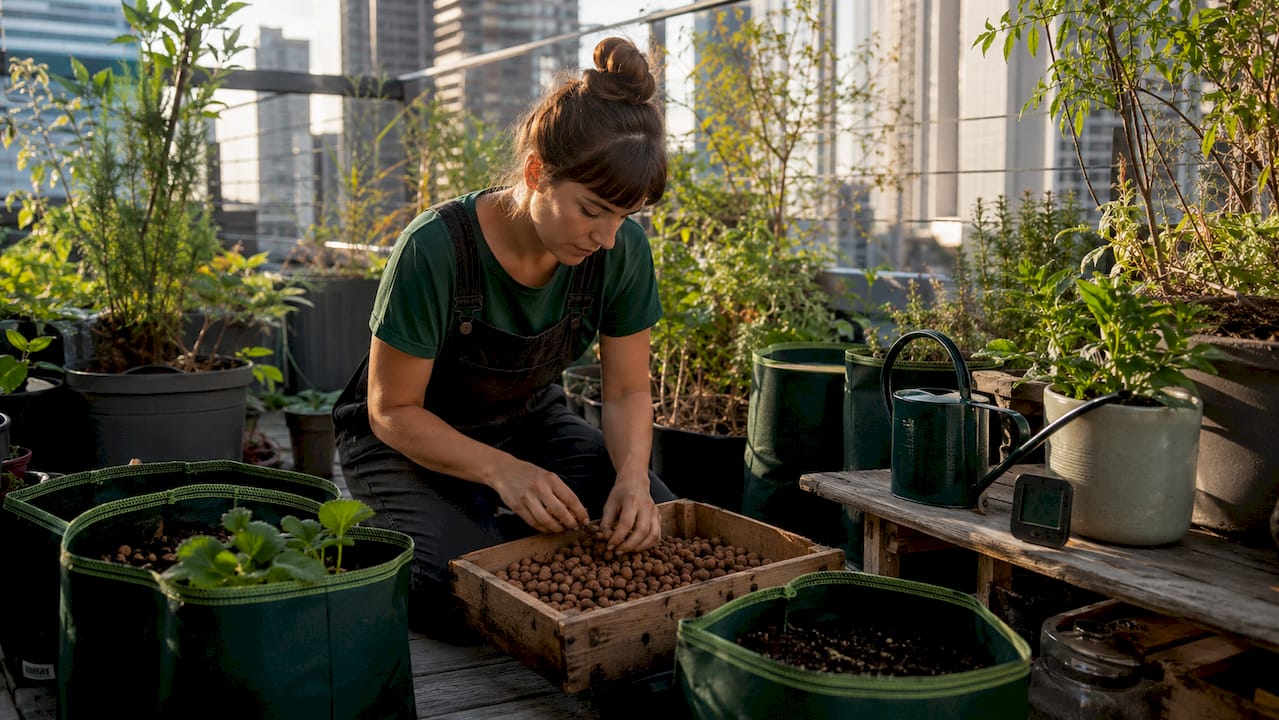
Grow balls are specially designed planting mediums or growing spheres that maximize plant health in small, constrained, or indoor spaces by optimizing root aeration, water retention, and nutrient delivery. The term covers three distinct product categories: expanded clay pellets (sold under names like Hydroton), moss balls, and seed balls. Each solves a different problem for urban growers, but all share one goal: giving roots the best possible environment when square footage is limited. If you are growing on a balcony, windowsill, or in a compact hydroponic setup, choosing the right grow ball type is the single most impactful decision you will make.
Expanded clay pellets are 100% organic, porous clay balls that absorb water and nutrients while allowing oxygen to reach roots continuously. This dual function makes them the go-to medium for hydroponic systems, where soil is absent and root oxygenation depends entirely on the growing medium. Hydroton is the most recognized brand, but generic expanded clay pebbles perform comparably when properly prepared.
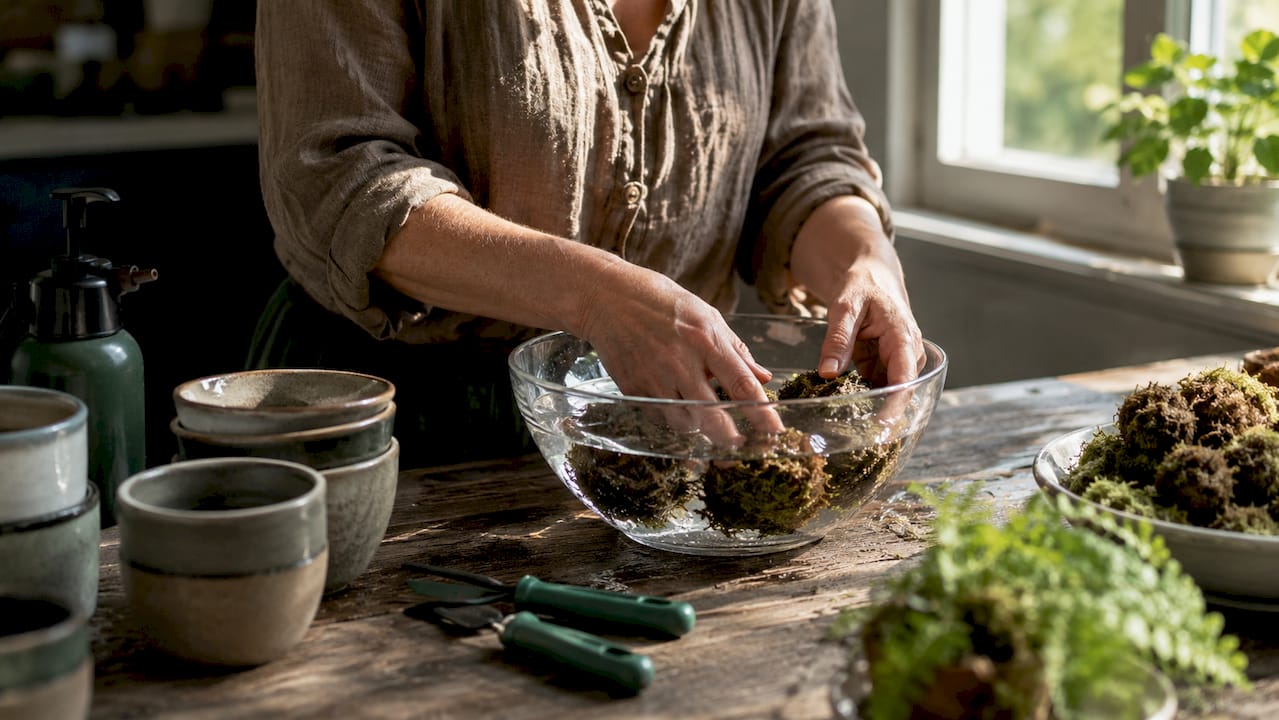
Moss balls serve a different purpose. They maintain constant moisture and create micro-environments that benefit moisture-loving plants like ferns and orchids. In terrariums and small indoor setups, moss balls act as humidity regulators, reducing the frequency of manual watering while keeping roots from drying out between sessions.
Seed balls, sometimes called seed truffles, take a third approach entirely. Non-GMO seed balls encapsulate seeds in a matrix of nutrient-rich soil, clay, and moisture-retaining material. They germinate when watered, making them ideal for beginners who want to skip the seed-starting phase entirely. The protective coating also shields seeds from birds, wind, and surface drying.
| Type | Water retention | Aeration | Reusable | Best for |
|---|---|---|---|---|
| Expanded clay pellets | Moderate | Excellent | Yes | Hydroponics, DWC, NFT systems |
| Moss balls | High | Low to moderate | Yes (with care) | Terrariums, orchids, ferns |
| Seed balls | High (short-term) | Low | No | Direct planting, beginners |
| Custom soil spheres | Variable | Moderate | No | Container gardens, raised beds |
The table makes one pattern clear: no single grow ball type wins across all categories. Expanded clay pellets lead on aeration and reusability. Moss balls lead on moisture retention. Seed balls win on simplicity. Match the type to your plant species and setup before purchasing.
Preparation separates growers who get strong early root development from those who struggle with dry patches and slow germination. Pre-soaking clay pellets before planting saturates the porous structure, increases water availability at the root zone, and reduces the early dryness that stresses seedlings. Skipping this step is the most common beginner mistake.
Follow these steps to prepare expanded clay pellets correctly:
For moss balls, the preparation is simpler. Rehydrate dried moss balls in clean water for 30 minutes before placing them around plant roots. If reusing moss balls from a previous grow, rinse with diluted hydrogen peroxide and dry under sunlight before reintroducing them to your setup. This process extends grow ball lifespan and prevents pathogen buildup between grows.
Pro Tip: Always monitor pH after charging clay pellets with nutrients. Fertilizer solutions can shift pH significantly, and planting into out-of-range media will lock out nutrients before your plant even establishes roots.
Seed balls require no preparation beyond watering. Place them directly on moist soil or a growing tray and water consistently. The clay-and-soil matrix dissolves gradually, releasing the seed into a ready-made nutrient environment. You can also custom blend seed balls with organic fertilizers and specific clay ratios to match your plant species and local climate conditions.
The choice between soil-based and hydroponic grow balls comes down to three factors: how much maintenance you want to do, what plants you are growing, and how much space you have. Hydroponic grow balls facilitate drainage and aeration in ways that soil simply cannot match in a container, which translates directly to faster root development and higher nutrient uptake.
Soil-based grow balls, meaning custom soil spheres or seed balls placed in containers, retain organic matter that feeds plants slowly over time. This suits growers who prefer a lower-tech approach and are growing plants that tolerate variable moisture levels, like herbs, succulents, and leafy greens. The trade-off is that organic matter in soil media can harbor pathogens if overwatered, making drainage management more critical.
| Factor | Soil-based grow balls | Hydroponic clay balls |
|---|---|---|
| Water retention | High | Moderate |
| Nutrient delivery | Slow release | Precise, on-demand |
| Setup complexity | Low | Moderate |
| Root oxygenation | Moderate | Excellent |
| Best plant types | Herbs, succulents, leafy greens | Tomatoes, lettuce, basil, peppers |
| Maintenance frequency | Low to moderate | Moderate to high |
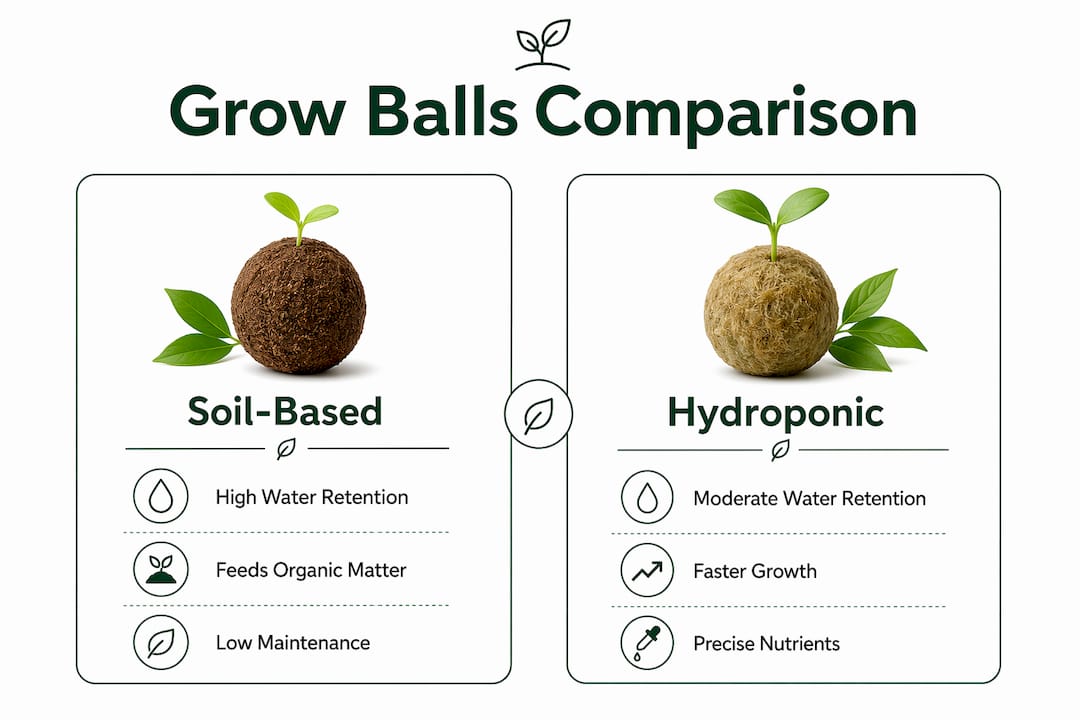
Hydroponic clay balls suit growers who want maximum control and faster harvests. Soil-based options suit growers who want simplicity and lower upfront investment. Neither is universally superior. The right answer depends on what you are growing and how often you can check on your plants.
Pro Tip: If you are new to hydroponics, start with a passive system using clay pellets in net pots. Passive systems require no pumps or electricity, making them far more forgiving while you learn how your plants respond to the medium.
Getting the most from your grow balls in a limited space requires attention to four variables: water, light, spacing, and early problem detection. Miss any one of them and your yield drops regardless of which medium you chose.
Watering is the area where most small-space growers go wrong. Consistent moisture monitoring using a moisture sensor or finger test prevents both overwatering and drought stress. Clay pellets dry faster than soil, so check them daily in warm or low-humidity environments. Liquid fertilizers formulated for your specific plant species outperform general-purpose feeds in hydroponic setups because they deliver precise nutrient ratios without the organic buildup that clogs clay pores.
Lighting matters more than most growers expect. Supplemental LED grow lights combined with maintaining indoor humidity between 40% and 60% measurably improve growth rates in small-space grow ball setups. Position lights 6 to 12 inches above the canopy for seedlings and adjust upward as plants mature. Rotate containers every few days to prevent uneven growth toward the light source.
Here are the most impactful daily and weekly habits for grow ball success:
Vertical growing combined with grow balls in containers is the most space-efficient setup for urban growers. Stacking net pots or using a tower planter with clay pellets can yield significantly more per square foot than a flat container garden.
Pro Tip: Add mycorrhizal fungi directly to your clay pellets during the pre-soak phase. These beneficial fungi form a symbiotic relationship with plant roots, extending their effective reach and dramatically improving phosphorus uptake without extra fertilizer.
Choosing the right grow ball type and preparing it correctly determines plant health and yield more than any other single factor in small-space gardening.
| Point | Details |
|---|---|
| Match type to plant | Clay pellets suit hydroponics; moss balls suit moisture-loving plants; seed balls suit beginners. |
| Always pre-soak clay pellets | Soaking overnight in pH-adjusted water prevents early root dryness and improves nutrient uptake. |
| Hydroponic beats soil for speed | Clay balls deliver superior oxygenation and precise nutrient control compared to soil-based media. |
| Monitor daily in small spaces | Moisture, root color, and light exposure need consistent checks to catch problems before they spread. |
| Reuse requires sterilization | Rinse used grow balls with diluted hydrogen peroxide and sun-dry before reintroducing to any system. |
I spent my first two years of urban gardening convinced that soil was always the safer choice. Clay pellets felt clinical and unforgiving. Then I tried a passive hydroponic setup with Hydroton in a single net pot tower on my apartment balcony, and the difference in root development within the first three weeks changed my thinking completely.
The insight that took longest to arrive was this: grow balls do not replace skill. They reduce the margin for error, but they do not eliminate it. I have seen growers with perfect clay pellet setups lose entire crops to pH drift because they never tested their nutrient solution after charging. The medium is only as good as the attention you bring to it.
What I find genuinely exciting in 2026 is how seed ball technology has matured. The ability to custom blend seed balls with organic fertilizers and climate-specific clay ratios means even complete beginners can get strong germination rates without any technical knowledge. That is a real shift in accessibility for urban food growing.
My honest recommendation: start with expanded clay pellets in a passive hydroponic setup if you have any interest in speed and control. Use moss balls in terrariums or around orchid roots where humidity matters more than drainage. Try seed balls for herbs and wildflowers where you want zero-fuss planting. None of these choices is permanent. Experimenting across all three types in a single season will teach you more than any article can.
— Luna
Sprout-lab designs hydroponic systems and planting mediums specifically for growers who want strong results without a dedicated garden. Their modular setups work directly with expanded clay pellets and support up to 56 plants in a compact footprint, which makes them a practical fit for balconies, kitchens, and small patios.
If you are ready to move from experimenting to producing consistently, the passive hydroponic setup guide walks you through a complete system build using grow balls as the primary medium. For growers who want to start with soil-based options, Sprout-lab’s premium planting mediums include expanded clay pebbles, specialty soil mixes, and everything needed to get your first grow ball system running. Over 25,000 completed orders and a 4.9/5 star rating reflect what happens when the right medium meets the right system.
Grow balls are planting mediums or growing spheres used to support plant roots, retain moisture, and improve aeration in small-space or hydroponic gardens. The three main types are expanded clay pellets, moss balls, and seed balls, each suited to different plant types and setups.
Rinse clay pellets to remove dust, then soak overnight in pH-adjusted water between 5.5 and 6.5. For nutrient charging, add a diluted liquid fertilizer to the soak water during the final two hours before planting.
Expanded clay pellets and moss balls are both reusable. Rinse used pellets with diluted hydrogen peroxide and dry them under sunlight before reintroducing them to a new grow cycle to prevent pathogen buildup.
Hydroponic clay balls deliver superior root oxygenation and more precise nutrient delivery than soil-based media, which translates to faster growth and higher yields in limited spaces. Soil-based options are simpler to manage and better suited to plants that prefer slower, organic nutrient release.
Tomatoes, lettuce, basil, and peppers perform particularly well in expanded clay pellet hydroponic systems because they respond strongly to consistent oxygenation and on-demand nutrient delivery. Moisture-loving plants like ferns and orchids are better matched to moss ball setups.