Free shipping for order over $50

Free shipping for order over $50
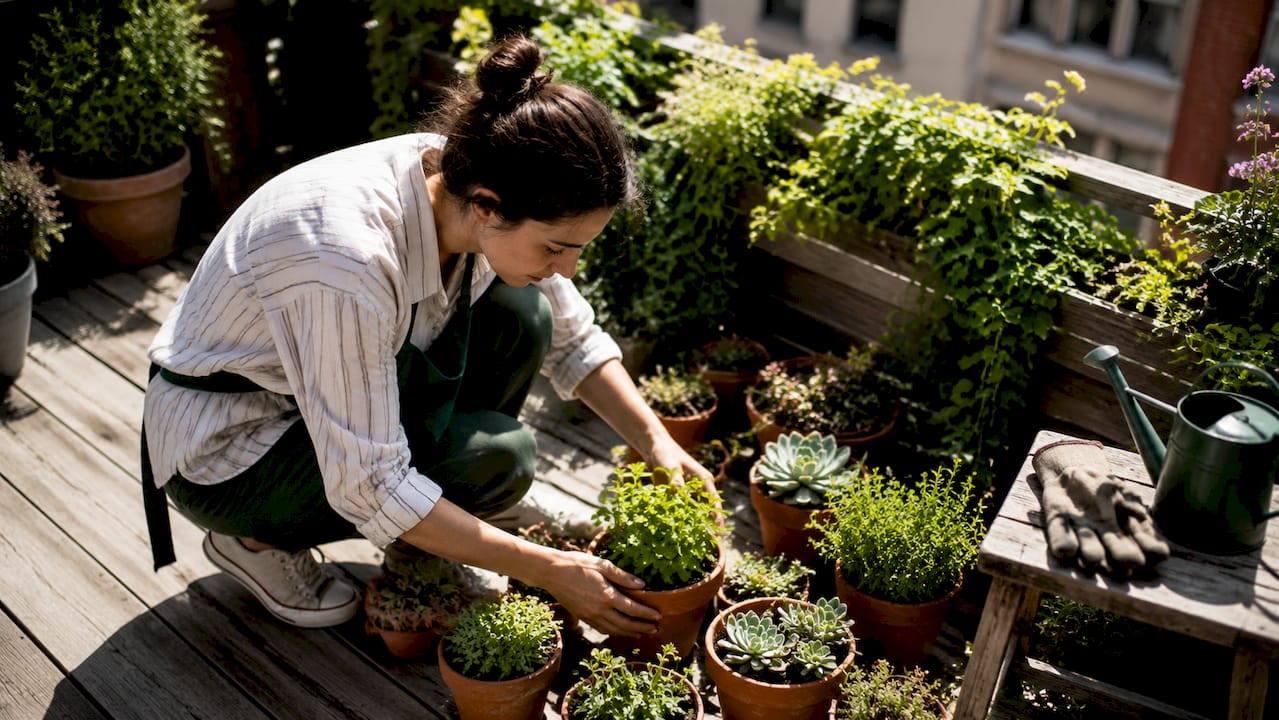
A terracotta garden is defined as an outdoor or balcony growing space where unglazed fired-clay containers and decorative elements serve as the primary planting vessels, combining breathable material science with warm earthy aesthetics. For urban gardeners working with a balcony, patio, or rooftop, terracotta planting pots offer something plastic and fiberglass simply cannot: a living, porous vessel that actively regulates moisture and airflow around plant roots. The material has been used for container gardening for thousands of years, and modern urban growers are rediscovering why it works so well in tight spaces. This guide covers everything from pot selection and terracotta garden design to maintenance and plant pairing, so you can build a setup that looks great and grows even better.
Terracotta’s porosity regulates airflow directly at the root zone, which is the single most important factor in preventing root rot. Unlike glazed ceramic or plastic containers, unglazed terracotta allows oxygen to pass through the pot wall, creating a drier, more breathable environment that roots actively seek out. This is why succulents, herbs like rosemary and thyme, and Mediterranean vegetables thrive in terracotta far more reliably than in sealed containers.
The porosity that benefits succulents does create one trade-off. Terracotta dries soil faster, requiring you to water moisture-loving plants roughly 20 to 30 percent more frequently than you would in plastic pots. That means basil, ferns, and tropical houseplants need closer monitoring. The fix is simple: group moisture-loving plants together so you can water them on a consistent schedule without overwatering your drought-tolerant neighbors.
One of the most underused techniques in terracotta gardening is the olla method. Burying an unglazed terracotta pot 6 to 12 inches deep in a raised bed or large planter delivers moisture directly to the root zone through passive seepage, cutting surface watering needs by up to 70 percent. This ancient irrigation technology, used across the Middle East and Latin America for centuries, is now being adopted by urban growers managing container gardens on hot rooftops where soil dries out within hours.
Here is what to keep in mind when using terracotta for plant health:
Pro Tip: Soak a new terracotta pot in water for 30 minutes before planting. Dry terracotta pulls moisture from soil immediately, which can stress newly transplanted seedlings before they establish.
Not all terracotta is the same material, and that distinction matters more than most gardeners realize. Frost-proof terracotta from Impruneta, a region in Tuscany, Italy, is fired at extremely high temperatures, creating a dense clay body that resists freeze-thaw cycles and can stay outdoors year-round. Standard terracotta, the kind sold at most garden centers for a few dollars, will crack after one hard frost if left outside. Prices reflect this difference clearly, ranging from around $5 for basic pots to over $200 for artisan frost-proof imported pieces.
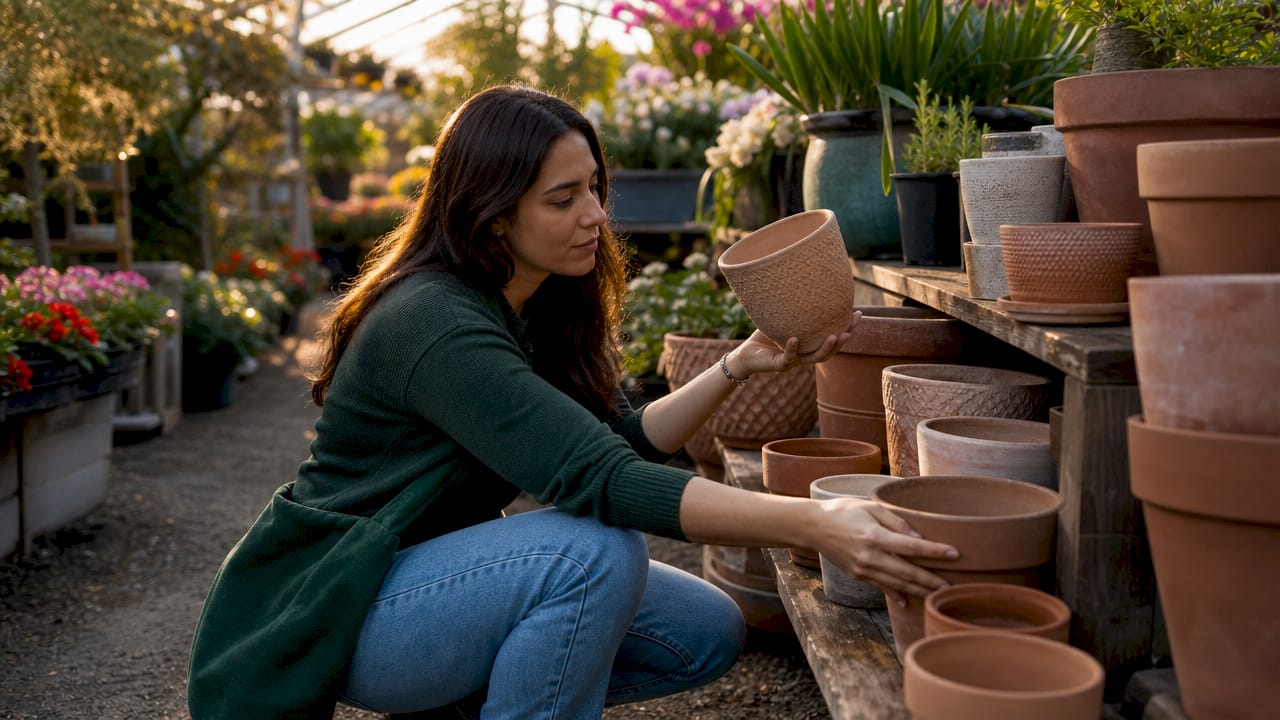
When selecting pots for a small urban space, size and scale matter as much as material quality. A single large terracotta planter creates a stronger visual anchor in a compact balcony than a collection of small pots scattered across the floor. Large pots also retain moisture longer, reducing your watering frequency and giving roots more room to develop. Save the smaller pots for windowsills, shelving, and tiered plant stands where scale is appropriate.

| Feature | Standard terracotta | Frost-proof terracotta |
|---|---|---|
| Price range | $5 to $30 | $50 to $200+ |
| Winter outdoor use | No. Store indoors. | Yes. Stays outside year-round. |
| Firing temperature | Low to medium | Very high (Impruneta standard) |
| Durability | Cracks in freezing temps | Resists freeze-thaw cycles |
| Best for | Indoor plants, mild climates | Year-round outdoor urban gardens |
For terracotta garden decor beyond pots, consider wall-mounted terracotta planters, saucers used as birdbaths, and terracotta tiles as surface accents. Unglazed finishes age beautifully, developing a white mineral patina over time that many gardeners find more attractive than the original surface. Glazed terracotta offers richer color options and retains moisture longer, making it a better choice for moisture-loving plants. For choosing the right container overall, match the finish to the plant’s water needs first, then consider aesthetics.
Terracotta garden design in small spaces works best when you treat the pots as furniture, not just plant holders. A well-placed large terracotta urn near a seating area creates warmth and visual weight the same way a side table does. The earthy orange-red tones of terracotta complement wood decking, stone tiles, and painted concrete walls equally well, making it one of the most versatile materials for urban outdoor spaces.
Vertical arrangements solve the space problem that stops most balcony gardeners. Tiered plant stands, wall-mounted brackets, and stacked terracotta pots on shelving units let you grow 10 to 15 plants in the footprint of a single chair. For balconies specifically, place pots inside railings on stable surfaces rather than on ledges, both for safety and to protect the structure below from water damage. Terracotta is heavy when filled with wet soil, so always check weight limits before loading up a balcony with large pots.
Here are the core design principles for a small-space terracotta setup:
For urban gardeners new to growing plants in small spaces, starting with three pots of different sizes in the same unglazed finish is the fastest way to create a cohesive look without overthinking the design.
Terracotta garden maintenance is straightforward, but it requires consistency. The most common mistake is treating terracotta like a passive container. Terracotta is an active system that interacts with its environment, wicking moisture, exchanging air, and responding to temperature changes. That means you need to check soil moisture more often than you would with plastic pots, especially during summer heat.
Follow these steps to keep your terracotta pots in good condition year after year:
Pro Tip: If you notice white crusty deposits forming on the outside of your terracotta pots, that is mineral salt buildup from tap water and fertilizer. Soak the pot in a bucket of water mixed with white vinegar for an hour, then scrub clean. It will not harm the plant or the pot.
Broken terracotta does not have to go to waste. Shards work as drainage layer material at the bottom of new pots, and reusing broken terracotta pieces as crocking improves drainage in deep containers while reducing the amount of potting mix you need.
A terracotta garden succeeds when you match pot type to plant needs, protect surfaces from moisture, and choose frost-proof material for year-round outdoor use.
| Point | Details |
|---|---|
| Match pot to plant | Use unglazed terracotta for succulents and herbs; monitor moisture-loving plants more closely. |
| Frost-proof matters | Only Impruneta-style high-fired terracotta survives winter outdoors without cracking. |
| Design with scale | One large statement planter creates more visual impact than many small pots in tight spaces. |
| Protect your surfaces | Always use saucers and waterproofing mats under terracotta on balconies and decks. |
| Olla irrigation saves water | Burying an unglazed pot as an olla can cut watering needs by up to 70 percent in raised beds. |
I spent years recommending lightweight plastic containers to urban gardeners because they are easy to move and cheap to replace. Then I watched a client’s rooftop balcony garden transform after she switched entirely to unglazed terracotta. The plants were visibly healthier within one season. The rosemary stopped dying back. The succulents stopped rotting. The basil was the only thing that struggled, and once she started checking it daily instead of every other day, it thrived too.
What I did not expect was the emotional shift. Terracotta ages in a way that makes a garden feel lived-in and permanent. The mineral patina that builds up over years is not a sign of neglect. It is a record of seasons. Clients who invest in quality frost-proof pieces from makers like Seibert-Rice treat them like heirlooms, repotting the same containers for a decade or more. That relationship with a garden object changes how you care for the whole space.
The honest challenge is weight and watering frequency. Terracotta is heavy, and if you are working with a balcony that has strict load limits, you need to plan carefully. And if you travel frequently or forget to water, terracotta will punish moisture-loving plants faster than plastic will. But for anyone who is present with their garden and wants a material that works with biology rather than against it, terracotta is the right choice. It is not a trend. It is just good horticulture.
— Luna
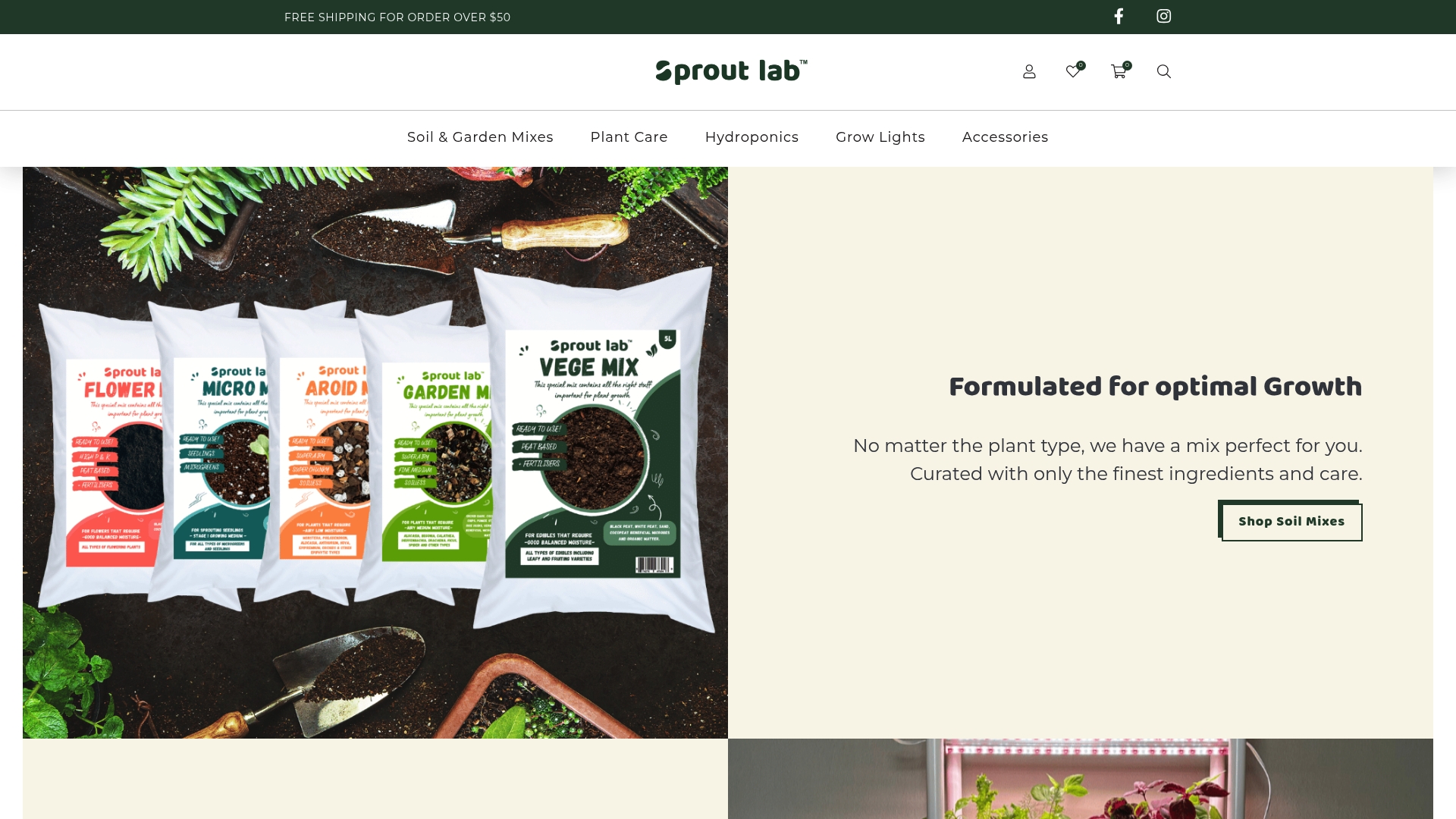
Terracotta pots perform best when paired with the right growing medium. Standard potting mixes often retain too much moisture for terracotta’s fast-drying nature, leading to inconsistent results. Sprout-lab’s premium soil mixes are formulated to work with breathable containers, balancing drainage and nutrient retention so your plants get the right conditions from day one. Whether you are potting herbs on a kitchen windowsill or building a full balcony setup, Sprout-lab also offers practical guidance through its small-space growing guide, covering container selection, plant pairing, and watering schedules tailored for urban gardeners. With a 4.9/5 rating across more than 25,000 orders, Sprout-lab is the resource urban growers trust to get it right the first time.
A terracotta garden uses fired-clay pots and decorative elements as the primary containers for growing plants, valued for their porosity, breathability, and natural aesthetic. The material actively regulates moisture and airflow, making it one of the most functional container choices for urban balconies and patios.
Succulents, cacti, rosemary, thyme, oregano, and other drought-tolerant plants perform best in terracotta because the fast-drying soil prevents root rot. Moisture-loving plants like basil and ferns can grow in terracotta but require more frequent watering, roughly 20 to 30 percent more than in plastic containers.
Standard terracotta must be emptied, cleaned, and stored indoors before the first freeze to prevent cracking. If you want pots that stay outside year-round, invest in frost-proof terracotta fired at high temperatures, such as pieces from Impruneta, Italy, which resist freeze-thaw cycles reliably.
Terracotta wicks moisture through its walls, so soil dries faster than in plastic or glazed ceramic containers. Check soil moisture daily during summer and water when the top inch feels dry. In cooler months, every two to three days is typically sufficient for most plants.
Yes, but place pots on stable surfaces inside the railing rather than on ledges, and always use saucers or waterproofing mats underneath to protect the deck surface from moisture damage. Large terracotta pots filled with wet soil are heavy, so check your balcony’s weight capacity before adding multiple large containers.