Free shipping for order over $50

Free shipping for order over $50
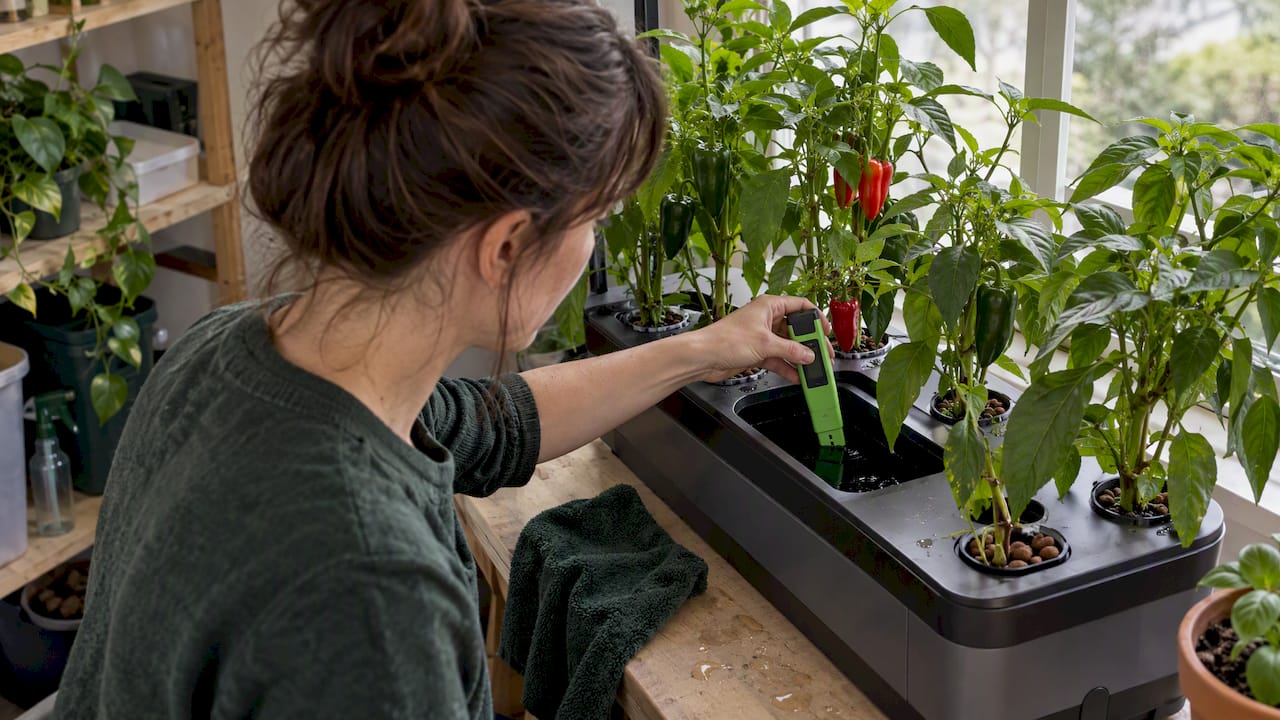
Yes, you can reliably grow peppers hydroponically indoors, and the easiest home-friendly methods are Dutch buckets or DWC for sustained fruiting plants, or Kratky for a low-maintenance single-plant setup. Keep pH between 5.5 and 6.5, run day temperatures near 72 to 73°F and night temperatures near 64 to 65°F, and raise nutrient strength gradually. Pick a system type and a compact pepper variety, and you can start within a week.
TL;DR:
- Hydroponic peppers thrive indoors using Dutch buckets or DWC for multiple plants, or Kratky for single, low-maintenance plants, with system choice depending on plant number and upkeep preference.
- Selecting compact, early-maturing bell or dwarf hot peppers with high fruit set improves indoor success, and matching the cultivar to your nutrient schedule is crucial.
- Maintaining pH between 5.5 and 6.5 and gradually increasing nutrient strength prevents growth stress and blossom end rot, with environment stable week to week being more important than exact numbers.
- A DWC or Dutch bucket system with a few gallons of water per plant simplifies management, while Kratky suits beginners focused on a single plant with minimal equipment.
- Proper pollination, pruning, and support are essential, along with regular checking of pH, EC, and root health, to fix issues quickly and ensure healthy fruit development.
Before you buy anything, decide whether you want one low-fuss plant or several productive ones. That choice drives every part sizing decision below.
Write the date you started on the reservoir. It makes troubleshooting and water-change timing far easier later.

Compact bell pepper cultivars and small hot peppers like certain dwarf chilies handle indoor space limits far better than sprawling heirloom types. Determinate habits stay shorter and need less training, while indeterminate types keep growing and demand more pruning and support.
Look for these traits when picking a cultivar:
A bell pepper cultivar comparison study found that cultivar choice and nutrient solution interact, meaning the variety you pick should match the feeding schedule you plan to run.
Your system choice should follow your plant count and how often you want to check on the setup, not the other way around.
For most first-time growers, a single Dutch bucket or a 5-gallon DWC bucket with a net pot is the simplest path to a full-size harvest. An apartment-friendly Kratky setup is the better starting point if you only want one plant and minimal upkeep.
Pepper seeds germinate most reliably in rockwool cubes or a Rapid Rooter plug kept near 80°F, typically sprouting within 7 to 14 days.
Pro Tip: Transplant on a cloudy day or under dimmer light for the first 24 hours to reduce transplant shock.
A seed-starting guide built for small spaces walks through timing details if you want a tighter schedule for indoor conditions.
Peppers are sensitive to nutrient concentration swings. A hydroponic nutrient stress study found that both very high and very low EC reduced plant height, stem diameter, and photosynthetic rate in sweet pepper seedlings, so raising feed strength gradually matters more than hitting a specific number fast.
EC extremes measurably suppress pepper growth and photosynthesis, according to controlled hydroponic trials, which is why gradual increases beat aggressive feeding.
A pH testing and adjustment guide and a balanced nutrient solution reference cover feeding schedules in more detail if you want a fixed routine to follow.
Give pepper plants 14 to 16 hours of light daily from an LED fixture positioned close enough to keep the canopy bright without scorching the top leaves.
Pro Tip: A gentle oscillating fan pointed near, not directly at, the canopy improves pollination and cuts fungal risk at the same time.
Indoor peppers have no bees, so flowers need help. Gently brush open blossoms with a soft artist’s brush every day or two, or tap the stem to shake pollen loose, once flowers open fully.
When something looks wrong, work through causes in order rather than guessing.
Blossom end rot shows up as a dark, sunken patch on the fruit’s bottom and usually traces back to inconsistent calcium availability tied to unstable EC rather than a simple calcium shortage, so stabilizing your feed matters more than adding extra calcium alone.
Harvest bell peppers once they reach full color and firm up under gentle pressure; picking regularly encourages the plant to keep setting new fruit. Hot peppers often show readiness through deepening color and a slight gloss.
Space and nutrient consistency are the two things that trip up most beginners, which is exactly where a compact modular system helps. We build hydroponic systems that fit many plants in a small footprint, so a few pepper plants share space with herbs or greens without crowding a windowsill.
Our curated soil and nutrient mixes take the guesswork out of early feeding decisions, and our compact growing systems are built for exactly this kind of small-space fruiting crop.

Chasing perfect pH and EC numbers matters less than keeping your environment stable week to week. A pepper plant tolerates small swings far better than constant inconsistency in light, temperature, or feed strength.
Expect a modest but satisfying harvest in your first season, not a market-scale crop. Focus on one or two plants, get the routine right, and build from there.
— Irwin Lee
Once you know your system and variety, the fastest way to start is with parts built to work together. We offer hydroponic systems, grow lights, and nutrient solutions designed to pair, helping avoid separate trial and error.
Browse our hydroponic systems and supplies to put together a setup sized for your space, or start from our main product range if you want to compare kits before you commit.
Yes, bell peppers grow well hydroponically, and research on bell pepper cultivars in nutrient film technique systems shows yield and fruit quality differ by cultivar and nutrient solution. Choosing a cultivar suited to indoor space and matching it to a tailored feed schedule gives the most consistent results.
Large root vegetables like potatoes and carrots, deep-rooted perennials, and sprawling vine crops that need extensive soil anchoring generally struggle in standard home hydroponic setups. These plants either need more root volume than most home reservoirs provide or grow too large for compact indoor systems.
Profitability depends heavily on local market prices, growing scale, and labor costs, so there is no single universal answer. Leafy greens and herbs are commonly grown for faster turnover, while fruiting crops like peppers and tomatoes often command higher per-unit prices but take longer to mature.
You can transplant an outdoor pepper plant into a container or hydroponic setup, though the shift in light, root environment, and watering often causes some shock and leaf drop. Success improves if you trim the plant back, wash soil carefully from the roots, and ease it into a diluted nutrient solution rather than full strength right away.