Free shipping for order over $50

Free shipping for order over $50
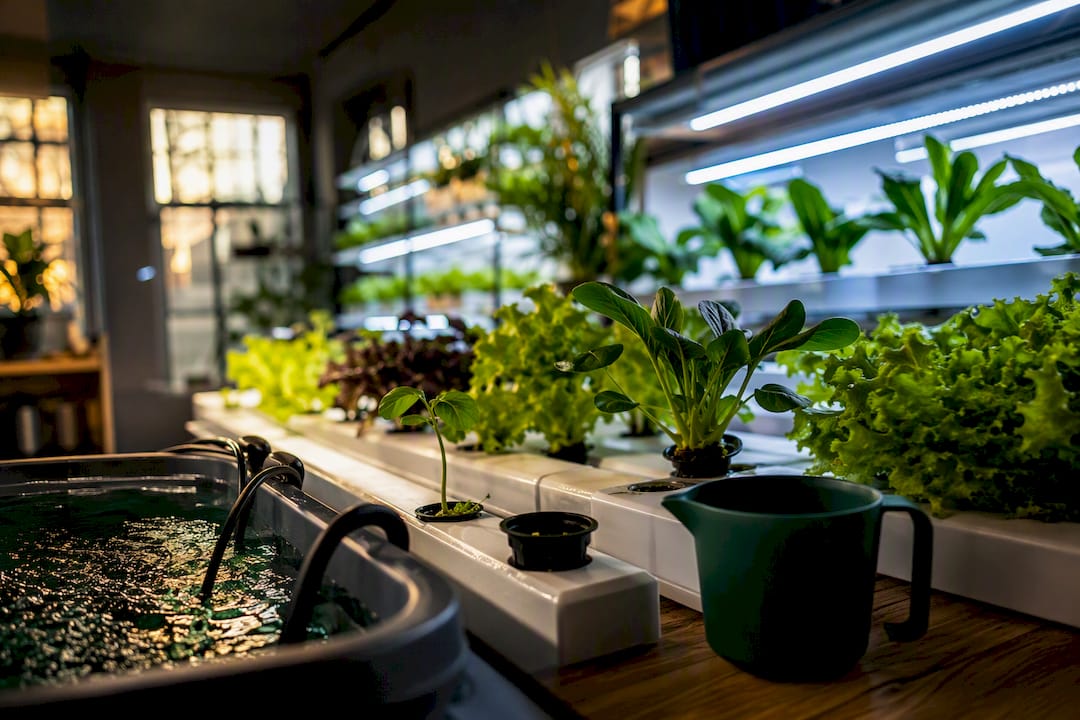
A passive hobby setup runs $30 to $210, a serious home system lands between $150 and $1,200, small commercial builds cost $2,000 to $40,000, and turnkey container farms start around $40,000 and climb well past $100,000. Lighting and climate control drive most of the ongoing spend at every scale. Pick your tier first, then use a cost calculator to model your specific crop and wattage before you buy anything.
TL;DR:
- A basic hobby setup can cost under $65, while small commercial systems start around $2,000 and can exceed $40,000, depending on automation and climate control.
- Monthly operating costs mainly stem from electricity, with a typical small system costing about $28 to $50, but full costs including parts can reach $500 to $700 annually.
- Upgrading lighting offers the best long-term savings, whereas climate control and automation significantly increase initial expenses but improve crop safety and ease of maintenance.
- Costs vary seasonally due to climate effects, with humid regions and summer heat raising electricity bills for dehumidification and cooling equipment.
- DIY systems can save up to 50% compared to ready-made kits at hobby and home scale, provided the initial focus remains on lighting, oxygenation, reservoir, and pH control.
The hydroponic system cost you land on depends almost entirely on how much automation and climate control you’re buying, not the plumbing itself. Four tiers cover nearly every buyer.
Passive hobby (Kratky or wick systems): No pumps, no electricity beyond a small grow light. A basic build costs under $50 if you’re reusing containers, or up to $65 with new mason jars, net pots, and a starter nutrient bottle.
Serious home (DWC or NFT with grow lights): This is where most first-time buyers land. A proper deep water culture setup with an air pump, air stone, and a decent LED typically runs $150 to $400, though multi-site automated versions can push past $1,000.
Small commercial (racks, climate control, multiple grow lights): Once you’re growing for sale or supplying a restaurant, you’re buying vertical racking, dedicated ventilation, and often a dehumidifier. Costs here span $2,000 to well over $40,000 depending on automation level.
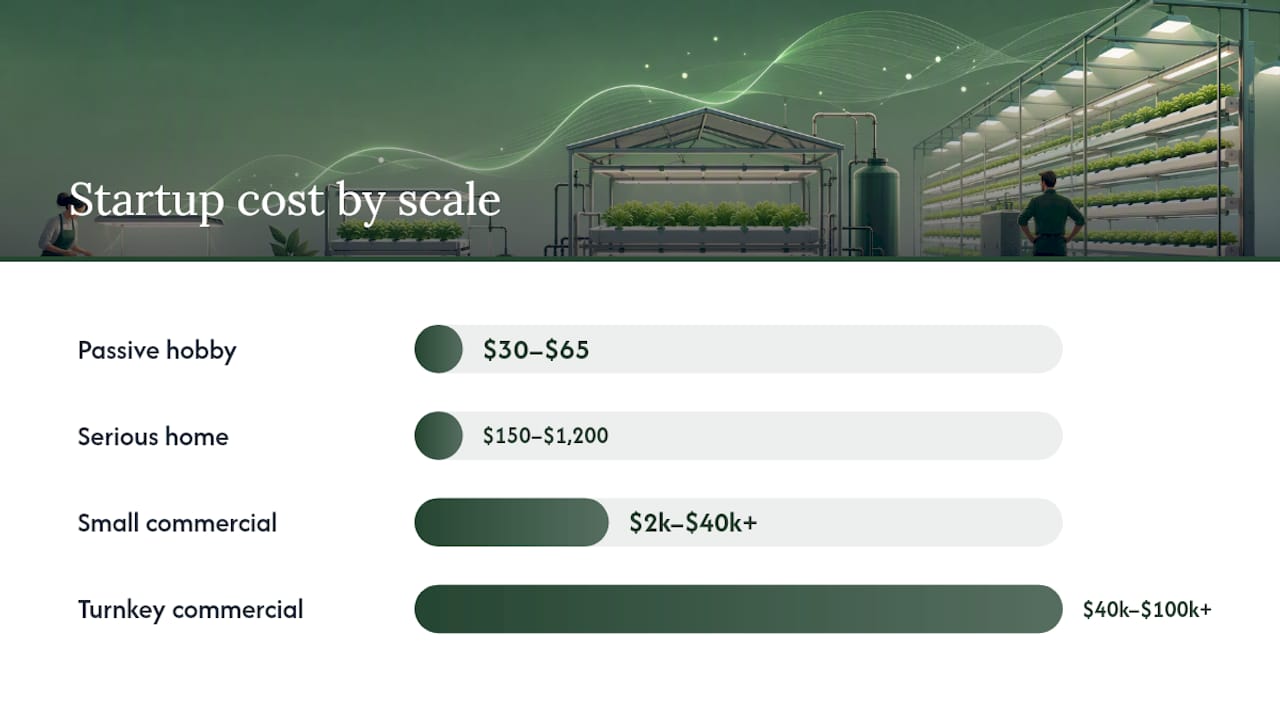
Turnkey commercial (container or prefab farms): Fully automated shipping-container farms or prefab greenhouse units with climate control included. These start under several thousand dollars for the smallest prefab kits but can exceed one hundred thousand dollars for full container farms with integrated dosing and lighting systems.
Here’s what a real itemized starter build looks like for a 6-plant DWC setup, based on typical retail pricing:
| Scale tier | Typical startup range | Main components |
|---|---|---|
| Passive hobby | $30 to $65 | Containers, net pots, basic nutrients |
| Serious home (DWC/NFT) | $150 to $1,200 | Pump, air stone, LED, reservoir, sensors |
| Small commercial | $2,000 to $40,000+ | Racking, climate control, multiple lights |
| Turnkey commercial | $40,000 to $100,000+ | Container shell, automated dosing, HVAC |
A reservoir-style DWC system sits squarely in the serious home tier and is where most beginners get the best return on their first purchase.
Electricity is usually the single biggest recurring line item, and you can calculate it yourself with one formula: watts × hours per day × days in the month × your rate per kilowatt hour, divided by 1,000.
For example, running a 40 watt LED for 16 hours a day at fifteen cents per kWh results in roughly three dollars a month for lighting alone. Adding a continuously running small air pump might add another dollar or two. One published example tracked a 6 tower setup with $350 in startup equipment and $28 a month in total operating costs, covering electricity, nutrients, and top-off water combined.
Beyond electricity, budget for these recurring costs:
Statistic: Calculators that model hidden annual costs, including climate control and part replacement, commonly add several hundred dollars a year on top of the obvious monthly bills, so a $28/month estimate can easily land closer to $500 to $700 for the full year once you count everything.
Payback depends heavily on what you grow. That MistCulture snapshot showed a 6.2 month payback on a small tower system growing leafy greens for regular household use. Fast-cycling crops like lettuce, basil, and microgreens shorten payback because you harvest every few weeks. Fruiting crops like tomatoes stretch it out, since they take longer to produce anything you can eat or sell.
Four decisions move your budget more than anything else, and they scale very differently depending on whether you’re building a windowsill setup or a small farm.
Lighting quality. Full-spectrum LEDs cost more upfront than basic fluorescent tubes or older HID fixtures, but they typically cut long-term electricity costs enough to pay for the difference within a season or two. Cheap lighting is the false economy of hydroponics.
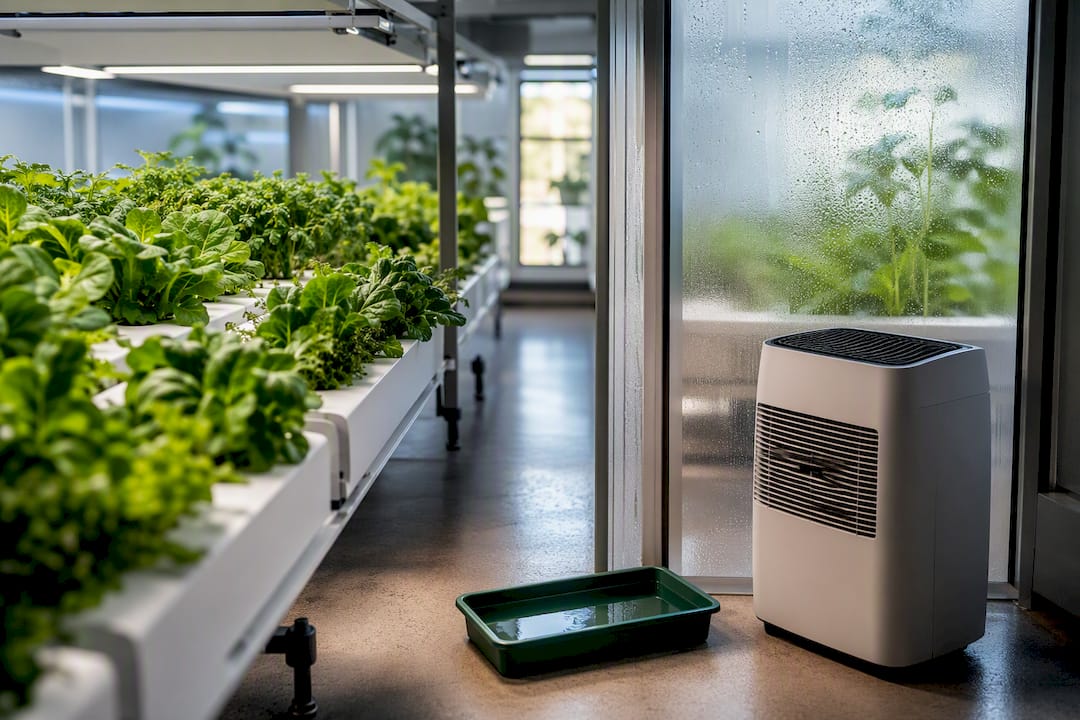
Climate control. Humidity-sensitive crops and warm-climate growers need dehumidifiers, exhaust fans, or small AC units. This is often the line item that separates a $400 home setup from a $2,000 one.
Automation. Dosing pumps and sensor arrays reduce labor and prevent the nutrient-lockout mistakes that kill plants, but they add real upfront cost. For a handful of plants, manual dosing is fine. Past a couple dozen plants, automation starts paying for itself in saved time and fewer crop losses.
The shell. A grow tent runs $50 to $200. A greenhouse addition runs into the thousands. A repurposed shipping container runs tens of thousands before you’ve installed a single light.
Pro Tip: Buy your lighting and a decent pH/EC meter before you buy anything automated. A grower with reliable light and accurate meters can fix problems by hand; a grower with fancy sensors and bad lighting is stuck no matter how much data they collect.
At the hobby and home scale, DIY builds typically cost 30% to 50% less than an equivalent ready-made kit, mostly because you’re buying containers and hardware store parts instead of a packaged product with support and a warranty. A DIY Kratky bucket costs $40 to $65; a comparable countertop kit runs $100 to $300. At medium scale the gap narrows, since racking, wiring, and climate equipment cost roughly the same whether you assemble it yourself or buy it assembled.
Here’s the order most beginners should buy in, regardless of DIY or kit:
A kit earns its higher price when you want a tested support line and a warranty on pumps and lights, which matters more if you’ve never grown anything before. For early testing, a simple DIY build using a plastic tote and a $15 aquarium air pump tells you whether you’ll stick with hydroponics before you spend real money on a packaged system.
Overbuying capacity is the most common budgeting mistake. Size your system to what you’ll actually eat or sell, not to the biggest rack you can fit in the room. A 6-plant system that runs consistently beats a 24-plant system that’s half-empty because you overestimated demand.
A few tactics cut real money without hurting yield:
Pro Tip: *Track your actual monthly electricity and nutrient spend for one full grow cycle before you plan a scale-up.
Modular hydroponic systems are available that scale from a handful of plants up to 56 in a single compact footprint, which aligns with the serious home and small commercial tiers described above. Customer feedback for these types of products often includes high ratings and reports of fast germination when switching from soil. If your budget points toward the small commercial tier, or you’re not sure which configuration fits your space, reaching out for a custom quote beats guessing.
Yes, and the swing can be significant depending on where you live and grow. Summer heat forces indoor growers to run exhaust fans, small AC units, or dehumidifiers longer, which stacks directly onto your electricity bill on top of lighting costs. Winter brings the opposite problem in cold climates: heat mats and space heaters to keep reservoir temperatures in the range roots need, typically 65 to 75°F.
Growers in humid regions face a near year-round dehumidification cost that drier climates skip entirely. That’s a real operating expense difference between, say, a grower in a dry inland climate and one in a coastal humid region, even with identical hardware.
Daylight hours matter too, though less than most people expect. Since most indoor hydroponic systems run on supplemental LED lighting regardless of season, your light schedule usually stays fixed year round. The bigger seasonal cost swing comes from heating and cooling the grow space itself, not from adjusting the lights.
A grower who budgets only for a comfortable spring month will be caught off guard by the July electric bill.
I started with a 12-plant DWC build: $340 in hardware, a mid-range LED, and a small backup battery for the air pump after a power outage nearly cost me a full tray of seedlings. My mistake was skimping on the air pump; the cheap one failed at month three. My unexpected saving came from reusing net pots across three grow cycles instead of replacing them.
— Luna
Sprout-lab’s modular systems let you start small and expand without buying a whole new setup later, which is the real cost advantage over building your own rack-by-rack as your needs grow. The reservoir hydroponic system fits the serious home tier if you’re growing herbs and leafy greens for one household, while the automated setups built for urban growers suit anyone scaling toward small commercial volume or just tired of manual dosing.
If you’re not sure which configuration matches your space and plant count, browse the compact growing systems built for urban gardeners or request a custom quote directly from Sprout-lab before you commit to a tier.
For a quick home pilot budget, the Hydroponic Startup Cost Calculator works well. For payback modeling on a specific crop, the Hydroponic Cost & ROI Calculator lets you swap wattage and hours to see how payback shifts.
For fast-cycling crops like lettuce and herbs, yes. A small home system often pays back within six to seven months, and the ongoing cost stays low once you’ve covered the startup hardware.
The biggest drawbacks are the upfront hardware cost, dependence on electricity, vulnerability to pump or power failures, the learning curve around pH and nutrient balance, and limited crop variety compared to soil growing.
A small home system with a 40 watt LED and a basic air pump typically costs $20 to $100 a month to run, with lighting accounting for most of that. Commercial operations with multiple grow lights and climate control see meaningfully higher energy costs per square foot.
For fast-growing greens, often yes, once your hardware is paid off. Lettuce and herbs grown at home can cost pennies per harvest in nutrients and electricity, though it takes several grow cycles to fully offset your initial hydroponic system cost.