Free shipping for order over $50

Free shipping for order over $50
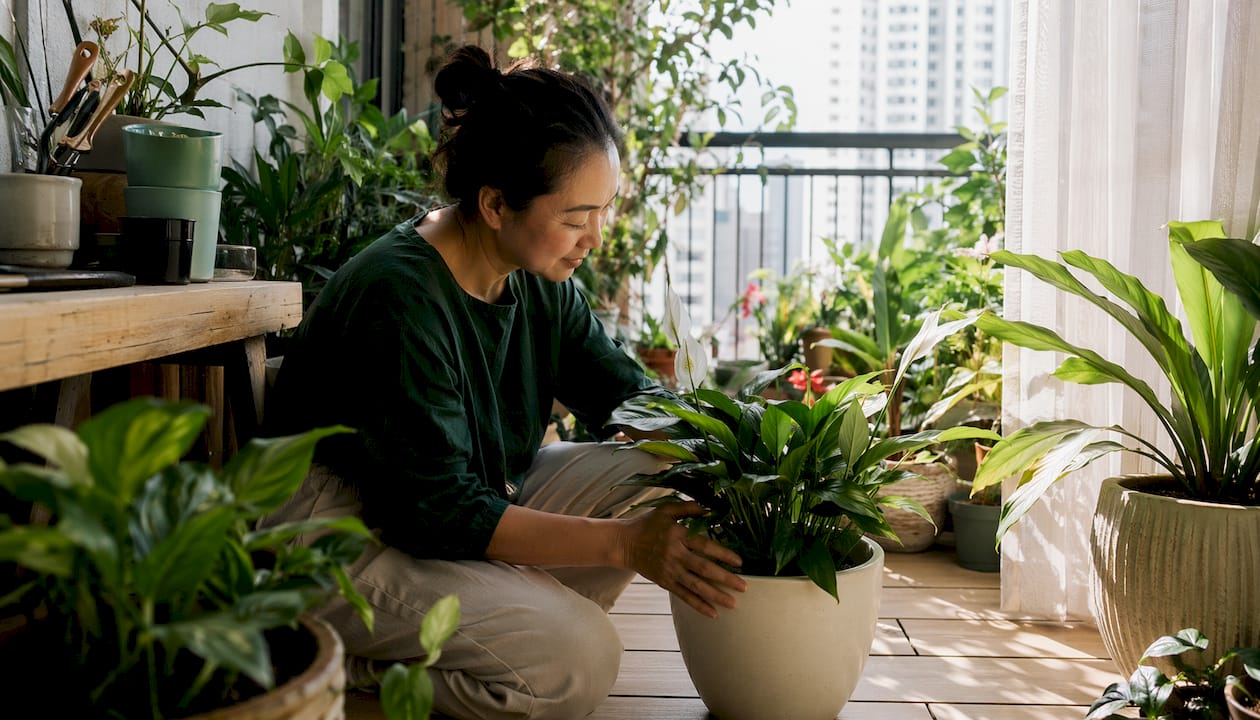
Morning sunlight is the most beneficial natural light source for plants in Singapore, delivering enough energy for photosynthesis while keeping heat stress low. The role of morning sunlight for Singapore plants is especially significant given the country’s equatorial position, where afternoon UV radiation reaches intensities that scorch leaves and stress root systems. East-facing windows provide the ideal “bright indirect” to “gentle direct” light that most houseplants and edible herbs need. Understanding how Singapore’s climate shapes light quality helps you place every plant where it will actually thrive, not just survive.
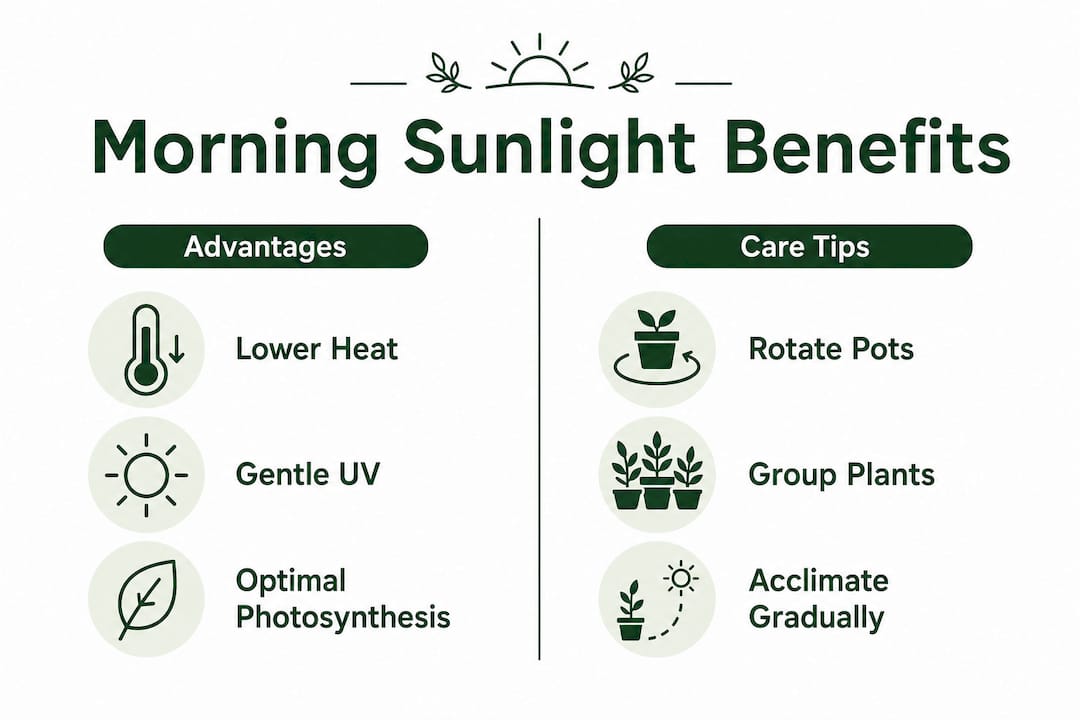
Morning sunlight delivers lower heat and UV intensity than afternoon sun. That difference is not subtle. Singapore’s equatorial sun carries significantly higher UV radiation than temperate cities, so what a European gardening guide calls “full sun” often translates to leaf burn here. A plant rated for full sun in London may need morning-only exposure in Singapore to stay healthy.
The photosynthesis process runs most efficiently in the cooler, gentler light of early morning. Stomata, the tiny pores plants use to absorb carbon dioxide, open widest when temperatures are moderate. By midday in Singapore, heat forces many plants to partially close their stomata as a defense response, which slows growth even when light is abundant.
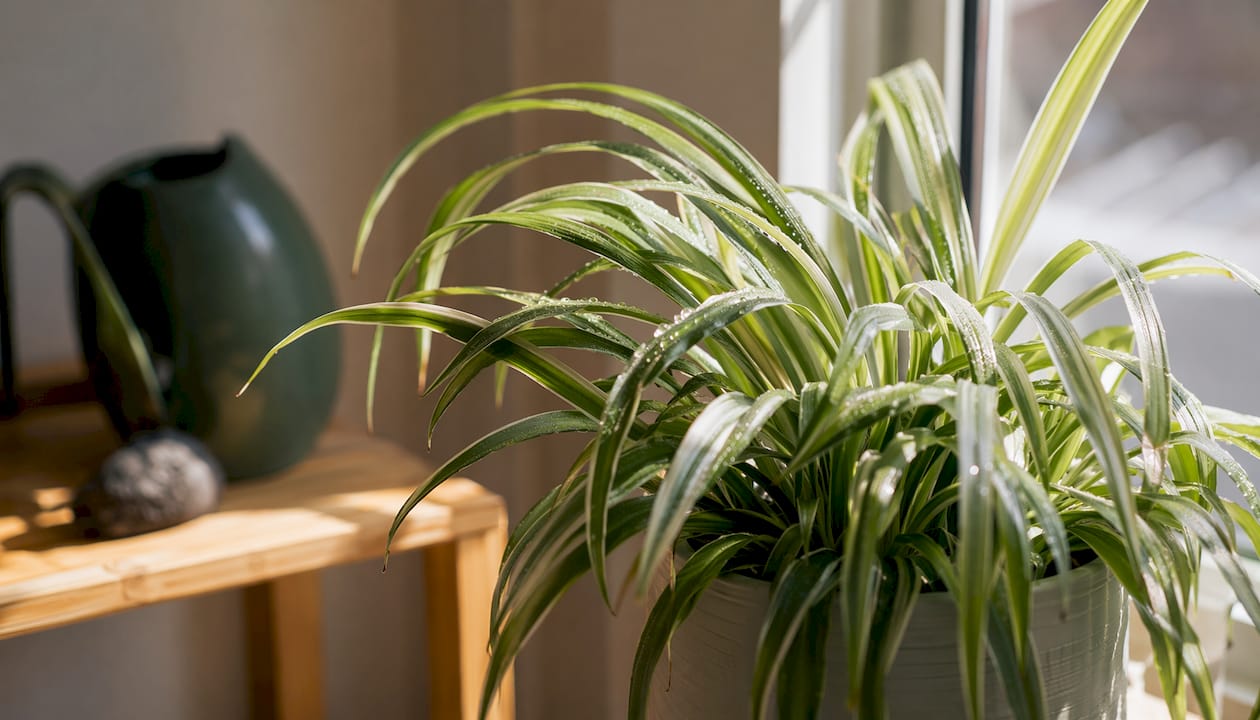
Afternoon sun in Singapore also creates a compounding problem. High UV radiation combines with radiant heat from concrete balconies and glass windows to push leaf surface temperatures well above air temperature. The result is leaf scorching, wilting, and in severe cases, permanent cell damage. West-facing afternoon sun requires 80–90% sheer curtain shading for most non-succulent houseplants to avoid this damage.
Morning light also carries a practical benefit that most gardeners overlook. Morning sun dries leaf dew quickly, which reduces fungal diseases that spread easily in Singapore’s humid air. Airflow combined with early light exposure keeps moisture-related pathogens from taking hold on foliage.
Identifying your best morning light zones is the first step. Stand at each window or balcony edge between 7:00 AM and 10:00 AM and observe where direct sun falls. East-facing windows and balconies receive direct morning rays and then shift to consistent indirect light for the rest of the day. East-facing windows offer a predictable sun schedule that supports steady plant growth without the heat spikes of west or south exposures.
A simple hand test confirms light intensity. Hold your hand about 30 cm above a white sheet of paper. A sharp, well-defined shadow means direct light. A soft, blurry shadow means bright indirect light. No visible shadow means low light. Most edible herbs and flowering plants need at least a soft shadow to grow productively.
Pro Tip: Rotate your pots 90 degrees every week so all sides of the plant receive equal morning light. Uneven exposure causes lopsided growth and weakens stems over time.
Grouping plants closely creates a microclimate where shared transpiration keeps the air around leaves cooler and more humid. A 30–50% shade cloth placed over a balcony railing further protects delicate plants from midday sun while still allowing enough light for photosynthesis. These two techniques together make a significant difference in small HDB and condo spaces where you cannot control the building’s orientation.
Gradual acclimation matters when you move plants to brighter spots. Moving plants slowly from nursery shade to brighter morning sun over several days prevents leaf shock. Stomata and leaf cell structures need time to adjust. Skipping this step causes wilting or leaf burn even in plants that are ultimately suited to the new location. A good rule: increase direct morning sun exposure by about one hour per day over a week.
Plant light requirements fall into three broad categories, and morning sun suits all three when managed correctly. The key is matching the plant’s natural habitat to the light zone you have available.
Shade-loving tropical foliage plants like Calathea and Peace Lily thrive near east-facing windows where they receive bright but filtered morning light. These plants originate from tropical forest floors where dappled light is the norm. Direct sun, even gentle morning rays, can bleach their leaves. A sheer curtain or placement one meter back from the glass gives them the right intensity.
Sun-loving edible herbs and compact flowering plants perform best in direct morning sun. Basil, mint, chili, and cherry tomatoes all need at least four to six hours of direct light daily. An east-facing balcony or windowsill from 7:00 AM to 11:00 AM gives them exactly that. For tips on growing these in tight spaces, the windowsill food growing guide from Sprout-lab covers placement and container choices in detail.
Succulents and full-sun plants need careful management in Singapore. Even succulents benefit from filtered afternoon light here because Singapore’s peak UV exceeds what these plants encounter in their native desert habitats. Morning exposure is the safest direct light for heat-sensitive and xerophytic species. Move them out of direct sun after 11:00 AM or use a shade cloth.
| Plant type | Ideal morning light | Key risk in Singapore |
|---|---|---|
| Tropical foliage (Calathea, Peace Lily) | Bright indirect, filtered | Leaf bleach from direct rays |
| Edible herbs (basil, mint, chili) | Direct morning sun, 4–6 hours | Insufficient light indoors |
| Compact flowering plants | Direct to bright indirect | Heat stress after 11:00 AM |
| Succulents and cacti | Filtered morning sun | UV scorch in peak afternoon |
| Ferns and moisture-lovers | Low to bright indirect | Leaf burn, rapid dehydration |
Watering timing directly affects how well plants use morning light. Watering early in the morning promotes optimal moisture absorption and reduces fungal infection risks. Morning watering aligns with the plant’s natural transpiration peak, and leaves dry quickly in the early sun, which prevents rot and mildew. Avoid watering in the evening in Singapore’s humid climate. Wet foliage overnight creates ideal conditions for fungal pathogens.
Signs of sunlight stress are easy to read once you know what to look for. Pale or washed-out leaf color signals too much direct light. Brown, crispy leaf edges indicate heat scorch. Yellowing lower leaves often point to overwatering combined with poor drainage, which worsens under intense light. Wilting in the morning, before temperatures peak, suggests root stress rather than simple dehydration.
Nutrient needs increase when plants receive more light. Higher light intensity drives faster photosynthesis, which burns through nitrogen, potassium, and micronutrients more quickly. Plants in bright morning sun positions typically need feeding every two to three weeks during the growing season. A balanced liquid fertilizer applied after morning watering gives roots the best chance to absorb nutrients before midday heat slows uptake.
Pro Tip: Check leaf undersides weekly. Spider mites and fungus gnats thrive in the warm, humid conditions near Singapore windows. Catching them early prevents infestations that spread to neighboring plants.
Repositioning plants seasonally also helps. Singapore’s sun angle shifts slightly between june and december, which changes where direct morning light falls inside your home. A spot that gets four hours of direct morning sun in july may get only two hours in december. Checking your light zones twice a year keeps your placement strategy accurate. For a full breakdown of managing heat stress in Singapore’s climate, Sprout-lab’s guide covers both prevention and recovery in detail.
Morning sunlight is the single most effective natural light source for Singapore plants because it delivers full photosynthetic energy without the UV intensity and heat that cause leaf scorch in the afternoon.
| Point | Details |
|---|---|
| East-facing exposure is best | East windows deliver direct morning rays followed by indirect light, avoiding afternoon heat damage. |
| Singapore’s UV is uniquely intense | Temperate “full sun” guidelines do not apply here; morning-only direct light suits most plants. |
| Acclimate plants gradually | Increase direct morning sun by about one hour per day over a week to prevent leaf shock. |
| Water in the morning | Morning watering aligns with transpiration peaks and lets leaves dry before humid evenings. |
| Group plants for microclimates | Clustered plants share humidity and stay cooler, reducing individual heat stress on balconies. |
The biggest mistake I see Singapore gardeners make is trusting the label on the nursery pot. “Full sun” printed on a succulent tag was written for a temperate climate. I moved a labeled full-sun succulent to my south-facing balcony in february and watched it bleach and shrivel within two weeks. The same plant now sits on my east-facing windowsill and looks better than it ever did at the nursery.
The second lesson took me longer to accept: not every apartment is equal, and no single placement rule works for every home. My east-facing bedroom window gets clean morning sun from 7:30 AM to 10:00 AM. My neighbor’s east window is partially blocked by the adjacent block, so she gets maybe 90 minutes of direct light. We grow completely different plants in what look like identical spaces.
What actually works is observation over prescription. Spend two weeks watching where light falls in your home at different times of day before you commit to a placement. Move plants one position at a time and give them ten days to respond. A plant that perks up and pushes new growth is telling you it likes the spot. One that drops leaves or fades is asking to move.
The indoor plant lighting guide from Sprout-lab helped me understand why my north-facing living room plants were struggling even though the room felt bright. Ambient brightness and photosynthetically useful light are not the same thing. Once I understood that distinction, I stopped losing plants to what I thought was “enough” light.
Gardening in Singapore’s climate rewards patience and close attention. The plants that thrive here are the ones whose gardeners stopped following generic advice and started reading the plants themselves.
— Luna
Singapore’s small-space gardeners need setups that work with the morning light they have, not against the constraints of a balcony or windowsill. Sprout-lab builds modular systems designed specifically for these conditions, letting you grow up to 56 plants in a compact footprint without sacrificing plant health.
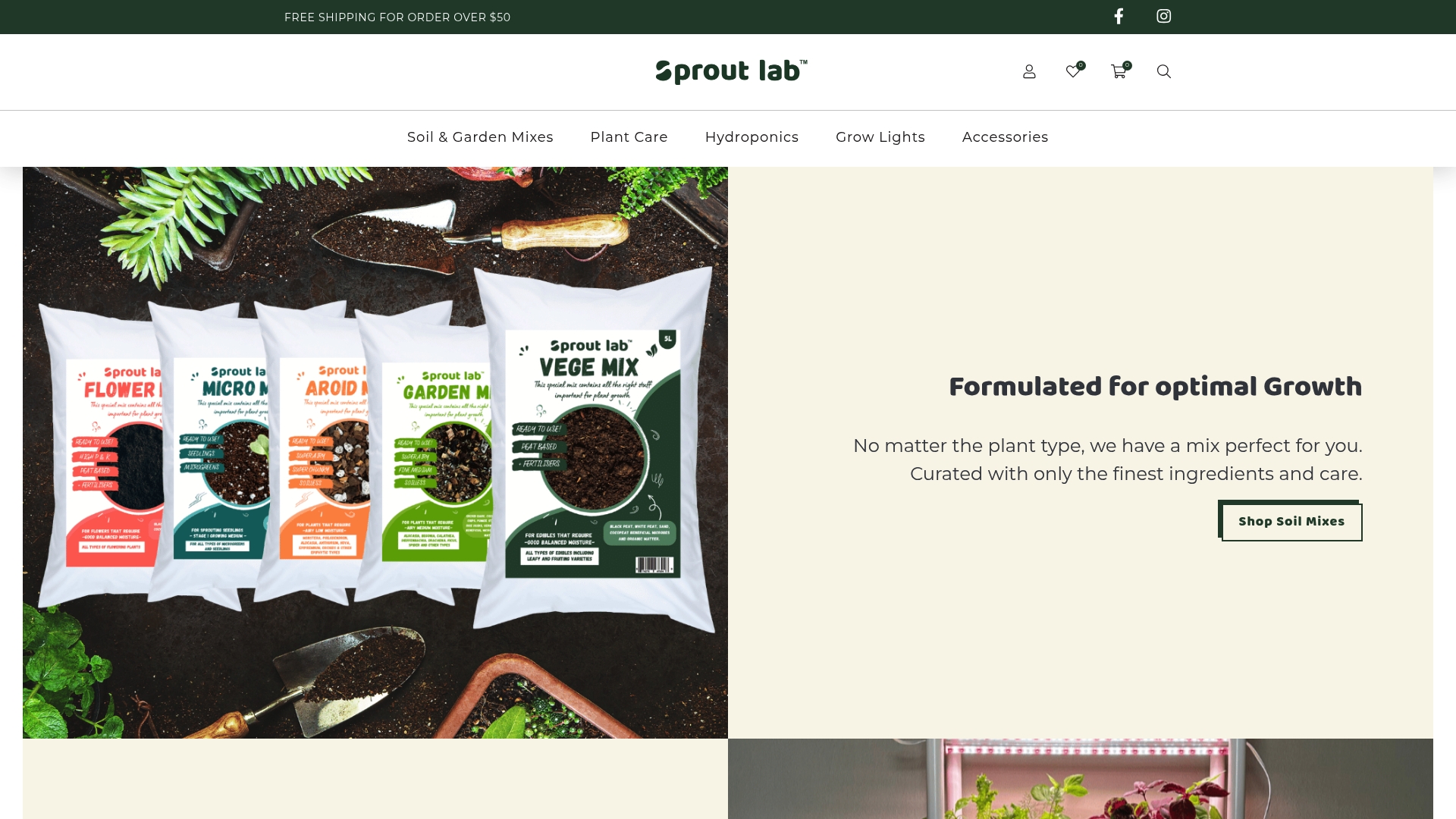
Sprout-lab’s automated hydroponic setups place plants at the exact height and angle that captures your best morning light window. Pair that with Sprout-lab’s specialized soil mixes formulated for Singapore’s humidity and drainage needs, and your plants get both the right light and the right root environment. With a 4.9/5 rating across more than 25,000 completed orders, Sprout-lab’s products are built for the conditions Singapore gardeners actually face.
East-facing windows are the best choice for most plants in Singapore. They deliver direct morning sun followed by consistent indirect light, avoiding the intense UV and heat of west or south-facing afternoon exposure.
Most edible herbs and flowering plants need 4–6 hours of direct morning sun daily. Shade-loving tropical foliage plants like Calathea need bright indirect light rather than direct rays.
Singapore’s equatorial position produces peak UV radiation in the afternoon, which combines with radiant heat from surfaces to scorch leaves and stress root systems. Morning sun carries lower UV intensity and cooler temperatures.
Use a 30–50% shade cloth over the balcony railing and group plants together to create a shared microclimate. Move heat-sensitive plants away from direct sun after 11:00 AM.
Water your plants early in the morning before or at the start of sun exposure. Morning watering aligns with peak transpiration and gives leaves time to dry fully before Singapore’s humid evening sets in.