Free shipping for order over $50

Free shipping for order over $50
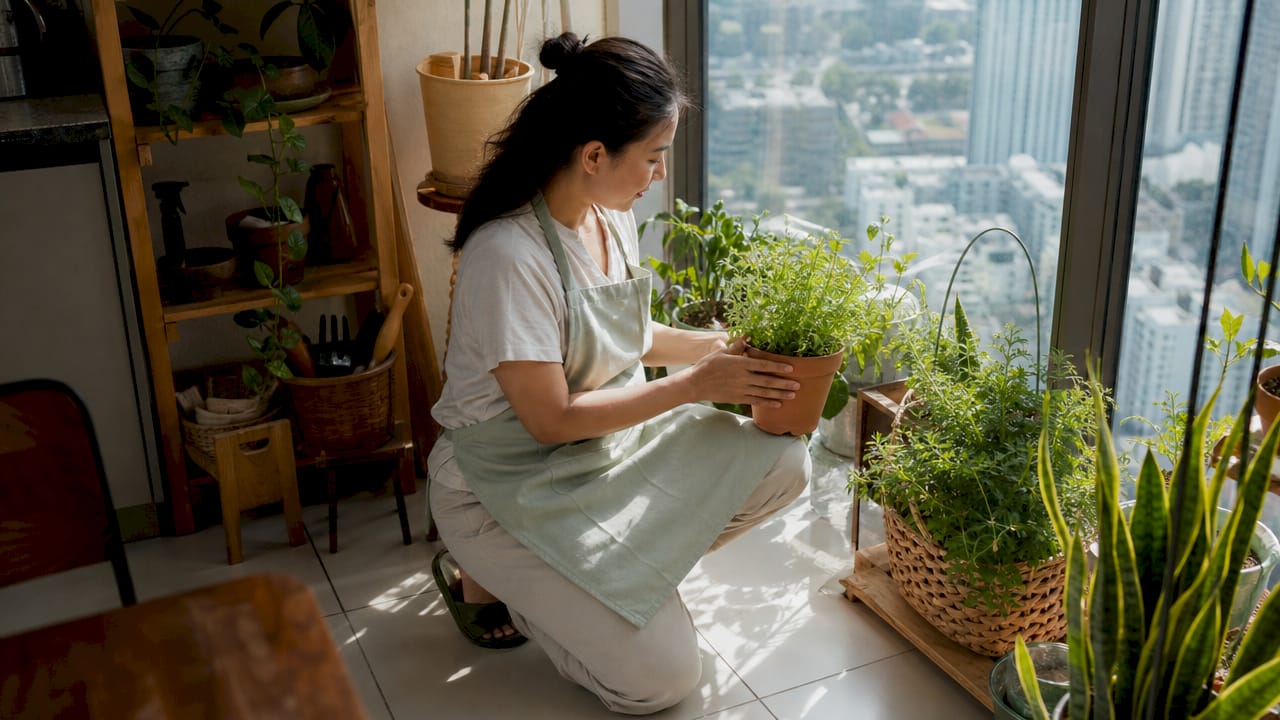
Singapore indoor garden mistakes almost always trace back to one root cause: applying temperate climate care routines to a tropical urban environment. Average indoor humidity in Singapore exceeds 80%, which means soil dries far more slowly than any European or American gardening guide assumes. The result is overwatered roots, fungal infections, and dead plants that gardeners blame on bad luck. The real culprits are overwatering, poor lighting choices, and the wrong soil mix. Fix those three, and most indoor gardens in Singapore thrive.
Overwatering is the leading cause of indoor plant death in Singapore. High ambient humidity slows soil evaporation so dramatically that most plants need water only every 10–14 days, not weekly. Gardeners who follow a fixed weekly schedule are essentially drowning their plants in slow motion.
The fix is the finger test. Push your finger 2 inches into the soil. If it feels damp, wait. If it feels dry, water thoroughly. Visual cues like drooping leaves are unreliable because both overwatering and underwatering cause wilting.
Root rot and fungal infections are the direct consequences of sitting water. Decorative pots without drainage holes make this worse. Water pools at the bottom, roots suffocate, and the plant collapses within weeks.
Pro Tip: Use the pot-in-pot method: let your nursery pot drain completely for 15–20 minutes before placing it inside a decorative outer pot. This prevents roots from sitting in stagnant water.
Inadequate light is the most common reason indoor herbs and edible plants fail in Singapore. The city sits just 1.3 degrees north of the equator, so sunlight is intense but directional. Most HDB flats and condos receive strong light for only part of the day, and the direction of your windows matters enormously.
East-facing windows deliver gentle morning sun that suits most tropical foliage and herbs. North-facing windows provide consistent, diffused light with no harsh direct rays. West-facing windows are the problem: afternoon sun in Singapore is intense enough to scorch leaves and dry soil within hours.
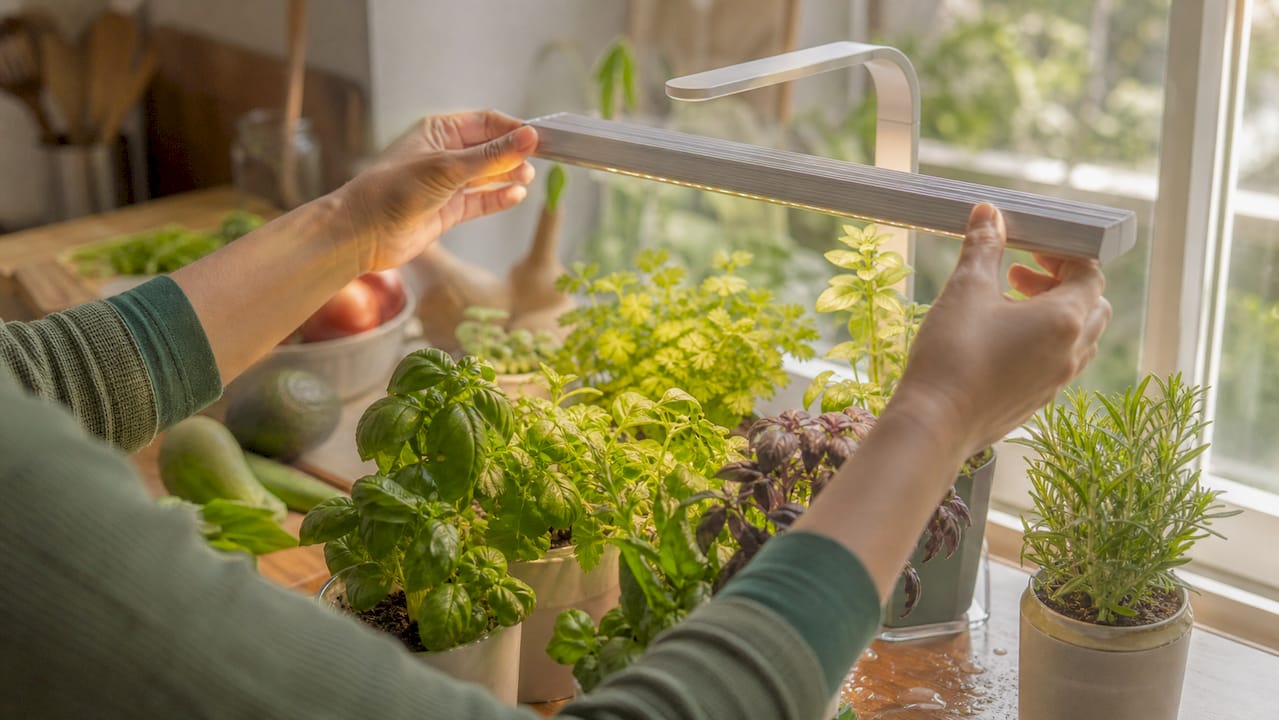
For rooms with limited natural light, full-spectrum LED grow lights positioned 15–30 cm above plants effectively supplement what windows cannot provide. Herbs need 6 or more hours of bright indirect light daily. Under LED grow lights, aim for 10–12 hours to compensate for lower intensity. A 2026 lighting guide from Sprout-lab covers the specific LED types that work best for Singapore’s indoor conditions.
Signs your plant is not getting enough light:
Pro Tip: Rotate your plants a quarter turn every week. This prevents one-sided growth and keeps foliage balanced without buying extra equipment.
Dense garden soil or unamended potting mix causes root rot in Singapore’s humid conditions. Soil that holds too much water starves roots of oxygen, and in a climate where evaporation is slow, the damage compounds quickly. A 70:30 ratio of potting mix to perlite is the standard recommendation for tropical indoor gardens. Perlite creates air pockets that keep roots breathing even when the mix is moist.
Different plant types need different soil profiles:
Repotting frequency matters too. Singapore’s year-round warmth means plants grow continuously without dormancy. Roots fill pots faster than in temperate climates, so check for root-bound plants every 12 months. Sprout-lab’s soil mixes for Singapore are formulated specifically for tropical drainage requirements, which removes the guesswork from mixing your own.
Pro Tip: Terracotta pots are your best ally in Singapore. Their porous walls allow moisture to evaporate through the sides, reducing the risk of waterlogged soil by a meaningful margin compared to glazed ceramic or plastic.
Singapore has no winter. That means mealybugs, spider mites, and fungus gnats reproduce without seasonal relief, and a single missed inspection can turn a minor infestation into a plant-wide crisis within two weeks. Warm, humid conditions accelerate pest reproduction at every stage of their life cycle.
Stagnant air makes the problem worse. Poor airflow raises surface humidity on leaves, which encourages fungal growth and creates ideal conditions for spider mites. Many gardeners cluster plants together for aesthetics, which blocks air circulation between leaves and stems.
For a detailed treatment plan, Sprout-lab’s guide on Singapore pest control covers the most effective methods for each pest type common to local indoor gardens.
Pro Tip: Skip misting in naturally ventilated Singapore rooms. Tropical houseplants thrive without added humidity indoors, and excess moisture on leaves promotes fungal infections rather than preventing them.
The biggest overlooked gardening mistake in Singapore is assuming every room in your home has the same microclimate. An air-conditioned bedroom and a naturally ventilated living room are two completely different growing environments, and they require different care routines.
| Room type | Humidity level | Soil drying speed | Watering frequency | Best plant types |
|---|---|---|---|---|
| Air-conditioned | 40–55% | Fast | More frequent | Succulents, cacti, herbs |
| Naturally ventilated | 70–80% | Slow | Less frequent | Tropical foliage, ferns |
| Mixed (AC part-time) | 55–70% | Moderate | Soil-check based | Most tropical houseplants |
In air-conditioned rooms, soil dries faster because humidity drops to 40–55%. Plants there need more frequent watering checks, and leaf tip burn from cold AC drafts is a real risk. Move plants at least 1 meter away from vents to avoid direct cold airflow on leaves.
In naturally ventilated rooms, soil stays moist far longer. Overwatering risk is highest here. The soil moisture check becomes non-negotiable rather than optional.
The practical solution is to match your plant selection to each room’s conditions rather than forcing every plant to adapt. Succulents belong in AC rooms. Monsteras and Pothos belong near open windows. Adapting your year-round indoor growing approach to each microclimate is what separates thriving gardens from struggling ones.
Most indoor garden failures stem from excessive care rather than neglect. Fertilizing a stressed plant, repotting too frequently, and misting leaves that are already humid are all forms of over-care that weaken plants instead of helping them. The instinct to do more is the enemy of a healthy indoor garden.
Plants communicate clearly when you know what to look for. Yellow leaves on a well-lit plant almost always signal overwatering. Brown leaf tips in an AC room usually mean cold draft exposure. Leggy growth points to insufficient light. Each symptom has a specific cause, and the correct response is targeted, not general.
Restraint is the core skill. Water less, fertilize lightly, and resist the urge to repot unless roots are visibly escaping the drainage holes. Singapore’s continuous growing season does mean plants need year-round fertilizing, but at a reduced dose compared to temperate-climate recommendations. A half-strength liquid fertilizer applied monthly is sufficient for most tropical foliage indoors.
Drainage is not optional in Singapore’s climate. A pot without drainage holes is a slow-death sentence for most plants. Yet decorative pots without holes remain popular because they look clean and contain water neatly. The workaround is straightforward: always use a nursery pot with drainage holes inside the decorative outer pot.
The pot-in-pot approach is the standard method for managing this in humid tropical homes. After watering, lift the nursery pot out, let it drain fully for 15–20 minutes, then return it to the decorative container. This takes 30 extra seconds and prevents root rot entirely.
Gravel layers at the bottom of pots do not improve drainage. This is a persistent myth. Water still pools above the gravel layer, and the effective soil depth for roots decreases. The only reliable drainage solution is a pot with holes and a proper draining routine.
Avoiding Singapore indoor garden mistakes requires adapting every care routine to local tropical humidity, not following generic temperate-climate advice.
| Point | Details |
|---|---|
| Skip fixed watering schedules | Check soil moisture manually at 2 inches deep before every watering session. |
| Match light to your space | Use east or north-facing windows, or add full-spectrum LED grow lights for 10–12 hours daily. |
| Amend your soil mix | Use a 70:30 potting mix to perlite ratio to prevent waterlogging in humid conditions. |
| Inspect for pests weekly | Year-round warmth means pests never stop reproducing; early detection prevents infestations. |
| Adapt care by room type | AC rooms need more frequent watering; naturally ventilated rooms need much less. |
The most frustrating thing I see is gardeners blaming themselves when their plants die. They followed the instructions on the label, watered on schedule, and still lost the plant. The label was written for a temperate climate. That is the actual problem.
Singapore’s humidity is genuinely unusual. Soil that looks dry on the surface can be soaking wet 2 inches down. I’ve watched experienced gardeners from overseas struggle for months before they stopped trusting their eyes and started trusting their fingers. That single shift, from visual watering to tactile watering, saves more plants than any product or technique I know.
The other thing I’d push back on is the idea that Singapore’s climate is a disadvantage for indoor gardening. It is not. You never deal with dormancy, cold damage, or seasonal light loss. Plants grow continuously. Propagation succeeds faster. The climate is genuinely generous once you stop fighting it with the wrong care habits.
The gardeners I see succeed are the ones who observe first and act second. They notice a yellowing leaf and ask why before reaching for fertilizer. They check the soil before reaching for the watering can. That patience, combined with the right soil and the right light setup, produces indoor gardens that genuinely thrive in Singapore’s conditions.
— Luna
Singapore’s tropical climate rewards gardeners who use the right tools from the start. Sprout-lab builds systems and soil mixes specifically for urban growers dealing with limited space and high humidity.
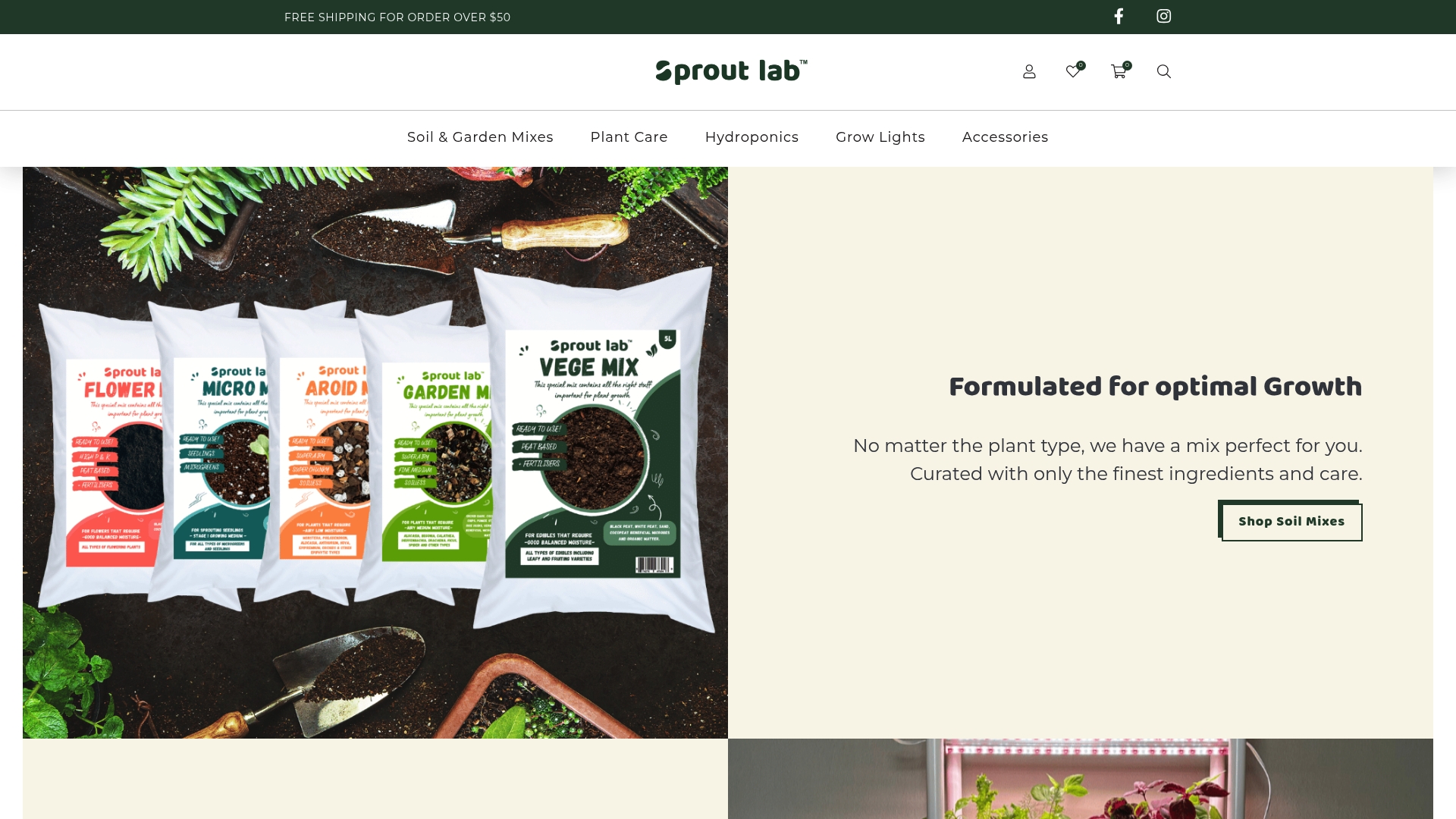
Sprout-lab’s tropical soil mixes are pre-amended for Singapore’s drainage requirements, so you skip the guesswork of mixing perlite ratios yourself. For gardeners with limited floor space, Sprout-lab’s compact growing systems support up to 56 plants in a small footprint, with modular hydroponic setups that reduce the overwatering risk entirely. With a 4.9/5 rating across more than 25,000 completed orders, Sprout-lab’s products are built around what actually works in Singapore homes.
Overwatering is the leading cause of indoor plant death in Singapore. Average indoor humidity exceeds 80%, which slows soil drying and makes weekly watering schedules dangerous for most plants.
Water only when the top 2 inches of soil feel dry to the touch. In naturally ventilated rooms, that typically means every 10–14 days rather than weekly.
Plants in low-light rooms benefit significantly from full-spectrum LED grow lights positioned 15–30 cm above the foliage for 10–12 hours daily, especially herbs and edible plants.
Misting is unnecessary in naturally ventilated Singapore homes where humidity is already high. Excess moisture on leaves promotes fungal growth and can worsen pest problems.
A 70:30 ratio of potting mix to perlite provides the drainage and aeration that tropical indoor plants need in Singapore’s humid conditions.