Free shipping for order over $50

Free shipping for order over $50
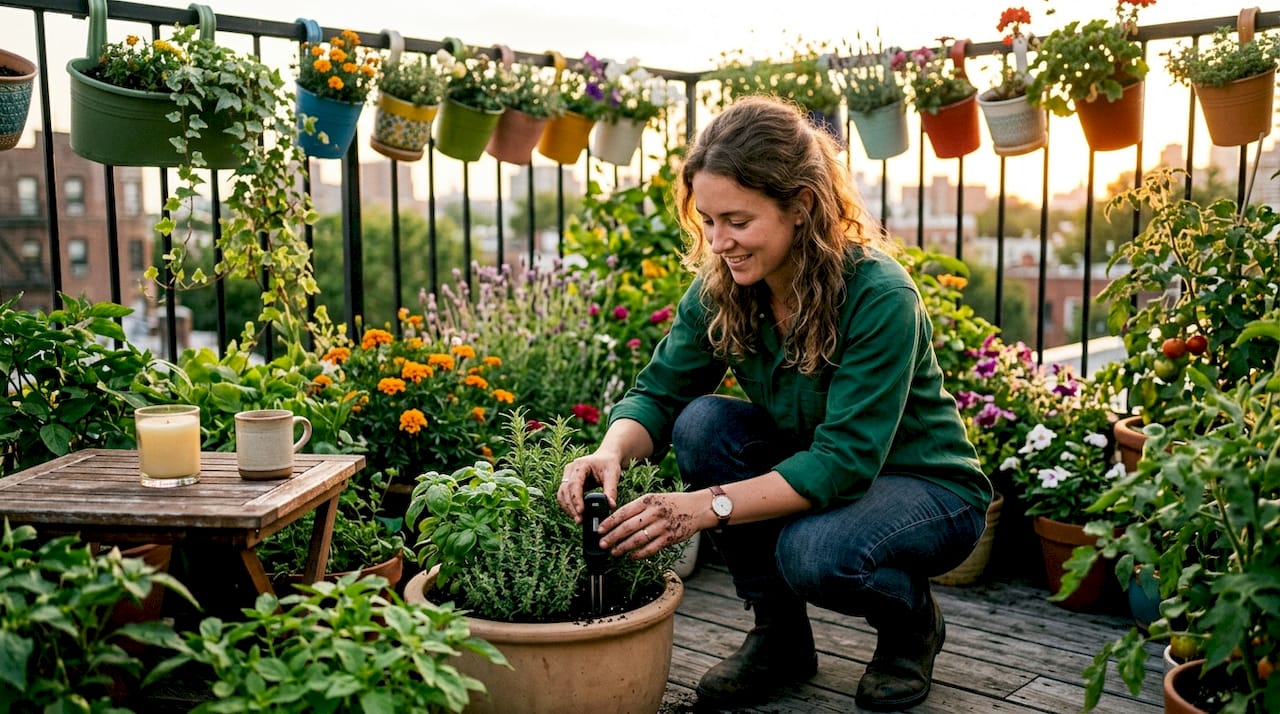
Smart garden devices are technology tools that monitor plant conditions and automate care tasks using real-time data, making them the most practical upgrade for urban residents growing food in small spaces. These connected tools span soil moisture sensors, smart irrigation controllers, LED grow lights, and AI plant care apps. Together, they shift gardening from guesswork to data-driven decisions. Smart irrigation controllers alone reduce water use by 30–50% compared to traditional mechanical timers. That single number explains why so many apartment growers are adopting IoT for gardening faster than any other home technology category.
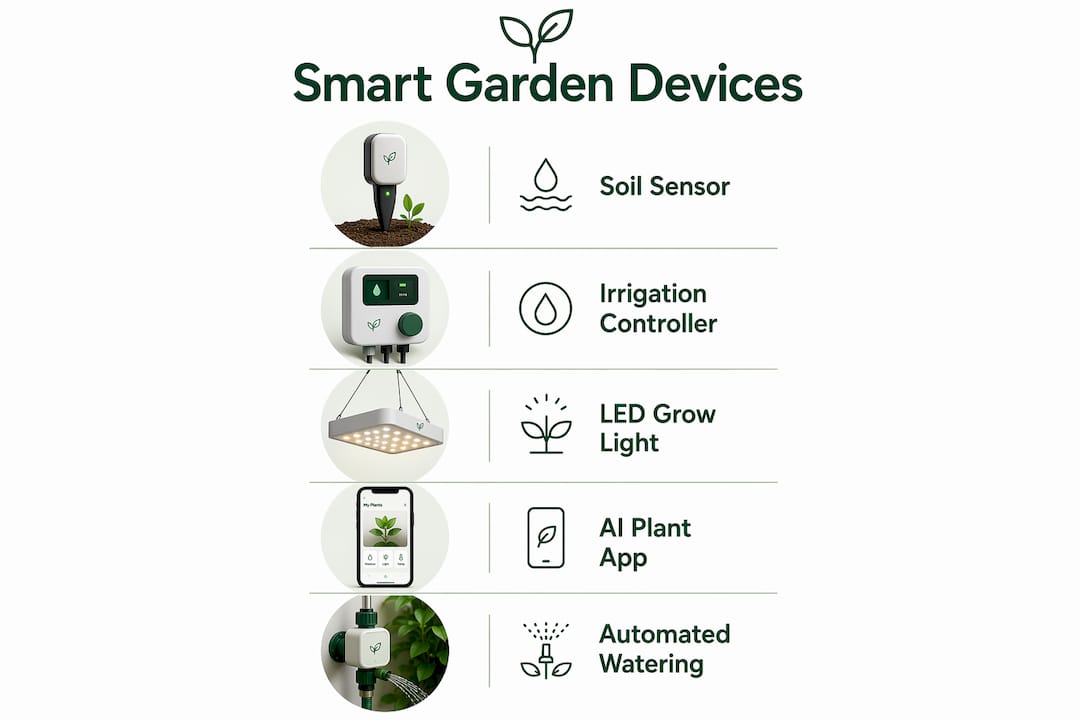
Smart garden devices fall into four clear categories, each solving a specific problem in plant care.
Connectivity matters more than most beginners realize. Devices connect via Wi-Fi, Bluetooth, or smart home hubs. Wi-Fi devices work from anywhere through a smartphone app. Bluetooth devices require you to be within range, typically 30 feet. Hubs that support unified protocols like Matter let multiple devices work together inside one app, which cuts down on the app juggling that frustrates most new gardeners.
Pro Tip: Before buying any device, check whether it works with your existing smartphone platform (iOS or Android) and whether it supports your smart home hub, if you have one. Compatibility problems are the number one reason beginners return devices.
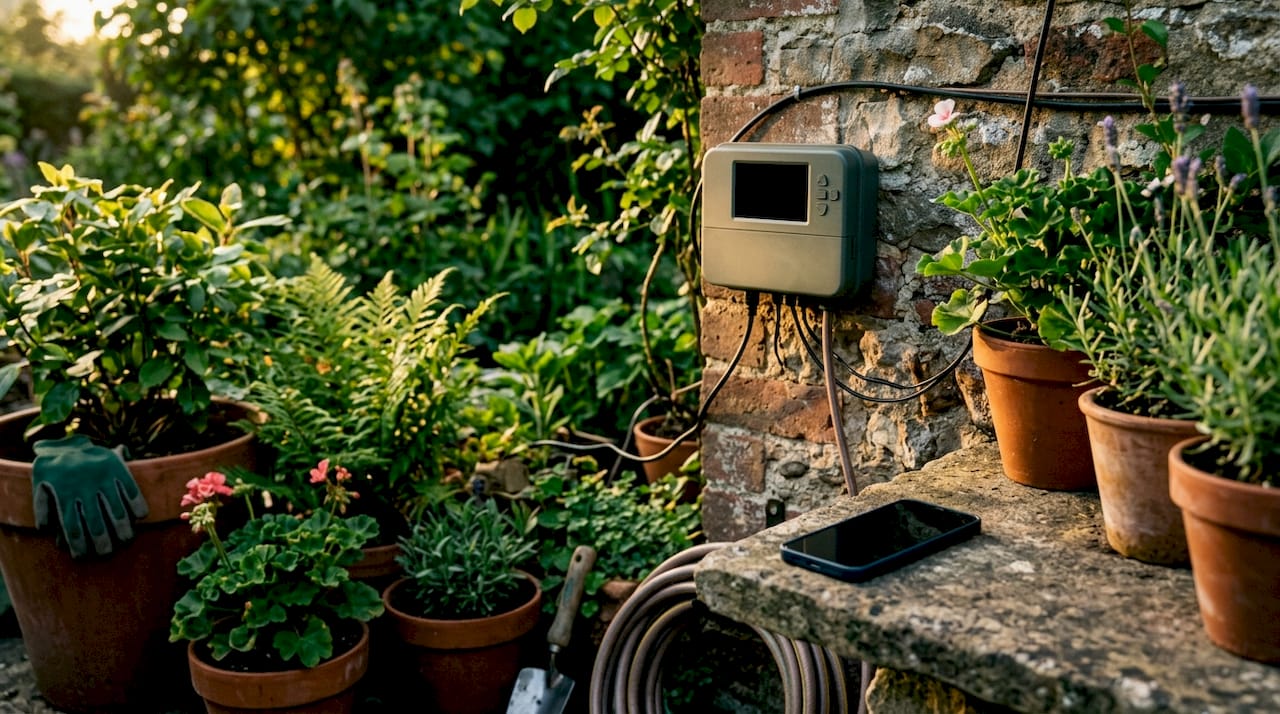
The core benefit is replacing uncertainty with information. Smart devices translate plant biology signals into readable data, so you stop guessing whether your basil needs water or your tomato seedlings are getting enough light.
Water savings are the most measurable win. Smart irrigation controllers that combine weather data, soil readings, and custom schedules cut water use by 30–50% versus traditional timers. For urban gardeners paying city water rates and growing in containers, that reduction adds up quickly across a growing season.
Time savings come from automating the most repetitive tasks. Watering, lighting schedules, and condition monitoring all run without daily manual input. That matters most to city residents who travel for work or maintain irregular schedules.
The benefits for novices go beyond convenience:
Affordable sensors priced around $49 deliver most of these benefits without the complexity of full automated systems. For a studio apartment grower, a single soil sensor and a basic LED grow light timer cover the two biggest variables in indoor plant care.
The most common mistake is treating automation as a substitute for attention. Sensors provide data, not automatic care, unless they are physically connected to actuators like water valves or pumps. A soil sensor that alerts you to dry soil still requires you to act on that alert.
Follow these steps to get the most from your devices without burning out:
Pro Tip: If you use a smart home hub like Apple Home or Google Home, look for garden devices that are certified for that platform. You can then build simple automations, like turning on grow lights when a motion sensor detects morning activity, without writing any code.
The best entry point for most urban beginners is a soil moisture sensor paired with a basic indoor gardening setup designed for small spaces. These two elements cover the most critical variables without overwhelming you with data.
Here is what to prioritize when choosing your first devices:
The table below shows what each device type costs, what it does, and who benefits most from it.
| Device type | Typical cost | Primary function | Best for |
|---|---|---|---|
| Soil moisture sensor | $20–$50 | Monitors root zone water levels | All beginners |
| Smart irrigation controller | $80–$150 | Automates watering by weather and soil data | Container gardens with multiple pots |
| LED grow light with timer | $30–$80 | Provides consistent indoor light cycles | Low-light apartments |
| AI plant care app | Free–$10/month | Diagnoses issues and schedules care | Novices learning plant needs |
Maintenance is minimal for most entry-level devices. Soil sensors need battery replacement every 6–12 months. Smart irrigation controllers need firmware updates via their apps. AI app subscriptions are month-to-month on most platforms, so you can cancel after your first growing season if you no longer need the guided features.
For gardeners ready to move beyond sensors into a full growing system, automated watering for indoor gardens removes the last major manual task from small-space growing.
Smart garden devices work best when they inform your decisions rather than replace them, starting with affordable sensors and building toward automation as your confidence grows.
| Point | Details |
|---|---|
| Devices replace guesswork, not effort | Sensors give you data; you still need to act on alerts unless actuators are connected. |
| Water savings are measurable | Smart irrigation controllers cut water use by 30–50% compared to mechanical timers. |
| Start small to avoid burnout | Entry-level soil sensors cost $20–$50 and teach you more than expensive all-in-one systems. |
| Compatibility prevents app fatigue | Choose devices that share a platform or support unified protocols like Matter. |
| Right plant first, technology second | Automation cannot fix a plant placed in the wrong environment. |
The gardeners who get the most out of these devices are not the ones who buy the most expensive systems. They are the ones who treat their first sensor as a teacher.
I’ve watched novice growers in compact apartments go from killing every herb they bought to harvesting basil weekly. The turning point was never the device itself. It was the moment they stopped ignoring the app alert and started asking why the soil was dry again by Tuesday when they watered on Sunday. That question leads to real understanding: the pot is too small, the window is too sunny, the plant is rootbound. No app tells you that directly. The data just points you toward the right question.
The technology trend I find most encouraging is the move toward modular, small-scale systems designed specifically for urban spaces. These are not scaled-down versions of commercial greenhouse equipment. They are built from the ground up for a kitchen counter or a balcony shelf. Sprout-lab’s hydroponic approach reflects exactly this thinking: compact, soil-optional, and designed so that a first-time grower can get results without a learning curve measured in dead plants.
My honest advice is to resist the pull of the most feature-rich device in any category. Buy the one that connects to the app you will actually open. A $30 sensor you check daily beats a $200 system you ignore after the first week.
— Luna
Urban gardeners who want to move beyond sensors and into a complete growing setup will find Sprout-lab’s hydroponic systems built for exactly that transition. The modular design fits compact spaces and supports up to 56 plants without requiring a yard, a greenhouse, or prior experience.
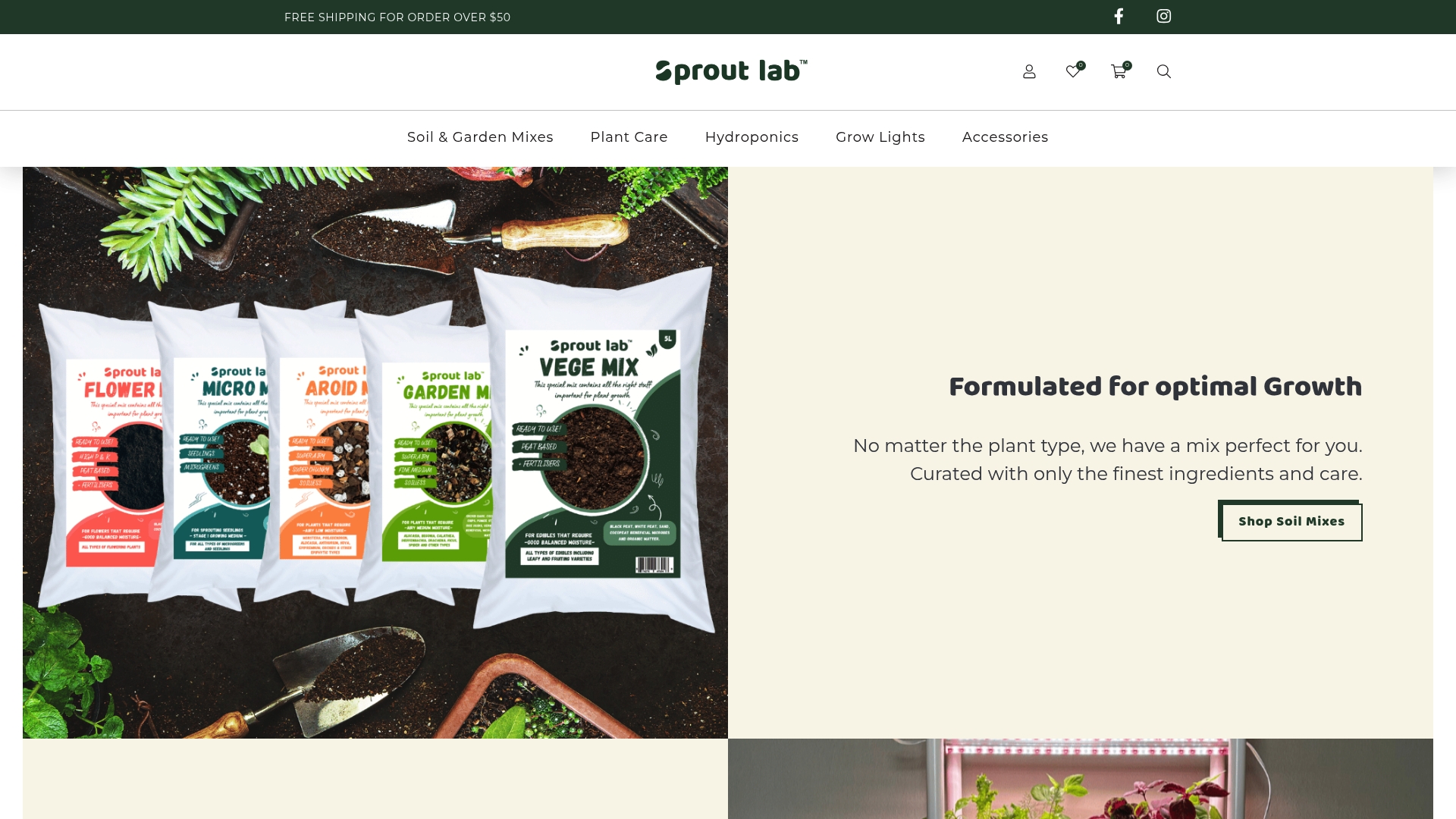
Sprout-lab’s hydroponic plant care products pair well with the smart devices covered in this article. The soil-free growing medium removes one of the biggest variables beginners struggle with, and the system’s structure makes it easy to add moisture monitoring or automated watering as your setup grows. For gardeners who want a complete starting point, the beginner hydroponic guide walks through setup from scratch. Sprout-lab carries a 4.9/5 rating across more than 25,000 completed orders, which reflects the kind of results that keep urban growers coming back.
Smart garden devices are technology tools, including soil sensors, irrigation controllers, LED grow lights, and AI apps, that monitor plant conditions and automate care tasks using real-time data.
Entry-level soil moisture sensors start at around $20–$50, while basic smart irrigation controllers typically cost $80–$150. Full automated hydroponic systems can exceed $800.
Yes. Soil moisture sensors, programmable LED grow lights, and AI plant care apps all work indoors and are particularly useful in low-light apartments with limited window access.
Smart irrigation controllers reduce water use by 30–50% compared to traditional mechanical timers by adjusting schedules based on weather forecasts and soil moisture readings.
A soil moisture sensor priced around $49 is the best starting point. It teaches you your plant’s actual water needs without requiring installation tools or technical setup.