Free shipping for order over $50

Free shipping for order over $50
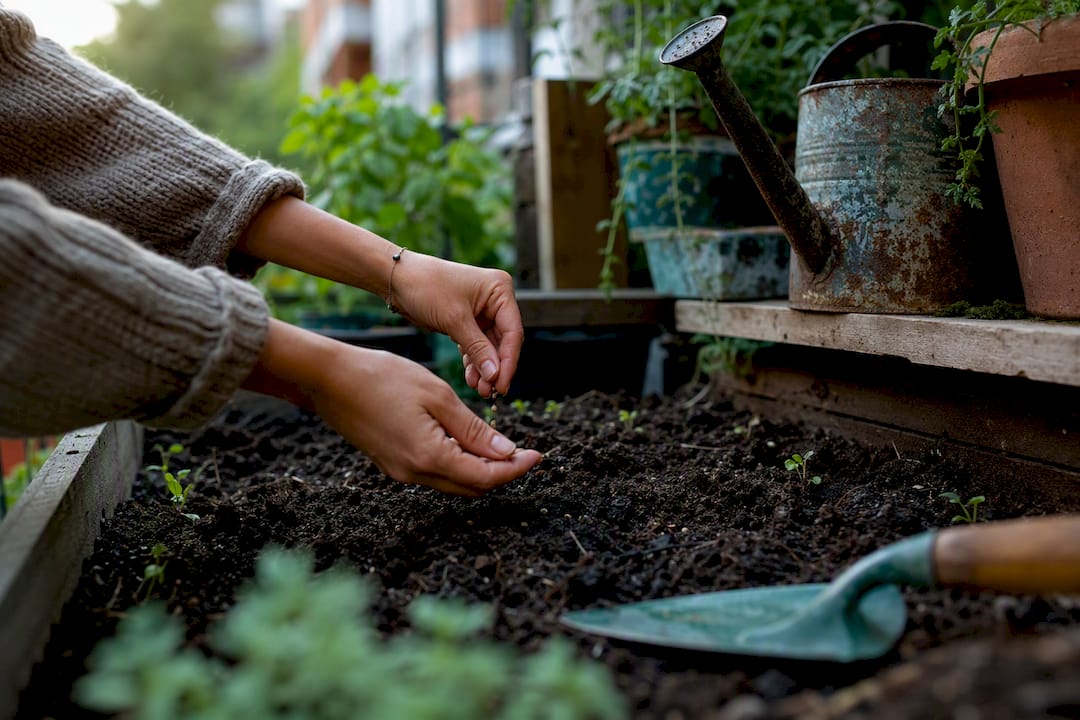
If you want vegetables that reward patience instead of daily attention, start with asparagus, rhubarb, leeks, shallots, garlic, potatoes, and globe artichokes. These slow growing low effort vegetables share one trait: once they’re in the ground, they mostly take care of themselves. Instead of the constant sowing, thinning, and harvesting cycle that fast crops like lettuce demand, these plants sit quietly for weeks or years and ask for almost nothing in return.
Here’s the quick logic behind each pick:
Each of these trades speed for simplicity. Below, you’ll find the specific varieties, timing, and care routines that make them work.
The lowest effort vegetable gardens combine perennial and long-duration crops with a no-dig, mulched bed built once and maintained monthly rather than weekly.
| Point | Details |
|---|---|
| Choose slow, not just easy | Asparagus, rhubarb, garlic, and shallots reduce repeat planting far more than fast-growing crops do. |
| Build the bed once | A no-dig, mulched bed cuts weeding and watering for the entire life of the garden. |
| Mix fast and slow crops | Pair long-duration vegetables with quick growers like radishes to smooth out your harvest schedule. |
| Automate watering where possible | A soaker hose on a timer, or a self-watering container, removes daily watering chores. |
| Consider indoor hydroponics | Sprout-lab’s modular systems support up to 56 plants and hold a 4.9/5 rating across 25,000+ orders for growers without outdoor space. |
Not every “easy” vegetable is actually low effort. Zucchini grows fast but needs constant harvesting or it turns into a baseball bat overnight. The vegetables below earn their spot because they ask for a handful of check-ins a season, not a handful a week.
Plant crowns of a reliable variety like Jersey Knight or Purple Passion in early spring, spaced about 18 inches apart in well-drained soil. You won’t harvest anything the first year, and only lightly the second. By year three, you’re cutting spears every spring for two to three weeks with no replanting required. That’s the trade: a slow start for a decade-plus payoff. Mulch heavily each fall, and that’s close to the entire maintenance list.
A single rhubarb crown, planted in full sun with rich, well-drained soil, can produce for 10 years or more. Give it space (three feet per plant) and it will spread on its own. Harvest stalks in late spring once the plant is established, and skip picking in year one to let roots settle in. It needs almost no fertilizing beyond an annual layer of compost.
Leeks take four to five months from transplant to harvest, far longer than most vegetables, which is exactly why they’re low effort. You plant them once in late spring, and they sit in the bed growing steadily while pests mostly leave them alone. Varieties like King Richard handle a long season well. Space plants six inches apart, mound soil around the stems as they grow for extra whitening, and mulch to cut down on watering.
Grown from sets rather than seed, shallots go in the ground in early spring or fall and are largely a “plant and forget” crop until harvest in mid to late summer. They prefer loose, well-drained soil and full sun. Water only during dry stretches. Once the tops yellow and flop over, pull the bulbs, cure them in a dry spot for two weeks, and store them in a cool, dark place for months.
Garlic sets planted in fall sit through winter, then push up through spring before bulbing out for a summer harvest, roughly eight to nine months start to finish. Hardneck varieties like German Extra Hardy tolerate cold well; softneck types store longer. Mulch heavily after planting to suppress weeds through winter, and that mulch layer does most of the maintenance work for you. This kind of “plant once and harvest later” crop is a staple for a reason, and staple crops like potatoes, garlic, and shallots consistently top low-maintenance vegetable lists.
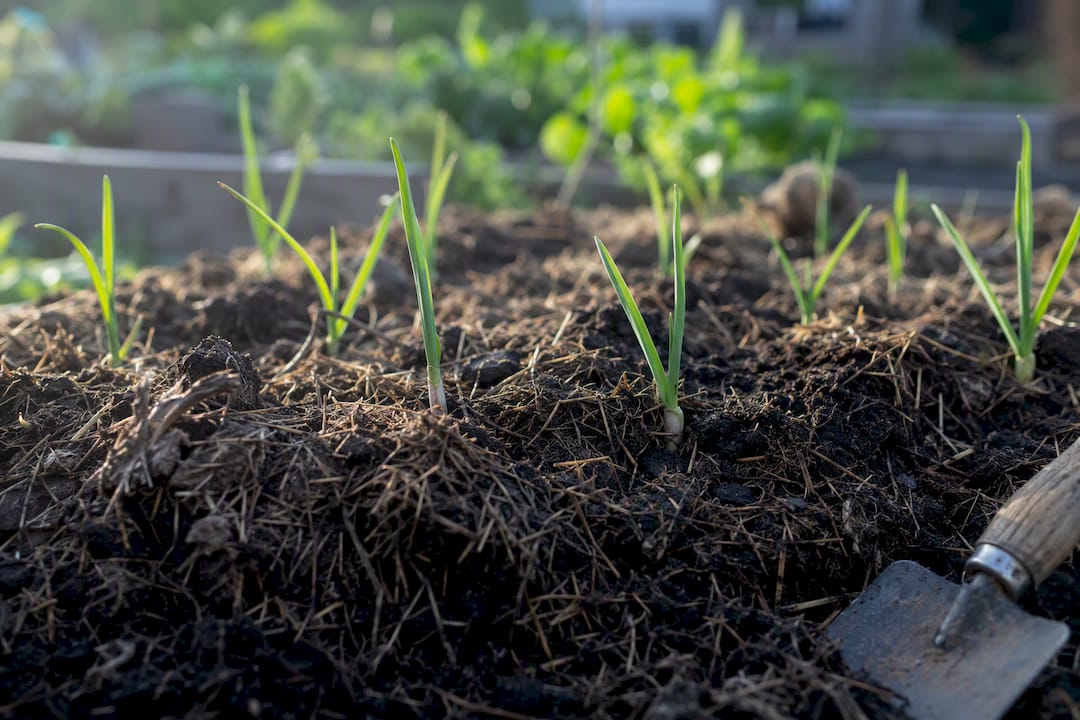
Seed potatoes go into trenches or bags in spring, and the plant does the rest for three to four months. Mound soil or straw around the stems as they grow to protect developing tubers from sunlight. Water consistently during flowering, but otherwise leave them alone. When the foliage yellows and dies back, that’s your harvest signal. Cure the tubers for a week in a dark, cool space before storing.
Where winters aren’t brutal, globe artichoke behaves as a true perennial, producing edible buds year after year from the same root. It needs full sun, rich soil, and space (three feet or more), but once established, it requires little beyond an annual mulch refresh and occasional deep watering. Its thick, silvery leaves also make it one of the more pest-resistant vegetables you can grow.
Pro Tip: Pair one or two of these long-season crops with a fast grower like radishes in the same bed. Radishes can reach harvest maturity in as little as 3 to 4 weeks, so you get something to eat while the slow crops establish, without adding real work.
Low effort doesn’t mean zero effort up front. The vegetables above still need decent soil and a mulch layer to truly coast through the season.
The biggest time savings in a low effort vegetable garden don’t come from picking easy crops. They come from how you build the bed before anything goes in the ground.
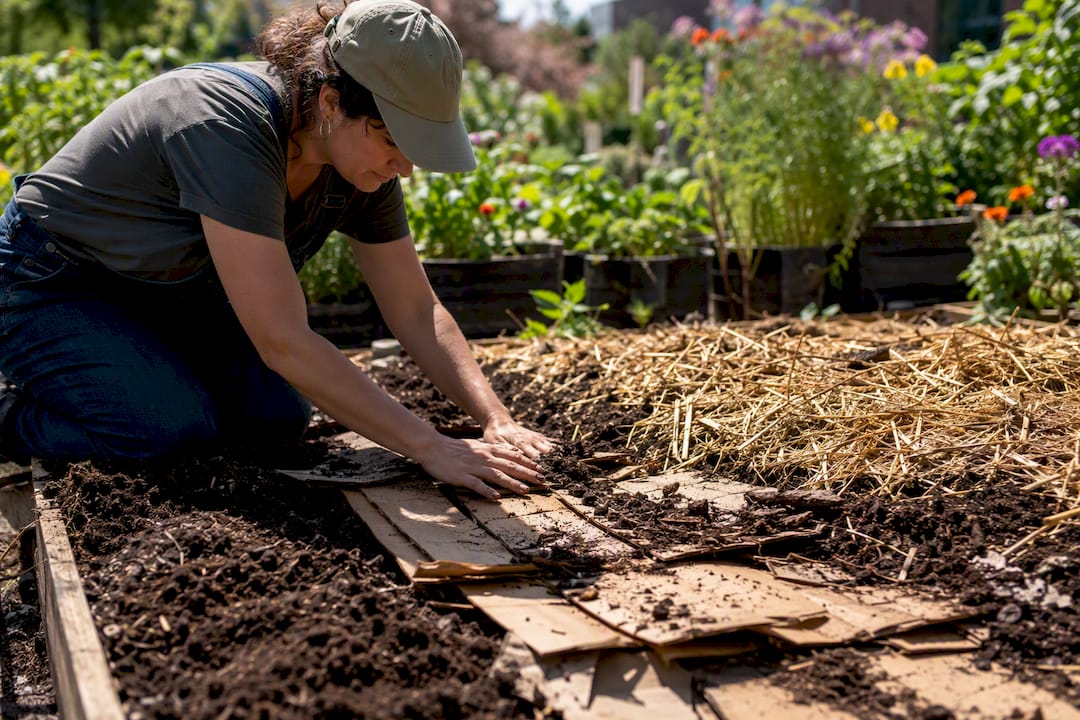
No-dig beds save you the most recurring labor. Instead of tilling every season, you layer cardboard or newspaper over the existing ground, then pile compost, aged manure, and mulch on top. The layers smother weeds and feed the soil as they break down. No-dig and sheet-mulch methods suppress weeds and build soil structure while eliminating the yearly tilling cycle that eats up so much garden time.
Mulch is doing double duty whether you notice it or not. A four-inch layer of straw, wood chips, or shredded leaves blocks weed seeds from germinating and slows moisture loss, which means fewer watering trips and less weeding. Straw works well around potatoes and alliums; wood chips suit permanent perennial beds like asparagus and rhubarb where you won’t be disturbing the soil again soon.
Simple irrigation removes the daily watering chore entirely. A soaker hose on a $20 mechanical timer, run early morning twice a week, replaces standing there with a hose. For containers, self-watering pots with a built-in reservoir stretch watering intervals to once every few days instead of daily.
Soil investment upfront beats fertilizer maintenance later. Top-dressing beds with an inch of compost each spring does more long-term work than a season of liquid fertilizer applications. Using mulch and slow-release fertility inputs reduces the number of fertilizing and weeding events you need to handle across a growing season.
Pest prevention works better as a shortcut than a response. Lightweight row covers keep cabbage moths and carrot flies off vulnerable crops without spraying anything. Wider spacing between plants improves airflow and cuts down on fungal issues. And choosing naturally tolerant crops, like the alliums and potatoes above, means you’re not fighting pests in the first place.
Pro Tip: Build your no-dig bed once in fall with a thick layer of compost and mulch, and by spring the soil underneath will be soft enough to plant into without a single shovel turn.
The trick to a truly low effort vegetable garden isn’t just crop choice, it’s arrangement. Mixing fast-turn crops with slow-maturing plants evens out your harvest schedule and cuts down on how often you need to sow new seed.
Once that layout is set, a realistic maintenance cadence looks like roughly one focused hour a month, checking mulch depth, topping up water reservoirs, and harvesting whatever’s ready, rather than something every weekend. If you’re planning meals around a slow harvest calendar, seasonal menu planning can help you use these crops efficiently as they come in over months rather than all at once.
Luna covers home gardening and small-space growing systems for Sprout-lab, focusing on practical, low-maintenance methods for beginner and time-strapped growers.
Sprout-lab has spent years helping people grow food in places that don’t look like a farm. Its modular hydroponic systems support up to 56 plants in a compact footprint, and the company carries a 4.9 out of 5 star rating across more than 25,000 completed orders.
Customers repeatedly report faster seed germination and noticeably healthier plants after switching to a controlled hydroponic setup, a pattern that lines up with the stable temperature, light, and nutrient conditions these systems maintain.
If you don’t have a yard, or your yard gets four hours of shade and a prayer, an indoor hydroponic setup handles the same “low effort” goal that slow-growing outdoor crops do outside. Stable indoor conditions remove weather, pests, and soil quality from the equation entirely, which is its own kind of maintenance shortcut.
Most low-maintenance vegetable guides conflate two different things: fast and easy. They lump zucchini in with garlic because both are “beginner friendly,” ignoring that zucchini demands daily harvest checks at peak season while garlic asks for one planting and one dig-up, eight months apart. That’s a meaningful difference if your actual goal is fewer garden visits, not just fewer failures.
The conventional advice also underweights setup investment. A lot of “low effort” content skips straight to crop picks and skips the no-dig bed, the mulch layer, and the irrigation timer that make those crops genuinely low effort. Skip that groundwork and even garlic becomes a weeding chore by July.
If you take one thing from this, prioritize the bed build over the plant list. A well-mulched, no-dig bed with mediocre crop choices will outperform a perfectly chosen crop list planted into bare, compacted soil that dries out every three days.
Outdoor beds and no-dig methods work well, but they’re still tied to seasons, soil quality, and whatever pests show up uninvited. Sprout-lab takes a different route: a controlled hydroponic system that gives you consistent growing conditions indoors, year-round, without digging a single bed.
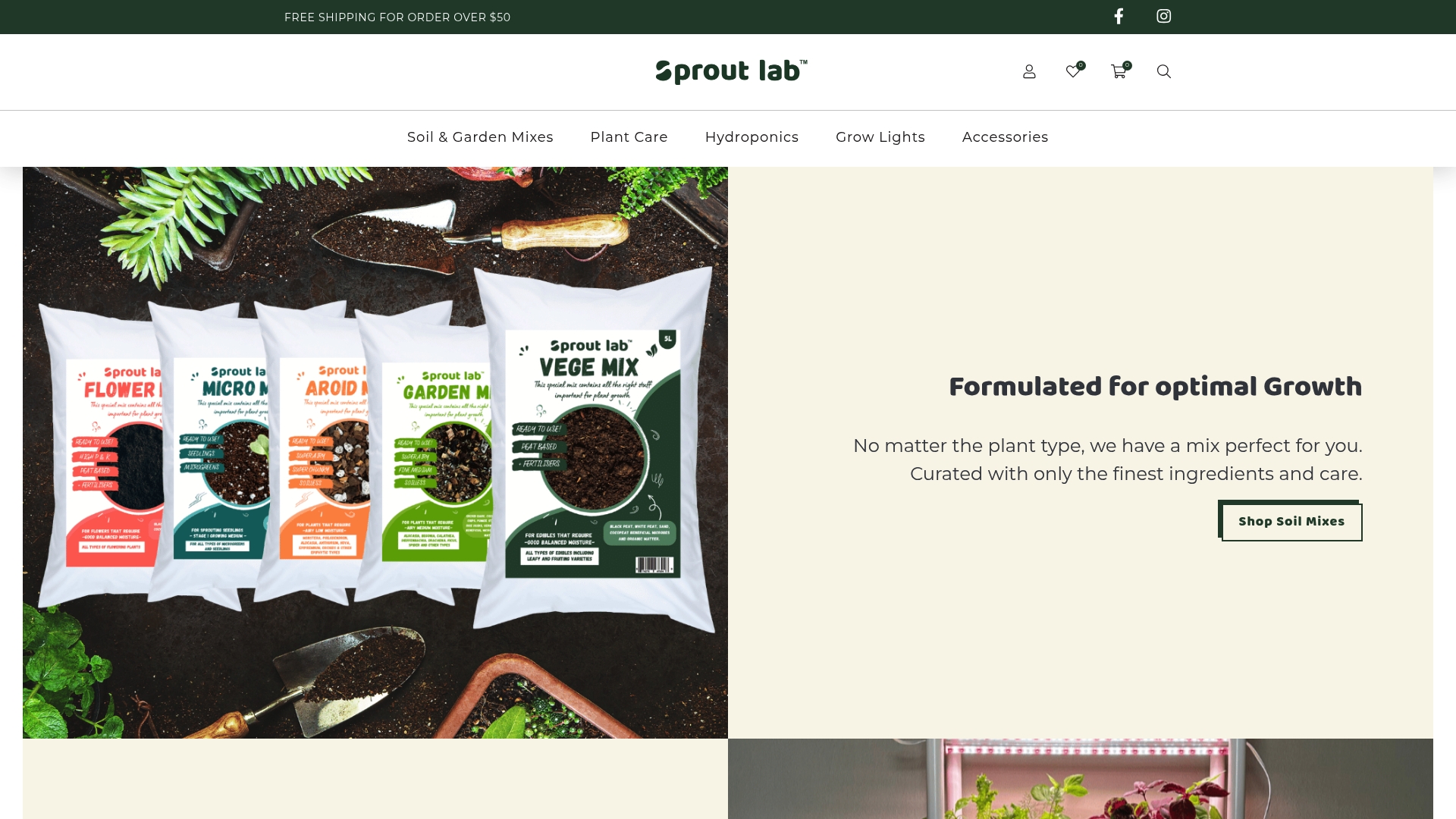
Sprout-lab’s automated hydroponic setups manage watering and nutrient delivery on their own, which means the daily maintenance that trips up new gardeners simply isn’t part of the routine. For anyone growing in an apartment, a small yard, or a climate with a short outdoor season, a compact growing system fits where a raised bed can’t. Pair it with one of Sprout-lab’s tailored soil mixes for any potted crops you’re still growing outdoors, and you’ve covered both sides of a low-effort setup.
Check out Sprout-lab’s reservoir hydroponic system guide to see which setup matches your space before you commit to a season of outdoor bed prep.
Garlic and shallots are among the lowest maintenance options. You plant sets once and mostly leave them alone until harvest months later, with mulch handling most weed and moisture control.
Asparagus and rhubarb top the list because they’re perennials that return every year without replanting, needing only an annual mulch refresh and occasional watering during dry spells.
Potatoes are hard to beat for simplicity. Plant seed potatoes, mound soil or straw around the stems as they grow, and harvest once the foliage dies back, with minimal watering or pest management in between.
Radishes are the classic fast crop, often reaching harvest maturity in three to four weeks. Pairing them with slower crops like garlic or leeks keeps something harvestable while long-season vegetables mature.
Yes, for growers without yard space, indoor hydroponic systems like Sprout-lab’s modular setups maintain stable growing conditions that remove weather and soil variability from the equation entirely.